
This article contains affiliate links. If you book through one of our links, we may earn a commission at no additional cost to you.
In Marrakech, a bowl of harira can cost around 10–15 MAD, while a main course in a tourist-area restaurant may reach 80–200 MAD. That gap captures the central calculation behind Morocco on a budget: the country can be affordable, but your choice of neighbourhood, accommodation and transport quickly changes the total.
This guide is for solo travellers and backpackers planning one week who want a realistic September 2026 estimate rather than an artificially low shoestring figure. Use it to choose between dorms and private riads, compare ONCF trains with CTM buses, decide which paid sights deserve space in the budget, and build a trip around free medina walks, markets and beaches. Prices vary by city, season and booking date, so the figures below are dated ranges—not promises of what every booking will cost.
Quick answer: For seven days in Morocco, budget approximately 1,400–3,150 MAD per person for a genuine low-budget trip, or 3,150–6,300 MAD for a more comfortable low-to-mid-budget trip. These September 2026 estimates exclude international flights and cover accommodation, food, local or intercity transport and sightseeing according to your travel style.
Morocco daily budget: what seven days costs in September 2026
The headline figure is simple: a genuine low-budget week in Morocco comes to approximately 1,400–3,150 MAD per person, while a more comfortable low-to-mid-budget trip comes to approximately 3,150–6,300 MAD. These September 2026 estimates exclude international flights and cover accommodation, food, local or intercity transport and sightseeing.
The lower range assumes dorms or inexpensive rooms, local food, public transport and mostly free or inexpensive sights. The higher range allows for a private budget room or riad, at least one sit-down meal and intercity travel by train or bus. The underlying daily estimates are based on Morocco accommodation and travel-cost snapshots from Hostelworld and HotelsCombined, with the budget range dated September 2026.
Estimated costs for seven days
| Estimated travel style | Estimated daily budget | Estimated seven-day total | What it covers |
|---|---|---|---|
| Low budget | 200–450 MAD | 1,400–3,150 MAD | Dorm or inexpensive accommodation, local food, public transport, free or cheap sights |
| Low-to-mid budget | 450–900 MAD | 3,150–6,300 MAD | Private budget room or riad, one sit-down meal, intercity rail or bus travel |
Basis and date: estimated per person, excluding international flights; seven-day totals are calculated from daily ranges, using September 2026 cost snapshots. They are not fixed nationwide prices.
Accommodation is one of the biggest swing factors. September 2026 listing snapshots put dorm beds at approximately 35–170 MAD per night, while budget private rooms and riads are approximately 120–400 MAD per night. Food can stay modest if you use markets and simple local meals: published Marrakech examples put harira at 10–15 MAD, a simple tagine at 20–30 MAD and a mixed grill at 40–60 MAD. By contrast, a main course in a tourist-area restaurant is estimated at approximately 80–200 MAD in 2026.
Transport choices also matter. Some online ONCF fares were showing from approximately 89 MAD per passenger one way in 2026, although route, class, date and availability change the price. A week split between Marrakech, Fez, Chefchaouen, Essaouira, Casablanca and Rabat will not cost the same as staying mainly in one medina; fewer long transfers usually make the lower range more realistic.
June, July, August and December are identified as peak months in the planning brief. March–May and September–November are useful shoulder-season comparisons, but do not treat them as guaranteed bargains: city, booking date and demand can change accommodation and attraction costs substantially. Check live listings and official transport and attraction sites before committing to a route.
| Item | Budget | Mid-range | Luxury |
|---|---|---|---|
| Low-budget daily spend | 200–450 MAD per person per day | — | — |
| Low-to-mid-budget daily spend | — | 450–900 MAD per person per day | — |
| Hostel dorm bed | Approximately 35–170 MAD per night | — | — |
| Budget private room or riad | Approximately 120–400 MAD per night | — | — |
| Street-food meal | Approximately 10–40 MAD per item or simple meal | — | — |
| Marrakech street-food examples | Harira 10–15 MAD; simple tagine 20–30 MAD; mixed grill 40–60 MAD; orange juice 4–10 MAD | — | — |
| Tourist-area restaurant main | Approximately 80–200 MAD | — | — |
| ONCF intercity train | Some online fares from approximately 89 MAD | — | — |
| Jardin Majorelle admission | 170 MAD per adult | — | — |
Estimated ranges based on the sources listed below. Prices change; check with providers before booking.
Saving on accommodation: dorms, budget riads and better-value bases
Match the room to your travel style
For a solo traveller, a dorm is usually the cleanest way to keep Morocco on a budget. September 2026 listing snapshots from Hostelworld put hostel beds at approximately MAD 35–170 per night, with the range changing by city, season and availability. The lowest listings may be useful for a short stay, but location, noise and the quality of shared facilities matter as much as the headline price.
Couples or friends splitting a room should compare the total, not just the nightly rate. Budget private rooms and riads are estimated at approximately MAD 120–400 per room per night in a 15 September 2026 market snapshot, according to HotelsCombined. A private room buys more privacy and often a calmer night, but it is not automatically better value if one person is travelling alone.
Choose the base before chasing the lowest rate
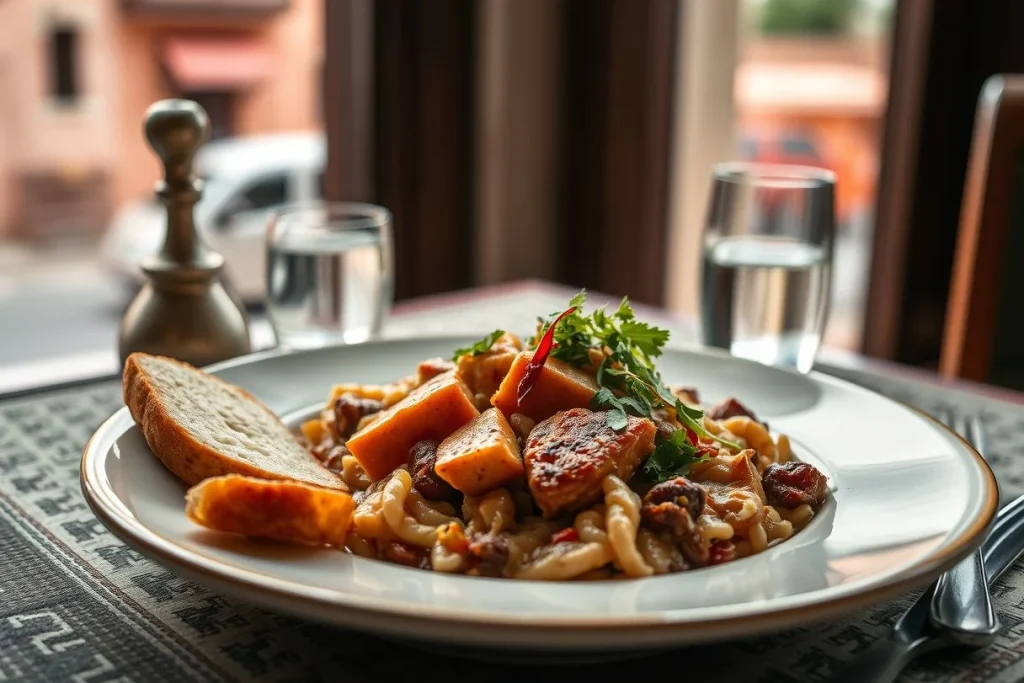
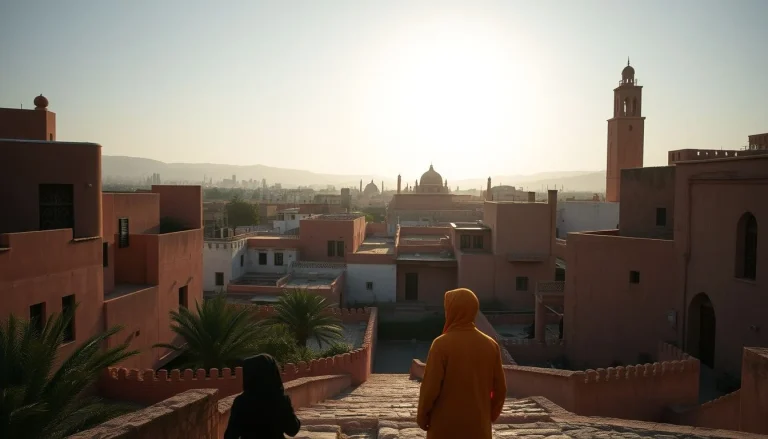
In Marrakech and Fez, a riad inside or close to the medina puts you near lanes, markets and everyday food, but the approach can involve uneven alleys, steps and confusing turns. Ask the property for a clear landmark and check whether staff can help with luggage. In Essaouira, or in a modern-city area of Casablanca or Rabat, a straightforward street address may be more useful than a cheaper room deep inside a maze of lanes.
Before booking, check walking access from the station or taxi drop-off, air conditioning for hot months and heating for cooler nights. Confirm what “breakfast included” means, and look for recent comments about noise, luggage storage and the practical route to the door. These details can prevent a cheap room from creating extra taxi costs or a difficult first evening.
Know when flexibility saves money
Book the first night ahead, particularly if arriving at Marrakech Menara Airport or Casablanca Mohammed V International Airport, and reserve early for peak dates or a popular medina. It is easier to compare properties once you know the neighbourhood and have a reliable arrival plan. Travellers with flexible dates can then check same-day or next-day listings, but this trades a possible saving for less choice; do not assume a suitable room will be available.
For a one-week trip, changing accommodation every night rarely saves money once luggage transfers and check-in time are counted. Two or three well-placed bases—such as Marrakech with Essaouira, or Fez with Chefchaouen—usually make the dorm-versus-private-room decision more meaningful than pursuing the lowest listing in every city.
Saving on transport: ONCF trains, CTM buses and city travel
For Morocco on a budget, plan the route before buying individual tickets. Grouping cities into one direction—such as Marrakech–Essaouira, or Fez–Chefchaouen—usually costs less than crossing the country repeatedly, and it leaves more time for walking rather than waiting in stations.
Train or bus?
| Option | Best for | Speed and comfort | Budget value |
|---|---|---|---|
| ONCF train | Major rail-connected routes | Usually the more straightforward and comfortable choice where a rail connection exists | Some online fares start at approximately 89 MAD one way in 2026; check the route, class, date and availability on ONCF |
| CTM bus | Suitable intercity corridors not covered conveniently by rail | Can take longer, but offers a bookable, organised alternative | Compare the live fare and departure against the train; CTM offers online booking for routes including Casablanca–Marrakech, shown in a July 2026 booking snapshot |
| Local or shared transport | Shorter journeys when the saving is worth extra complexity | Less predictable and generally less convenient with luggage | Use selectively rather than building a one-week itinerary around several changes; confirm the current route locally |
The ONCF figure is a dated snapshot, not a standard Morocco train fare: the operator’s 2026 online listings show some tickets from approximately 89 MAD, while route, class, date and availability change the price. CTM’s booking site is useful for checking departures and reserving popular bus corridors; its Casablanca–Marrakech service was visible in a July 2026 booking snapshot. Recheck both operators immediately before travel.
Make airport and city transport work for you
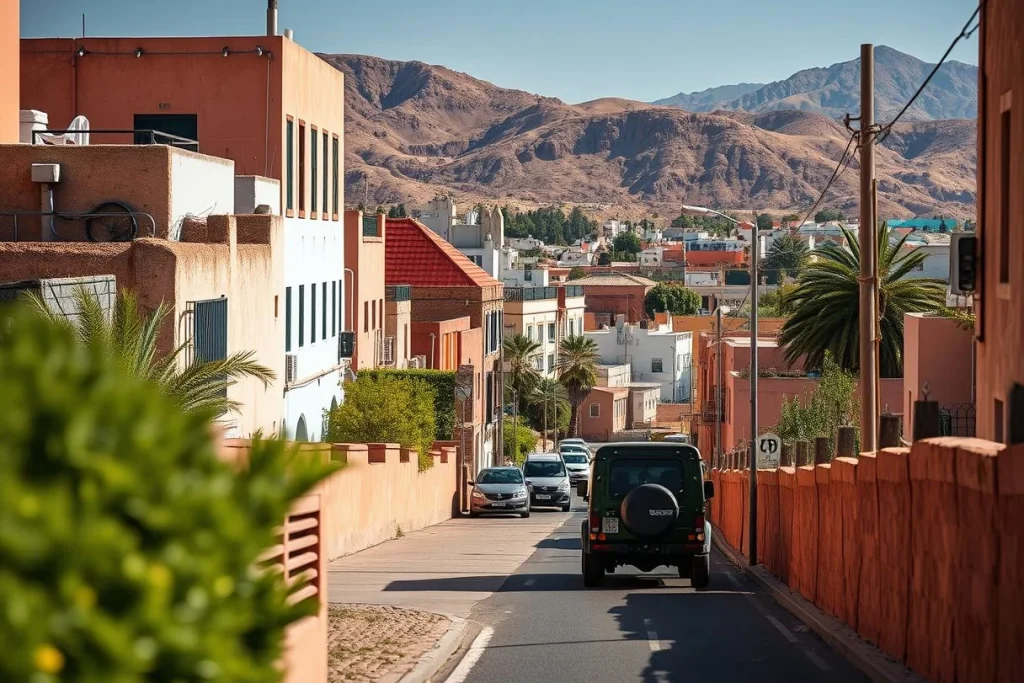
From Marrakech Menara Airport or Casablanca Mohammed V International Airport, check the official airport guidance and current public-transport options before arrival. A first-night transfer may be worth paying for if you land late or are carrying luggage into a medina, but do not assume a private car is the cheapest default. Compare the live airport option with the location of your accommodation, especially when the final walk involves narrow lanes or steps.
Inside Marrakech, Fez, Rabat, Casablanca and Essaouira, build days around walking and use city public transport where it is practical. Medinas often make a short journey on a map slower with luggage than expected, so choose accommodation near the station, a recognised taxi drop-off point or an accessible edge of the old city.
Reserve a popular ONCF or CTM departure early when your itinerary depends on one specific connection, then keep the rest flexible. Avoid paying for unnecessary backtracking: a week is better spent on two or three connected bases than on adding Chefchaouen, Essaouira and the desert to a route that repeatedly returns to Marrakech.
Eating well for less: markets, street food and simple restaurants
Build meals around markets and street food
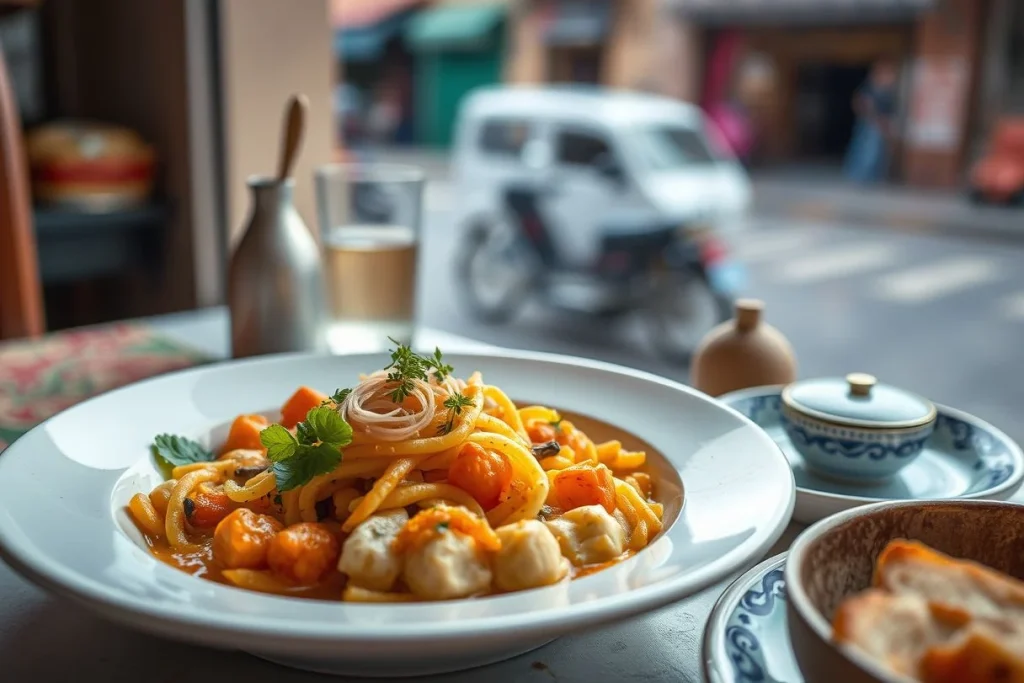
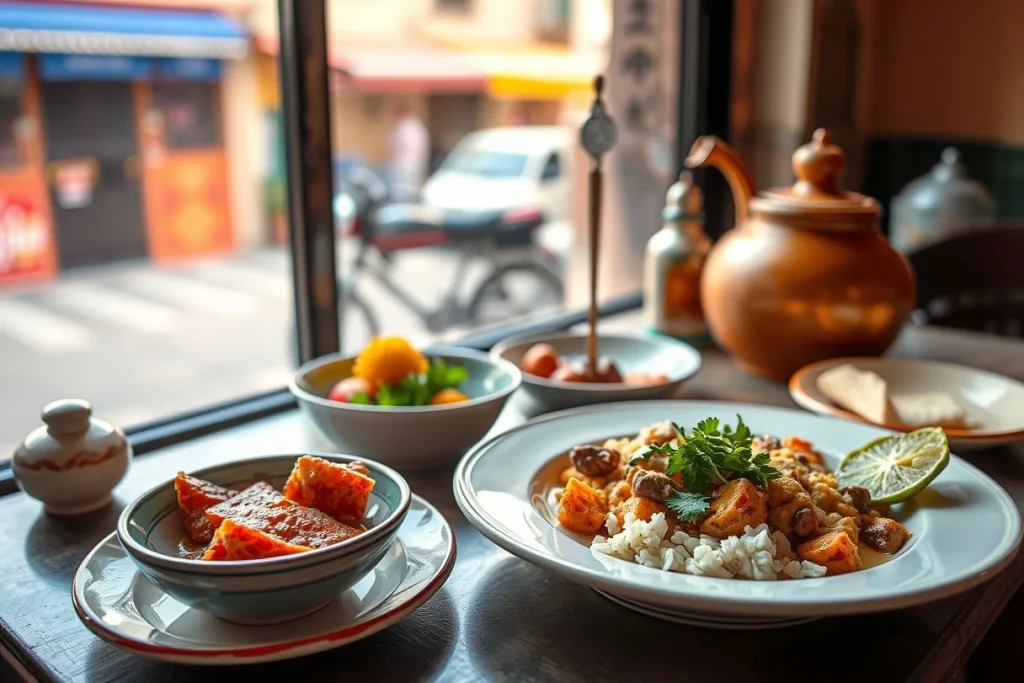
For Morocco on a budget, plan on simple local food rather than restaurant meals at every sitting. A September 2026 Marrakech price snapshot puts harira at around 10–15 MAD, a simple tagine at 20–30 MAD, a mixed grill at 40–60 MAD and fresh orange juice at 4–10 MAD per serving or drink. Across Morocco, a street-food item or simple meal generally falls around 10–40 MAD, although prices vary by city and setting.
Markets are useful beyond the occasional snack. Buy fruit, bread and prepared food for a picnic, and make lunch your larger meal when you are already near a market or traditional food district. In Marrakech, compare a stall meal with the approximately 80–200 MAD charged for a main course in a tourist-area restaurant, an estimate published by Amigo’s 2026 Morocco cost guide. Seating beside a famous square or paying for a rooftop view can add cost without making the food better, so save that experience for one evening rather than repeating it daily.
Eat carefully, especially with dietary restrictions
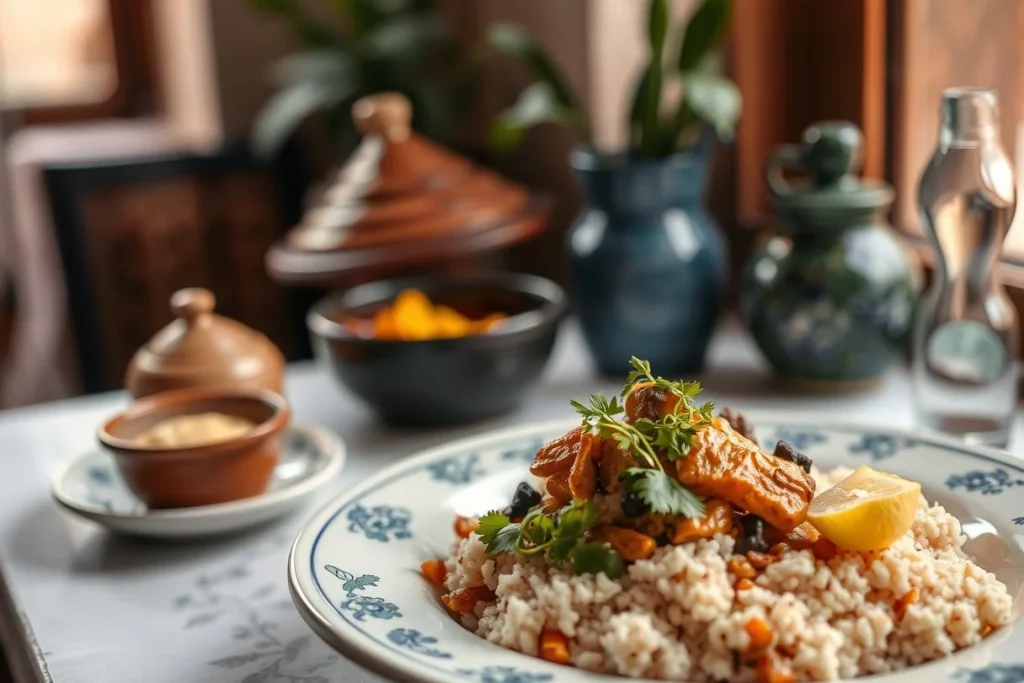
Choose busy stalls with a steady queue and high turnover, and favour food cooked in front of you and served properly hot. Wash or sanitise your hands before eating, and remember that street food is not risk-free: use extra caution with raw ingredients and food that has been sitting uncovered. Current GOV.UK travel advice, updated 15 September 2026, also warns against unlabelled alcoholic drinks because of the risk of methanol contamination; avoid them entirely.
Vegetarians can often find vegetable tagines, harira and salads, but confirm whether broth, meat or animal fat is used rather than assuming a dish is vegetarian. Vegans should ask about butter, smen and dairy in sauces, while travellers with allergies need to explain the ingredient clearly and carry a translated note where possible. Menu labelling is not universal, so a small self-catering breakfast—fruit, bread and yoghurt where suitable—can be a safer, cheaper fallback.
Free and cheap things to do in Morocco
Spend your sightseeing budget selectively
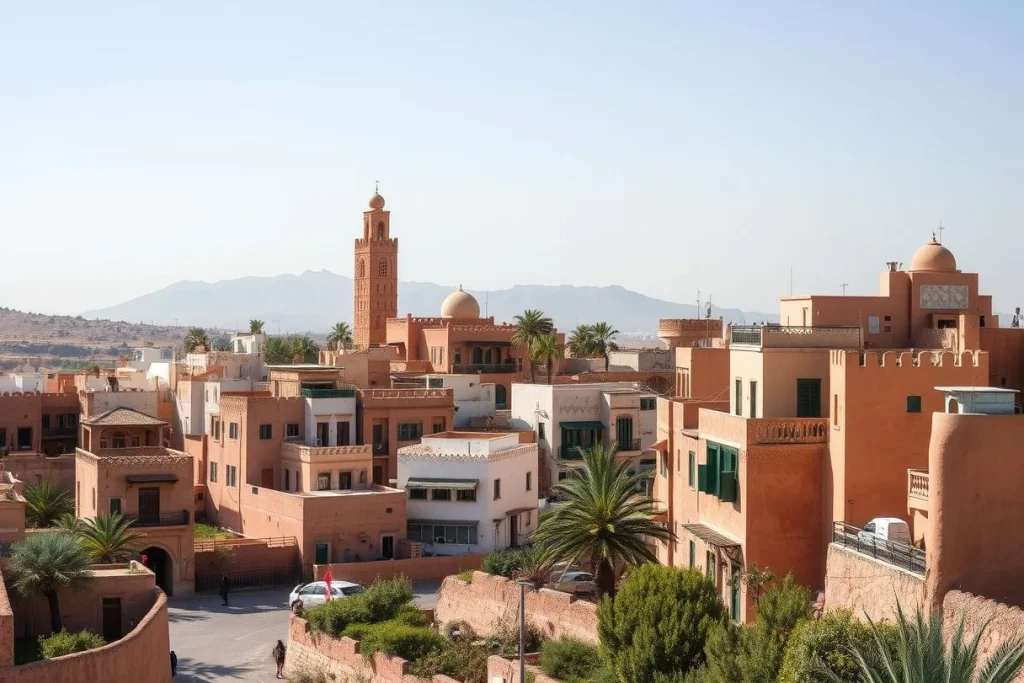
Morocco on a budget works best when most days are built around places that cost nothing: historic lanes, public squares, beaches and markets. Save paid admissions for one or two highlights that genuinely interest you, rather than adding a ticket to every stop. That keeps the sightseeing portion flexible when prices or opening arrangements change.
Free days in the medinas
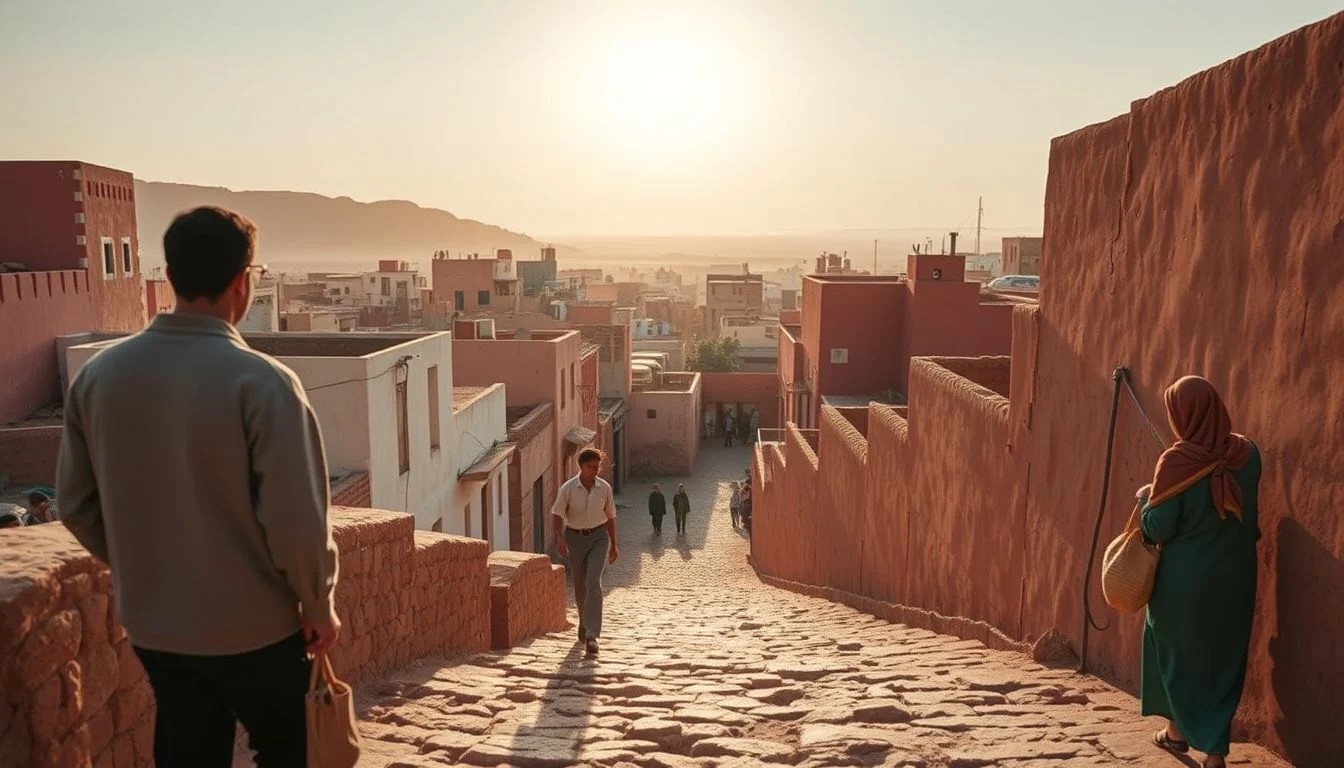
Walking the medinas of Fez, Marrakech, Chefchaouen or Essaouira is free and gives you architecture, market life and everyday street scenes without a formal attraction ticket. A self-guided walk is a sensible choice in Marrakech or Fez: mark a few gates, courtyards and viewpoints before leaving, then explore at your own pace.
In Marrakech, Jemaa el-Fna costs nothing to enter. Treat it as an open-air place to wander and watch the square change through the day; spending on snacks or drinks is optional. In Fez, Chefchaouen and Essaouira, the medina itself can fill a morning or afternoon, although uneven alleys, steps and limited accessibility make route planning important for travellers with mobility requirements.
Markets, picnics and the coast
Local markets are both an activity and a way to reduce the cost of a sightseeing day. Browse fruit, bread and prepared food, then make a picnic rather than defaulting to a restaurant in a heavily visited square. Keep bargaining polite, check the price before accepting goods or services, and walk away if the transaction no longer suits you.
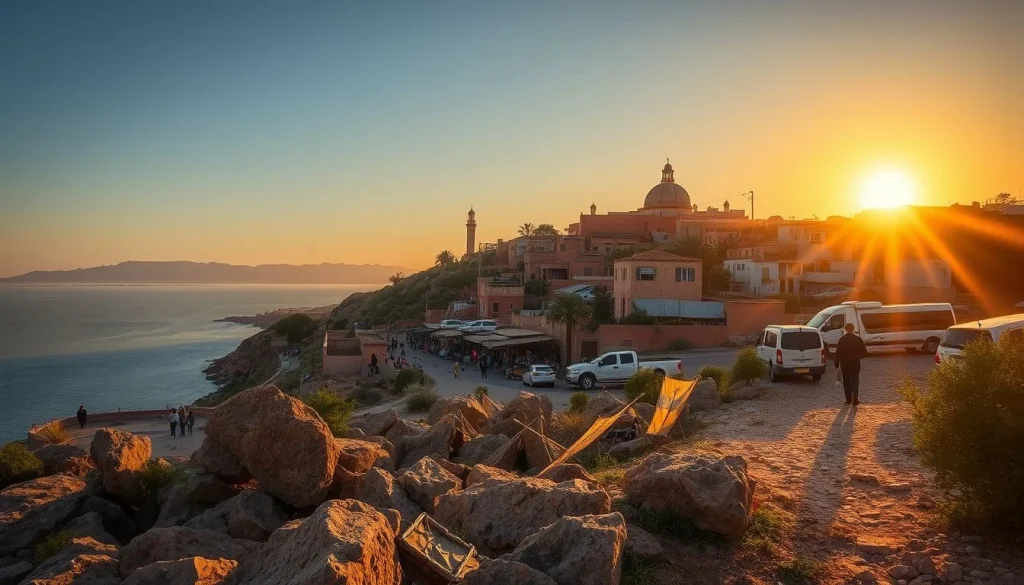
Essaouira’s beach and Casablanca’s beaches provide free outdoor time between paid visits. They are useful counterweights to a walking-heavy itinerary, particularly in the hotter months; check current travel advice and local conditions before planning activities around the coast.
Choose one or two paid highlights
Jardin Majorelle is the clearest dated example: its official website lists adult admission at 170 MAD in 2026. Check the official Jardin Majorelle listing for the current fee and opening hours before travelling, as both can change.
Bahia Palace can be another worthwhile paid choice in Marrakech, but its current ticket price and opening information should be confirmed through the official cultural ticketing portal. In Casablanca, Hassan II Mosque tours may offer a relatively low-cost cultural visit; use the official foundation website to check current visitor categories and prices.
Unofficial guides and touts may approach you near medinas and monuments. A clear “No, thank you” and continued walking is enough; do not accept a service until its price and scope are agreed, and use an official or pre-booked guide when you want a guided visit.
Travel tips that protect your Morocco budget
That same caution applies to everyday transactions and arrival planning: small checks made before leaving home can prevent a cheap trip becoming an expensive one.
- Use Moroccan dirhams (MAD) for daily spending. Travel guidance recommends exchanging money or withdrawing it through reputable channels in Morocco rather than relying on obtaining dirhams abroad; carry a modest cash reserve, keep it separate from your cards, check your bank’s fees and avoid displaying a large amount at once.
- Check entry rules for your nationality immediately before booking. Many nationalities can visit Morocco visa-free for tourism for up to 90 days, but eligibility is not universal; GOV.UK Foreign travel advice dated 15 September 2026 also says your passport should be valid for at least three months beyond arrival.
- Read the latest travel advice before departure. The same GOV.UK notice covers terrorism risk, petty crime, scams and related personal-safety concerns, so check current warnings and card-fraud guidance rather than relying on an old blog or forum post.
- Agree the price and service before accepting help. Confirm the total for a taxi, transfer, porter, guide or luggage service before it starts, and use an official or pre-booked provider when possible; this is particularly important around medina entrances and major monuments.
- Protect your phone in crowded medinas. Keep it out of easy reach, use a secure bag and save essential booking details offline, since losing a phone can mean replacement costs as well as losing maps, tickets and payment access.
- Recheck every changeable cost shortly before travelling. Confirm fares, schedules and availability with ONCF or CTM, and reconfirm accommodation, attraction fees and opening hours with the provider or official site; published snapshots are not guarantees.
- Build around the heat, especially from June to August. Avoid filling the hottest part of the day with long walks, and remember that the medinas of Fez, Marrakech, Chefchaouen and Essaouira include uneven alleys and steps; travellers with mobility requirements should confirm access with accommodation and attractions in advance.
- Be selective with street food rather than treating it as risk-free. Choose busy stalls where food is cooked and served hot, and avoid unlabelled alcoholic drinks because current travel guidance includes a methanol warning; a popular stall can also mean faster turnover of ingredients.
- Keep a small fallback plan for arrival. Save the address and phone number of your first accommodation, confirm how the property handles late arrival and check any airport transfer price in advance, particularly when landing at Marrakech Menara Airport or Casablanca Mohammed V International Airport.
The best way to plan a week in Morocco on a budget
For most backpackers, the 200–450 MAD per person per day tier is the sensible starting point for Morocco on a budget. It works if you use dorms or inexpensive rooms, eat mainly local food, rely on public transport and choose free or inexpensive sights. The September 2026 estimate excludes international flights.
Choose 450–900 MAD per person per day if you want a private budget room or riad, an occasional sit-down meal and more flexibility for intercity travel. This September 2026 estimate also excludes international flights, and it buys comfort rather than luxury.
Your next step is practical: choose one compact route, then price seven nights and each required ONCF or CTM journey using current listings. Reserve the first night, especially if arriving late, and keep a separate MAD buffer for one or two paid highlights, changes of plan and unexpected local transport. That approach gives you a realistic Morocco budget before you commit to flights.
Frequently asked questions
Can I see Marrakech, Fez and Essaouira in one week without rushing?
It is possible to include all three, but a one-week Morocco budget itinerary is more manageable if you treat two as main bases and make a deliberate choice about the third. Every additional stop adds intercity transport and a change of accommodation, so the saving is not only financial but also time. Check current ONCF and CTM routes before committing: ONCF fares and CTM bookings vary by route, date and availability, according to the operators’ online information.
Is it practical to travel around Morocco without renting a car?
Yes, a car is not essential for a budget trip built around major cities. ONCF publishes online train fares, with some 2026 tickets shown from approximately 89 MAD one way, while CTM offers online booking for intercity routes including Casablanca–Marrakech; actual fares depend on the journey and date. For a one-week plan, compare the current ONCF and CTM options before booking accommodation, then use public transport or walking within each city.
Should solo travellers choose a hostel or a private riad?
Choose a hostel dorm if meeting other travellers and keeping the nightly cost as low as possible matter most. September 2026 listing snapshots put dorm beds at approximately 35–170 MAD per night, while budget private rooms or riads are approximately 120–400 MAD per room per night, with substantial variation by city, season and availability. A private room is the better trade-off for sleep, privacy or a quieter base, but check the latest listing rather than assuming every riad falls within the lower end of the range.
How can I avoid common medina scams and unwanted guiding?
Keep your plans simple: use accommodation directions and official transport or attraction information, and decline unsolicited guiding firmly rather than following someone into unfamiliar lanes. GOV.UK’s Morocco travel advice, updated 15 September 2026, warns about petty crime, scams and related personal-safety concerns, so keep valuables discreet and stay alert in crowded areas. Check current advice before departure, since reported risks and official guidance can change.
What should I pack for walking-heavy days in Morocco?
Pack comfortable shoes suited to uneven medina alleys, plus clothing that works for long periods outdoors and a small day bag for water and essentials. The practical reason is that medinas in Fez, Marrakech, Chefchaouen and Essaouira include lanes and steps, while summer heat can make a walking-heavy itinerary harder. If travelling in June, July or August, check current weather and plan less walking during the hottest part of the day rather than building the trip around a fixed sightseeing schedule.
Are Morocco’s medinas suitable for travellers with mobility requirements?
Not always. The medinas of Fez, Marrakech, Chefchaouen and Essaouira can include uneven alleys, steps and limited accessibility, so access should be treated as a property- and route-specific question rather than assumed. Contact accommodation and attractions before booking to confirm entrance routes, room access and practical assistance; also recheck current visitor information for paid sites such as Jardin Majorelle and Bahia Palace.