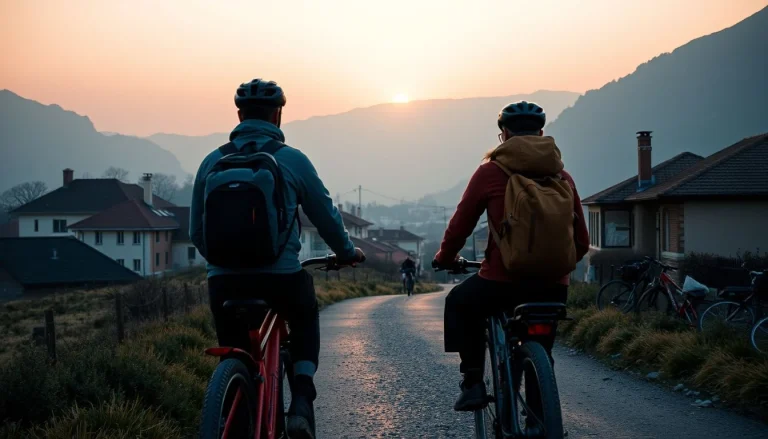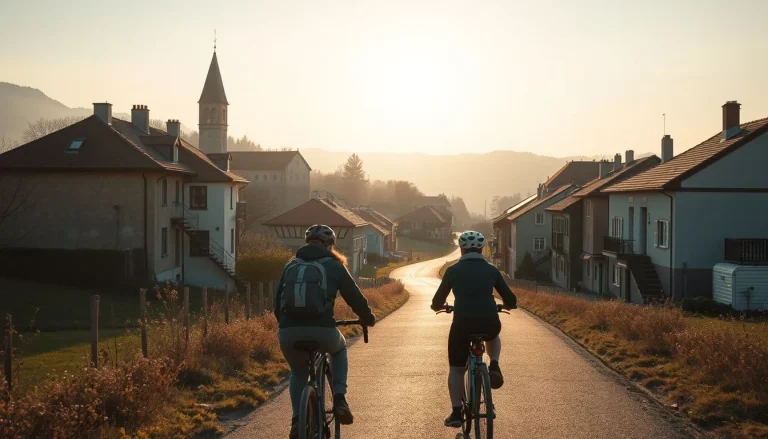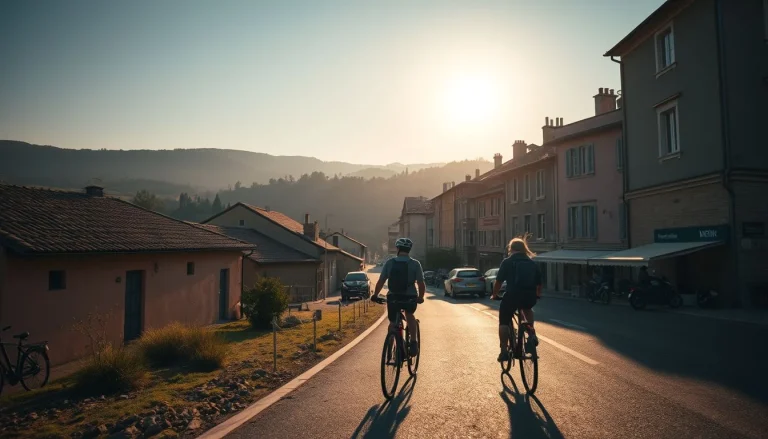
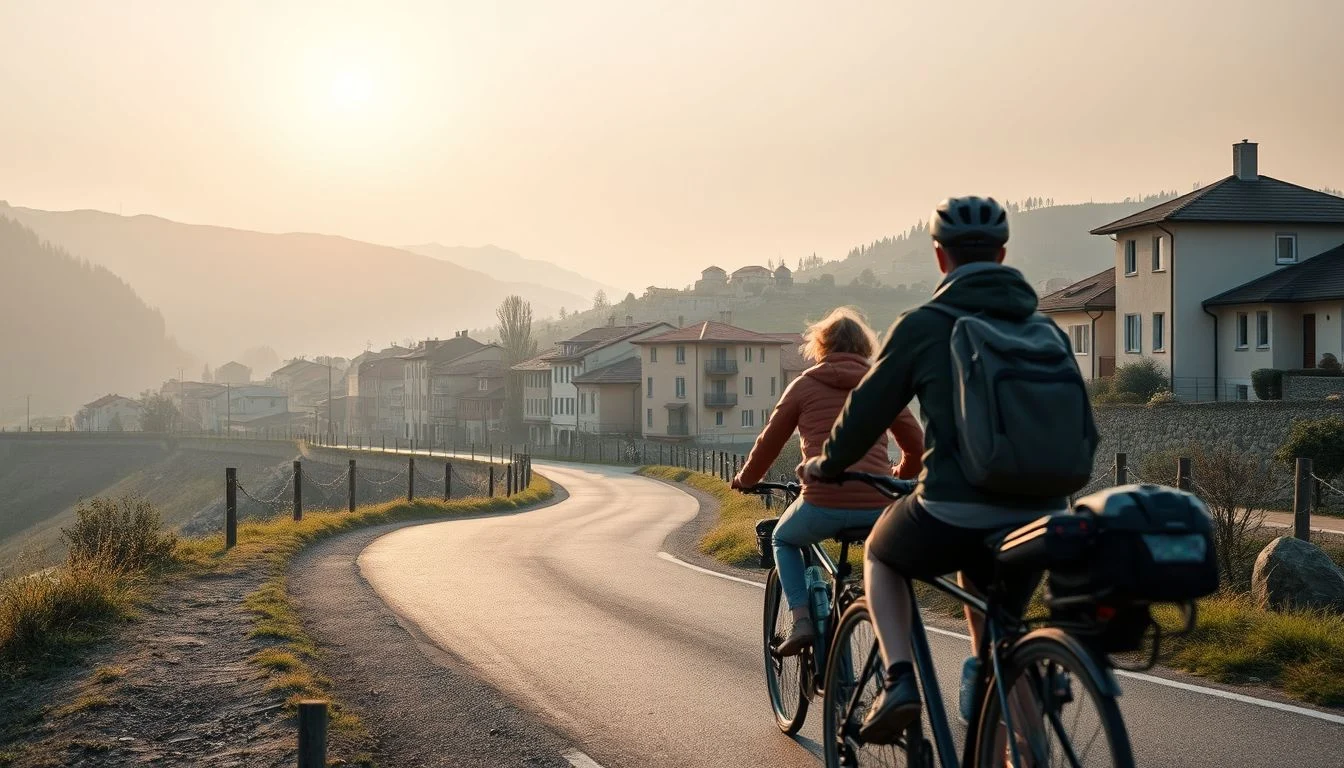
Lake Constance’s cycle route crosses Germany, Austria and Switzerland on largely flat, signposted paths, with ferries, family attractions and towns that can break up a day in the saddle. It is a useful model for family cycling holidays because the route can include a boat ride or rest day when small legs, naps or unpredictable weather take priority.
This guide is for families planning their first European cycling trip, from babies and toddlers travelling in a trailer to teenagers ready for longer stages. It explains how to match routes such as Lake Constance, the Danube Cycle Path and suitable EuroVelo sections to children’s ages, then choose accommodation, food stops, stroller access, luggage transfers and transport with sensible bail-out options.
Quick answer: Lake Constance is the strongest all-round choice for a first family cycling holiday: it is largely flat and signposted, with attractions, ferries and frequent towns. The Danube Cycle Path and suitable EuroVelo 6 sections also offer river routes and manageable stages, while EuroVelo-certified sections can help identify routes assessed for qualities such as traffic-free riding and surface quality.
The best starting routes for cycling with children
For a first trip, choose the route around the youngest child’s realistic riding day, not the strongest adult cyclist’s pace. These European options offer a useful starting point, but every itinerary needs a section-by-section check of traffic, gradients, surface and stroller access.
| Route option | Why it suits families | Best match |
|---|---|---|
| Lake Constance (Bodensee) | Largely flat and signposted, crossing Germany, Austria and Switzerland, with towns, ferries and family attractions. | First-time families, younger children and mixed abilities |
| Danube Cycle Path and suitable EuroVelo 6 sections | River-route infrastructure, frequent towns and itineraries that can be divided into shorter stages. | Families wanting daily rides with regular food and rest stops |
| EuroVelo-certified sections | Certification can help identify stretches assessed for qualities such as traffic-free riding and route surface. | Parents prioritising predictable infrastructure |
| Suitable sections of EuroVelo 15, the Rhine Cycle Route | A further river-route option with published family-oriented trip ideas. | Older children and families selecting a carefully checked section |
Lake Constance is the most forgiving all-round example: ferries and attractions such as Ravensburger Spieleland can replace a riding stage, while frequent towns make snacks, meals and shorter days easier to organise. Main paths around the lake and parts of the Danube may also work with a stroller, but rural stretches and narrow towpaths may not, so check current local maps before booking.
For younger children travelling in a trailer or tag-along, published family-tour guidance suggests roughly 10–25 km a day; independent riders may manage around 15–35 km, depending on fitness, stops and terrain. Child bikes, trailers, tag-alongs and luggage transfers are commonly available through family-bike operators, but confirm equipment and limits for your dates. No entire EuroVelo route is automatically child-suitable: use EuroVelo’s route information as a starting point, then verify the exact section.
Why these routes work for families
The most useful family cycling routes reduce the number of things parents must solve each day. Score a prospective route for low traffic, flat or gently rolling terrain, dependable surfaces, frequent towns and food stops, toilets, shade, and places for a swim or playground break. Add two practical questions: how short is the transfer from the arrival station or airport, and can the family reach a train, ferry or road transfer if a child is tired? EuroVelo recommends considering certified sections because their route information assesses qualities such as traffic-free riding and surface quality, but conditions remain section-specific.
Lake Constance is a strong first choice because its largely flat, signposted route crosses Germany, Austria and Switzerland and combines villages, ferries and family attractions. A centre-based stay suits toddlers and preschoolers particularly well: unpack once, ride a short loop after breakfast, return for a nap, then use a pool, playground or boat for the afternoon. Attractions such as Ravensburger Spieleland can give children a reward on a non-riding day, according to the Lake Constance tourism board.
Hotel-to-hotel touring works better for families whose children are comfortable repeating daily stages and whose parents value luggage transfer over afternoon flexibility. Stroller access must be checked on the exact map: main paths around Lake Constance and parts of the Danube may suit a stroller, while narrow towpaths and rural sections may not. The most reliable family season is June to August; Lake Constance operators describe a broader April-to-October window, while May and September need a weather and attraction-opening check before booking.
Things to do with kids: choose by age and ability
Babies and toddlers: keep the day short
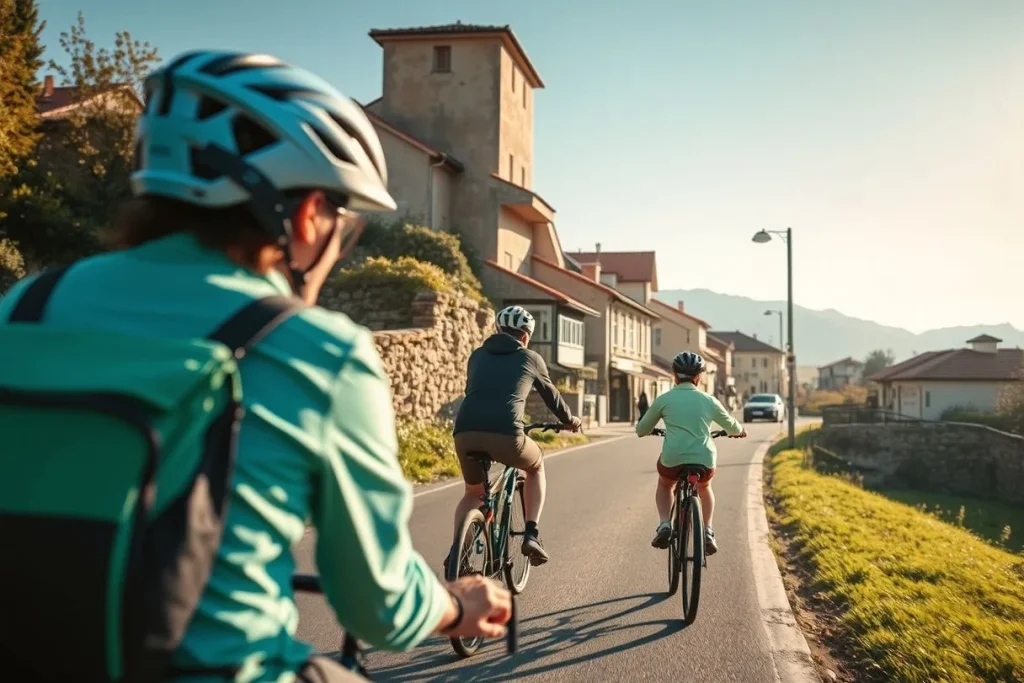
For babies and toddlers, choose a centre-based family cycling holiday rather than a hotel-to-hotel itinerary. A single base makes naps, forgotten comforters and early finishes manageable; rides can be short loops, with a ferry or boat trip replacing a demanding stage. Around Lake Constance, ferries and family attractions such as Ravensburger Spieleland can provide a non-cycling day, although seasonal services and opening dates should be checked before booking.
A bike trailer is often the most practical option for a young passenger, while a child seat may suit a child who can sit securely and tolerate the ride. Do not rely on a generic age limit: check the manufacturer’s instructions, the child’s height and weight, and the tour operator’s equipment rules. Operators commonly provide trailers and child seats, but availability is not guaranteed for every departure, so request the exact equipment when booking.
Plan around sleep rather than distance. Ride after breakfast, stop before the child becomes overtired, and leave the longest nap for the accommodation rather than assuming it will happen on the move. Pack familiar food, water, sun protection and a change of clothes; shade can be limited on exposed paths in summer.
Preschoolers: make the route feel like a game
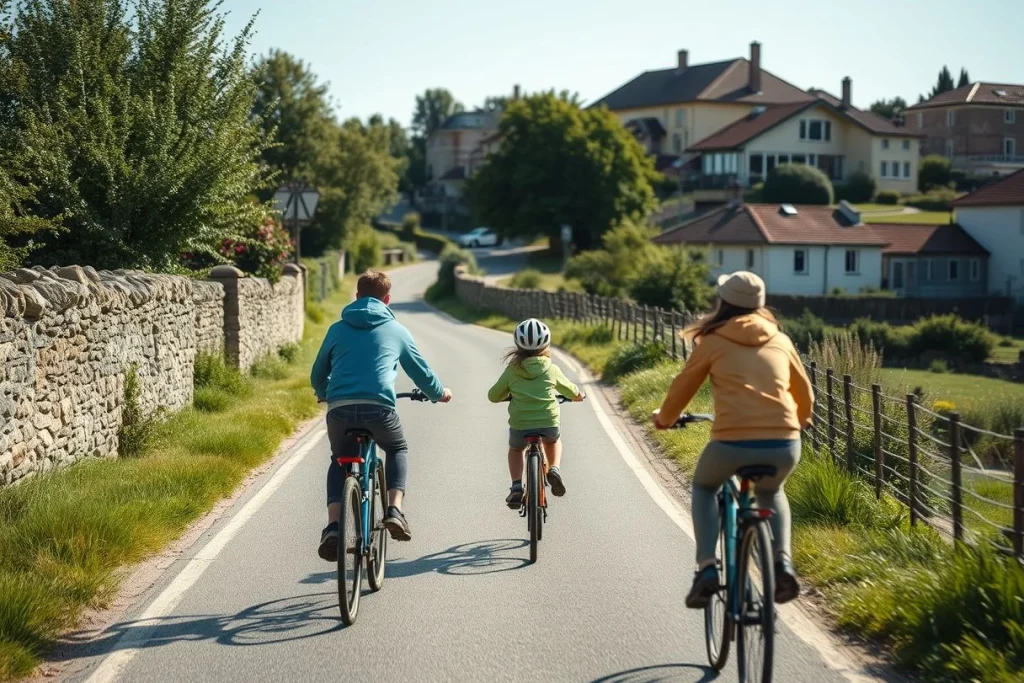
Preschoolers who cannot yet manage a full bike can use a trailer or tag-along, subject to the same equipment and size checks. Published family-tour guidance gives an approximate range of 10–25 km per day for younger children using trailers or tag-alongs, but that figure includes stops and depends on the surface, weather, hills and the child’s mood.
Short loops work better than a day defined by its finish point. Build in a playground, animal stop, ice cream or ferry ride, and let the child help spot bridges, boats or coloured route signs. Carry small, familiar snacks—fruit, bread, cereal bars or cheese—rather than relying on finding a child-friendly café at the exact moment hunger arrives. Schedule a rest day after two riding days, and treat an early return as a successful plan rather than a failure.
Primary-school children: introduce independent riding gradually
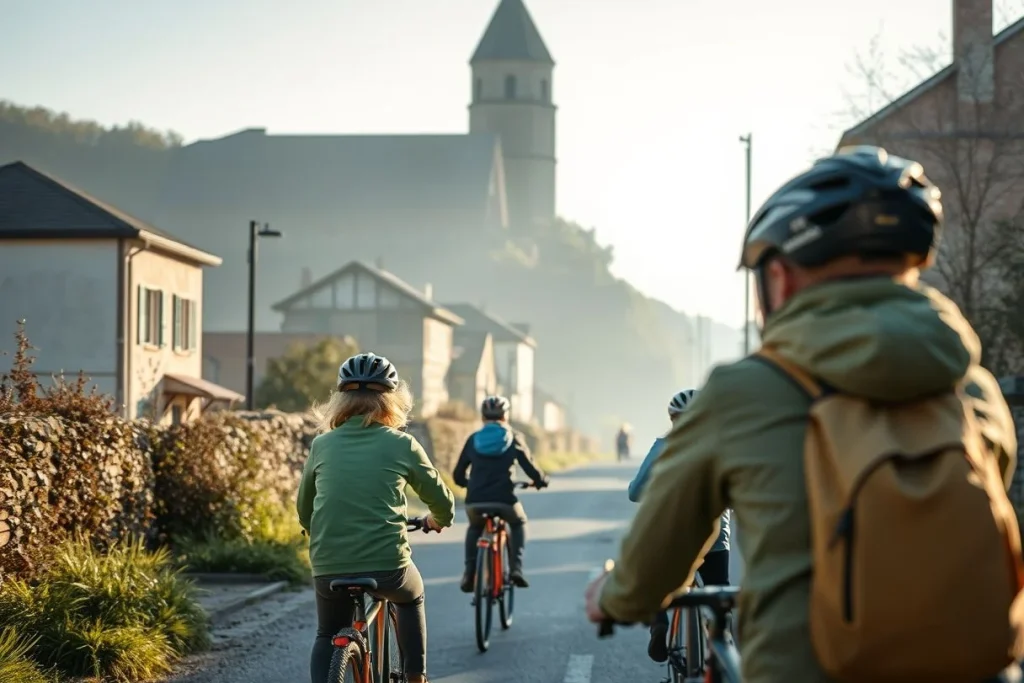
Confident riders can move from a tag-along to their own child-sized bike, but there is no universal age at which this becomes sensible. Practise braking, starting, signalling and stopping in a traffic-free place before the holiday, then choose a route where an adult can ride beside the child and the day can be shortened.
For competent independent riders, published guidance suggests roughly 15–35 km a day, depending on fitness, terrain and breaks. Begin at the lower end. Give each child a small job—reading the map, counting bridges or choosing the picnic point—and promise one daily highlight, such as Rhine Falls or a boat crossing, rather than expecting scenery alone to provide motivation.
Teenagers: add choice and a meaningful challenge
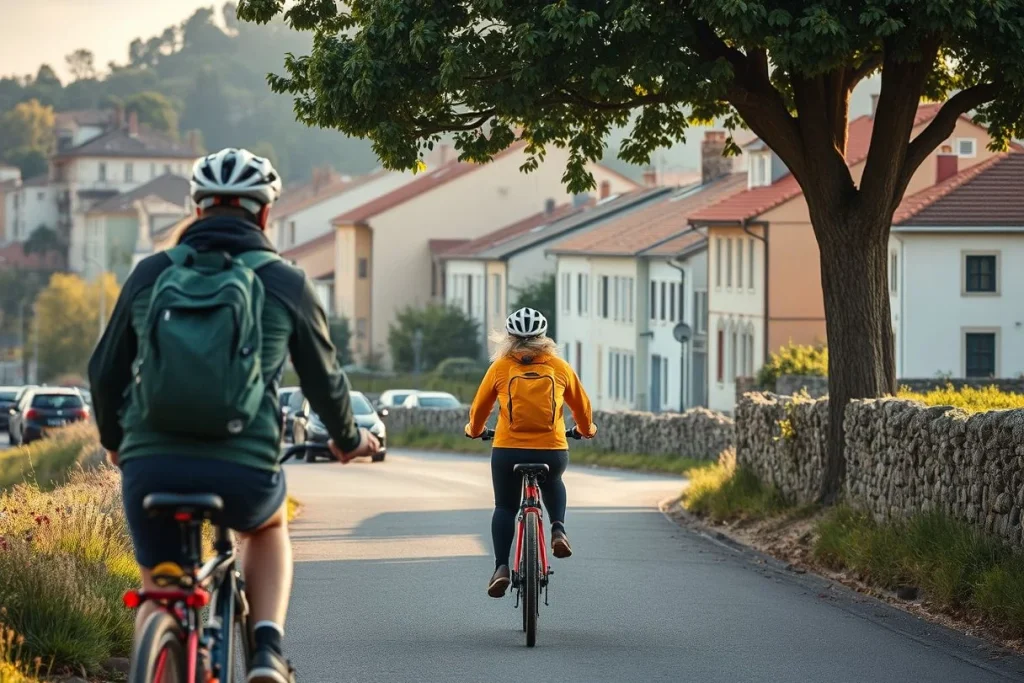
Teenagers may manage longer stages, but they still need a route with practical escape options and regular food stops. Let them choose between two mapped alternatives, lead a short section under adult supervision, or select an active attraction; ownership usually matters more than adding kilometres.
Keep breakfast substantial, refill bottles at every reliable stop and carry an extra snack for delays. Everyone should wear a properly fitted helmet: the CDC recommends this for bicycle riders, while helmet laws vary by country and region. Check the current local rules before departure, and plan shade, water and a slower midday pace during hot weather.
Where to stay: match the base to your family
After planning food, water and a realistic riding day, choose accommodation that protects sleep and gives you an easy fallback. Lake Constance is particularly adaptable: its largely flat, signposted routes pass through Germany, Austria and Switzerland, with ferries and family attractions that can replace a riding stage.
| Accommodation model | Best for | Check before booking |
|---|---|---|
| Centre-based Lake Constance lodging | Infants, toddlers and families planning naps, pool time or a rest day | Family or adjoining rooms, cots, blackout curtains, a fridge or kitchenette, laundry, secure bike and trailer storage, and a nearby supermarket |
| Hotel-to-hotel self-guided tour | Active families whose children can manage repeated stages | Luggage-transfer terms, family-room capacity, breakfast timing, child equipment and a shorter alternative for tired riders |
| Farm stay or agritourism | Families wanting space, informal meals and short local rides | Play space, rainy-day activities, dinner arrangements, laundry, bike storage and the surface of nearby paths |
| Camping or glamping | Outdoor-oriented families travelling on a tighter budget | Family pitches or cabins, showers, refrigeration, laundry, secure trailer storage and indoor shelter if the weather turns |
A centre-based stay is usually the least stressful choice for cycling holidays with toddlers: one room, one unpacking session and the option to ride out after a nap. Main cycle paths around Lake Constance and parts of the Danube may suit strollers, but rural tracks and narrow towpaths may not, so check current local maps before choosing an apartment or farm.
Hotel-to-hotel trips work better for school-age children and teenagers who enjoy a daily objective. Family cycling operators commonly provide child bikes, trailers, tag-alongs and luggage transfer, but availability, child discounts and the exact transfer conditions vary. Confirm every detail with the operator rather than assuming a family room, cot or trailer will be included.
Getting around: trains, ferries and bail-out options
Getting around: trains, ferries and bail-out options
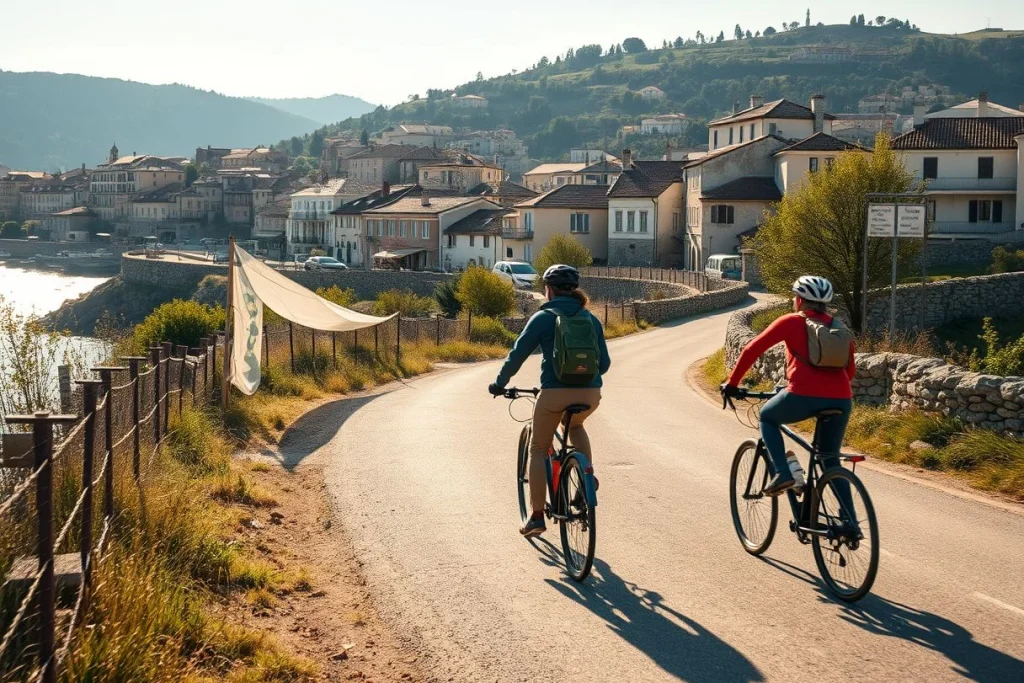
Build the journey around easy bail-out points, not a perfect unbroken route. Regional trains are generally the simplest European rail option for bicycles; high-speed and international services may require reservations, paid bike spaces or bikes packed in bags, according to Gopaxo’s 2026 guide. Check the exact service with SBB, Deutsche Bahn, ÖBB or SNCF TER for its bicycle, trailer, pushchair, luggage and reservation rules, since policies vary.
For families, a regional train can shorten a tiring stage, but you’ll need generous connection time. Loading a trailer and finding the correct carriage takes longer than changing trains alone, especially when children are moving through the station too. Avoid tight connections, identify stations with lifts, and choose accommodation near a station when possible. SBB provides information for families and pushchairs, but still directs travellers to check the specific service’s rules.
Lake Constance offers another practical alternative: ferries and boats can replace part of a riding day, linking the cross-border lakeside towns while leaving energy for an attraction such as Ravensburger Spieleland. Treat crossings as transport, not as a guaranteed timetable. Check the official Lake Constance ferry operator for the current schedule, seasonal running and bicycle or trailer capacity before setting out.
Every stage should have a planned short version. Save the nearest station, ferry pier and accommodation on an offline map, and ask the operator whether luggage can be sent ahead if you need to abandon a day’s riding. Families carrying a stroller should confirm both the route surface and station access: main paths around Lake Constance and parts of the Danube may suit strollers, while narrow towpaths and rural sections may not.
Health and safety with children on a bike tour
Build the safety plan around the youngest rider, not the strongest adult. The CDC recommends a properly fitted bicycle helmet for every rider; helmet laws differ between countries and regions, so check the current local rule rather than assuming one standard applies across a cross-border route. A helmet is a safety recommendation even where it is not legally required.
Preview each day’s route on current local maps. Identify road crossings, busy junctions, steep or narrow sections, construction, water stops and the nearest medical facilities, then agree where adults will lead and sweep. Children should dismount at uncertain crossings, and younger riders need close adult supervision even on a signed cycle path.
Choose equipment by the child’s size, weight, ability and the manufacturer’s instructions. Trailers generally suit younger children, tag-alongs suit children not yet ready to ride independently, and standard child bikes suit competent riders; there are no universal age limits for trailers, child seats or tag-alongs. Confirm the exact equipment and availability with the operator before booking.
Carry a family first-aid kit, essential medicines, emergency contacts, charged phones, water and snacks. At least one adult should know how to deal with a puncture and a loose chain, but arrange a bail-out plan rather than attempting roadside repairs with tired children. Published family-tour guidance suggests roughly 10–25 km a day for younger children in trailers or tag-alongs and 15–35 km for independent riders, depending on stops, fitness and terrain.
In summer, start earlier where practical and plan shade, breathable clothing, sun protection and regular drinks; pack an electrolyte drink only when appropriate for your child. Stop in a cool place if a child becomes unusually tired, dizzy, headachy, nauseated or confused, and seek medical help if symptoms do not settle.
- Check route conditions, ferry access, weather and attraction changes before departure.
- Buy cycling-specific travel insurance and confirm medical arrangements; EHIC or GHIC cover depends on nationality and destination and is not a substitute for insurance.
- Ask the operator how to reach support and whether luggage can be sent ahead if illness or weather ends the riding day.
Family cycling holiday costs: dated planning ranges for 2026
Family cycling holiday costs vary mainly with accommodation, bike equipment, luggage transfer and the level of support. The figures below are land prices per adult, not the total for a family, and exclude travel to the start unless the operator states otherwise.
Estimated costs
| Trip style | Estimated price per adult | Typical basis |
|---|---|---|
| Budget self-guided | €500–€800 | Six to seven nights in basic accommodation or guesthouses |
| Mid-range self-guided | €900–€1,600 | About seven days, often including bike hire, luggage transfer and 3- to 4-star accommodation |
| Guided or premium | €1,400–€2,500+ | About seven days; inclusions and duration vary |
Basis: operator listings and guidance available for 2025–2026, checked against the supplied 2026 pricing information. A six-day Lake Constance bargain tour is listed from €508.25 per person by OÖ Touristik on its 2026 listing.
Allow separately for transport to the start, meals outside the package, child bikes or trailers, ferries, attractions, insurance, tips and single-room supplements. Child prices can differ substantially from adult rates, particularly when family rooms or shared equipment are involved.
Before booking, ask the operator to confirm the exact dates, child pricing, equipment availability, luggage-transfer terms and inclusions. Check the live offer directly: prices and availability can change, and a cheaper land price may omit the trailer, ferry crossings or support your family needs.
| Item | Budget | Mid-range | Luxury |
|---|---|---|---|
| Budget self-guided family cycling holiday | €500–€800 per adult | — | — |
| Mid-range self-guided family cycling holiday | — | €900–€1,600 per adult | — |
| Guided or premium family cycling holiday | — | — | €1,400–€2,500+ per adult |
| Lake Constance example | From €508.25 per person | — | — |
Estimated ranges based on the sources listed below. Prices change; check with providers before booking.
Build a flexible family cycling itinerary
Plan each day around one riding objective, not a mileage target. Schedule an early departure for children who nap in the afternoon, or leave after the nap; include a dependable food-and-toilet stop, a shorter transport option, and one complete no-bike day. This keeps a family cycling itinerary workable when legs or tempers run short.
With toddlers, choose a centre-based stay so a missed ride does not mean packing again. On a hotel-to-hotel tour, add buffer nights rather than planning consecutive maximum stages; operators may offer luggage transfer and flexible rest-day options, but confirm what is included before booking.
Pack a rainy-day backup box: an indoor pool, museum, play centre, ferry or train excursion, and shared accommodation space. Ravensburger Spieleland can suit a Lake Constance itinerary when seasonally open. Check attraction opening dates, weather-dependent ferry services and current route conditions with the relevant official providers before booking.
Conclusion: start with the route your youngest child can enjoy
For a first family cycling holiday, choose a centre-based Lake Constance stay or a short-stage itinerary around the lake. Its largely flat, signposted routes, frequent towns, ferries and family attractions make it easier to protect naps and shorten a day when toddlers lose interest. Keep the hotel for several nights where possible, rather than moving every day.
Families with confident school-age riders can progress to suitable sections of the Danube Cycle Path, EuroVelo 6 or a EuroVelo-certified route. Treat certification as a useful starting point, not a guarantee that every section is traffic-free or suitable for young children.
Before booking, write down the youngest child’s equipment, realistic daily distance, nap plan, room requirements and rainy-day escape route. Ask the operator to confirm current surfaces, trailer or tag-along availability, luggage transfer and train or ferry rules for your dates.
Frequently asked questions
Can a baby or toddler join a European bike tour?
They can, provided the chosen operator and equipment are suitable. Trailers are commonly used for younger children, while tag-alongs suit children who are not yet ready to ride independently; exact age, weight and equipment limits vary by manufacturer and operator, so confirm them before booking. Check that the route surface, traffic conditions and planned stops work with a trailer, and ask the operator about nap arrangements and child equipment availability. (KE Adventure Travel; Cycling-Holiday.)
How do we know when a child is ready to ride their own bike?
Choose an independent bike only when the child is competent and comfortable controlling it on the proposed route, rather than using age alone as the test. Published family-tour guidance gives an approximate range of 15–35 km a day for independent riders, depending on fitness, terrain, stops and the child’s experience. Younger or less confident riders may be happier on a tag-along, with the exact equipment limits checked in advance. (Cyclingholidays.com; KE Adventure Travel.)
Which routes are most practical with a stroller?
Main cycle paths around Lake Constance and parts of the Danube may suit strollers, while narrow towpaths and rural sections may not. Lake Constance is a useful first option because it is largely flat, signposted and served by towns, ferries and family attractions; however, check the current route map for surface, gradients and access before booking. EuroVelo-certified sections can help identify routes assessed for qualities such as traffic-free riding and surface, but certification does not make every section stroller-friendly. (Lake-Constance.com; EuroVelo; Bodensee tourism.)
Can we cut a cycling day short if the children run out of energy?
Often, but this depends on the itinerary rather than being guaranteed. The Danube Cycle Path and EuroVelo 6 offer many towns and shorter-stage possibilities, while Lake Constance itineraries can use ferries or boats instead of riding every kilometre. Before booking, ask the operator where the practical bail-out points are, whether luggage will still be transferred after a shortened stage and how bikes, trailers and children can continue by local transport. (Bodensee tourism; Cyclingholidays.com.)
What happens to our luggage during a hotel-to-hotel tour?
Many family cycling operators offer luggage transfer, so the family rides with only the day’s essentials while bags move between booked hotels. Confirm exactly what is included, the number or size of bags permitted, collection arrangements and what happens if you shorten or miss a stage. Child bikes, trailers and tag-alongs are also commonly available, but equipment and transfer services must be confirmed for your dates. (KE Adventure Travel; Cyclingholidays.com.)
What should we do if a planned riding day is rainy?
Build the itinerary around a shorter stage, a rest day or a non-cycling option rather than assuming every kilometre must be completed. Lake Constance itineraries can include ferries, boats and attractions such as Ravensburger Spieleland, giving families alternatives to riding; check seasonal opening dates before relying on them. For any route, review the operator’s shortening policy, current transport options and indoor activities, and pack waterproof layers and dry clothing for children. (Bodensee tourism; Cycling-Holiday.)