In San Sebastián, pintxos bars cluster through Parte Vieja and Gros, turning a meal into a compact tasting crawl across two neighbourhoods. In Bologna, the focus shifts to tagliatelle al ragù, tortellini, mortadella and the food quarter around Mercato di Mezzo and the Quadrilatero; in Naples, it is pizza and the recognised tradition of the Neapolitan pizzaiuolo.
This guide to the best food cities in Europe is for travellers planning a food-led city break or a multi-city itinerary, with local dishes, markets, casual dining, fine dining, food tours and cooking experiences in mind. The selection weighs each city’s distinctive food identity, market culture, range of eating experiences and practicality for visitors. It also matches each destination to the traveller most likely to enjoy it, from budget-minded market grazers to diners planning a high-end tasting menu.
Quick answer: The strongest curated food cities in Europe are San Sebastián, Bologna, Naples, Lyon, Barcelona, Madrid, Paris, Rome, Lisbon and Copenhagen. Choose San Sebastián for pintxos, Bologna for pasta, Naples for pizza, Madrid for tapas, Paris or Lyon for classic French food, Lisbon for seafood and pastries, and Copenhagen for New Nordic dining; the right choice depends on your preferred food experience, budget and trip length.
How these were chosen: a transparent food-travel shortlist
This is a curated ranking, not a claim of personal testing. The cities were assessed through destination authorities, market information and cultural sources, then ordered by how convincingly they combine a distinctive local food culture with a practical visit. The aim is to help you choose the right food city, not to declare one universal winner.
First came the strength of each city’s food identity: recognisable dishes, established traditions and places where those traditions remain visible. That includes pintxos in San Sebastián’s Parte Vieja and Gros, pasta and the Mercato di Mezzo in Bologna, the Neapolitan pizzaiuolo tradition, bouchons and Halles Paul Bocuse in Lyon, and markets such as Barcelona’s La Boqueria and Madrid’s Mercado de San Miguel.
We then considered the range of experiences available: market browsing, street food, neighbourhood eating, sit-down restaurants, fine dining, food tours and cooking classes. Practicality matters too—how easily a visitor can build a food-focused city break, whether the core eating areas are walkable, and whether there are choices across different budgets and dietary needs.
The ranking therefore reflects distinctiveness plus visitor usability, rather than an objective score or a current league table of restaurants. Market hours, vendors, restaurant status and Michelin recognition can change; fresh-produce markets generally run from morning into early afternoon, while food halls may continue later, so check official venue information before travelling. Visitors with severe allergies should ask about ingredients and carry translated allergen information.
The list: Europe’s best food cities by food-travel strength
1. San Sebastián (Donostia) — best for pintxos
Standout reason: San Sebastián is the easiest city here for a concentrated tasting crawl: pintxos bars are clustered through Parte Vieja and Gros, so you can move between small plates without building a complicated itinerary. Best for: first-time food travellers who want informal eating by day and the option of a splurge-level fine-dining meal. Seek out pintxos, local seafood and Basque cooking, and use the city’s official food guidance to plan a route through Parte Vieja and Gros.
Allow 1.5–2 days. Walkable clusters make a guided food tour or self-directed crawl practical, but reserve any destination restaurant well ahead and check current menus. Bars and historic quarters may have uneven surfaces; travellers with severe allergies should explain ingredients carefully and carry translated allergen information.
2. Bologna — best for pasta and food history
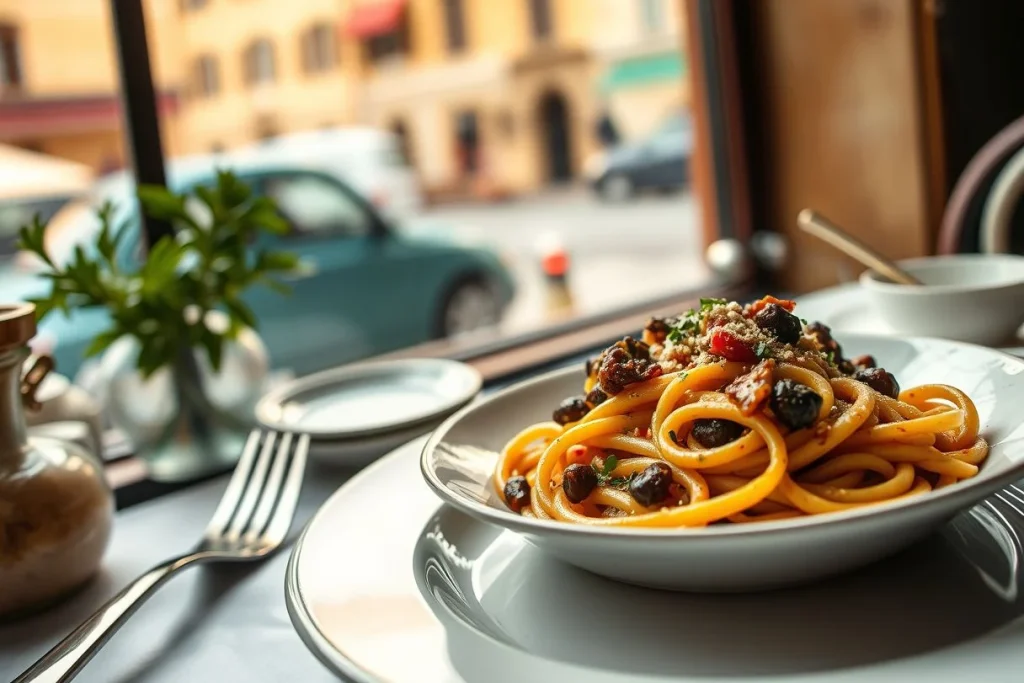
Standout reason: Bologna puts Emilia-Romagna’s most recognisable dishes within a compact historic centre. Order tagliatelle al ragù, tortellini and mortadella, then browse the Mercato di Mezzo and the surrounding Quadrilatero, a historic food quarter highlighted by Bologna’s tourism materials.
Best for: travellers who want a pasta-focused city break, a cooking class or a food-history-led walking tour. Plan 2 days for the market quarter, several meals and a longer sit-down lunch. Book classes and well-known restaurants in advance; use the official market information for current schedules, and ask about fillings, dairy and meat if you have dietary restrictions.
3. Naples — best for pizza and street food
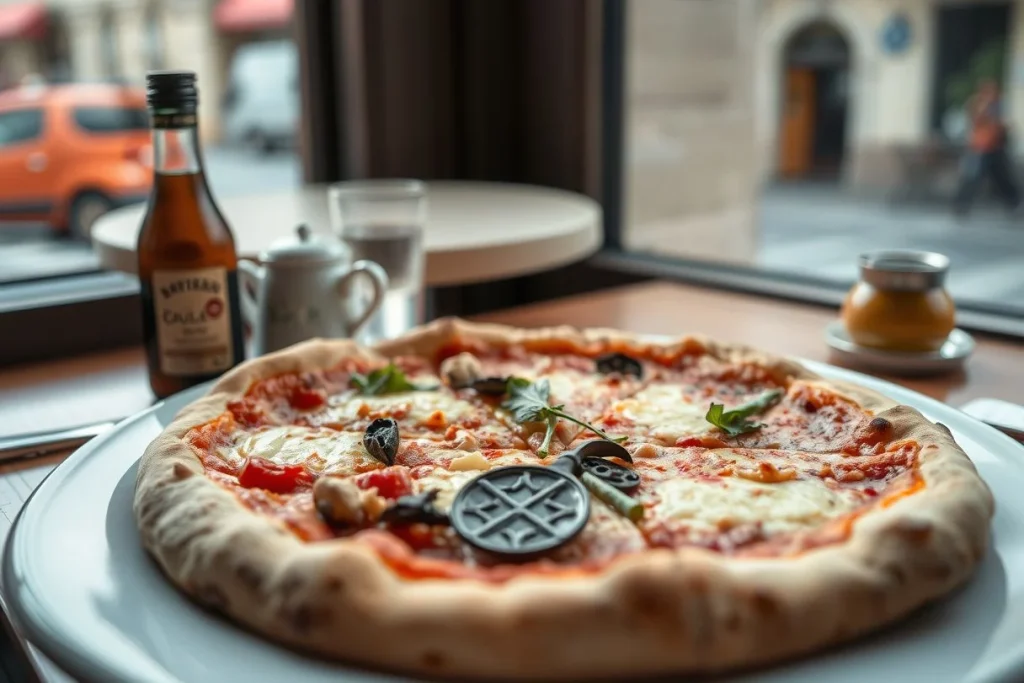
Standout reason: Naples is the choice for travellers who want pizza at the centre of the trip, with informal street food providing a natural second course. The traditional art of the Neapolitan pizzaiuolo was recognised in Italy’s UNESCO intangible cultural heritage entries on 29 March 2024, giving the city’s pizza tradition a clear cultural context.
Best for: casual eaters, short breaks and visitors who would rather sample several inexpensive dishes than schedule formal meals. Allow 1.5–2 days; add a cooking class if you want more than a succession of pizzerias. Popular venues may require planning, and crowded food streets can be difficult for visitors with mobility limitations. Confirm ingredients in fried snacks and carry translated allergen information when necessary.
4. Lyon — best for classic French regional cooking
Standout reason: Lyon combines traditional bouchons with the market-led experience of Halles Paul Bocuse, which the city’s tourism authorities associate with Lyon’s gastronomic supply chain. Look for regional French cooking, charcuterie, rich sauces and market produce rather than treating the city as only a fine-dining stop.
Best for: travellers interested in French culinary traditions and food markets. Allow 2 days for a bouchon meal, Halles Paul Bocuse and a food tour through the central districts. Reserve sought-after restaurants, especially for evening meals, and check each market’s official schedule before setting out: fresh-produce markets usually concentrate their trading in the morning and early afternoon.
5. Barcelona — best for markets and Catalan food
Standout reason: Barcelona gives food travellers a strong market anchor alongside Catalan cooking and creative tapas. La Boqueria, formally Mercat de Sant Josep, is the city’s principal historic market and a major visitor food market on La Rambla; it works well as one stop in a wider route rather than as the whole food itinerary.
Best for: travellers combining sightseeing with market browsing, small plates and neighbourhood eating. Allow 2–3 days to include La Rambla, the market and meals beyond the most visited streets. Go to fresh markets earlier in the day, check current official hours and vendors, and book any cooking class or high-demand restaurant. La Boqueria and older quarters can be crowded and uneven, so check accessibility details in advance.
6. Madrid — best for an evening tapas crawl
Standout reason: Madrid is particularly good for building an evening around tapas, moving from one small dish to the next and choosing between casual bars and more polished dining. Mercado de San Miguel provides a central food-hall anchor with a modern stall format and changing vendors, as described by Turismo Madrid.
Best for: travellers who want range rather than one defining dish, including tapas, market snacks and upmarket restaurants. Plan 2 days; keep the market for a flexible stop and reserve any restaurant that matters to the trip. Food halls may run later than fresh-produce markets, but schedules and vendors change, so check official listings. Ask about ingredients in shared tapas if you have a severe allergy.
7. Paris — best for patisserie, cheese and market culture
Standout reason: Paris suits travellers who want to combine patisserie, cheese shops, classic French cooking and different styles of market. Marché d’Aligre, also known as Beauvau Market, is a mixed produce and covered market in the 12th arrondissement, making it a useful counterpoint to the city’s famous pastry addresses.
Best for: a first European food trip with room for both planned meals and spontaneous browsing. Allow 2–3 days, longer if fine dining is central to the plan. Reserve tasting menus and popular restaurants, while visiting fresh markets in the morning or early afternoon after checking their official schedules. Market aisles and historic food shops may not be fully accessible; ask venues directly about access and allergens.
8. Rome — best for Roman classics and neighbourhood eating
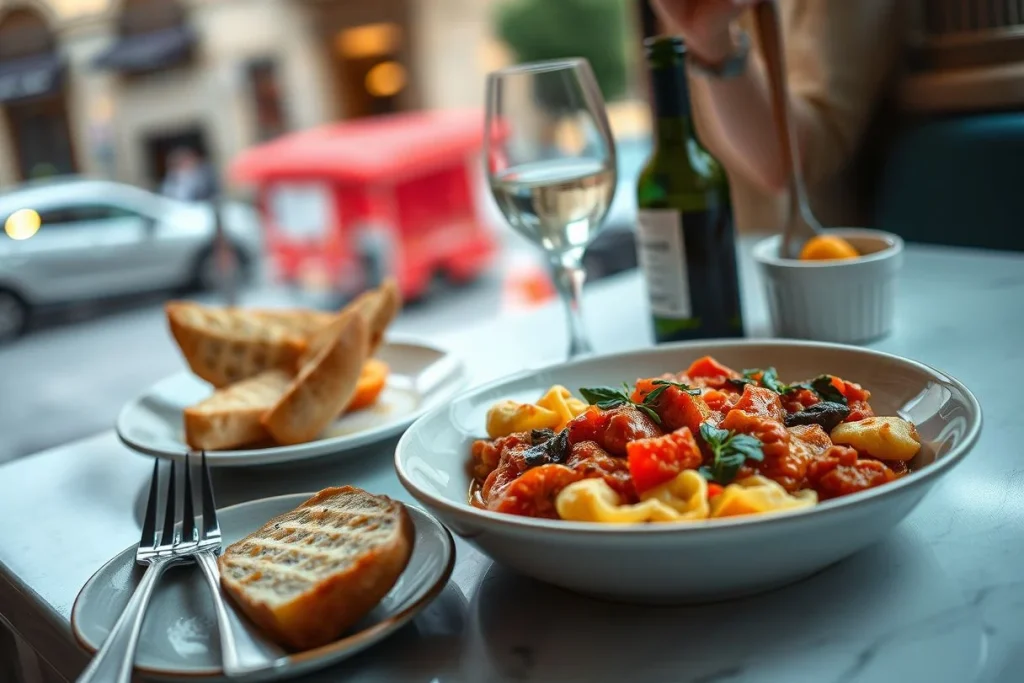
Standout reason: Rome makes its food identity legible through a short list of dishes and neighbourhoods. Build meals around carbonara and cacio e pepe, then browse or eat around Campo de’ Fiori, Trastevere and the Jewish Ghetto; Campo de’ Fiori is a historic open-air market, with these food-focused districts nearby.
Best for: travellers who want classic pasta, a market stop and plenty of informal meals between major sights. Allow 2–3 days. Book a food tour or any restaurant that is a specific priority, but leave space for casual trattoria meals. Campo de’ Fiori is best treated as a market visit rather than a guarantee of a full meal, so check current market information and ask about ingredients in pasta sauces, fried foods and desserts.
9. Lisbon — best for seafood, pastries and food-hall dining
Standout reason: Lisbon is a practical city for combining seafood, pastries and informal market-hall dining. Mercado da Ribeira was requalified and reopened with the Time Out Market concept in 2014; its location near Cais do Sodré makes it an easy anchor for a first day, while pastéis de nata and traditional seafood broaden the itinerary beyond one venue.
Best for: first-time food travellers, market fans and visitors who want a flexible choice of stalls. Plan 2 days. Use food halls for later, adaptable meals and check the official market schedule before travelling; fresh-produce markets generally finish earlier. Book a cooking class or restaurant separately, and check access around steep streets and older quarters if mobility is a concern.
10. Copenhagen — best for New Nordic dining
Standout reason: Copenhagen belongs on this list for its New Nordic food identity and high-end dining reputation. It is the strongest choice for travellers who care about tasting menus, contemporary technique and carefully sourced seasonal cooking rather than a single traditional dish.
Best for: a planned food-focused weekend with room in the budget for exceptional dining. Allow 2–3 days, reserving priority restaurants and checking current menus before committing. Market offerings and restaurant statuses require verification before travel, so consult official venue information rather than relying on an old guide. Ask about substitutions and allergens in advance; a tasting menu may be less flexible than casual market eating.
Across all ten cities, a useful rule is to visit produce markets in the morning or early afternoon and treat food halls as the more flexible option later in the day. Check official market websites for current opening days, holiday closures and vendor information before travelling, particularly for a June-to-August or December trip.
At a glance: compare the top European food destinations
These ten cities cover distinct food trips rather than one uniform definition of “best”: compact bar-hopping, market grazing, regional cooking, street food and high-end tasting menus. The budget labels are directional; prices vary by neighbourhood, ordering and drinks.
| City | Signature food experience | Best for | Ideal trip length | Budget feel | Market or food-quarter anchor | Advance-booking pressure |
|---|---|---|---|---|---|---|
| San Sebastián | Pintxos crawl and fine dining | Short, concentrated tasting trips | 2–3 days | Mixed | Parte Vieja and Gros | High for destination restaurants |
| Bologna | Tagliatelle al ragù, tortellini and mortadella | Pasta and food history | 2–3 days | Casual-friendly | Quadrilatero and Mercato di Mezzo | Moderate |
| Naples | Neapolitan pizza and street food | Informal, dish-led eating | 2–4 days | Casual-friendly | Historic centre | Low to moderate |
| Lyon | Bouchons and French regional cooking | Classic gastronomy | 2–3 days | Mixed | Halles Paul Bocuse | Moderate |
| Barcelona | Catalan food, markets and creative tapas | Food combined with sightseeing | 3–4 days | Mixed | La Boqueria on La Rambla | Moderate to high |
| Madrid | Tapas and late-evening grazing | Broad casual-to-upmarket eating | 3–4 days | Mixed | Mercado de San Miguel | Moderate |
| Paris | Patisserie, cheese and classic French food | Variety and market culture | 3–5 days | Mixed to premium | Marché d’Aligre, or Beauvau Market | High for sought-after restaurants |
| Rome | Carbonara, cacio e pepe and Roman trattorias | Neighbourhood eating | 3–4 days | Mixed | Campo de’ Fiori, Trastevere and the Jewish Ghetto | Moderate |
| Lisbon | Seafood, pastries and food-hall dining | Accessible first food trip | 3–4 days | Casual-friendly | Mercado da Ribeira and Time Out Market | Moderate |
| Copenhagen | New Nordic cuisine | High-end dining | 3–4 days | Premium-leaning | Torvehallerne | High; verify current listings |
Estimated food costs: on the 2024–2026 guide basis, market snacks or street-food portions are around €3–12; casual tapas, pintxos or equivalent dishes generally €10–30; mid-range meals approximately €20–50; and tasting menus about €80–250, rising to roughly €250–350+ for luxury dining. These are indicative ranges across the shortlisted cities, per snack or person as applicable, and exclude exceptional wine orders. Check current menus and restaurant websites before booking.
How to choose the right food city for your travel style
Choose by the food you most want to eat
For a first food trip with little wasted time, choose San Sebastián. Pintxos are concentrated in Parte Vieja and Gros, so two nights can support a compact crawl through small bars without building every meal around a long transfer. It suits travellers who enjoy grazing and sharing; choose Naples instead if pizza and informal street food are the main point of the trip.
Naples is the clearest choice for pizza, while Bologna is stronger for pasta and culinary heritage. In Bologna, plan around tagliatelle al ragù, tortellini and mortadella, with the Quadrilatero and Mercato di Mezzo providing a compact food focus. Madrid works better for a sociable evening of tapas, and its central Mercado de San Miguel offers a modern food-stall format, although its vendors change.
Barcelona suits travellers who want markets alongside sightseeing: La Boqueria, also known as Mercat de Sant Josep, sits on La Rambla and is the city’s principal historic market. Choose Lyon or Paris for classic French food: Lyon for bouchons and Halles Paul Bocuse, Paris for patisserie, cheese and wider market variety, including Marché d’Aligre in the 12th arrondissement.
Rome is the choice for carbonara, cacio e pepe and neighbourhood wandering around Campo de’ Fiori, Trastevere and the Jewish Ghetto. Lisbon offers an easier mix of seafood, pastéis de nata and food-hall dining around Mercado da Ribeira and Time Out Market, while Copenhagen is aimed at travellers specifically seeking New Nordic cuisine and high-end dining. For Copenhagen, verify current restaurant and market offerings before committing.
Match the city to your budget
Market-led trips usually cost less than tasting-menu itineraries, particularly when breakfast comes from a bakery and lunch from a market or casual counter. Naples, Bologna, Lisbon and Madrid are practical starting points for travellers who want several informal meals; Copenhagen and Paris generally call for a larger food budget, especially once fine dining is added.
San Sebastián can work at different spending levels, but a pintxos crawl becomes more expensive when every stop includes several plates and drinks. Lyon, Rome and Barcelona sit between those extremes: combine one carefully chosen restaurant with markets, bakeries and neighbourhood meals rather than booking every dinner at the top end.
Allow enough time for the kind of trip you want
Two nights suits one concentrated theme: pintxos in San Sebastián, pizza in Naples or pasta in Bologna. Three to four nights gives you room for a market morning, a second food neighbourhood and a cooking class or food tour, without turning the itinerary into a sequence of reservations.
With more time, add a fine-dining reservation and a day trip, but protect at least one unplanned meal. Fresh-produce markets in these cities generally operate from morning into early afternoon, while food halls may continue later; check the individual market’s official schedule before designing a route.
Plan around dietary needs
Vegetarian and vegan travellers will usually find more choice in cities with broad contemporary dining scenes, but traditional specialities often rely on meat, dairy or fish. Do not assume that a market stall can adapt a dish or manage cross-contamination.
Travellers with severe allergies should ask directly about ingredients and carry translated allergen information, as advised in the supplied travel guidance. Check individual venue accessibility statements too: historic markets and food quarters may have uneven surfaces or limited access.
Book the parts that are difficult to replace
- Reserve high-demand tasting menus, popular small restaurants and cooking classes before departure; leave casual markets and bakeries flexible.
- Confirm market days, holiday closures, current vendor lists and accessibility on the official market or municipal website.
- Check restaurant status, menus and any Michelin recognition directly, particularly in Copenhagen and for other fine-dining plans.
- Review current transport information and official travel guidance, including nationality-specific entry rules, before booking.
Conclusion: choose the food experience you most want to eat
Choose the city that matches the meal you most want to remember. San Sebastián is the clearest choice for a compact first food trip built around pintxos; choose Bologna for a pasta-focused Italian mission or Naples if pizza is the priority. Paris, Barcelona and Madrid suit travellers who want a broader city break alongside several eating styles.
Make the decision practical: select one city, then write down two or three non-negotiable experiences, such as a Parte Vieja pintxos crawl, handmade tortellini or a Roman pasta dinner. Book only the high-demand element—usually a sought-after restaurant, cooking class or guided food tour—and keep the rest flexible for bakeries, markets and neighbourhood discoveries. Before departure, check the chosen market’s official schedule and confirm the restaurant or tour directly.
Frequently asked questions
Which European city is easiest for a first food-focused city break?
San Sebastián is the clearest choice if you want a compact, food-led introduction: pintxos bars are concentrated in Parte Vieja and Gros, making it practical to explore on foot through a series of small tastings. Start with the city’s official tourism guidance and check individual venues before travelling, as restaurant details can change. See San Sebastián Travel.
How many days should I allow for a food trip to one of these cities?
Allow at least two full days for a focused city break, then add time if you want both markets and a booked restaurant or food tour. San Sebastián’s concentrated pintxos quarters suit a shorter visit; Paris, Rome, Barcelona and Madrid reward a longer stay because eating areas and market experiences are more spread out. Treat this as planning guidance rather than a fixed rule, and verify current restaurant schedules.
Where should I go for the best markets and street-food atmosphere?
Choose Barcelona for a major historic market experience at La Boqueria, also known as Mercat de Sant Josep, on La Rambla; Madrid for the modern food-stall format of Mercado de San Miguel; or Lisbon for Mercado da Ribeira and its Time Out Market concept. For traditional market browsing, consider Paris’s Marché d’Aligre, also called Beauvau Market. Fresh-produce markets generally favour mornings and early afternoons, so check official schedules before going. See Turisme de Barcelona, Turismo Madrid and VisitParisRegion.
Which destinations work especially well for vegetarians and vegans?
The supplied evidence does not establish a reliable vegetarian or vegan ranking among these cities. Barcelona, Madrid, Lisbon and Copenhagen offer different market and restaurant formats, but menus, vendors and dietary provision change, so check current menus directly rather than relying on a city-wide label. Travellers with severe allergies should ask about ingredients and carry translated allergen information, as recommended in the supplied travel guidance.
Are cooking classes and food tours worth adding to a short trip?
They can be worthwhile when you want context as well as meals, particularly in cities with a strong, clearly defined food identity: pasta in Bologna, pizza in Naples, pintxos in San Sebastián or bouchons and market culture in Lyon. On a short visit, choose one tour or class rather than several. Check the operator’s current itinerary, dietary options, cancellation terms and accessibility before booking.
Can I combine two of these food cities in one European itinerary?
Yes, combining two cities works well when the contrast is intentional: Bologna and Naples for pasta and pizza, San Sebastián and Barcelona for northern Spanish pintxos and Catalan food, or Lyon and Paris for regional and classic French cooking. Keep the itinerary to two bases if food is the priority, and verify current transport, restaurant openings and market schedules before booking. Entry requirements vary by nationality, so check official government or embassy guidance.