
In a Venetian bàcaro, cicchetti turn the evening meal into a sequence of small plates. Look for sarde in saor. Bologna offers a different choice: tagliatelle al ragù is fresh egg pasta with slow-cooked ragù, while tortellini in brodo comes in broth. Geography, local produce, history and inherited craft shape what belongs on an Italian plate.
This guide helps food-focused travellers plan what to eat in Italy beyond a generic list of famous dishes. Match regional specialities with the places where they make sense, from Pizza Napoletana in Campania and risotto alla Milanese in Lombardy to arancini, pasta alla Norma and cannoli in Sicily. You’ll also find ways to choose between markets, bàcari, trattorie, pizzerias and hands-on cooking classes, while accounting for seasonal menus, dietary questions and the need to check current opening times or availability.
Quick answer: Start with tagliatelle al ragù or tortellini in brodo in Emilia-Romagna, Pizza Napoletana in Campania, risotto alla Milanese in Lombardy and cicchetti in Veneto. In Sicily, look for arancini, pasta alla Norma and cannoli. For market eating, consider Mercato Centrale Firenze, Mercato di Testaccio, Mercato di Porta Palazzo or Ballarò; Florence, the Amalfi Coast, Positano and Sicily offer food tours and cooking classes, but you should check current schedules and availability before booking.
What defines Italian regional food?
Planning meals by region is the most reliable way to understand Italian regional food. Italy’s national tourism agency, Italia.it, describes the country’s cuisine as a mosaic of traditions shaped by geography, local produce, history and inherited craft. That makes a Bologna lunch, a Naples pizza and a Palermo market snack distinct experiences rather than variations on one national menu.
Landscape explains much of the difference. Mountain areas have developed around hardy crops, dairy and preserved foods; fertile plains support grains, rice and vegetable growing; coastlines bring fish and seafood into everyday cooking. Island climates and long trading histories have also influenced Sicily’s use of produce, sweets and street-food techniques. These are useful starting points, not rigid boundaries: neighbouring cities can favour different pasta shapes, sauces or cooking methods.
In Emilia-Romagna, fresh egg pasta and filled pasta are central to the table. Regional tourism and culinary institutions identify tagliatelle al ragù and tortellini among the area’s emblematic dishes, with Bologna a natural place to look for both. Campania is associated with pizza and buffalo mozzarella, while Lombardy’s cooking includes rice-based dishes such as risotto alla Milanese. In Veneto, small plates and preserved fish point towards the bàcaro tradition, where cicchetti offer a flexible way to taste several preparations.
Sicily brings another set of contrasts: market snacks, sweets, seafood and intensely local produce. Palermo, Catania and Taormina make useful food anchors, but the same dish may change from one town or family kitchen to the next. Treat the recommendations in this guide as traditions and places to look for them, not guarantees that every dish is served everywhere. Recipes, market activity and ingredients can also shift with the season, so check current details before building an itinerary around a particular food experience.
Best regional dishes in Italy: what to order and where
Emilia-Romagna: Bologna’s pasta traditions
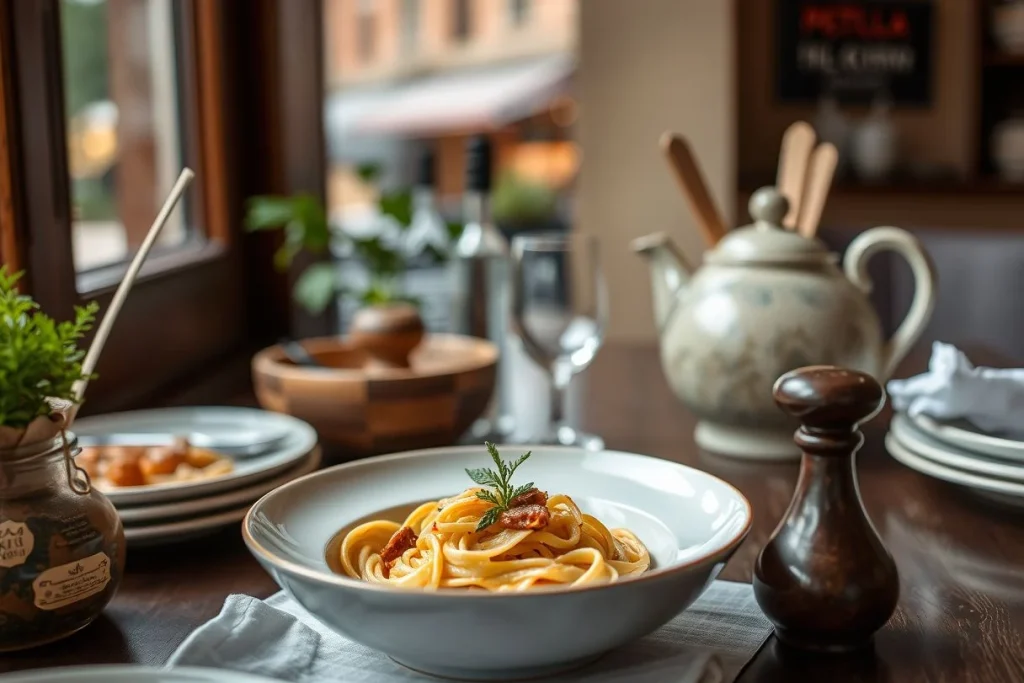
In Bologna, start with the dishes that make Emilia-Romagna food so recognisable. Tagliatelle al ragù pairs fresh egg pasta with a slow-cooked ragù; the broad ribbons are part of the point, giving the sauce a substantial surface to cling to. Emilia-Romagna Tourism documents both tagliatelle al ragù and tortellini among the region’s emblematic first courses.
Tortellini in brodo takes a different direction: small stuffed pasta served in broth, with the filling and the broth carrying the flavour rather than a heavy sauce. On a Bologna menu, ask whether the pasta is served in brodo or with another preparation, and treat the traditional form as a regional reference rather than assuming every kitchen follows one recipe. Emilia-Romagna Tourism’s guide to regional first courses is a useful reference before travelling.
Campania: Naples and the Neapolitan plate
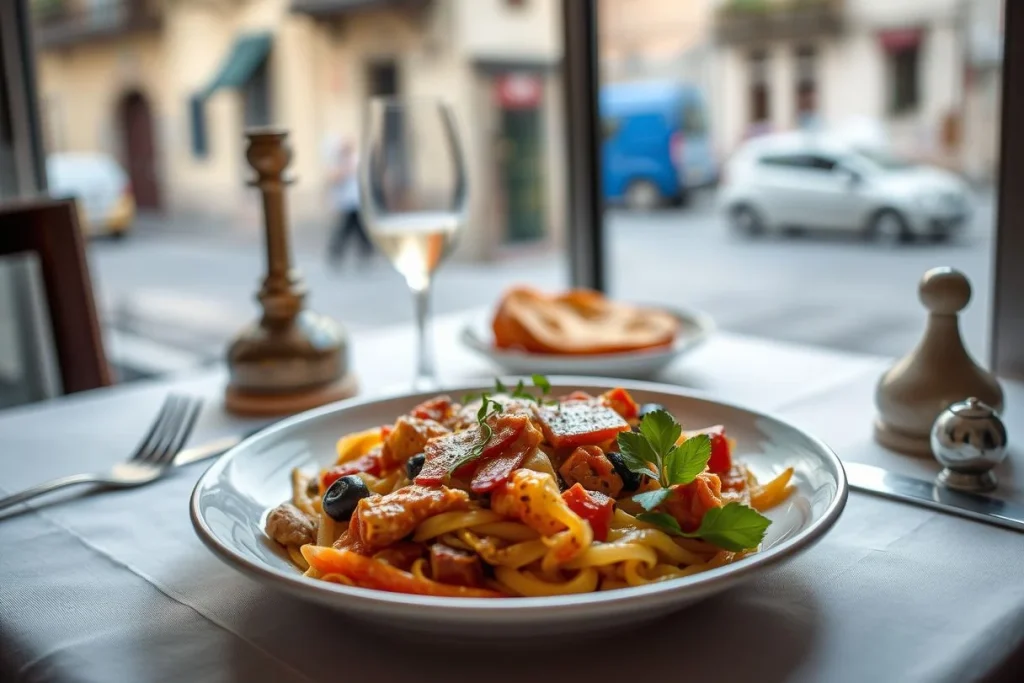
Pizza Napoletana is the order to make in Naples when you want Campania’s most recognisable speciality in its home city. Expect a soft, blistered crust rather than a crisp, thin base; choose a reputable pizzeria and eat it fresh rather than treating it as takeaway food that can sit for hours.
Also look for Mozzarella di Bufala Campana PDO from a reputable pizzeria or producer. The PDO designation identifies a protected regional product, but it does not mean that every mozzarella sold in a tourist area will suit the same meal. If you are travelling through Campania beyond Naples, Positano and the Amalfi Coast make useful bases for comparing local produce with the city’s pizza tradition.
Lombardy: Milan’s saffron-coloured rice
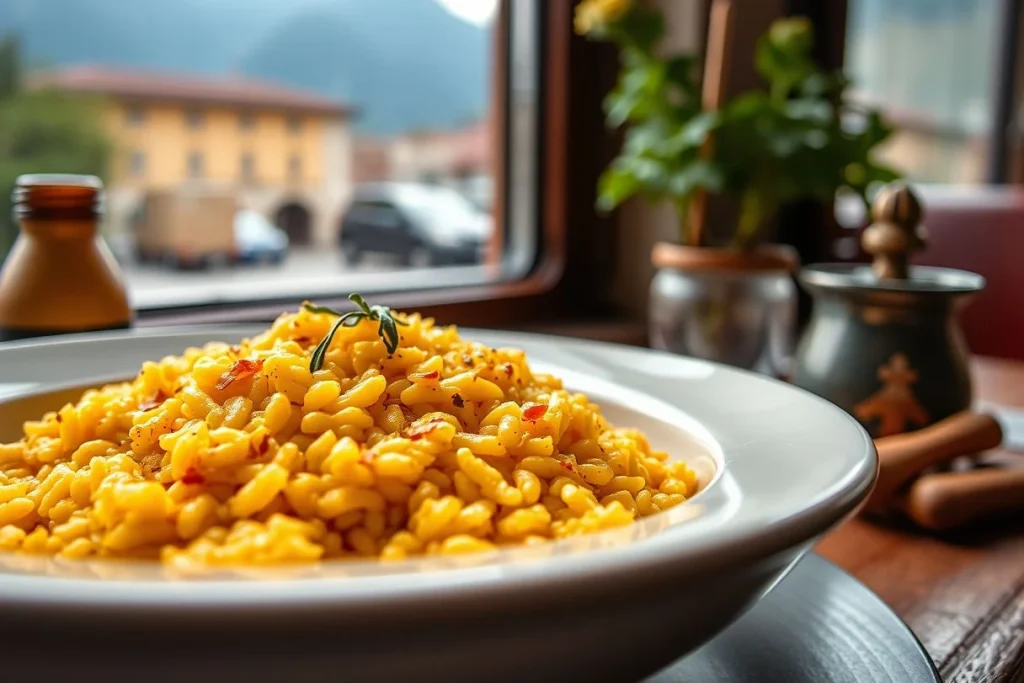
Risotto alla Milanese is the dish to seek in Lombardy, particularly around Milan. Its saffron gives the rice its distinctive colour and a flavour that is more focused and aromatic than the name “risotto” alone suggests. Order it as a regional speciality rather than as a generic rice dish, and check whether the kitchen serves it as a complete plate or alongside another course.
Veneto: small plates in a bàcaro
Venetian eating is well suited to grazing. In a bàcaro, look for cicchetti: small plates and snacks designed to be ordered in several rounds rather than consumed as one large meal. This is a practical format for trying more than one local flavour, especially when you want an informal stop between walks through Venice.
Among the dishes to look for is sarde in saor, sardines prepared with the sweet-and-sour character associated with Venetian cooking. Availability and presentation vary, so ask what is prepared that day. A bàcaro is the setting to prioritise when the aim is to sample rather than commit to a long, formal meal.
Sicily: street food, pasta and sweets
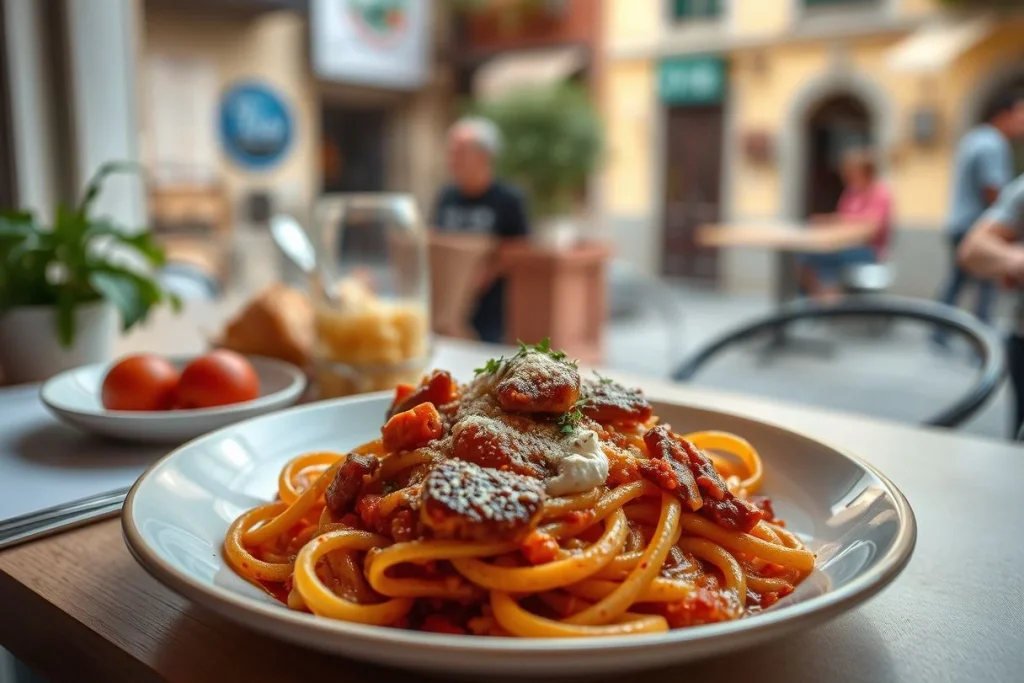
Sicily rewards a city-by-city approach. In Palermo, historic Ballarò market is a recognised centre for Sicilian street food, making it a natural place to look for panelle, chickpea fritters, and sfincione, a thick, soft style of Sicilian pizza. Follow the market’s current vendor activity rather than expecting every stall to offer the same selection.
In Catania and elsewhere on the island, try arancini, fried rice parcels whose shape, filling and name can vary by location. Pasta alla Norma is associated with Sicilian cooking and brings together pasta with the island’s familiar aubergine-and-tomato profile. In Taormina, Catania or Palermo, finish with a cannolo; shells and fillings differ between pastry shops, so ask what has been prepared recently.
Sicily’s food experiences also extend to seafood, sweets and local products. Italia.it’s material on the area around Etna and Taormina is a useful starting point for matching a route with seasonal food activities, but check current menus and availability before reserving a class or tour.
| Region | City or setting | Dish | What to expect | Ordering cue |
|---|---|---|---|---|
| Emilia-Romagna | Bologna | Tagliatelle al ragù | Fresh egg pasta with slow-cooked ragù | Ask for the traditional pasta-and-ragù pairing |
| Emilia-Romagna | Bologna | Tortellini in brodo | Stuffed pasta served in broth | Confirm that it is served in brodo |
| Campania | Naples | Pizza Napoletana | Soft, blistered crust | Choose a reputable pizzeria and eat it fresh |
| Lombardy | Milan | Risotto alla Milanese | Saffron-coloured rice | Ask how the kitchen serves it as a course |
| Veneto | Venice bàcaro | Cicchetti and sarde in saor | Small plates for grazing, including marinated sardines | Order several small portions over more than one round |
| Sicily | Palermo, Catania or Taormina | Arancini, pasta alla Norma and cannoli | Street food, pasta and sweets with local variations | Ask about the day’s fillings and preparation |
Use the table as a planning shortlist, not a fixed menu. Regional Italian cuisine changes with produce, local custom and family technique; market stalls and kitchens can also alter their offering by season. Before making a special journey, check the venue’s current menu or contact the producer directly.
Where to eat: Italy’s markets, food areas and venue types
Choose the setting before choosing the dish
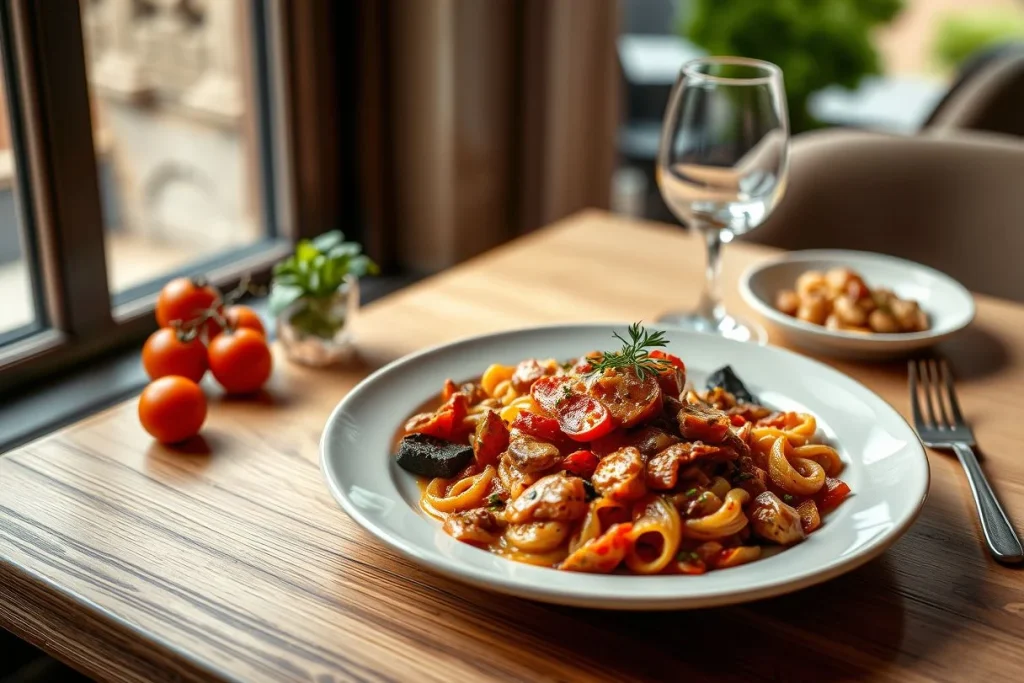
Markets are the most flexible choice when you want to browse, compare small portions and follow what looks freshest. Sit-down neighbourhood eating is better when a dish needs time and attention, while a venue label can help you understand the style of meal without treating it as a guarantee of quality. Menus, vendors and local customs vary, so use these categories as a starting point rather than a fixed promise.
| Setting | Best for | Check before visiting |
|---|---|---|
| Indoor market | Several tastes in one stop, including prepared food | Current market information, stall listings and seating |
| Open-air market | Produce, cheese, fish and street-food browsing | Access, transport and the day’s vendor mix |
| Historic food market | Local specialities and informal Sicilian or Roman eating | Current opening details and event listings |
| Trattoria, bàcaro or enoteca | A slower meal or small plates with regional character | Menu, service format and whether reservations are accepted |
Markets for browsing and street food
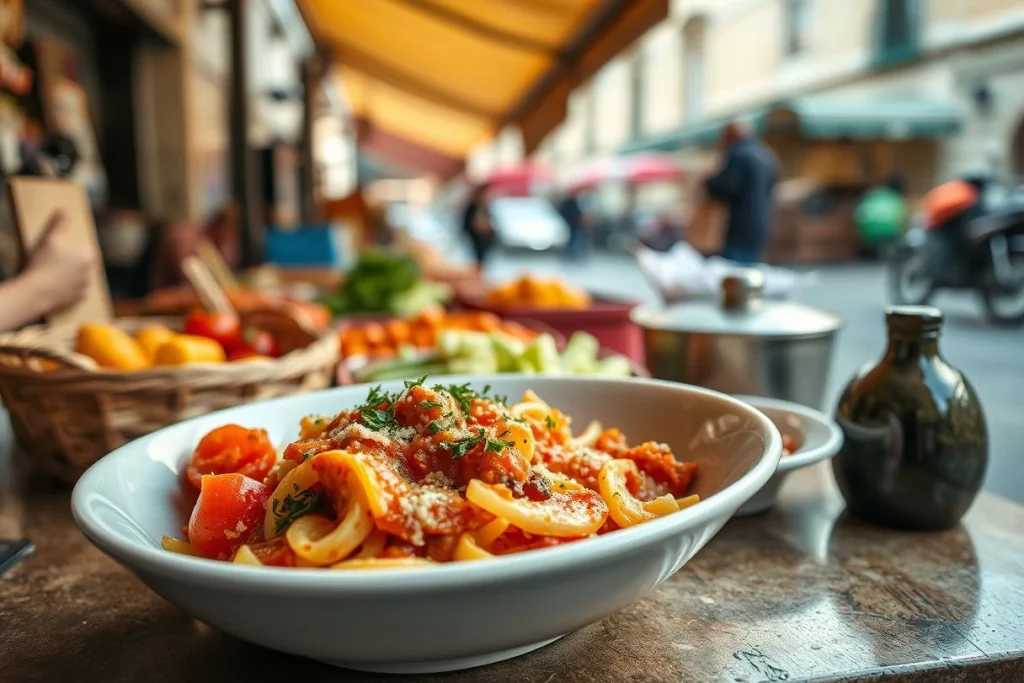
In Florence, Mercato Centrale Firenze is a practical first stop: it is an indoor market with food stalls and an upper-floor food court. It suits travellers who want to sample Tuscan products in one place, particularly in poor weather or when a group cannot agree on a single dish. Check the market’s official information for its current access, stall selection and operating details.
Rome’s Mercato di Testaccio combines permanent stalls with small eateries and food-related events. It is a useful choice for Roman street-food browsing rather than a formal, multi-course lunch. The market’s official site should be checked for current opening hours, closures and event dates; its news and events page is the relevant place to verify the calendar.
Turin’s Mercato di Porta Palazzo is a major open-air market with produce, cheese, fish and multicultural food stalls. Choose it when you want to see how everyday shopping and prepared food overlap, rather than a curated food hall. Transport connections are documented by turin.de, but check current access and route information before setting out.
For Sicilian street food, Palermo’s Ballarò is the clearest market anchor in this guide. The historic market is associated with panelle, sfincione and other local bites, as Italia.it explains. Go with time to look, ask what has been prepared that day and confirm ingredients directly if you have an allergy.
What the venue names usually mean
A trattoria generally suggests an informal restaurant with a regional menu; an osteria may focus on simple food and wine, though the distinction is not strict. A ristorante usually signals a more formal format, while a pizzeria centres on pizza and an enoteca on wine with accompanying food.
In Venice, look for a bàcaro, the traditional setting for cicchetti and small plates. These labels describe the intended style more reliably than quality, so read the current menu and ask about the day’s dishes. For a special meal, reserve directly with the venue and confirm its hours rather than relying on an old listing.
Food tours and cooking classes: which experience suits your trip?
Choose a food tour if you want context and variety: a guide can connect several dishes with a market, neighbourhood and local eating habits without asking you to spend an entire meal in one place. This format suits a first visit to a city or a traveller deciding which regional specialities deserve a longer meal. Confirm the meeting point, walking distance, language and final tasting list before booking; “food tour” can cover anything from a few samples to a substantial progression of dishes.
A market-and-class experience is the most useful middle ground. In Florence, look for a format that starts with a market visit, moves into fresh-pasta preparation and ends with a shared lunch. Mercato Centrale Firenze is an indoor market with food stalls and an upper-floor food court, but the market itself is not proof that a particular class runs there. Verify the named operator, meeting point and current schedule rather than booking from a generic description.
Hands-on classes by destination

Choose a class when you want to understand technique as well as taste. In Positano or elsewhere on the Amalfi Coast, typical formats combine pasta preparation with garden or farmhouse produce, mozzarella, limoncello and a sit-down tasting; these are common elements, not guaranteed inclusions. Compare the current descriptions from Positano.com’s Amalfi Coast cooking-class guide and, where relevant, the individual farm or host listed there. A hillside venue may offer a memorable setting but require extra transport, so check the transfer plan before committing.
Sicily gives you a more focused choice. In Catania, Taormina or nearby areas, look for classes centred on cannoli, seafood, pistachios or capers rather than a generic “Italian menu”. Italia.it’s Etna–Taormina itinerary reflects the area’s links with sweets, seafood and local products; use it as regional context, then verify the current class directly.
For any Italian cooking class or food tour, check the date, meeting point, transport, group size, teaching language, accessibility and cancellation terms. Ask whether ingredients, tastings and the meal are included, and disclose allergies or dietary restrictions before paying. June to August and December are peak travel and demand periods, so availability and seasonal operation can change; confirm directly with the operator, especially for small-group classes and countryside venues.
Italian food etiquette: ordering, coperto and tipping
Italian menus may be organised around antipasto, primo, secondo, contorno and dessert, but ordering every course is not expected. Choose what suits your appetite: a primo such as pasta or risotto can be a complete light meal, while a secondo is usually accompanied by a separately ordered side dish. In a trattoria, ask politely, “Qual è il piatto del giorno?” for the daily special, or “Di quale regione è questo piatto?” when you want to understand its local context.
Be precise about ingredients rather than relying on a dish name. Broth, cured meat, lard, cheese and seafood can appear in sauces, fillings or cooking fats, including in dishes that do not sound meat- or fish-based. For a serious allergy, tell the server before ordering and carry a translated allergy card; ask the vendor or kitchen directly, since recipes vary.
Read the bill before paying. Coperto is a cover charge, not a voluntary tip, while servizio indicates a service charge; their presence and wording can vary, so check what has already been added. Italia.it’s guidance says tipping is not compulsory in Italy: if the service satisfied you, you may round up or leave a small amount. This is separate from any coperto or servizio already shown on the bill, according to Italia.it’s guidance on payments and tipping.
Payment habits also differ between venues. If the bill is unclear, ask “È incluso il servizio?” before paying, and confirm whether separate payments are accepted rather than assuming.
Seasonal dishes and dietary needs: how to plan with confidence
Italian regional food follows the calendar more closely than a fixed menu suggests. Produce, market activity, class availability and local events can change with the season, particularly during the peak travel periods of June to August and December. Before travelling, check the official market page for current opening information and events, and confirm menus, operating dates and booking terms directly with a class provider. This matters especially for experiences in Sicily, where food activities may centre on sweets, seafood or local products around Catania and Taormina, as Italia.it’s regional guide illustrates.
Vegetarian eating is possible, but it is region- and venue-dependent; vegan choices require more careful checking. A dish that appears vegetable-based may still contain cheese, cured meat, lard, seafood or a sauce made with animal products. Broths are particularly important to question before ordering, as are fillings, ragù and fried foods.
For a serious allergy, tell the vendor or class operator before ordering and ask them to confirm every ingredient and preparation surface rather than relying on a menu label. Carry a translated allergy card, and contact the operator in advance if you are joining a cooking class: the group menu, substitutions and cross-contact arrangements may not be clear from the booking page. Treat family recipes and market dishes as variable, not standardised, and recheck details shortly before departure.
Conclusion: choose one region, then eat your way through it
Make the trip manageable by choosing one food base, then building around it. Stay in Bologna for tagliatelle al ragù and tortellini in brodo; choose Naples for Pizza Napoletana; use Rome’s Testaccio for market-led Roman eating; or base yourself in Palermo for arancini, panelle, sfincione and other Sicilian street foods.
Plan two or three named specialities, one market visit and, if time allows, one hands-on class. A Florence market-and-pasta format suits a short city break, while an Amalfi Coast class adds garden produce, mozzarella and limoncello to the lesson. Before committing, check the market’s official opening information and the operator’s current menu, schedule, group size and booking terms, then reserve the class or tour if required.
Frequently asked questions
Which Italian region is the best choice for a first food-focused trip?
Emilia-Romagna is a strong starting point if your priority is traditional pasta: regional tourism sources identify tagliatelle al ragù and tortellini among its emblematic first courses. Base yourself in Bologna and use the region as a focused introduction to Italian regional food rather than trying to cover the whole country. The right choice still depends on whether you prefer pasta, pizza, seafood, sweets or market eating.
Can I enjoy Italian markets and food tours if I do not speak Italian?
You can plan around recognisable food anchors such as Ballarò in Palermo, Mercato Centrale Firenze and Mercato di Porta Palazzo in Turin, but the supplied sources do not confirm language support at individual markets or tours. Check the operator’s current description before booking, especially if you need explanations, dietary guidance or help ordering. For a self-guided visit, save the names of the dishes and products you want to try.
How much time should I allow for an Italian cooking class?
The available sources do not give a reliable standard duration, so do not assume that every Italian cooking class fits into the same part of the day. Formats vary: Amalfi Coast and Positano experiences may combine hands-on pasta preparation with garden or farmhouse produce, mozzarella, limoncello and tastings. Confirm the start time, end time, menu, group size and transport details directly with the operator before booking.
What should I do if a market is closed when I visit?
Check the market’s official website before travelling, since opening hours, closures, vendor listings and events can change. Mercato di Testaccio specifically publishes market information and event updates, while Mercato Centrale Firenze offers official visitor information. If one market is unavailable, use another named food setting in your itinerary, such as Ballarò in Palermo or Mercato di Porta Palazzo in Turin, after checking its current operation.
Is a bàcaro worth visiting if I do not drink wine?
A bàcaro is useful for trying cicchetti, the small plates associated with Venetian grazing, and for looking for sarde in saor. However, the supplied sources do not confirm the drinks policy or alcohol-free range of individual bàcari. Ask what non-alcoholic drinks and food-only orders are available, and check whether the cicchetti contain seafood or other ingredients relevant to your dietary needs.
How can I tell whether a food experience is genuinely regional rather than tourist-oriented?
Look for a clearly named regional menu and an explanation of the local ingredients or techniques, rather than a generic selection of Italian dishes. A class centred on pasta, garden produce, mozzarella and limoncello on the Amalfi Coast, or on Sicilian sweets, seafood and local products around Catania or Taormina, has a more specific regional focus. Confirm the current menu, operator, group size and booking terms before paying.