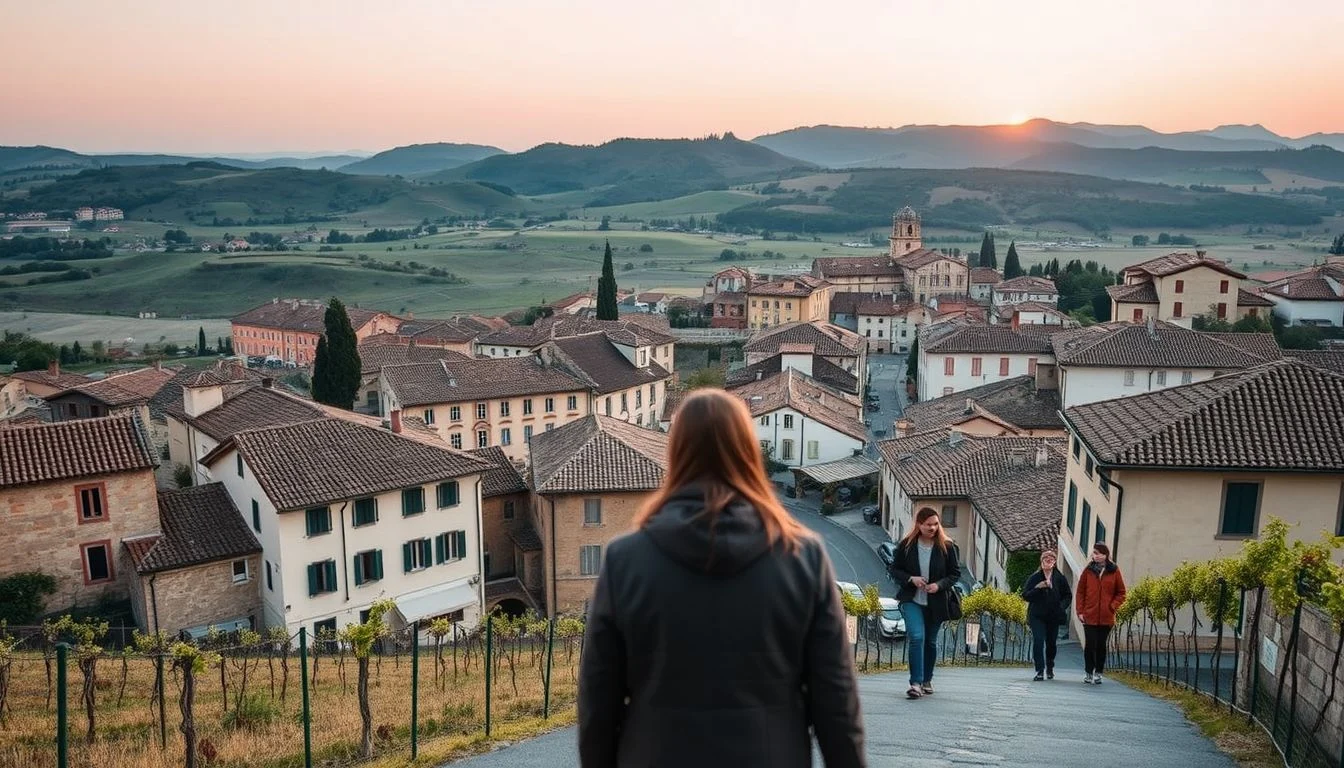
In the Alto Douro Wine Region, vineyards step down steep hillsides towards the Douro River, a landscape inscribed on the UNESCO World Heritage List in 2001. It is one of ten best wine regions to visit when the setting, the meal and the wine all matter as much as the tasting itself.
This guide is for food-focused travellers planning a dedicated wine holiday or adding vineyards to a wider culinary trip. The selection weighs regional wine identity, local dishes and food culture, landscape, visitor infrastructure and seasonality, while making the trade-offs clear: compact routes versus dispersed estates, luxury versus value, and scenic drama versus easy access. You’ll find practical bases, transport context, booking cautions and the regions that suit short breaks, cooking-led itineraries, outdoor travel or high-end dining.
Quick answer: Chianti and broader Tuscany are the strongest all-round choice for a food-led wine holiday, with vineyard landscapes, agriturismo stays, olive oil, cooking classes and links to Brunello di Montalcino and Montepulciano. Rioja is a practical compact European route, while Napa suits luxury travel, Mendoza pairs Malbec with Andes scenery, and the Douro stands out for terraced landscapes, Port and vineyard lunches.
How these wine regions were chosen
This is a curated, source-led selection, not a report of personal testing. A region earns a place because it can support a dedicated food-and-wine itinerary: several worthwhile visits, meals and landscapes rather than one convenient tasting added to a city break.
First, each destination needs a distinctive wine identity that gives the trip a clear focus, from Bordeaux’s classic Cabernet Sauvignon and Merlot to Mendoza’s Malbec, Marlborough’s Sauvignon Blanc and Barossa’s Shiraz. The wine must also connect to place. The UNESCO listing for the Alto Douro Wine Region, inscribed in 2001, is a useful example of landscape and viticulture being inseparable; Marlborough’s regional materials likewise identify it as New Zealand’s largest wine region and a major source of the country’s wine exports.
Second, the shortlist gives serious weight to food culture: vineyard lunches, local produce, markets, cooking classes, agriturismo stays and restaurants where regional wines make sense with the meal. This is why the assessment is broader than a ranking of famous bottles. Visit Tuscany’s Chianti guide, for example, presents wine-and-food experiences as part of the area’s appeal rather than treating cellar doors as isolated attractions.
Two practical tests matter just as much. Can a traveller build a sensible route using a city base, regional transport, a guide or a short drive? And does the area offer enough choice for different budgets and interests? Napa scores highly for organised planning but leans towards luxury; the Douro offers exceptional scenery but its terraces can make access and mobility more demanding. Compact Rioja is easier to combine with a short trip, while Burgundy’s small domaines may require more careful appointment planning.
Finally, seasonality shapes the experience. Northern Hemisphere harvests generally fall around September and October, and Southern Hemisphere harvests around March to May, but current regional calendars should be checked. Peak periods can mean higher prices and fewer tasting appointments. Winery policies vary widely, so the Bordeaux tourism guidance is a useful reminder not to assume that walk-ins are accepted: confirm opening hours, reservations and fees directly with each estate.
10 wine regions worth planning a food-led trip around
Bordeaux
Standout: Cabernet Sauvignon, Merlot and château architecture make Bordeaux the classic choice, with an itinerary that can start in the city. Follow the château-lined routes through the Médoc, then contrast them with Saint-Émilion and Pomerol on the Right Bank. Bordeaux tourism promotes organised half- and full-day vineyard excursions, so you won’t need to drive. Best for: first-time wine travellers who also want Atlantic food, from oysters and seafood to canelé.
Bordeaux works well as a base. Use the official Bordeaux tourism visitor guidance to plan excursions, and fly through Bordeaux-Mérignac Airport. Château visits need advance planning, particularly at smaller or highly sought-after estates. Check each property’s current appointment rules, hours and tasting fee before travelling.
Burgundy
In Burgundy, the relationship between vineyard, village and bottle is central to the trip. Beaune is a useful base for exploring the Côte d’Or, where Pinot Noir and Chardonnay sit alongside serious regional cooking. Add the Hospices de Beaune to a town itinerary, then build meals around coq au vin, escargots and local cheeses rather than treating tastings as the whole holiday.
Best for: experienced food-and-wine travellers who enjoy comparing terroirs and smaller producers. Small domaines often require appointments, so don’t assume walk-ins are possible. Allow time for a deliberate route through the Côte d’Or instead of trying to cover every appellation in a short stay.
Chianti and broader Tuscany
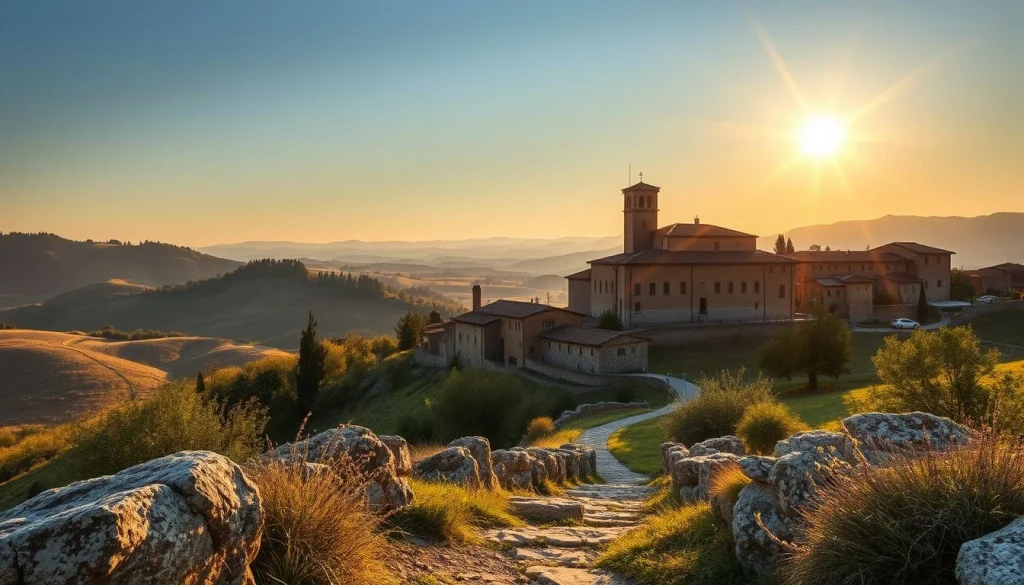
Chianti and wider Tuscany are the strongest all-round choice for a food-led holiday. Chianti Classico brings Sangiovese-led wines and rolling vineyard scenery; Greve and Radda make useful anchors, while Brunello di Montalcino or Montepulciano can extend the route. Visit Tuscany presents Chianti as a core wine area and highlights wine-and-food experiences across the region.
Best for: travellers who want an agriturismo stay, olive oil, cooking classes and long lunches alongside cellar visits. A car or pre-arranged driver makes the countryside easier, while the route’s flexibility suits a first wine trip. Don’t pack too many towns into one day: the pleasure lies in combining one tasting with a market, kitchen or vineyard lunch.
Douro Valley
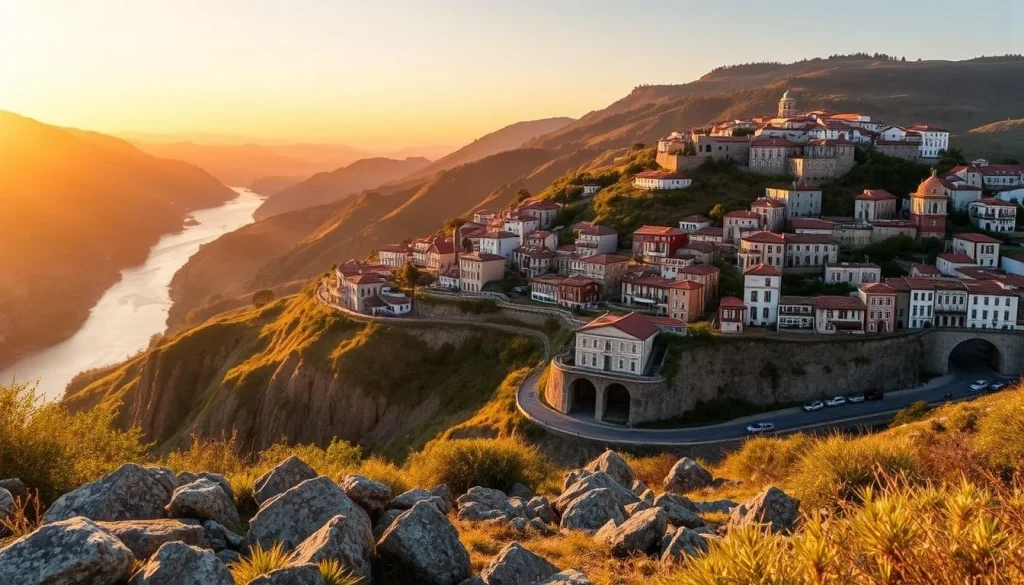
Port, increasingly varied table wines and some of Europe’s most dramatic vineyard scenery come together in the Douro. Base yourself around Peso da Régua or Pinhão, visit a quinta for lunch, and consider a Douro River cruise to see how the terraces follow the water. The Alto Douro Wine Region has been on the UNESCO World Heritage List since 2001, reflecting its cultural landscape as well as its wine production.
Best for: photographers, scenic-route travellers and anyone who wants wine to remain connected to landscape. Terraces and historic vineyard sites can involve steep terrain, so check accessibility before booking. River travel and transfers can simplify the logistics, but confirm current transport conditions and estate appointments rather than relying on a spontaneous route.
Rioja and Rioja Alavesa
Rioja suits a compact itinerary, with crianza and reserva styles, modern winery architecture, tapas and villages that reward slow exploration. In Rioja Alavesa, make Laguardia the focus: themed visits and heritage routes add context beyond the tasting room. Bodegas Eguren Ugarte is one example to investigate, not a reason to treat every estate as interchangeable.
Best for: a short break from Bilbao or Logroño, particularly for travellers who want food to structure the day. Check the current Rioja Alavesa route information for vendimia programmes and events. Appointment requirements, opening hours and route transport vary, so confirm directly with each bodega.
Napa Valley
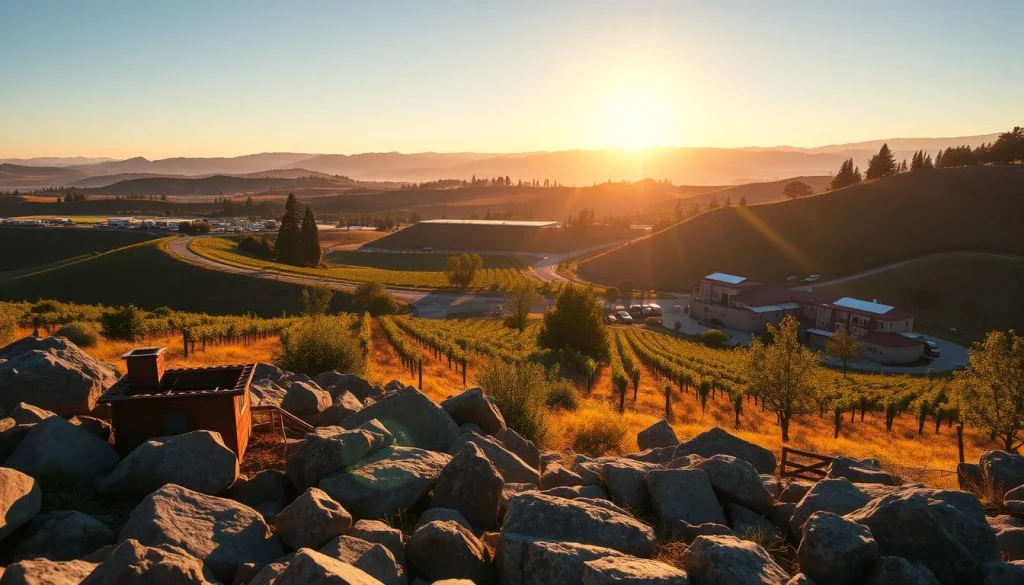
Napa Valley is built for polished, premium wine travel: Cabernet Sauvignon in particular, concentrated winery routes and high-end dining. Yountville, Oakville and Rutherford provide distinct bases for a food itinerary, while blending experiences can make the visit more participatory than a sequence of tastings. Best for: travellers prioritising service, privacy and carefully planned meals over low-cost spontaneity.
Plan the day before arrival: reservation culture is strong. Visit Napa Valley, the official visitor resource, provides planning and booking guidance. A hired driver or organised tour is the sensible option if several tastings are involved. Peak periods can bring higher prices and fewer appointment slots, so check live winery policies and fees directly.
Mendoza
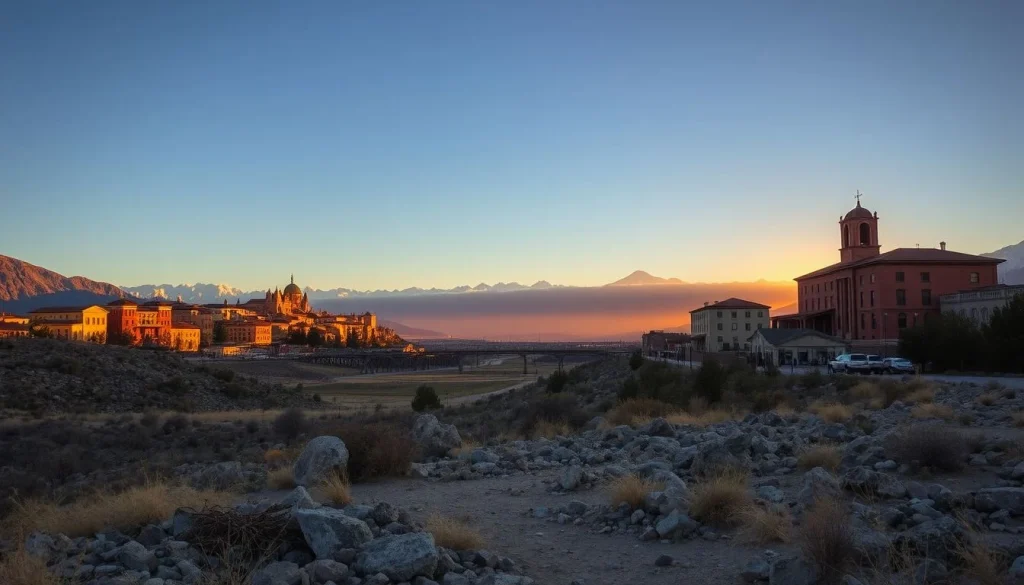
Malbec, vineyard lunches and broad Andean views define Mendoza, where outdoor activities can also extend a wine itinerary. Luján de Cuyo offers a relatively established route close to the city, while Valle de Uco changes the feel of the trip with high-altitude vineyards and longer transfers. The main air gateway is Aeropuerto Internacional Francisco Gabrielli, also known as El Plumerillo.
Best for: travellers who want wine, landscape and a stronger sense of journey than a compact European route. Expect sun exposure, and treat altitude in parts of Valle de Uco as a genuine planning consideration; check current medical guidance if concerned. Use a driver or organised transfer rather than trying to combine distant sub-regions in one day, and confirm lunch and tasting reservations with each bodega.
Marlborough
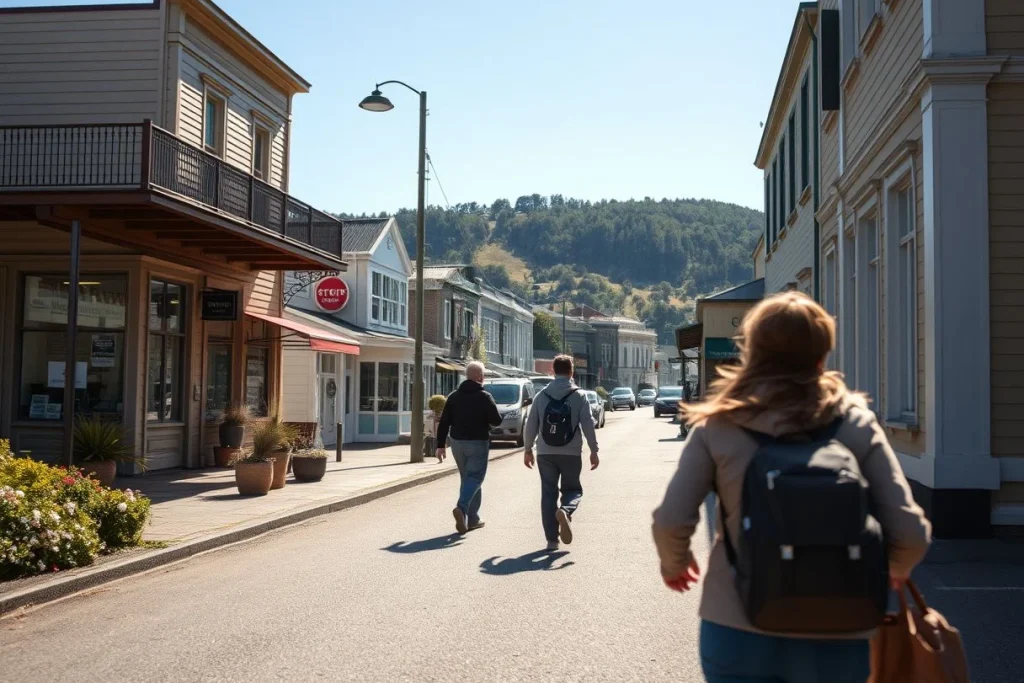
Marlborough is the clearest New World choice for Sauvignon Blanc, with a concentrated cellar-door route around Blenheim and Renwick. Cycling, waterways and seafood pairings can sit alongside tastings, giving active food travellers a trip that doesn’t feel wine-only. Marlborough is New Zealand’s largest wine region and supplies the majority of the country’s wine export volume, according to regional materials.
Best for: visitors seeking a relatively manageable route with outdoor options. The Marlborough Food & Wine Festival typically falls on the second Saturday in February, but confirm the current date before planning around it. Use the Marlborough Wine Trail and current winery pages to check opening hours, cycling logistics, appointments and tasting fees.
Stellenbosch
Mountain-backed Cape Winelands scenery, historic estates and a strong farm-to-table food culture give Stellenbosch its shape. Build a day around a cellar visit and vineyard lunch, then leave time for a slower look at the town rather than rushing between distant properties. Cabernet Sauvignon and other classic red varieties are central to the region’s identity.
Best for: food-focused travellers adding vineyards to time in Cape Town, since the area is close enough to combine with a wider city-and-coast itinerary. Estate policies differ, so check current booking arrangements, accessibility and dining details with Stellenbosch Wine Routes or official tourism sources. Review current local travel and safety guidance before deciding on self-driving, transfers or evening plans.
Barossa Valley
Shiraz, regional produce and cellar doors where family-winery stories remain part of the visit are the foundations of Barossa Valley. Tanunda and Angaston are practical bases for short drives between tastings, long lunches and food-focused stops. The landscape is less about one grand viewpoint than an easy sequence of vineyards, farm produce and village hospitality.
Best for: travellers who want a relaxed Southern Hemisphere wine holiday without the distances of Mendoza or the formal polish of Napa. Plan for heat and sun exposure in warmer months, and arrange a sober driver or transfer if tasting across several estates. Harvest events and visitor arrangements change, so check current Barossa or South Australian tourism information and each winery’s page before booking.
Across all ten regions, tasting costs range from free or modest cellar-door visits at some properties to premium experiences; the individual winery’s current page is the reliable source for exact fees. Recheck opening hours, appointment requirements, transport conditions and access details within 30 days of travel, especially during harvest and peak visitor periods.
At a glance: compare the ten destinations
Use this table to match the region to the kind of food-and-wine holiday you want. “Car-free potential” means how realistic it is to rely on organised excursions, cycling or a compact base rather than drive between estates; it does not mean every vineyard is reachable by public transport. The regional guidance comes from official tourism sources, including Visit Tuscany, Rioja Alavesa Turismo and Visit Napa Valley.
| Region | Signature wine | Food angle | Landscape | Base or gateway | Car-free potential | Ideal trip length | Spend level |
|---|---|---|---|---|---|---|---|
| Bordeaux | Cabernet Sauvignon, Merlot | Atlantic seafood, château dining | River plains and château country | Bordeaux; Médoc or Saint-Émilion | Good with organised tours | Weekend to four days | Mid-range to luxury |
| Burgundy | Pinot Noir, Chardonnay | Classic regional cuisine and precise pairings | Côte d’Or slopes | Beaune | Limited; appointments matter | Three to five days | Luxury |
| Chianti and Tuscany | Chianti DOCG, Brunello | Cooking classes, olive oil, agriturismo lunches | Rolling hills and cypress-lined roads | Greve or Radda | Limited outside towns | Four to seven days | Value to luxury |
| Douro Valley | Port and table wines | Quinta lunches and Portuguese cooking | Steep terraced river valley | Peso da Régua or Pinhão | Moderate by river cruise or tour | Two to four days | Mid-range to luxury |
| Rioja | Crianza and reserva | Tapas and heritage-route visits | Vineyards below the Sierra de Cantabria | Laguardia or Logroño | Good for a compact route | Weekend to three days | Value to mid-range |
| Napa Valley | Cabernet Sauvignon | High-end dining and blending experiences | Warm valley floor and wooded hills | Yountville or St Helena | Good with booked tours | Three to five days | Luxury |
| Mendoza | Malbec | Vineyard lunches and Argentine grilling | Andes foothills and high-altitude vineyards | Mendoza city; Luján or Valle de Uco | Limited; transfers help | Three to five days | Mid-range to luxury |
| Marlborough | Sauvignon Blanc | Seafood, cycling and cellar-door stops | Flat valley and mountain ranges | Blenheim or Renwick | Good by bicycle or tour | Two to four days | Value to mid-range |
| Stellenbosch | Cabernet Sauvignon and blends | Farm-to-table estates and Cape cuisine | Mountain-backed vineyards | Stellenbosch; Cape Town gateway | Moderate with transfers | Two to four days | Mid-range to luxury |
| Barossa Valley | Shiraz | Produce-led restaurants and family wineries | Dry hills and vineyard plains | Tanunda or Angaston | Limited; short drives suit a car | Two to four days | Mid-range |
Tasting fees are separate from the spend labels. As accessed 22 September 2026, some cellar-door tastings may be free or around US$15 per person, while premium or private experiences can reach about US$50–200+ per person; exact fees vary and should be checked on each winery’s current page. Accommodation, transport and restaurant prices change substantially with season and location.
How to choose the right wine region for your trip
Choose by the kind of trip you want
For a first food-and-wine holiday, choose Chianti and broader Tuscany. It gives you the clearest balance of vineyard scenery, agriturismo stays, olive oil, regional cooking and flexible routing. Base yourself near Greve or Radda, then add a cooking class or market visit before extending south to Brunello di Montalcino or Montepulciano. Visit Tuscany specifically presents Chianti as a central wine-and-food area.
For a short European break, choose Rioja or Bordeaux. Rioja Alavesa is the more compact, relaxed route, with Laguardia, tapas and current heritage-route programmes to shape a two- or three-night stay; check the regional route information before booking. Bordeaux works well if you want a city base with organised excursions towards the Médoc or Saint-Émilion. Both can be paired with urban restaurants and hotels rather than requiring a rural stay.
For landscapes, choose the Douro Valley. Terraced vineyards, the Douro River and quintas make it especially rewarding for photography, a vineyard lunch or a river cruise. Use Peso da Régua or Pinhão as your base, and allow for steeper terrain at some historic vineyard sites. The Alto Douro Wine Region has been on the UNESCO World Heritage List since 2001, according to UNESCO.
For a terroir-led trip, choose Burgundy. Stay around Beaune and plan around the Côte d’Or, with time for the Hospices de Beaune and carefully selected domaines. This suits travellers who want to focus on how small sites express Pinot Noir and Chardonnay, but it is less forgiving of an improvised itinerary: appointments are often required at small domaines, and walk-ins should not be assumed.
For polished luxury, choose Napa Valley or Stellenbosch. Napa is the more concentrated choice for premium wineries, blending experiences and high-end dining; its strong reservation culture makes advance planning important. Visit Napa Valley is the area’s official travel-planning resource. Stellenbosch suits travellers who want mountain-backed estates, farm-to-table food and proximity to Cape Town; verify current estate policies and local travel guidance through Stellenbosch Wine Routes or official tourism sources.
For wine with outdoor space, choose Mendoza or Barossa Valley. Mendoza combines Malbec and vineyard lunches with Andes scenery, while Barossa offers Shiraz, short drives between cellar doors and bases such as Tanunda or Angaston. Mendoza’s main gateway is Aeropuerto Internacional Francisco Gabrielli, also called El Plumerillo, but Valle de Uco is a separate, higher-altitude route: plan for sun exposure and acclimatisation if you are concerned. Barossa is a better fit for a slower driving holiday with room for food stops.
For Sauvignon Blanc and cycling, choose Marlborough. Blenheim and Renwick make practical anchors for a relatively concentrated cellar-door route, waterways and seafood pairings. Verify opening hours and appointment policies before setting out. The Marlborough Food & Wine Festival typically falls on the second Saturday in February, but the current date must be confirmed.
Match the plan to your time and budget
For a weekend, use one base, two tasting days and one food or landscape day. A longer stay earns a second base only when the region is genuinely spread out: Mendoza’s city, Luján de Cuyo and Valle de Uco should not be treated as one effortless circuit, and the Douro’s terrain rewards slower transfers.
At the lower end, prioritise free or modest cellar-door tastings, markets, village restaurants and self-guided walks; indicative tastings range from free to about US$15 per person, based on the supplied regional pricing source accessed 22 September 2026. Mid-range travellers can add vineyard lunches and a guided day. For luxury travel, private winery experiences are the main cost step-up, with indicative prices of about US$50–200+ per person from the same dated source; check each winery’s current page.
Use this planning checklist
- Book the wine visits first: small domaines, Napa experiences and sought-after restaurants may require reservations, and policies vary widely.
- Build the food itinerary around the region: seek olive oil and cooking classes in Tuscany, tapas in Rioja, seafood in Marlborough and vineyard lunches in Mendoza or the Douro.
- State dietary needs early: tell estates, cooking schools and restaurants about vegetarian, allergy or other requirements when reserving.
- Plan the return journey: use a designated driver, organised tour or private transfer rather than driving after tastings.
- Pack for exposure: bring sun protection, water, comfortable shoes and a light layer; check current local guidance for heat, particularly in Mendoza, Napa and Barossa.
- Check the essentials before departure: confirm entry, passport, visa, health, transport and advisory requirements with the relevant government or embassy, then recheck winery calendars and regional transport shortly before travelling.
Conclusion: choose one region and build around its food
For the broadest food-led first trip, choose Chianti and broader Tuscany. Base yourself near Chianti Classico, pair vineyard visits with an agriturismo stay and cooking class, then add Brunello di Montalcino or Montepulciano if you have more time. Choose Rioja for a compact European route, Napa for a luxury itinerary, or Mendoza when Andes scenery and Malbec matter most.
Once you have chosen, book accommodation near your preferred base, reserve two or three priority winery visits and secure one signature meal, cooking class or vineyard lunch. A reliable winery tour or driver can make the day more enjoyable and removes the need to drive after tastings. Before paying, verify winery calendars, transport, weather, entry requirements and local travel advisories through official sources.
Frequently asked questions
Which of these regions is best for a first wine trip?
Chianti and broader Tuscany is the strongest all-round starting point for a food-led itinerary. VisitTuscany identifies Chianti as a core wine-producing area and highlights wine-and-food experiences, while the wider route can link agriturismo stays, cooking classes, olive oil and nearby Brunello di Montalcino or Montepulciano. It suits travellers who want scenery and regional food alongside the tasting itself, rather than a narrowly wine-focused trip.
When should I travel to see the grape harvest?
In the Northern Hemisphere, harvest is generally around September and October; in the Southern Hemisphere, it is generally around March to May. Exact timing varies with region and vintage, so check the current official calendar before booking. Rioja Alavesa publishes vendimia information and events, while the Marlborough Food u0026amp; Wine Festival typically falls on the second Saturday in February, with the current date requiring confirmation.
Are vineyard visits suitable for families who do not drink wine?
They can be, provided you choose an estate or route offering more than tastings. The Douro works well for scenic visits, vineyard lunches and river cruises, while Tuscany offers food experiences and cooking classes; Marlborough adds cycling and waterways. Check each property’s current visitor policy and facilities directly. Winery-visit arrangements vary widely, and walk-ins or family suitability should never be assumed.
What should I pack for a vineyard holiday?
Plan for sun exposure, particularly in Mendoza, Napa and Barossa during their warmer periods. Comfortable clothing for outdoor visits is sensible, and practical footwear matters where routes include uneven ground; Douro terraces and historic vineyard sites can be steep. In parts of Mendoza, including Valle de Uco, altitude also requires acclimatisation. Check current regional guidance and your medical advice if altitude or heat may concern you.
Which destinations work well for travellers with dietary restrictions?
Choose destinations where the itinerary can be built around more than winery tastings: Tuscany offers cooking classes, olive oil and agriturismo food experiences; Stellenbosch is known for farm-to-table dining; and Marlborough suits seafood pairing. These regional strengths do not guarantee that every estate or restaurant can accommodate a restriction. Contact each winery, cooking school and restaurant before booking, and confirm ingredients and cross-contamination arrangements directly.
Which wine region is easiest to fit into a long weekend?
Rioja and Rioja Alavesa is the clearest fit for a short, focused trip. Its route can combine Laguardia, winery visits, crianza and reserva styles, tapas and modern architecture without requiring a broad regional itinerary. Rioja Alavesa publishes current vendimia and heritage-route information, so use that official route material when planning. Bordeaux is another practical option for organised half- or full-day excursions from the city.