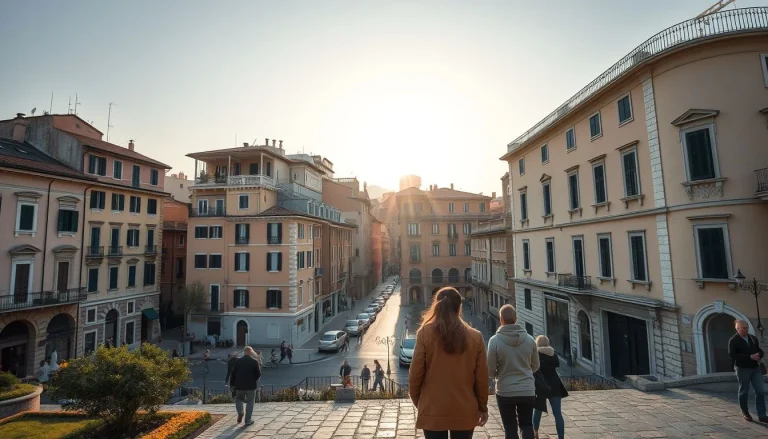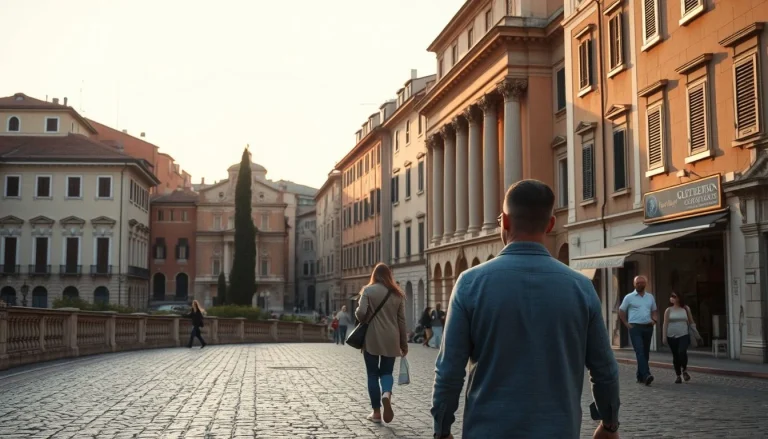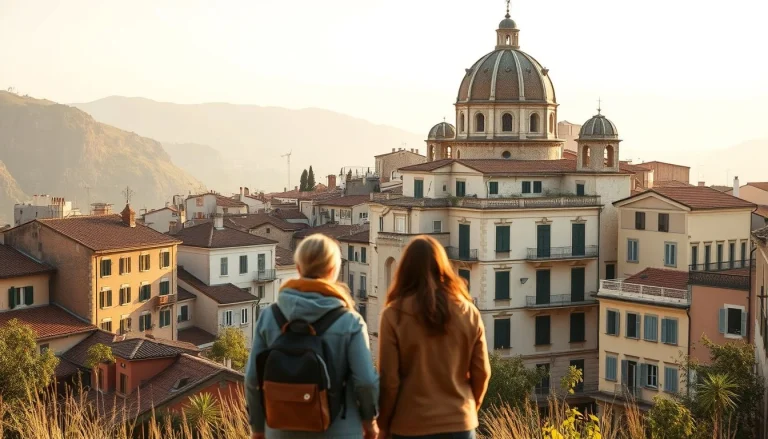
A Rome evening can begin beneath the Pantheon’s ancient dome, continue across Piazza Navona and end with a view from the Giardino degli Aranci. That range is why the best areas to stay in Rome depend less on a universal ranking than on how you want your days and nights to unfold.
This guide compares Centro Storico, Monti, Trastevere, Prati, Testaccio and the Aventine/Spanish Steps area for couples choosing a hotel. It focuses on the decisions that matter: how easily you can walk to major sights, where romantic dinners and quieter evenings are most natural, how much atmosphere comes with late-night noise, and when a metro connection outweighs a central address. Expect cobbled streets and occasional steep routes in historic districts, while Prati offers more modern hotel stock and convenient access to the Vatican.
Quick answer: Centro Storico is the easiest choice for first-time visitors who want to walk between Rome’s classic sights, while Trastevere is strongest for romantic dinners and evening atmosphere. Choose Monti for boutique character near the Colosseum, Prati for quieter Vatican access, Testaccio for food, or Aventine for calm streets and views.
Overview map of areas: How Rome divides for hotel planning
For hotel planning, think of Rome as a set of overlapping bases rather than one uniform centre. The historic core sits within Municipio I, around the Pantheon, Piazza Navona, Trevi Fountain and Campo de’ Fiori. From there, Monti and the Colosseum lie east, Trastevere across the Tiber to the west, Prati beyond the Vatican, and Testaccio farther south. Aventine Hill offers a quieter southern outlook, while the Spanish Steps and Via Veneto form an elegant northern cluster.
This is a practical travel grouping, not an official ranking. The city’s official guide, Roma a portata di mano, is useful for orientation, but a hotel’s exact street matters: Rome’s central distances can look short on a map yet involve cobbles, slopes, irregular pavements and buildings without lifts.
| Area | Atmosphere | Major sight access | Evening feel | Best for couples who want |
|---|---|---|---|---|
| Centro Storico | Historic and busy | Pantheon, Piazza Navona, Trevi | Lively; possible noise | Maximum walkability |
| Monti | Intimate and boutique-led | Colosseum, Roman Forum | Wine bars and local streets | Character near ancient Rome |
| Trastevere | Atmospheric and sociable | Tiber and central walks | Romantic but late and noisy | Dinners and nightlife |
| Prati | Residential and orderly | Vatican; Ottaviano and Cipro | Quieter | Space and easy metro access |
| Testaccio | Food-focused and local | Less direct to central sights | Trattorie and relaxed evenings | Markets and Roman cooking |
| Aventine / Spanish Steps | Calm or polished | Views or central landmarks | Quiet on Aventine; refined near Via Veneto | Views, privacy or high-end hotels |
Rome works best as a walking-and-public-transport city: walk within the compact historic areas, then use buses or the metro for the Vatican, Termini and longer crossings. Termini is practical for trains and can broaden the accommodation search, but it is less atmospheric at night than these couple-oriented bases.
Neighbourhood by neighbourhood: Rome areas compared for couples
The best areas to stay in Rome depend on what you want to do after the monuments close. Centro Storico keeps the Pantheon and Piazza Navona close; Trastevere makes dinner and evening wandering the centre of the trip; Monti gives you a smaller neighbourhood feel beside the Colosseum. Prati, Testaccio and Aventine offer different versions of a quieter base.
| Area | Walkability | Atmosphere | Night noise | Access to sights | Hotel character |
|---|---|---|---|---|---|
| Centro Storico | Excellent within the centre | Historic and busy | Moderate to high in busy lanes | Closest to classic sights | Historic buildings, boutique hotels |
| Monti | Very good, with uneven sections | Village-like and intimate | Moderate | Excellent for Colosseum and Forum | Boutique stays, fewer large hotels |
| Trastevere | Very good locally | Social and dinner-focused | High on weekend nights | Good, but less direct for some sights | Small hotels and guesthouses |
| Prati | Good locally; metro helps farther out | Residential and orderly | Generally lower | Excellent for the Vatican | More modern hotel stock |
| Testaccio | Good for local food, less so for monuments | Roman and food-led | Generally moderate | Farther from the historic core | Local apartments and smaller hotels |
| Aventine / Spanish Steps–Via Veneto | Good, but different in each pocket | Quiet on Aventine; elegant by Via Veneto | Generally lower on Aventine | Central from Spanish Steps | Quiet stays or high-end hotels |
These are practical hotel-planning groupings rather than official rankings. The comparison reflects the neighbourhood patterns described by recent Rome area guides; hotel rates vary substantially by property, dates and season, so an area should not be treated as a fixed price category.
Centro Storico: easiest for a first Rome visit
Choose Centro Storico for the shortest, most rewarding walks between the Pantheon, Piazza Navona, Trevi Fountain and Campo de’ Fiori. A couple can start with coffee, return to the hotel for a break, then walk out again for dinner without planning every journey around transport.
The trade-off is intensity. This is generally one of the pricier places to stay, and the lanes around the main squares can be crowded and noisy, particularly at night. It suits a first visit or a three-night stay especially well; check the exact street and room position if sleep matters, rather than assuming a historic-centre address will be quiet.
Monti: boutique character beside the Colosseum
Monti has a village-like rhythm, with intimate streets, wine bars and a strong selection of smaller, boutique-oriented stays. Its position near the Colosseum and Roman Forum works well for couples who want to see ancient Rome early, retreat for downtime, and return to a neighbourhood restaurant rather than remain in the busiest visitor zone.
Some streets are steep, cobbled or uneven, and the area has fewer large hotels than the central districts. Monti is a particularly good compromise between atmosphere and landmark access, but confirm lift access and the route from the hotel if either partner has mobility concerns.
Trastevere: the strongest dinner-and-evening base
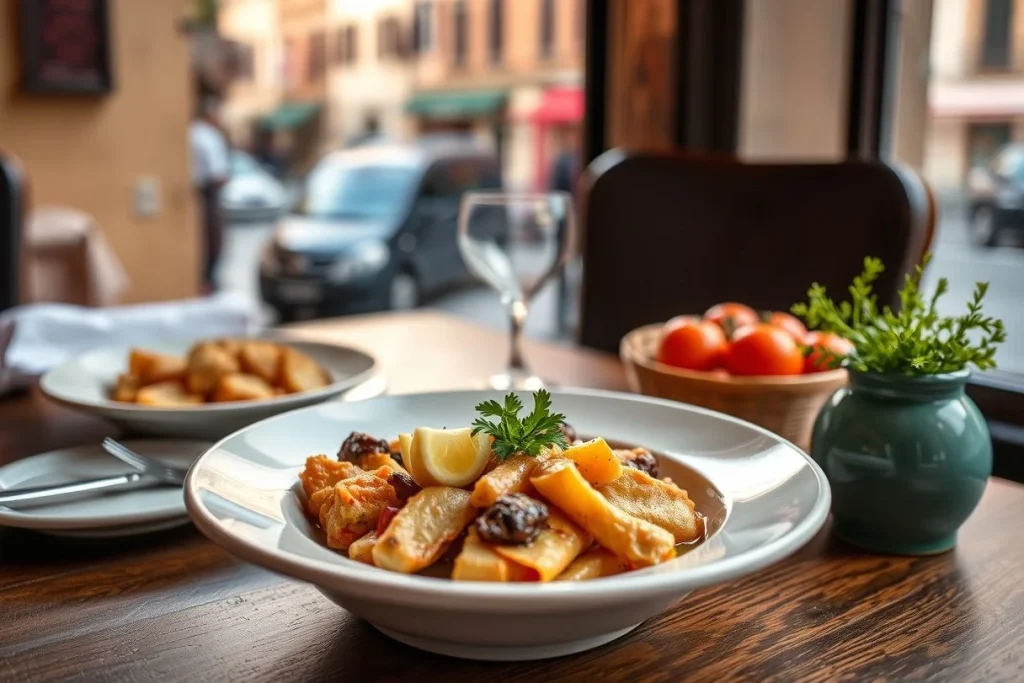
Trastevere is the natural choice when romantic dinners, narrow lanes and walks beside the Tiber matter more than being closest to every major monument. Its restaurants, small hotels and evening atmosphere make it easy to build a day around a late lunch, an afternoon rest and dinner close to the room.
That atmosphere has a clear cost: narrow streets can remain lively and noisy late, especially at weekends. Trastevere is also less direct for some sights on the eastern side of the historic centre, so it suits couples comfortable with longer walks or occasional public transport. Ask for a quiet-facing room rather than relying on the neighbourhood name alone.
Prati: quieter nights and convenient Vatican access
Prati feels more residential than the ancient centre and is generally quieter at night. It is a practical base for Vatican days, with metro access around Ottaviano and Cipro, and its more modern hotel stock can be useful for travellers who value lifts, larger rooms or straightforward entrances.
The compromise is atmosphere: Prati offers less of the worn-stone, ancient-Rome setting that couples often picture when choosing where to stay in Rome. It works best when a calm hotel matters as much as a postcard view, or when the Vatican is a major priority rather than one stop among many.
Testaccio: for couples who plan around food
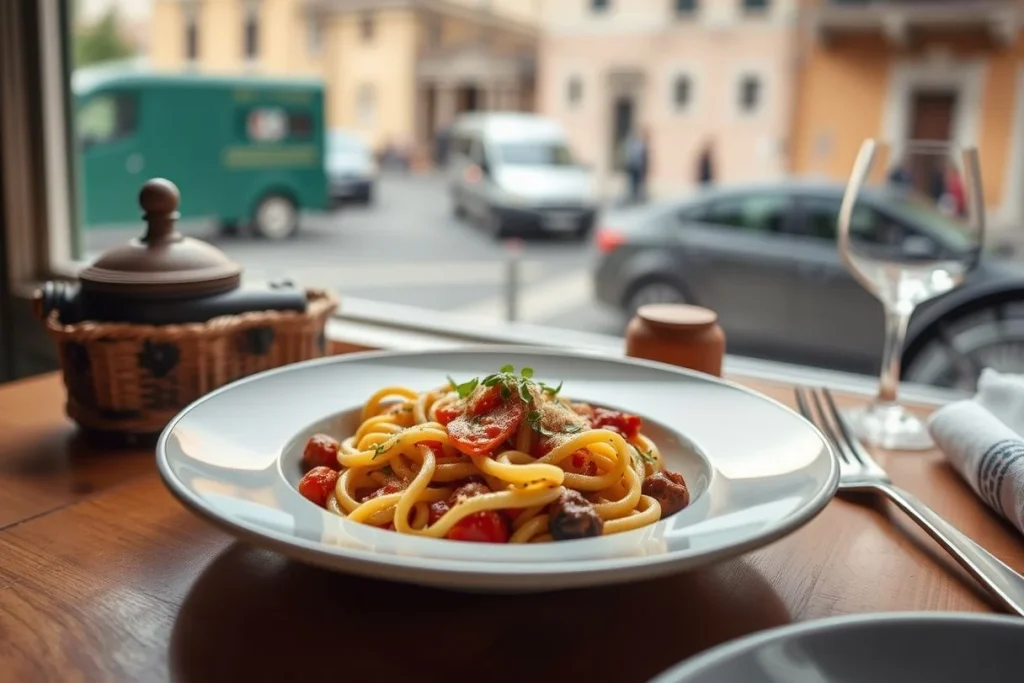
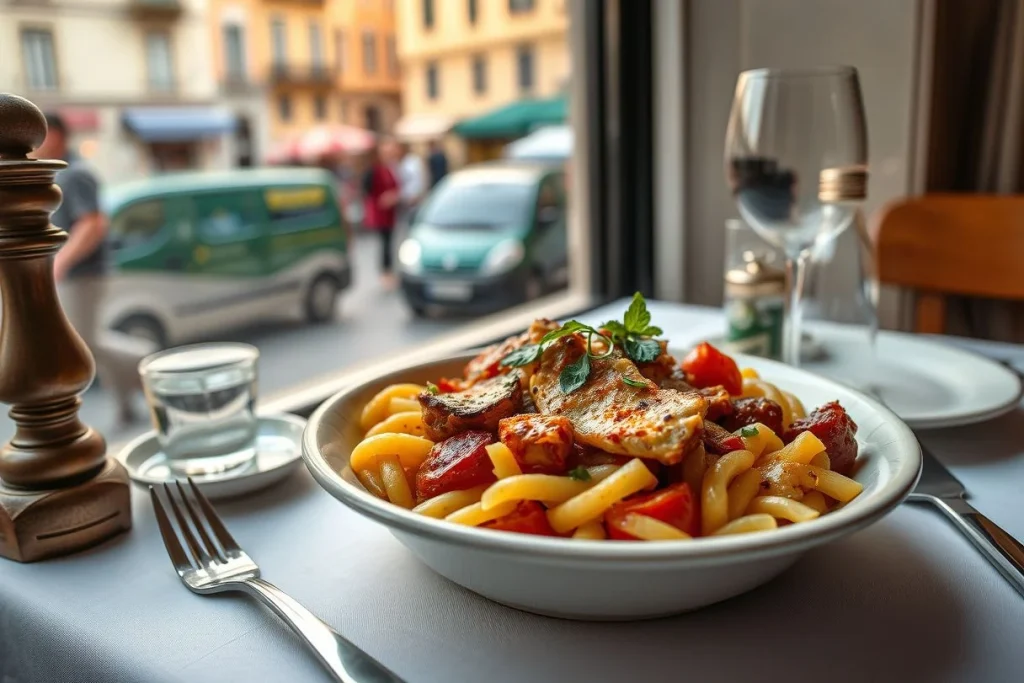
Testaccio is the most convincing choice for a food-led stay. The neighbourhood centres on Roman cooking, trattorie and Mercato Testaccio, giving couples a reason to spend an evening locally rather than treating the hotel as somewhere to sleep between sightseeing days.
It is farther from many central monuments than Centro Storico, Monti or Trastevere. Expect more walking or public transport for the Pantheon, Trevi Fountain and other historic-centre sights. Choose Testaccio when meals and local routine are part of the itinerary, not when every attraction needs to be a spontaneous stroll away.
Aventine Hill, Spanish Steps and Via Veneto: two kinds of refinement
Aventine Hill is the calmer option: quiet streets, a slower pace and views from the Giardino degli Aranci make it appealing for couples who want a pause from Rome’s busiest lanes. The main sights are less immediate, but the setting rewards an unhurried evening and suits a stay with more downtime.
The Spanish Steps and Via Veneto cluster is more central and elegant, with easy access towards major sights and a concentration of high-end hotels. Accommodation here generally sits towards the higher-priced end of Rome’s market, while the polished setting can feel less neighbourhood-like than Monti or Testaccio. Aventine is the better fit for quiet; Spanish Steps or Via Veneto for centrality and hotel service.
Across all six areas, inspect the property rather than judging only the district. Central Rome has cobbled or uneven streets, and some historic buildings and hotels lack lifts. In crowded squares and on public transport, keep phones and wallets secure: petty theft can occur even when the evening feels relaxed.
Best area for you: Recommendations by couple travel style
Start with the pace you want, then choose the address: for a first Rome visit of three to five nights, Centro Storico is the simplest base; for slower days and memorable dinners, choose Trastevere or the Aventine; for a focused itinerary, Monti, Prati or Testaccio may fit better.
Choose by couple travel style
First-time visitors: Stay in Centro Storico if you want to walk between the Pantheon, Piazza Navona, Trevi Fountain and Campo de’ Fiori without organising every day around transport. It makes a strong short-stay base, though central hotels can cost more and streets around the busiest squares may remain noisy into the evening.
Boutique atmosphere and ancient Rome: Monti suits couples who want small-scale accommodation, wine bars and an intimate neighbourhood feel close to the Colosseum and Roman Forum. It is particularly convenient for early sightseeing, but some streets are steep or uneven and the area has fewer large hotels.
Romantic dinners: Trastevere is the natural choice for evenings spent moving between trattorie, narrow lanes and the Tiber. Its appeal comes with a clear trade-off: parts of the neighbourhood are lively late, especially at weekends, so request a room on a quiet side street rather than above a restaurant or bar.
Vatican visits and quiet nights: Prati works well when the Vatican is central to your plans and you value a more residential atmosphere. The Ottaviano and Cipro Metro stations add practical convenience, although Prati feels less like ancient Rome after dinner than Centro Storico or Monti.
Food-led trips: Choose Testaccio if Mercato Testaccio, Roman specialities and traditional trattorie matter more than being beside every monument. You will trade some centrality for a stronger local food focus, with longer walks or public-transport journeys to many historic-centre sights.
Slow, romantic stays: Aventine Hill is the calmest choice here, with quiet streets and city views around the Giardino degli Aranci. It suits couples planning generous downtime and sunset walks rather than maximising sightseeing. The Spanish Steps and Via Veneto offer polished hotels and central elegance, but this cluster generally sits toward the higher-priced end of Rome’s market.
Short stay or slower stay?

For three to five nights, choose Centro Storico for maximum walking, Monti for a Colosseum-led itinerary or Prati for Vatican access and quieter evenings. On a longer, less hurried trip, Trastevere, Testaccio or Aventine gives the hotel more of a neighbourhood role: return for an unplanned aperitivo, a market lunch or a sunset instead of crossing the city again.
Use this booking checklist
- Prioritise a quiet side street, especially in Trastevere and the busiest parts of Centro Storico.
- Confirm the exact address; a hotel’s neighbourhood label can cover a noticeably different walking and noise environment.
- Check the lift, stairs and step-free route directly with the property, since historic buildings may lack lifts.
- Read recent comments specifically for night-time noise rather than relying only on the hotel’s overall score.
- For limited mobility, ask about cobbles, gradients, bathroom access and the distance to the nearest practical transport stop before booking.
When to book your Rome neighbourhood
When to book your Rome neighbourhood
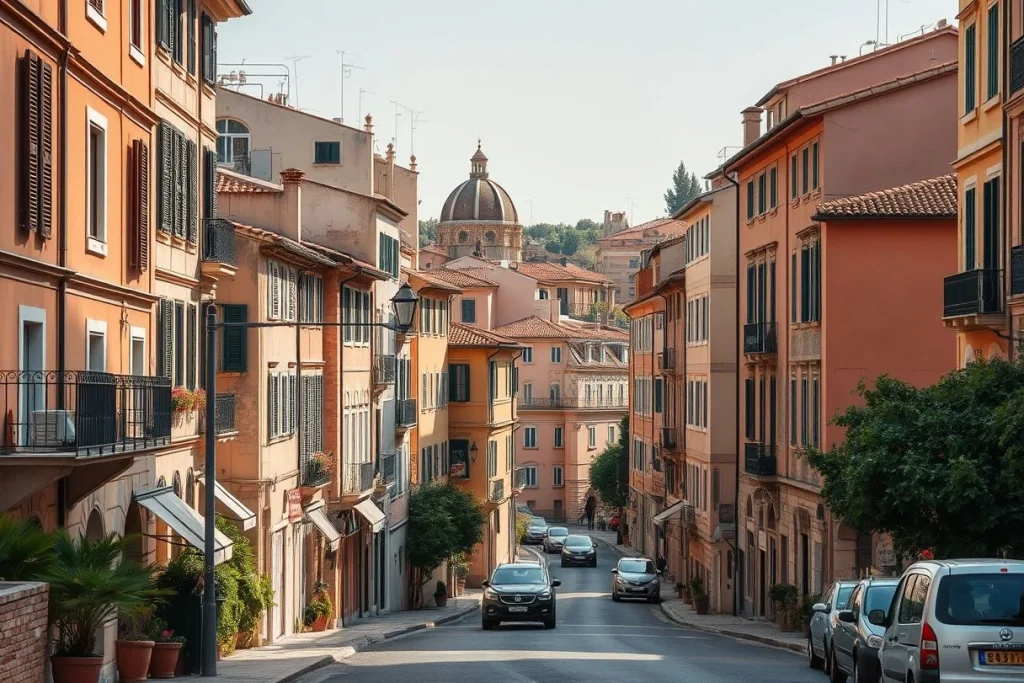
Timing shapes which of Rome’s best areas feels right. June, July, August and December generally bring stronger hotel demand, larger crowds and potentially higher prices, so compare several dates instead of assuming one neighbourhood offers fixed value. Hotel rates vary by property, room type and season. Check live prices and cancellation terms before booking.
April–May and September–October are generally milder and less crowded, according to the supplied Rome neighbourhood research, although local conditions and availability can vary. Couples who want long walks and unhurried dinners should choose these months rather than building every day around peak-season crowds.
Area choice matters most when downtime is part of the trip. Trastevere’s late-night energy feels more intense during busy periods, particularly at weekends, while Prati or the Aventine Hill area suits couples who prioritise quieter evenings. For a short stay, pay for a central base to protect sightseeing time; on a slower trip, weigh that convenience against the calmer atmosphere of a less central neighbourhood. Use a flexible-date search, then recheck hotel availability, prices and local conditions before confirming.
Getting around Rome from each hotel area
Getting around Rome from each hotel area
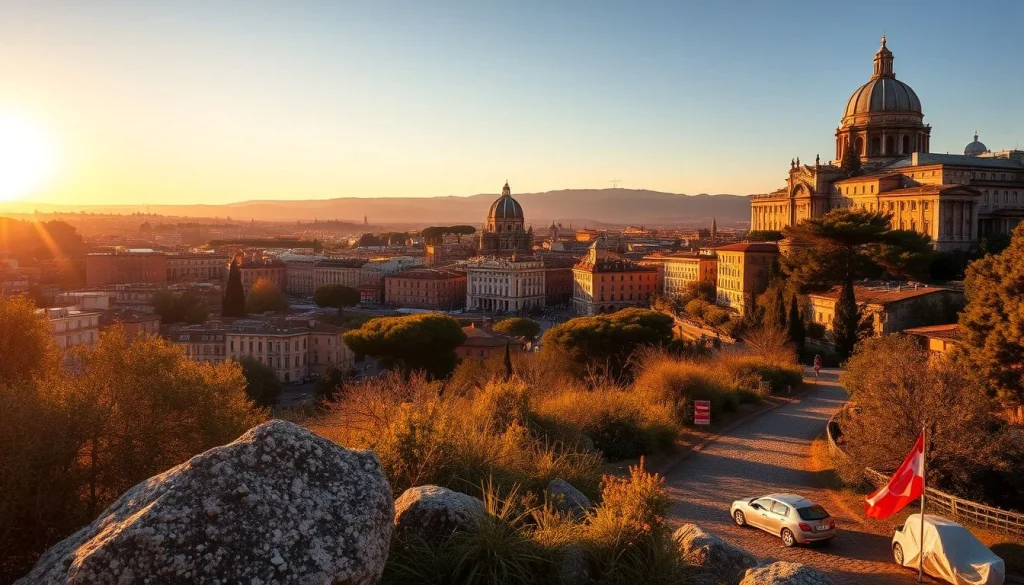
Rome works best as a walking-and-public-transport city, rather than one where you rely on a single mode. Centro Storico and Monti reward walking: from these bases, couples can link several sights in one unhurried outing without repeatedly returning to a station. Cobblestones, uneven paving and occasional steep streets can make those walks slower than they look on a map. Allow extra time, and confirm lift and accessibility details with the hotel.
Metro and buses become more useful from Prati, Testaccio and the Aventine Hill area, particularly for longer cross-city journeys to the Vatican, Termini or the historic centre. In Prati, check how far the accommodation is from Ottaviano and Cipro stations rather than assuming the neighbourhood is uniformly convenient. The metro is usually simpler for a fixed route; buses can bring you closer to the door but are more vulnerable to traffic and service changes.
The documented Metrebus BIT single ticket is approximately €1.50 and is valid for 100 minutes from validation across the applicable metro, bus, tram and urban rail services under the municipal rules. That fare is based on ATAC’s 2025 documentation. Check the current fare, validity and contactless-payment coverage immediately before travelling, as ATAC says bank cards and mobile wallets work on many surface services and at metro gates, but coverage and fare treatment can change.
For two people travelling with luggage, a taxi or pre-booked airport transfer can be worth considering for an early or late flight, when a complicated connection is less appealing. The same airport arrangement won’t necessarily suit every hotel. Verify current options and journey conditions through the official airport and transport sources before booking.
Termini is Rome’s main rail hub and can be practical for an early train or a lower-cost hotel, but it is less atmospheric at night than the couple-oriented areas in this guide. Before setting out, check ATAC for disruptions, strikes and route changes. Keep a little flexibility for central streets, where crowds and uneven paving can slow a walk even when the distance is short.
Comparing Rome hotel value without relying on fixed prices
Rome hotel prices vary too widely by property, dates and season for a useful neighbourhood-wide nightly average. Compare the value of the whole stay instead: Centro Storico and the Spanish Steps–Via Veneto area generally command higher rates, while a less central base may give you more space, quieter nights or a newer building for the same budget.
For couples, time saved can matter more than a small difference in the room rate. A hotel near your evening restaurants may make a late return easier; air-conditioning, a lift, reliable luggage storage and a comfortable room can be worth prioritising over a famous address. In Monti and older parts of the historic centre, check carefully for steep or uneven streets and buildings without lifts. Prati and some parts of Monti have more modern hotel stock, but confirm accessibility with the property rather than relying on an area label.
Before booking, compare the exact street, cancellation terms, check-in arrangements and luggage-storage policy. Read recent guest feedback for noise, room size and lift access, especially in lively central streets. June, July, August and December can bring stronger demand; check live rates and availability for your dates rather than assuming an area is always expensive or affordable.
Finally, use standard precautions around crowded sights and on public transport. For transport costs, ATAC’s 2025 documentation lists the BIT ticket at approximately €1.50, valid for 100 minutes from validation; verify the current fare and payment rules on ATAC’s official information before travelling.
Conclusion: Choose the Rome base that matches your pace
For a first, three- to five-night visit, Centro Storico is the clearest default: you can walk between the Pantheon, Piazza Navona and Trevi Fountain, then return to a central hotel for downtime. Choose Monti or Trastevere when atmosphere matters more than the shortest route to every sight—Monti for boutique character, Trastevere for romantic dinners and evening walks.
Prati suits couples who prefer quiet convenience near the Vatican, while Testaccio rewards food-led trips. For calm streets and city views, choose the Aventine. Whichever area fits, shortlist hotels on quieter side streets, confirm lift and accessibility details, and check the route to your main sights. If travelling in June, July, August or December, compare availability early, as demand and rates may be higher.
Frequently asked questions
Should couples book a hotel with a view or prioritise a walkable location in Rome?
For most couples, prioritise a walkable location and treat a view as a bonus. Centro Storico puts the Pantheon, Piazza Navona, Trevi Fountain and Campo de’ Fiori within the most convenient walking area, while Monti is practical for the Colosseum and Roman Forum. Choose Aventine Hill if a quieter base and views from the Giardino degli Aranci matter more than being close to every central monument. Recent area comparisons from RoamRome and WhereStayGuide support this trade-off.
How many nights are enough to choose a neighbourhood confidently?
A three- to five-night stay gives most couples enough time to judge a neighbourhood’s rhythm: daytime sightseeing, dinner options and the walk back to the hotel. For a shorter visit, Centro Storico is the safest all-purpose choice because it is close to several headline sights. With more time, the quieter character of Prati or Aventine Hill, or Testaccio’s food focus, becomes easier to appreciate. This follows the practical neighbourhood groupings described by Rome’s municipal guide and recent area comparisons.
Which area has the best choice of boutique hotels?
Monti is the clearest choice for a boutique-oriented stay, with a village-like atmosphere, wine bars and proximity to the Colosseum and Roman Forum. The trade-off is a smaller supply of large hotels and streets that can be steep or uneven. Centro Storico also has atmospheric accommodation, but it is generally pricier and more exposed to crowds and noise. Max in Rome and RoamRome both identify Monti as a strong character-led base.
Can you walk from Trastevere to the Colosseum or Vatican?
Walking between Trastevere and Rome’s major sights may suit couples who enjoy unstructured city wandering, but the supplied research does not support reliable journey times. Trastevere has less direct access to some major sights than Centro Storico, Monti or Prati, so plan to combine walking with public transport when you want to protect time for sightseeing. Rome is best approached as a walking-plus-public-transport city, according to WhereStayGuide.
What should couples check before booking a historic-building hotel?
Check the lift, entrance steps, bathroom layout and the route from the street before paying a deposit. Many central streets are cobbled or uneven, and some historic buildings and hotels lack lifts; travellers with mobility concerns should confirm property-specific accessibility directly. Ask about evening noise too, particularly in Trastevere and parts of Centro Storico. Modern hotel stock is more common in Prati and some parts of Monti, according to Max in Rome.
Where can couples find a relaxed evening without being far from restaurants?
Prati is the most balanced choice for quieter evenings with restaurants nearby, plus access to the Vatican and metro stations including Ottaviano and Cipro. Aventine Hill suits couples who want calmer, romantic streets and views around the Giardino degli Aranci, although it is less immediate for the main historic-centre sights. Testaccio is another good option for a food-led evening around Mercato Testaccio and its trattorie, but it sits farther from many central monuments.