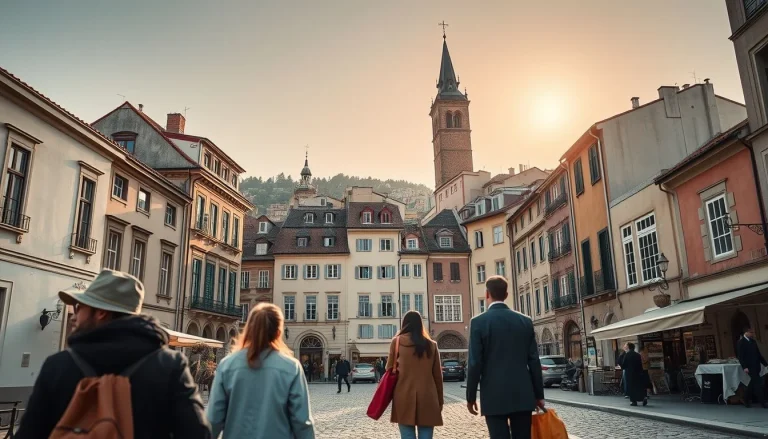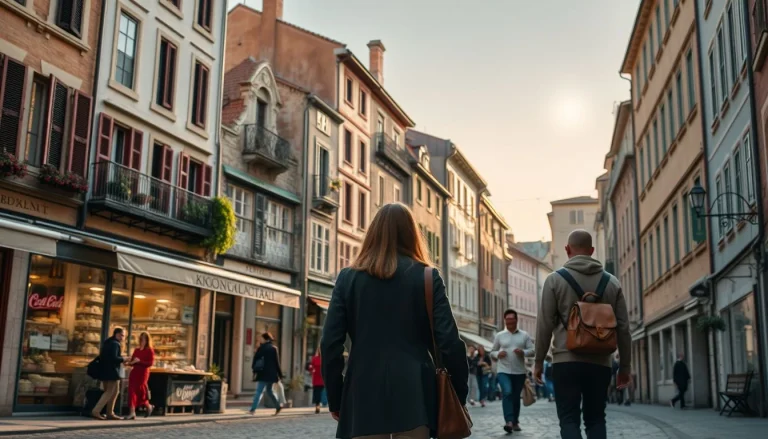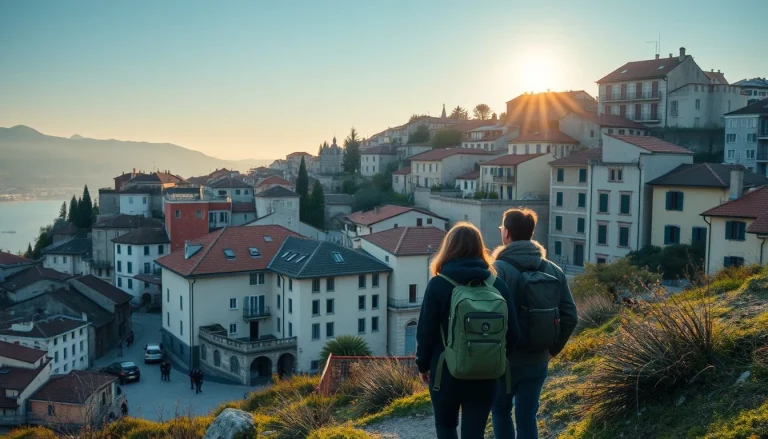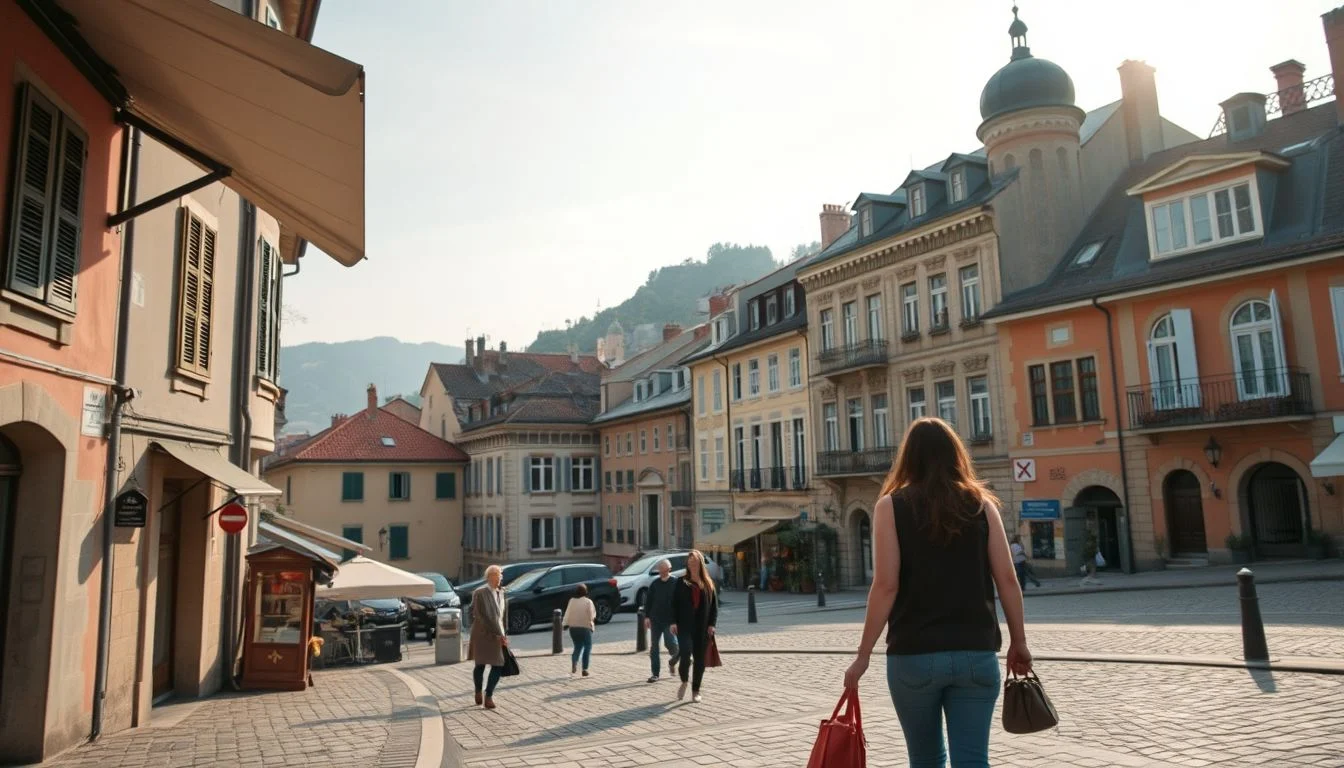
In Porto, the Dom Luís I Bridge links the riverside Ribeira with Gaia’s port-cellar district, putting dinner, a viewpoint walk and a signature tasting within a compact weekend. That is the test for long weekends in Europe: can a city turn 48 to 72 hours on the ground into a complete trip rather than a race between airports and attractions?
This shortlist is for couples flying from North America who want a central boutique-stay base, walkable neighbourhoods, one or two defining experiences and evenings that do not need to be overplanned. Compare Porto, Seville, Ljubljana, Bruges, Tallinn, Bergen, Matera and Copenhagen by atmosphere, season, logistics and trade-offs—from warm tapas nights in Triana to long northern daylight around Bryggen or Nyhavn. An overnight flight and a direct or simple one-stop route can protect time on the ground, but live schedules, weather and attraction hours still need checking before booking.
Quick answer: Yes—these eight compact cities can make a 48–72-hour European trip worthwhile when you choose one central base, limit the itinerary to one or two signature experiences and leave room for downtime. Porto, Seville, Ljubljana, Bruges, Tallinn, Bergen, Matera and Copenhagen each offer a distinct couple-friendly combination of walkable sights, atmospheric evenings and manageable logistics.
Which short European trips are genuinely worth the flight?
The flight lands, the first coffee steadies the morning, and by late afternoon the city has begun to feel close at hand: a riverside lane opening towards the water, a medieval square warming in the last light, a sunset dinner no more than a walk from the hotel. That is the standard a short European trip has to meet after an overnight journey from North America.
For this shortlist, the test is practical as much as atmospheric. Each city needs a compact historic core that can be explored without spending the weekend in transit, one memorable experience to share, an evening scene worth staying out for, and straightforward logistics from a well-placed base. It must also leave space for a slow breakfast, an unplanned turn down a side street and the second drink that makes the trip feel less like a checklist.
That does not make every choice equally suitable in every season. Southern cities reward warm spring-to-autumn evenings but can be demanding in summer heat; northern and coastal cities gain from longer daylight in late spring and early autumn. The eight that follow are therefore not interchangeable: choose according to the kind of evening you want, as well as the sights you hope to see.
Eight compact European cities that earn a long weekend
Porto
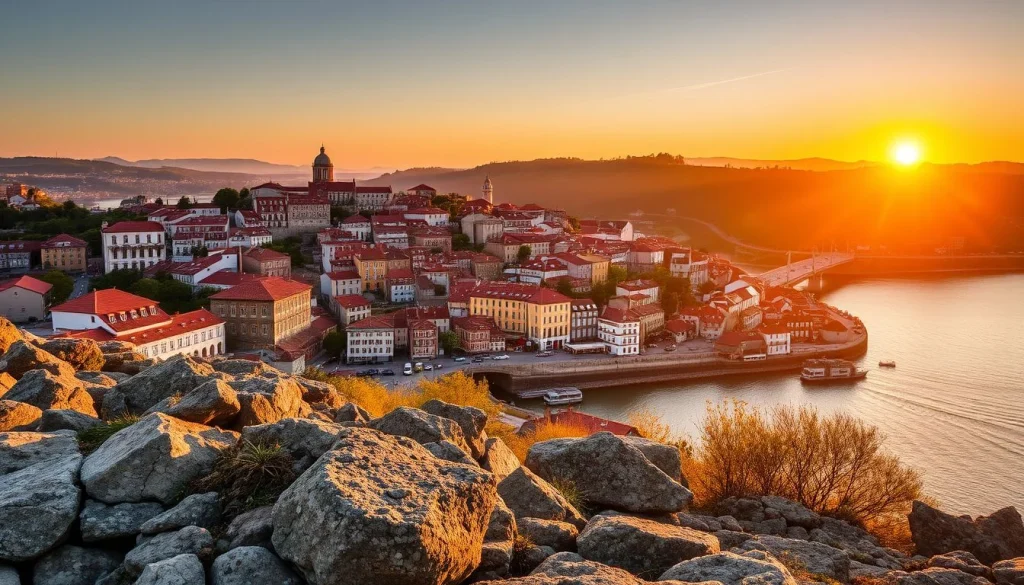
Porto concentrates a surprisingly rich evening around the Douro. Start in Ribeira, where the Cais da Ribeira follows the water, then cross the Dom Luís I Bridge towards Gaia for a port-cellar visit and return to a viewpoint as the façades begin to glow. The city’s compact geography suits couples who want river scenery, an unhurried dinner and very little transport between plans; Visit Porto highlights this Riverside–Gaia combination.
Choose Porto from spring through autumn, when a terrace or viewpoint can carry the evening. Stay near Ribeira or another central historic area, but expect hills, steps and uneven paving—especially important if a relaxed stroll is part of the plan. The trade-off is physical: the distances are manageable, yet the gradients can make a day feel fuller than it looks on a map.
Seville
Seville gives a three-day visit a clear sequence: the Alcázar and cathedral or Giralda in the morning, the lanes of Santa Cruz after lunch, then Las Setas for a change of perspective. Finish in Triana with tapas rather than trying to cross the city for another formal attraction. The official visitor guide recommends booking the Alcázar online to avoid queues, so check its current booking page, opening arrangements and any visitor limits before fixing your dates.
This is the choice for couples who want warm evenings, tiled courtyards and a strong sense of historic atmosphere. Spring and autumn are generally more comfortable for walking; in summer, check current heat conditions and plan exposed sightseeing early or later in the day. Seville’s central sights reward a compact base, but the heat can make an ambitious itinerary feel less romantic than a long lunch and one sunset stop.
Ljubljana
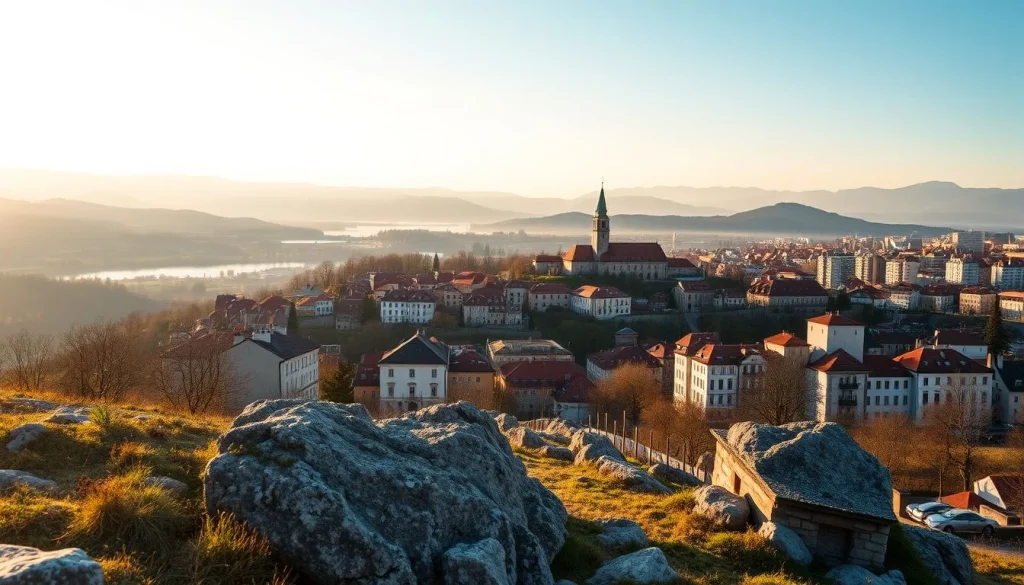
Ljubljana is the lowest-stress option in this group: a small, river-centred capital where bridges and riverside cafés naturally slow the pace. Follow the Ljubljanica, pause in a café, then walk or make your way up to Ljubljana Castle before returning to the riverbanks for dinner. Green spaces give a couple somewhere to decompress between the signature sights, rather than turning every hour into sightseeing.
Choose it for a 48–72-hour break built around conversation, gentle wandering and one principal viewpoint. The city is especially appealing from spring through early autumn, but check the official events and transport pages around major gatherings; Ljubljana hosted the UEC Road European Championships from 2–7 October 2026, an example of how event planning can affect central movement. The trade-off is scale: travellers seeking a packed museum-and-monument schedule may find it intentionally quiet.
Bruges
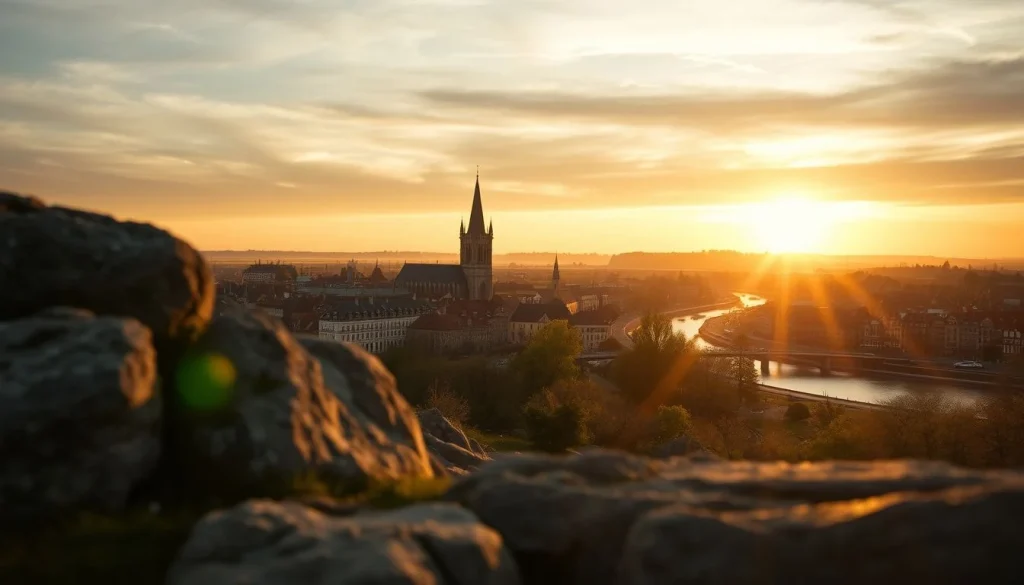
Bruges keeps its headline experiences close together. Walk from Markt to the Belfry of Bruges, then trade the square’s vertical drama for a canal route through the medieval core. An intimate restaurant nearby makes more sense than a long evening transfer, particularly when the point is to let the city’s lanes and water do the work; Visit Bruges groups these central sights within its compact historic landscape.
It suits couples after a storybook setting and minimal transport, with the strongest atmosphere in spring, early autumn or the quieter edges of the day. Build in patience: cobbles, stairs and uneven historic surfaces can slow walking, while visitor congestion is a genuine trade-off around the most photographed streets and the Belfry. Check individual attractions for access details rather than assuming the old centre is easy for every traveller.
Tallinn
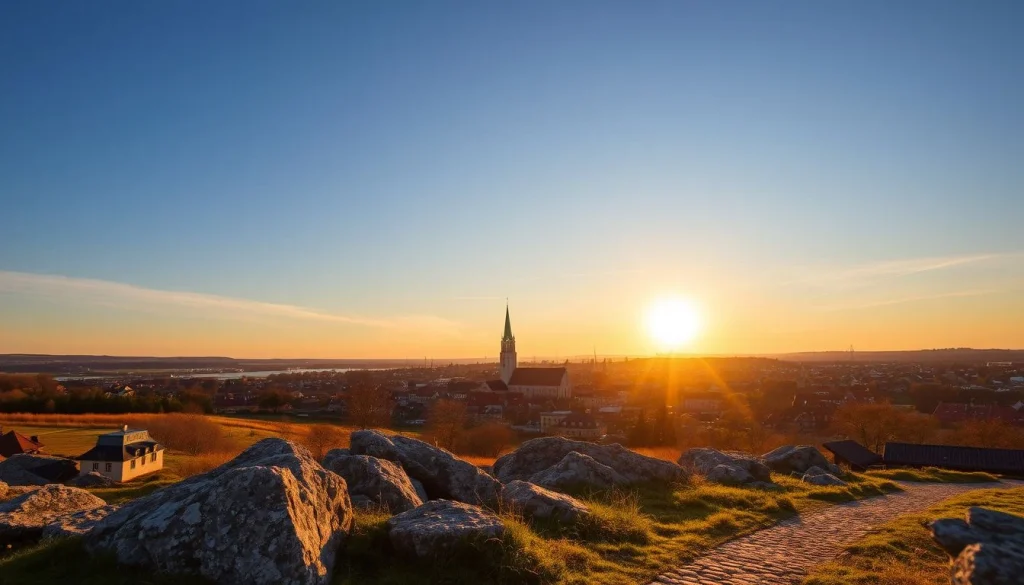
Tallinn’s Old Town is compact enough to occupy one or two full days without frantic routing. Walk the medieval lanes, then head to Toompea Hill for sunset and make the evening more contemporary by dining beyond the most historic streets. That contrast—stone walls and red roofs followed by a modern restaurant—is what gives Tallinn a sharper edge than a purely preserved old town.
Late spring through early autumn brings the most useful daylight for a viewpoint-led weekend, though weather can change and should be checked close to departure. Stay in or near the Old Town for a mostly walkable base, while remembering that historic paving, slopes and steps are uneven. Tallinn is a good fit for couples who value character and calm; it is less suited to anyone who wants every attraction to be effortlessly level or clustered indoors.
Bergen
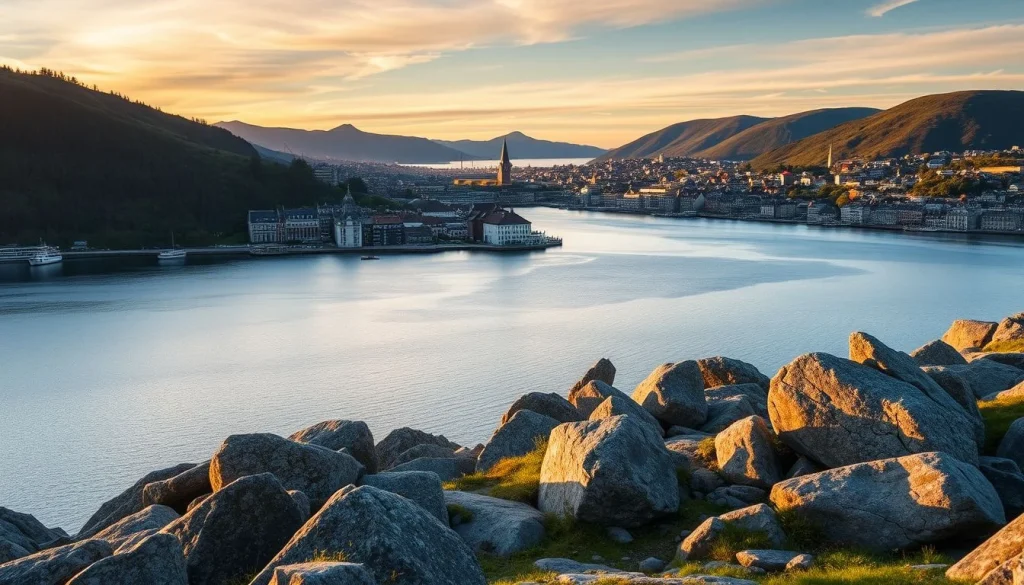
Bergen puts nature directly into the city break. Spend part of the day among the wooden buildings of Bryggen, then take the Fløibanen for harbour-and-mountain views before returning for seafood. The combination is unusually efficient: one signature historic quarter, one elevated panorama and a dinner that reflects the coastal setting. Visit Norway identifies Bryggen as a central landmark, while Visit Bergen’s current guide covers attraction planning.
Late spring to early autumn is the strongest window for longer daylight and outdoor views. Weather can change quickly, so keep a waterproof layer available and check the current operation of the Fløibanen, museums and other attractions before travelling. Bergen is ideal for couples who want a city with immediate landscape; the trade-off is that rain, wind or cloud can alter the view that anchors the day.
Matera
Matera is the slowest and most distinctive choice here. Wander through the Sassi di Matera, where cave dwellings turn the hillside into an architectural landscape, then choose a terrace for sunset rather than adding another distant sight. Cave accommodation is the signature romantic possibility to investigate, especially for couples who would rather make the setting itself the evening’s main event; UNESCO records the Sassi as World Heritage.
Spring through autumn is well suited to terrace dinners and unhurried outdoor wandering, with current heat conditions worth checking before a summer booking. The practical cost of Matera’s drama is terrain: expect stairs, steep lanes and uneven surfaces, and allow more time than a map suggests. It is best for a slower 48–72-hour escape, not for a checklist itinerary or travellers who need consistently level routes.
Copenhagen
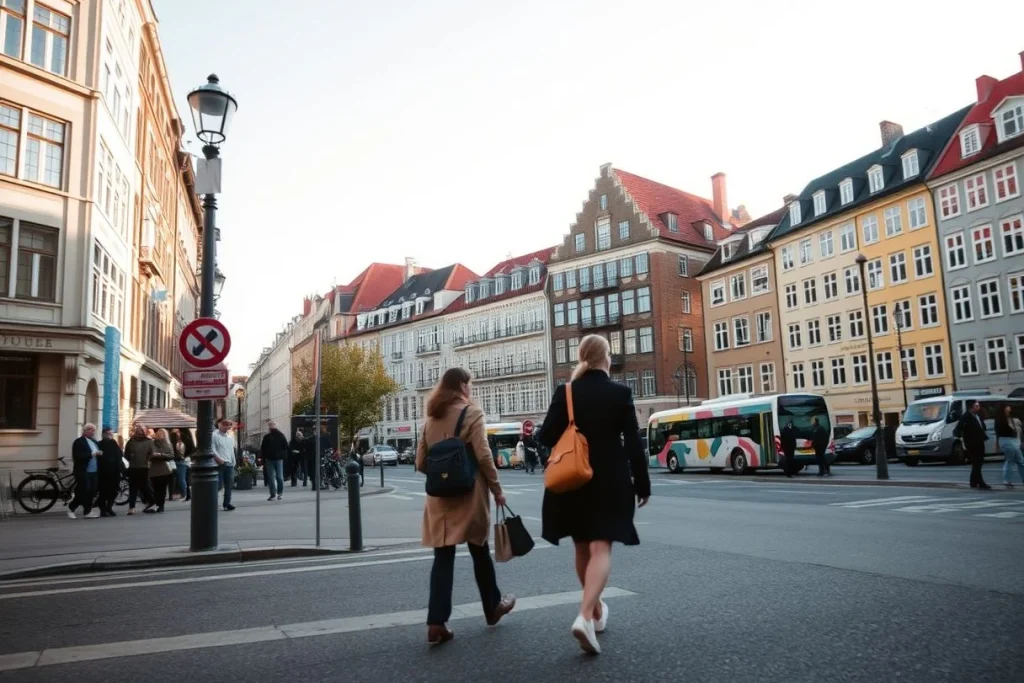
Copenhagen is the easiest city here to shape into a dependable three-day rhythm. Begin with Nyhavn and canal-side wandering, add Tivoli as the evening’s focal point, and use Kongens Have for a quieter interval between meals and museums. Food-led neighbourhoods and bikeable streets extend the experience beyond the postcard centre, while cycling remains entirely optional. VisitCopenhagen’s own three-day outline supports this structure.
Late spring through early autumn gives the longest, most useful daylight for moving between neighbourhoods, though check current weather and event information. A central stay keeps the plan walkable and makes it simple to return for a rest before dinner. Copenhagen’s trade-off is not logistics but focus: its breadth can tempt couples into overplanning, when the best version is one anchor each day and time left for a bakery, garden or long meal.
| City | Best for | Signature evening | Strongest season | Principal drawback |
|---|---|---|---|---|
| Porto | River scenery and compact logistics | Gaia cellar visit and viewpoint walk | Spring to autumn | Hills and uneven surfaces |
| Seville | Warm evenings and layered history | Las Setas followed by Triana tapas | Spring and autumn | Summer heat |
| Ljubljana | Slow, low-stress city time | Ljubljanica riverside dinner after the castle | Spring to early autumn | Smaller range of major sights |
| Bruges | Medieval atmosphere with little transport | Canal route and intimate dining | Spring or early autumn | Cobbles and visitor congestion |
| Tallinn | Historic character with a modern contrast | Toompea sunset and contemporary dining | Late spring to early autumn | Uneven historic surfaces |
| Bergen | Urban sightseeing beside nature | Fløibanen views followed by seafood | Late spring to early autumn | Changeable weather |
| Matera | A slower, highly distinctive escape | Sassi terrace sunset and cave stay | Spring to autumn | Steep lanes and stairs |
| Copenhagen | Food, design and an easy three-day structure | Tivoli after Nyhavn or Kongens Have | Late spring to early autumn | Easy to overfill the itinerary |
The seasons above are planning guidance rather than a forecast. Check official weather, attraction, event and transport pages close to travel, particularly for Seville’s Alcázar, Bergen’s Fløibanen and museums, and major sights in Bruges and Porto.
Making a 48–72-hour European city break work
A long weekend in Europe works best when the trip is designed around arrival friction rather than a long attraction list. Choose one central base, plan one anchor experience per day and keep at least one uncommitted stretch for a slow lunch, a riverside walk or an early night. That is enough for a satisfying 48–72-hour visit, provided the route is chosen carefully.
Choose the right flight pattern
For couples travelling from North America, prioritise an overnight transatlantic flight with an early arrival, then compare direct services with simple one-stop routes. This approach leaves more usable time on the ground than a late arrival followed by a first morning spent recovering; Visit Porto’s planning material also recommends prioritising overnight flights, early arrival and straightforward routing for a short stay.
Do not build the article—or your booking—around a fixed flight time. Schedules, connections and seasonal routes change, so check the airline and airport websites for live options before paying. Allow for the journey from the airport to your accommodation, but verify the current transfer choices and timings with the destination airport, official transport operator or hotel rather than assuming a taxi or train will be fastest.
Protect the first day
After landing, drop your bags and walk one neighbourhood rather than crossing the city for a headline attraction. In Porto, that could mean the Ribeira waterfront and a view towards the Dom Luís I Bridge; in Ljubljana, follow the Ljubljanica riverbanks and bridges before dinner. The aim is to become oriented without spending your first afternoon in a queue or rushing between reservations.
Keep the first evening deliberately light: one good dinner, a short stroll and sleep at a sensible local hour. Save the most demanding climb, museum sequence or timed admission for the following day. This is particularly valuable after an overnight flight, when a plan that looks efficient on paper can feel punishing by late afternoon.
Stay central, but check the exact address
A room in or directly beside the historic core makes a short break feel longer. Consider Ribeira in Porto, Santa Cruz in Seville, central Ljubljana, the medieval core of Bruges, Tallinn Old Town, the area near Bryggen in Bergen, the edge of Matera’s Sassi or central Copenhagen. The practical advantage is evening access: you can return to change, rest or collect a forgotten layer without spending the night on transport.
Central does not always mean effortless. Old quarters can bring cobbles, slopes, stairs and narrow pavements, while a room directly above a restaurant or nightlife street may trade convenience for quiet. Read the property’s access information carefully and confirm lift access, street approach and late-arrival arrangements before booking; this is more useful than choosing by neighbourhood name alone.
Build around one anchor per day
Give each full day one defining experience and one smaller complement. A Seville day might centre on the Alcázar, followed by time in Santa Cruz and tapas in Triana. In Bruges, pair the Markt and Belfry with a canal route. In Bergen, use Bryggen as the urban anchor and the Fløibanen for a panoramic change of scene; Visit Norway identifies both as key parts of the city’s appeal.
Leave a generous gap around that anchor. A three-day itinerary should not contain three packed sightseeing days: arrival day, one substantial full day and a slower final morning can be more enjoyable than a checklist. Matera’s Sassi, Ljubljana’s riverside cafés and Copenhagen’s Kongens Have all reward wandering without a timed objective.
Book selectively
Reserve the experience that would disrupt the trip if you missed it, not every meal and viewpoint. Seville’s official visitor material recommends booking the Alcázar online to avoid queues, making it the clearest advance-booking priority in this shortlist. For other cities, check the official pages for Fløibanen, Bergen museums, Bruges canal routes, Tivoli, Porto viewpoints and any attraction with a timed entry.
Recheck opening hours, capacity rules, closures and booking conditions close to departure. Those details can change by season or event period, and a third-party listing may not reflect the latest operating information. Keep one flexible evening for a restaurant recommended locally or a view you discover while walking.
Walk first; use transport strategically
These destinations work because the principal weekend areas are compact. Walking should be the default for the old centre, riverfront or harbour, with public transport, taxis or pre-arranged transfers reserved for airport connections, longer cross-city journeys and steep sections. Porto’s riverfront, Ljubljana’s bridges and Bruges’ medieval centre are particularly suited to an unhurried walking rhythm, according to the destination tourism offices.
Bikes can add pleasure in Copenhagen, where they suit the city’s design-led, neighbourhood-focused pace, but they are not essential for a three-day visit. In Porto, Matera and Tallinn, uneven surfaces and gradients may make walking routes more practical for some travellers. Check route conditions rather than assuming that a compact city is automatically easy for limited mobility: verify stair-free entrances, lifts, gradients, cobblestones and accessible transport city by city.
Choose the season, then check the conditions
Southern choices—Seville, Porto and Matera—are most appealing for warm spring-to-autumn evenings, while Bergen, Copenhagen and Tallinn generally suit late spring to early autumn, when longer daylight supports a fuller walking day. June, July, August and December are peak travel periods in the supplied planning guidance, so expect greater pressure on rooms and attractions without assuming availability or prices.
Seasonal suitability is not a forecast. Check official weather information for heat in southern Europe and rain or wind in Bergen, Copenhagen and Tallinn. Before travelling, review official event and transport pages six to eight weeks ahead for festivals, strikes, road closures and diversions; if visiting Ljubljana during the UEC Road European Championships on 2–7 October 2026, check Visit Ljubljana and local transport updates for event-related effects.
Check entry rules separately
Passport validity, visa requirements and ETIAS arrangements can change, and the supplied research does not verify the current position for US or Canadian travellers. Check the official government travel site for your nationality and the embassy or consulate of the destination before booking, then recheck the guidance shortly before departure. This is also where to confirm any transit-country requirements for a one-stop flight.
Choose the city that matches your evening
Choose the city that matches your evening
Start with the evening you want to remember. Porto and Ljubljana give couples the most balanced long weekends, with compact historic centres, riverside walks and room for an unplanned dinner. For warmer evenings and a more dramatic setting, choose Seville or Matera. Copenhagen suits a polished three-day rhythm built around design and food, while Bergen brings mountain-and-harbour scenery close at hand. Bruges and Tallinn are for couples who prefer medieval streets and old-world atmosphere.
Keep the plan deliberately small once you’ve chosen: one central boutique stay, one bookable signature experience and a short restaurant list within easy reach. That could be a Gaia tasting in Porto, a visit to the Alcázar in Seville, a canal route in Bruges or a Fløibanen ride in Bergen. Check live flight schedules and transfer options before paying, then confirm attraction availability, weather and entry information with the relevant official sources. On a 48–72-hour trip, simplicity makes the flight worthwhile.
Frequently asked questions
Is three days really enough for a European city break from North America?
Yes, if the trip is designed around one central base, one or two signature experiences and a deliberately light schedule. The planning approach supported by Visit Porto prioritises an overnight transatlantic flight, early arrival and direct or simple one-stop routing, but live flight schedules must be checked before booking. Compact choices such as Ljubljana, Bruges and Tallinn are particularly suited to 48–72 hours because their key areas can be explored largely on foot. Visit Porto and Visit Ljubljana support this approach.
Which of these destinations is the most romantic for couples?
Matera makes the strongest choice for couples seeking an unusual, slow-moving setting: the Sassi di Matera cave dwellings create a distinctive backdrop, and cave accommodation is a signature experience to investigate. Porto is the better alternative if you want riverside dinners, a walk across the Dom Luís I Bridge and a port-cellar visit in Gaia within a compact area. Treat “most romantic” as a question of atmosphere rather than a universal ranking. UNESCO’s Matera reference documents the heritage setting.
Should we choose a southern city or a northern city for our weekend?
Choose Porto, Seville or Matera for warm spring-to-autumn evenings, outdoor dining and a more sun-oriented rhythm, while recognising that southern destinations can be uncomfortable in periods of extreme heat. Bergen, Copenhagen and Tallinn are strongest from late spring to early autumn, when longer daylight helps couples fit in a viewpoint, waterfront walk and dinner without rushing. Weather, events and transport can change, so check official destination pages close to departure. Visit Seville provides current destination planning material.
How can we make the first day work after an overnight flight?
Keep arrival day geographically tight: stay in or near the historic core, arrange only a gentle walk and choose one view or neighbourhood rather than a full sightseeing sequence. In Porto, that could mean the Ribeira waterfront and a viewpoint; in Ljubljana, the Ljubljanica riverbanks and bridges offer a slower introduction before dinner. Prioritise an overnight flight and early arrival where schedules allow, then verify the live routing and transfer details before booking. Visit Ljubljana describes the river-centred setting.
Which sights or experiences should we reserve before departure?
Reserve Seville’s Alcázar online: official visitor material specifically recommends advance booking to avoid queues. For other cities, check the official attraction or destination website before travelling for current opening hours, visitor limits, closures and booking requirements, particularly for Bergen’s Fløibanen and museums, major Bruges sights and Porto viewpoints. Do not assume that a landmark or canal route has the same availability in every season. Visit Seville’s two-day guide is the relevant source for the Alcázar advice.
Which cities are easiest if one traveller has limited mobility?
No city on this list should be described as universally accessible without checking the individual route and attraction. Ljubljana’s compact, river-centred layout is a sensible place to investigate first, while Copenhagen’s structured three-day format can also suit a carefully planned stay; confirm step-free access, gradients, transport and toilets directly with each provider. Take particular care with cobbles, stairs and uneven historic surfaces in Bruges, Tallinn, Matera and Porto, and verify access to viewpoints, bridges and historic buildings before departure. Visit Ljubljana provides the starting point for checking the city’s sights.