
On Nyepi, Bali’s Day of Silence, transport and many services are restricted across the island, turning a normally busy holiday destination into a place of stillness. That contrast captures why planning matters here: Ubud’s rice terraces, spas and cultural evenings feel very different from the restaurant-lined streets and sunset beaches of the south coast.
This Bali travel guide is for couples who want scenic dinners, boutique accommodation, walkable evenings and time to slow down, rather than a checklist of every corner of the island. It will help you choose between Ubud, Seminyak, Jimbaran, Canggu and Nusa Dua, pick dates around weather and crowds, understand the realities of traffic and boat trips, and build a practical seven- to 10-day plan with two bases.
Quick answer: For most couples, spend three to four nights in Ubud for culture, rice terraces, spas and slower evenings, then three to five nights on the south coast for beaches, sunsets and dining. April–May and September–October usually offer a useful balance of clearer conditions, fewer crowds and better value; check entry eligibility, passport validity, Nyepi dates and boat conditions before booking.
Why Bali works for a couples’ two-base holiday
Bali works particularly well for couples because the island can shift from inland culture to coastal evenings without turning the holiday into a daily hotel change. In Ubud, share a rice-terrace walk, book a cooking class or spa treatment, and leave time for slow dinners. On the south coast, plan an Uluwatu sunset with a Kecak dance, then choose a Jimbaran seafood barbecue for dinner.
The appeal is the contrast: Balinese rituals and subak landscapes one day, warm-water beaches and sunset restaurants the next. Boutique hotels and private villas also make it easy to build in unhurried mornings, which suits a couple better than an island-wide checklist.
There are trade-offs. Traffic can make short-looking journeys tiring, popular resort areas can feel crowded, and excursions to places such as Nusa Penida take a long day. Keep the trip to roughly three or four nights per base for seven to ten days, rather than adding another stop simply to collect another view.
Best time to visit Bali: weather, crowds and Nyepi
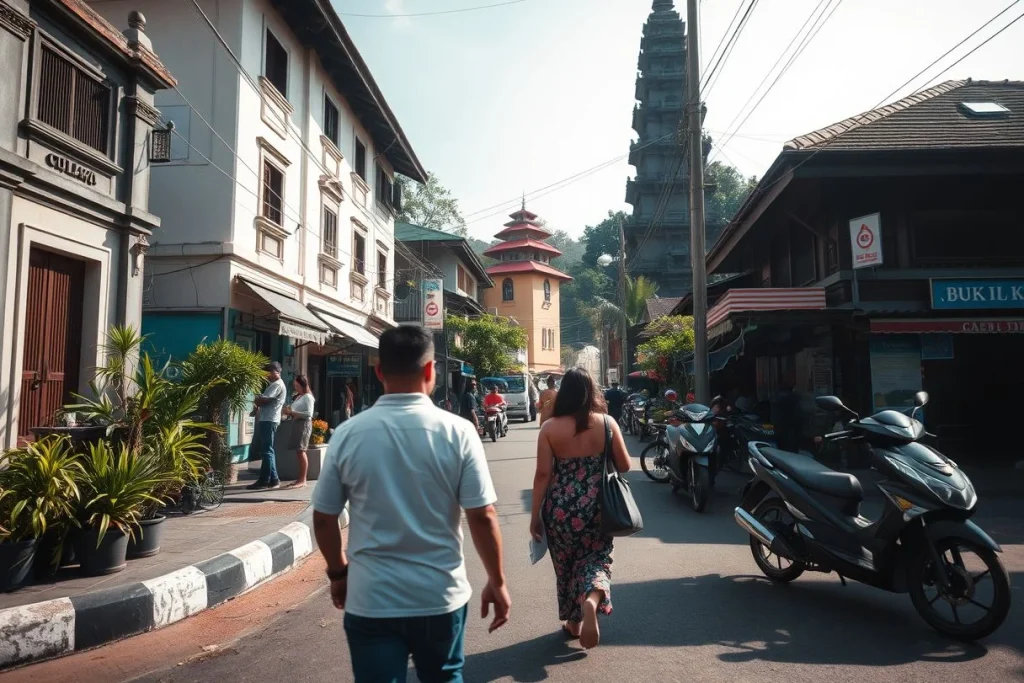
For most couples, April–May and September–October offer the most useful compromise: generally clearer conditions for beaches, snorkelling and boat trips than the wetter months, without the peak demand of mid-year and December. The best time to visit Bali still depends on whether you value dependable outdoor plans or quieter, potentially better-value travel.
| Months | Typical conditions | Crowds | Best for couples |
|---|---|---|---|
| April–May | Dry-season pattern begins; clearer outdoor conditions | Moderate | Strong balance for beaches, Ubud walks and flexible sightseeing |
| June–August | Dry and generally favourable for coastal activities | Peak | Most reliable for boat trips, but book popular stays and dinners early |
| September–October | Dry-season conditions usually continue | Moderate | Good mix of outdoor weather, space and value |
| November–March | Wetter, with showers that can disrupt outdoor plans | Generally quieter | Suitable for spa time, restaurants and slower days; keep plans flexible |
| December | Wetter-season conditions | Peak demand | Festive travel, but expect stronger demand for accommodation |
The climate pattern above follows the Bali (Denpasar) climate guide from climate-data.org; conditions vary, so check the forecast before committing to a boat excursion. Nyepi, the Balinese Day of Silence, is a separate planning issue: on 19 March 2026, transport and many services were restricted across the island, according to the Badung Regency 2026 event page. The date changes annually. Check the relevant year’s official notice before booking flights, transfers or a hotel night around Nyepi.
How to get to Bali: flights, ferries and the missing train link
Most international visitors arrive through Ngurah Rai International Airport (DPS), Bali’s primary international and domestic gateway near Denpasar. From the airport, continue by car to your first base: Ubud, Seminyak and Jimbaran are all reached by road, but the journey can vary sharply with traffic, roadworks and arrival time. A pre-booked transfer is the simplest choice for a couple arriving with luggage, particularly after a long flight.
Bali has no long-distance rail connection. Travellers arriving overland from Java need a road journey and the Bali–Java ferry crossing at Gilimanuk, so this route suits a longer Indonesia itinerary rather than a quick Bali break. Ferries and fast boats are also relevant for connections to Nusa Penida, Nusa Lembongan or Java, but they do not replace flying into DPS for most international arrivals.
Check the latest airport, road and boat operating information before departure. For island transfers, allow more time than the map suggests; a short-looking route can become a slow one when traffic builds between the airport, the south coast and Ubud.
Where to stay in Bali: choosing Ubud, Seminyak or Jimbaran
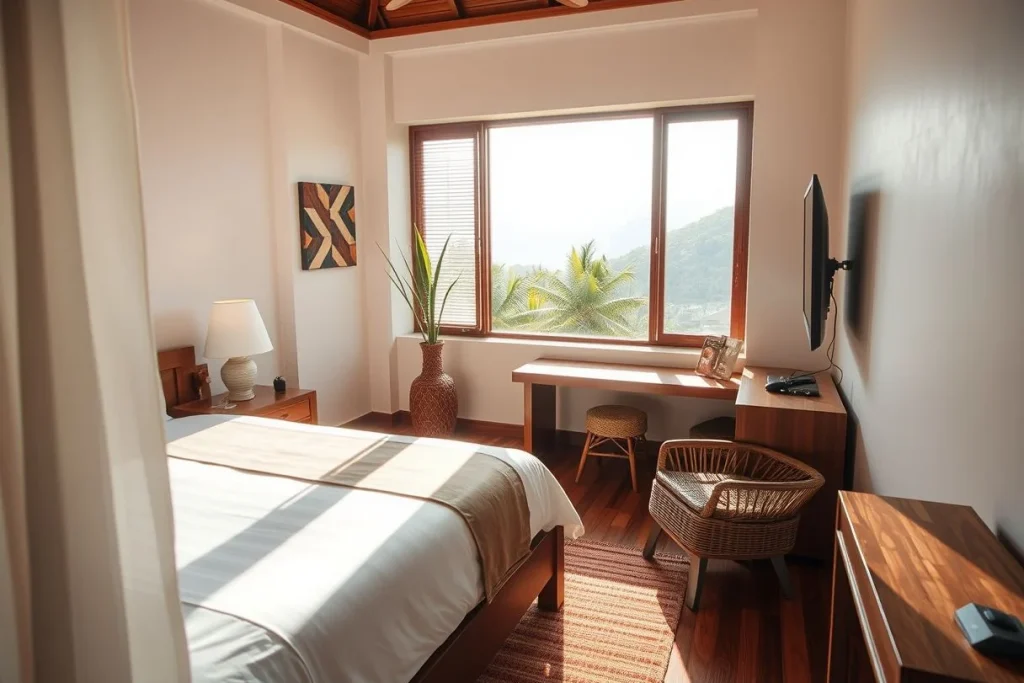
For most couples, the simplest choice is a two-base stay: three to four nights in Ubud, then three to five nights on the south coast. Ubud brings boutique hotels, villas, spas, cultural outings and slower evenings; the coast adds beaches, sunsets and more choice for dinner. Area names are only a starting point: check the property’s exact road access, pool privacy and whether you can walk to restaurants after dark.
| Base | Atmosphere | Best accommodation | Ideal for | Trade-off |
|---|---|---|---|---|
| Ubud | Inland, cultural and unhurried | Boutique hotel or private villa | Couples wanting rice terraces, spas and wellness | No beach; roads around town can be busy |
| Seminyak | Restaurant-led, social and sunset-focused | Boutique hotel or private pool villa | Walkable evenings, dining and nightlife | Less tranquil and busier than Ubud |
| Jimbaran | Laid-back southern coast | Beach hotel or resort | Seafood dinners, sunsets and airport convenience | Fewer independent evening options |
| Canggu | Café-driven and surf-oriented | Design hotel or villa | Couples who enjoy a trend-focused scene | Traffic and a busier atmosphere |
| Nusa Dua | Polished and resort-centred | Full-service resort | Calm beach time with hotel facilities | Less local character and nightlife |
These distinctions broadly match the area guidance from visitbali.com. For a more private, atmospheric stay, choose a Ubud villa with a genuinely quiet pool; for easy shared dinners, Seminyak is the more practical base. Jimbaran works particularly well at the end of a trip, reducing the complexity of reaching Ngurah Rai International Airport.
Best things to do in Bali for couples
Best things to do in Bali for couples

Bali suits couples best when each day has one clear anchor rather than a packed list. Choose an experience that matches your energy, then leave room for a long lunch, a swim or an unplanned walk.
Make Uluwatu your dramatic evening. Combine Uluwatu Temple (Pura Luhur Uluwatu) with the Kecak dance, arriving before sunset and allowing time for crowds; keep belongings secure around the monkeys. Cliffs, changing light and a performance come together in one outing. It’s less appealing if you prefer a quiet, unstructured evening.
A slower shared day starts with an Ubud cooking class and a spa treatment. The combination provides a cultural activity without another long transfer, leaving the evening deliberately light. Ubud’s setting also makes a short morning visit to the Tegallalang rice terraces practical; go early for cooler conditions and fewer visitors, according to Nomado Travel.
Couples who want wider rural views should choose Jatiluwih rather than trying to fit several rice-terrace stops into one morning. Its Balinese subak irrigation context rewards visitors who enjoy walking and photography. Tegallalang works better when you want a concise scenic outing from Ubud.
Mount Batur’s sunrise trek makes sense for fit couples comfortable with a pre-dawn start. Use a certified guide and consider hot springs afterwards. It isn’t a sensible choice after a late arrival or before a transfer day.
Jimbaran offers an easy final-night ritual: fish grilled to order at a beachfront seafood barbecue. Nusa Penida has more dramatic cliffs but demands a long, weather-sensitive day, while Nusa Lembongan provides a gentler island outing; check sea conditions and operator notices first. Keep at least one half-day unscheduled. In Bali, downtime is part of the itinerary.
Top Bali attractions and how to visit them well
Top Bali attractions and how to visit them well
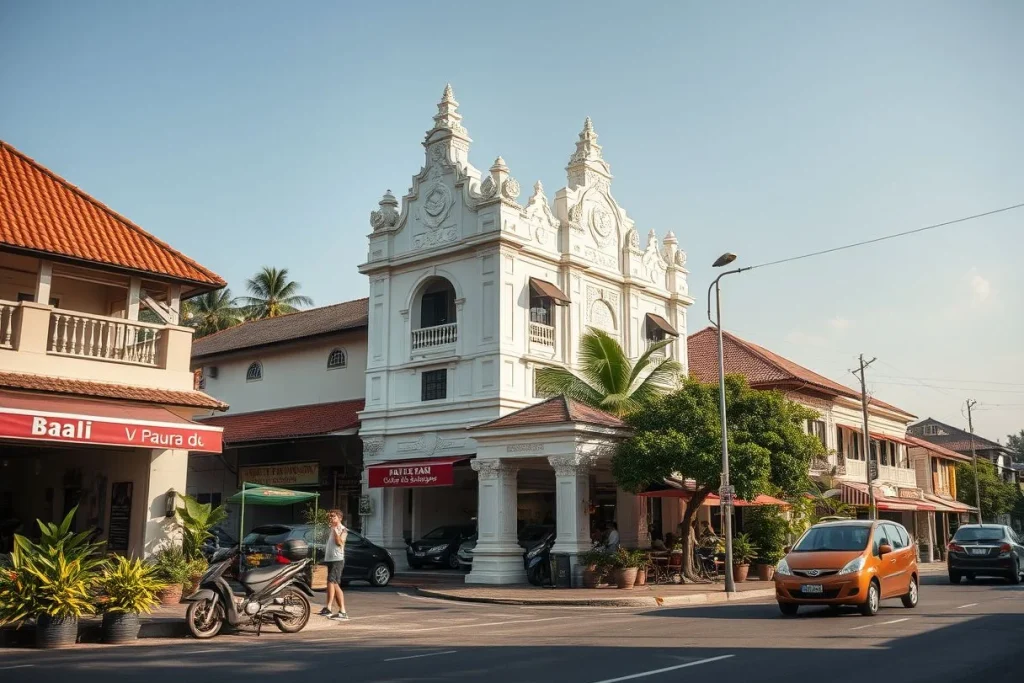
Choose attractions by atmosphere and travel effort, rather than trying to collect them all. Uluwatu and Tanah Lot suit sunset, while Ubud’s sights work better early in the day. Nusa Penida is a separate, weather-dependent commitment. Check opening hours, tickets and operating rules directly with each attraction or operator before travelling.
| Attraction | Best time | Effort and pairing | Watch for |
|---|---|---|---|
| Uluwatu Temple | Late afternoon | Moderate visit; pair with the Kecak dance | Sunset crowds and monkeys; cover shoulders and knees. |
| Tanah Lot | Late afternoon | Easy visit; pair with dinner | Heavier sunset crowds and changing tide conditions. |
| Tegallalang rice terraces | Early morning | Short scenic outing from Ubud | Arrive early for cooler conditions and fewer visitors. |
| Jatiluwih rice terraces | Morning or afternoon | Longer outing; allow time for the wider subak landscape | Its more distant setting needs careful transfer planning. |
| Sacred Monkey Forest Sanctuary | Morning | Convenient Ubud culture-and-nature stop | Secure loose belongings and check current operating information. |
| Mount Batur | Pre-dawn | Demanding hike; consider hot springs afterwards | Use a certified guide and plan around the early start. |
| Nusa Penida | Only in suitable conditions | Long day; choose it for cliffs and beaches | Check sea conditions and operator reliability before booking. |
These priorities align with attraction guidance from Trip.com and Nomado Travel. For a gentler island day, consider Nusa Lembongan instead. Check the forecast and boat notices before travelling.
Bali neighbourhoods: which base fits your couple?
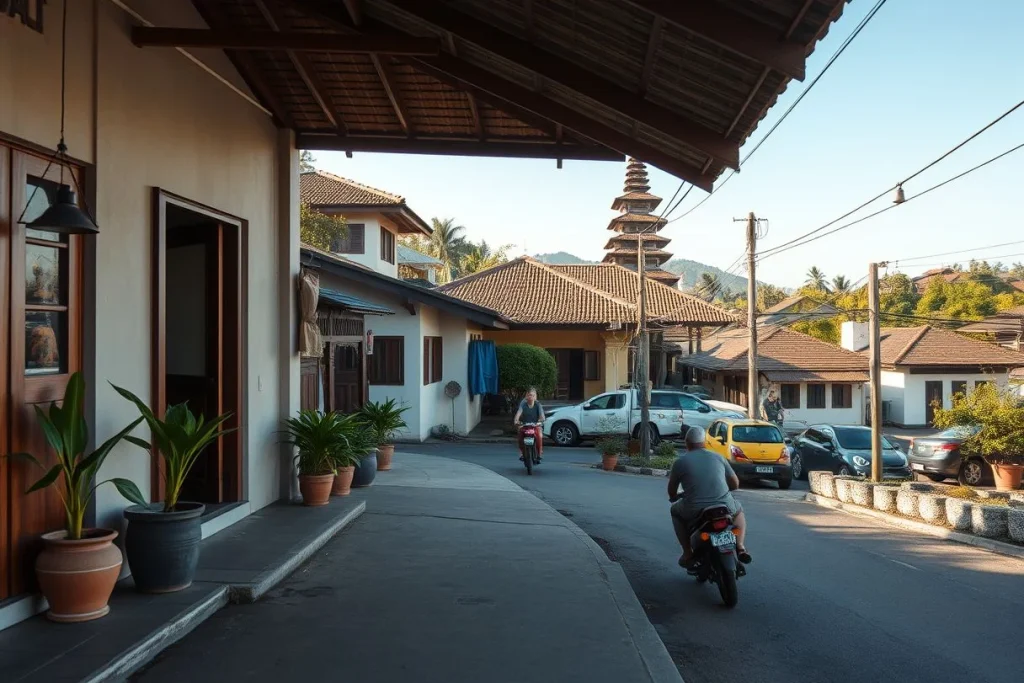
Choose your base by the evenings you want, not only by the beach or hotel. Bali’s traffic can make neighbouring areas feel much farther apart than they appear on a map, so a couple who values walkable dinners should stay close to its preferred restaurants rather than commute nightly.
| Area | Choose this if | Not this if |
|---|---|---|
| Central Ubud | You want culture, spas, rice terraces and cafés within a slower, walkable evening. | Your priority is swimming and a beach sunset. |
| Seminyak | You want restaurants, boutiques, sunset venues and a lively evening base. | You want rural quiet or an entirely resort-led stay. |
| Jimbaran | You want a southern sunset, beachfront seafood dinner and a relatively convenient airport position. | You want extensive café-hopping or nightlife. |
| Canggu | You enjoy cafés, surf culture and a trend-focused scene. | You are seeking tranquillity; it generally feels busier. |
| Nusa Dua | You prefer full-service resorts and calmer beach time. | You want a strongly local, walkable neighbourhood atmosphere. |
| Sanur | You want a calmer, practical base and a useful departure point for boats. | You are choosing Bali mainly for dramatic cliffs or a busy dining scene. |
These distinctions broadly match the area guidance from visitbali.com and Rough Guides. For a first trip, central Ubud paired with Seminyak or Jimbaran gives the clearest contrast; choose Sanur instead when a gentler pace matters more than sunset drama.
What to eat in Bali: dishes and settings worth seeking out
Start with a warung for approachable local food. Babi guling is Balinese roast pork served with rice and accompaniments; nasi campur combines rice with small portions of meat, vegetables and sambal; and nasi goreng is a familiar fried-rice choice when you want something simple. Ask about the spice level, particularly if sambal is served separately, and order a couple of dishes to share.
Ubud suits couples who want food to be part of a slower day: pair a cooking class with a spa visit, or choose cafés and wellness-oriented menus between cultural outings. The south coast offers more restaurant variety, beach-club settings and evening dining. In Jimbaran, a seafood barbecue makes a memorable shared dinner: choose the seafood, confirm the price before it is cooked, and settle in for a beachfront meal around sunset.
At any venue, ask whether bottled water is available and clarify what is included with the dish. A warung is usually the practical choice for a quick local meal; a longer Ubud dinner or Jimbaran seafood barbecue works better when the evening itself is part of your plan.
Getting around Bali: drivers, ride-hailing and scooters
For airport transfers, moving between Ubud and the south coast, and longer day trips, a private car with driver is the most comfortable choice for a couple. It avoids the concentration required on unfamiliar roads and lets you keep the day together, although traffic can make the south-coast–Ubud journey slower than the map suggests. Agree in advance whether fuel, parking and waiting time are included.
Grab and Gojek work well for shorter journeys in many tourist areas, especially when you want separate rides rather than a full-day hire. Around some hotels, temples and attractions, app pick-up may be restricted; ask the venue where drivers can stop, or use a metered taxi or hotel-arranged car instead.
A scooter is only sensible for a properly licensed, experienced rider who is comfortable with Bali’s traffic and road conditions. The US State Department’s Indonesia travel advisory warns that road accidents are a significant risk; use an appropriate licence and helmet, and do not ride at night. A couple should not assume one scooter is a safe solution for every route, particularly for luggage, longer excursions or wet-weather travel.
Bali travel costs: budget, mid-range and luxury estimates
Plan Bali travel costs per person per day rather than as one island-wide figure. The estimates below are in US dollars, based on June 2026 travel-budget data compiled from 2025–2026 sources, and exclude international flights.
| Estimated daily spend (per person, June 2026) | Accommodation and travel style |
|---|---|
| Budget: US$30–50 | Guesthouse or dorm, warung meals and local transport |
| Mid-range: US$80–200 | Private double room or villa, restaurant meals and some private-driver use |
| Luxury: US$300+ | High-end accommodation, dining and private transport |
Basis and date: per person per day, as of June 2026; compiled from 2025–2026 travel budgets, including the estimates reported by Staywise. International flights are not included.
For couples, the main swing factor is the room: sharing a private room can make mid-range travel more efficient than booking two budget beds, while a private villa raises the average quickly. Add more for boat trips to Nusa Penida or Nusa Lembongan, guided Mount Batur treks, spa treatments, airport transfers and private drivers. June to August and December can also bring stronger hotel demand; check live accommodation, transport and activity prices before booking.
| Item | Budget | Mid-range | Luxury |
|---|---|---|---|
| Estimated daily travel spend per person | US$30–50 | US$80–200 | US$300+ |
Estimated ranges based on the sources listed below. Prices change; check with providers before booking.
A relaxed 7-day Bali itinerary for couples
For a seven-day Bali itinerary, use Ubud for the first three nights and the south coast for the final four. This keeps the trip to two hotel changes while pairing inland culture with beaches, sunsets and dinners.
Days 1–3: Ubud

Day 1: Arrive at Ngurah Rai International Airport (DPS), transfer to Ubud and keep the evening deliberately light. A relaxed dinner and an early night will serve you better than adding a same-day excursion.
Day 2: Visit the Tegallalang rice terraces early, when the outing is cooler and generally less crowded; choose Jatiluwih instead if you want a broader rural landscape and an introduction to Bali’s subak irrigation culture. Return to Ubud for an unhurried lunch and a spa or free afternoon.
Day 3: Visit the Sacred Monkey Forest Sanctuary, securing loose belongings, or take a Balinese cooking class. Leave the evening open for a restaurant and a walkable wander through Ubud rather than adding another distant sight.
Days 4–7: the south coast

Day 4: Transfer south by private car with a traffic buffer. Settle into Seminyak or Jimbaran, then keep the first evening close to the hotel.
Day 5: Make Uluwatu Temple (Pura Luhur Uluwatu) the main outing. Arrive before sunset, allow for crowds and monkeys, and see the Kecak dance; finish with dinner in Jimbaran, where seafood is grilled to order at beachfront venues.
Day 6: Add Nusa Penida or the more relaxed Nusa Lembongan only if weather, sea conditions and your energy are favourable. Check operator notices before departure, and never place a boat day immediately before an international flight.
Day 7: Keep a final beach, café or pool day before travelling to the airport. For eight to 10 days, add a full rest day, a Mount Batur sunrise trek for fit travellers, or a second south-coast day rather than stacking excursions.
Bali entry requirements and safety guidance
Entry requirements: check your passport-specific rules
As of 21 September 2026, do not assume that one visa rule applies to every nationality. Indonesia’s Directorate General of Immigration manages electronic Visa on Arrival and conventional Visa on Arrival processes; check your eligibility, permitted stay and application route on the official e-visa portal immediately before booking and again before departure. Your passport must be valid for at least six months from the arrival date, according to the published Indonesia e-VOA guidance.
Also verify any current health or arrival requirements with Indonesian immigration and your airline. Nyepi is a separate planning issue: on 19 March 2026, the Balinese Day of Silence restricted transport and many services across the island; the date changes annually, so check the relevant year before confirming flights or accommodation.
Safety guidance for couples
Road accidents are a significant practical risk. If you ride, use an appropriate licence and a properly fastened helmet, and avoid riding at night; inexperienced scooter riders should choose a car with driver or a reputable ride-hailing service instead. Before travelling, read the current government advisory: the U.S. Department of State’s Indonesia advisory cited here was updated on 7 July 2026.
For Nusa Penida or Nusa Lembongan, check weather, sea conditions and operator notices on the day. At temples, cover shoulders and knees, use a sarong where required and follow local instructions.
Bali travel tips that save time and avoid awkward surprises
Small practical choices make Bali’s traffic, temple etiquette and changing sea conditions much easier to manage:
- Build in generous transfer time. Traffic can turn a south-coast–Ubud journey into a slow one, so avoid scheduling a sunset booking or flight soon after arrival.
- Make the first night easy. Choose accommodation near a practical transfer route, particularly after a late arrival at Ngurah Rai International Airport (DPS).
- Check that “walkable” means walkable for your plans. Confirm the actual route to restaurants, the beach or cafés; Bali’s heat, traffic and uneven pavements can make short map distances tiring.
- Pack a light sarong or scarf. Cover shoulders and knees at temples, and use a sarong when local rules require one.
- Keep belongings secured near monkeys. At the Sacred Monkey Forest and other monkey sites, avoid loose glasses, food, jewellery and phone straps.
- Carry small rupiah notes. They are useful for local purchases and places where card payment may not be available.
- Confirm every boat detail. Recheck the operator, departure harbour, cancellation policy, weather and sea conditions before travelling to Nusa Penida or Nusa Lembongan.
- Arrange connectivity before landing. Download offline maps and install or prepare your chosen eSIM, SIM or ride-hailing apps before leaving the airport.
- Treat Nyepi as a stay-put day. Transport and many services were restricted across Bali on 19 March 2026; verify the relevant date, attraction hours and transport rules with official sources before booking.
Conclusion: book two bases, not an island-wide checklist
For a seven-to-ten-day Bali holiday, book three to four nights in Ubud and three to five nights on the south coast. That split gives you rice terraces, spas and slower evenings first, then beach time, sunsets and dinners without turning every day into a transfer.
Choose dates around the weather and Nyepi before confirming hotels. Then reserve the two stays, arrange an airport transfer and book only the excursions most vulnerable to weather or sea conditions; keep the rest flexible. This leaves room to slow down if traffic, rain or heat changes your plans.
Choose Seminyak for boutique accommodation, restaurants and walkable evening atmosphere. Choose Jimbaran for a quieter base, beachfront seafood and convenient airport access. Once those decisions are made, a two-base Bali itinerary is more rewarding than trying to cover the whole island.
Frequently asked questions
How many nights should couples spend in Ubud rather than on the coast?
For a seven- to 10-day trip, plan roughly three to four nights in Ubud and three to five nights on the south coast. Ubud suits couples who want rice terraces, culture, spas and slower evenings, while Seminyak, Jimbaran or Nusa Dua provide easier access to beaches, sunsets and dinners. This split also avoids making every day a long road transfer, according to visitbali.com’s area guide.
Is Nusa Lembongan a better island day trip than Nusa Penida for a relaxed holiday?
Usually, yes. Nusa Lembongan is the calmer choice for couples who want a more relaxed island excursion, while Nusa Penida is better for dramatic cliffs and beaches but involves a long day and potentially rough boat conditions. For either island, check weather, sea conditions and the operator’s current notices before travelling, particularly in the wet season.
Can we enjoy Bali without hiring a scooter?
Yes. Grab and Gojek are useful for shorter trips in tourist areas, and a private car with driver is more comfortable for longer day trips and transfers. Avoid treating a scooter as essential: road accidents are a significant practical risk, especially for inexperienced riders. Anyone who does ride should use the appropriate licence and a helmet, take care in traffic and avoid riding at night, as advised by Travel.State.gov.
What should couples wear when visiting Balinese temples?
Wear clothing that covers the shoulders and knees, and follow the rules displayed at each temple. Use a sarong where one is required. This is practical to plan into a day of sightseeing: keep a light cover-up or sarong accessible rather than relying on beachwear, particularly when visiting Uluwatu Temple, Tanah Lot or other sacred sites. The guidance is included in the Bali attraction recommendations cited by Trip.com.
Is Mount Batur suitable if we are not experienced hikers?
Mount Batur is best suited to fit couples who are comfortable with a pre-dawn hike, rather than as a casual sightseeing stop. If you are not experienced hikers, assess the early start and physical effort honestly before booking, and use a certified guide. Couples who prefer a slower morning can choose Tegallalang or Jatiluwih rice terraces instead, followed by a spa or cooking class.
Which Bali base works best for a quiet anniversary or honeymoon?
Choose Ubud for a quieter inland mood, with culture, rice terraces, spas, wellness and slower evenings. For beach time, Nusa Dua is oriented towards full-service resorts and calmer days, while Jimbaran adds southern sunsets and beachfront seafood dinners. Seminyak is more suitable if restaurants, boutique accommodation and walkable evenings matter more than complete quiet. These area distinctions are outlined by visitbali.com.