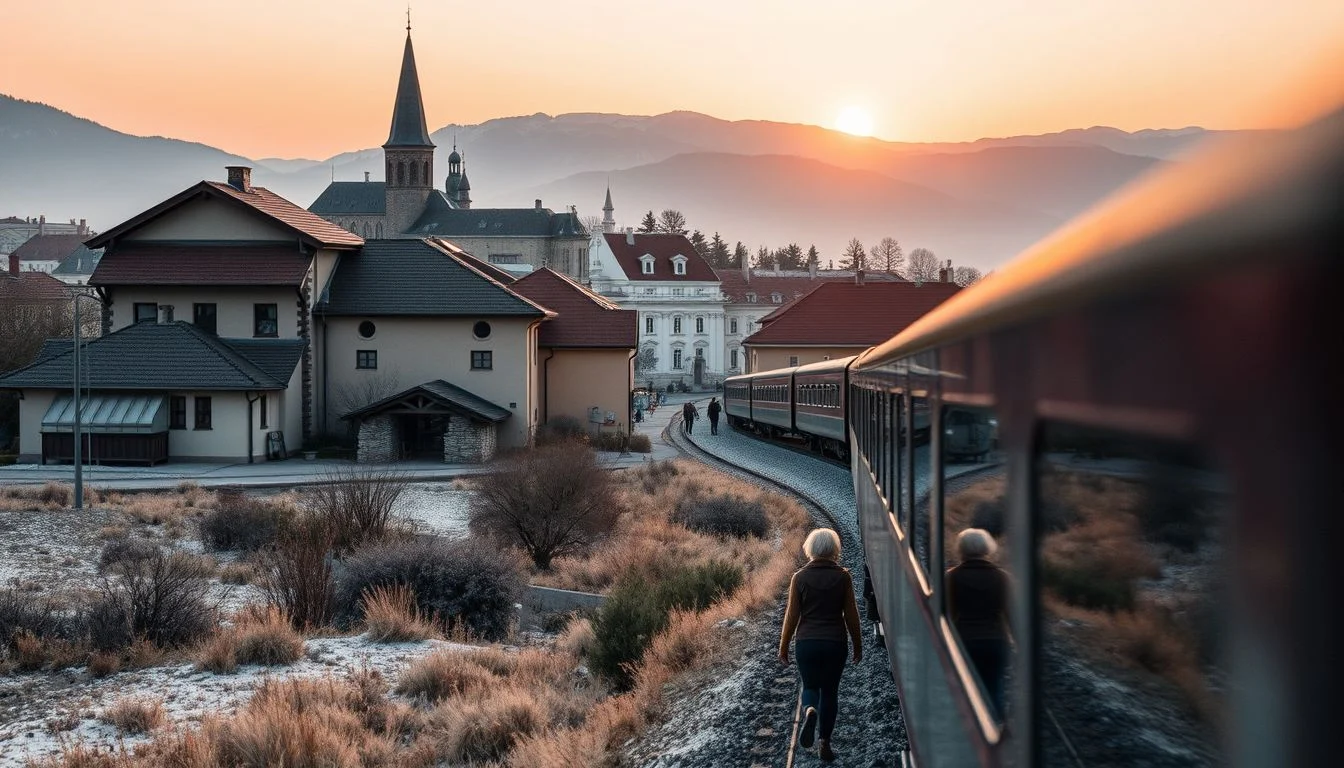
The Venice Simplon-Orient-Express runs through restored Pullman and 1920s–30s carriages, with private accommodation and dedicated dining cars—one precise version of what luxury rail can offer beyond a faster way to travel. Elsewhere, Rocky Mountaineer trades sleeping compartments for daylight views beneath glass-domed GoldLeaf coaches, while Japan’s Shiki-shima and Seven Stars in Kyushu make the journey itself a carefully arranged encounter with regional culture, artisans and cuisine.
This guide to the best luxury train journeys is for affluent travellers comparing the payoff behind the premium fare: privacy, scenery, service, dining, cultural access and a smoother rail-and-hotel itinerary. It will help you choose between European glamour, Canadian wilderness, Japanese immersion, Southern African landscapes, Indian heritage and Andean scenery, then plan the stays, private transfers, excursions and booking lead time around your choice. Fares vary by cabin, route, season and date, so the meaningful comparison is what is included—not an unsupported headline price.
Quick answer: Choose the Venice Simplon-Orient-Express for historic European glamour, Rocky Mountaineer for daylight Canadian Rockies scenery, Japan’s Shiki-shima or Seven Stars for curated cultural travel, Southern African trains for rail-and-wildlife itineraries, and Maharajas’ Express for Indian heritage. Private accommodation, dedicated dining, excursions and seamless transfers may be included, but the details vary by operator, cabin, route and date; request a current itemised quote before booking.
Why choose luxury rail: what the premium fare unlocks
The premium is in the continuity, not simply the cabin
Luxury train travel earns its place in a longer itinerary when it removes several small decisions at once. The fare may combine a private sleeping or sitting space, attentive onboard service, meals, transfers and excursions, while the train itself turns travel time into part of the experience. That is a different proposition from paying for a larger seat on a conventional service: you are buying a carefully managed sequence of landscapes, dining and cultural encounters.
Privacy is one of the clearest benefits, but it is not uniform. The Venice Simplon-Orient-Express uses restored Pullman and 1920s–30s carriages, with private accommodation and dedicated dining cars; confirm the exact carriage and suite category before committing. On the other hand, Rocky Mountaineer’s GoldLeaf is built around daytime viewing, glass-domed accommodation and scenery through Western Canada, with nights spent in hotels rather than on the train.
The landscape also determines what the premium buys. In Japan, Train Suite Shiki-shima’s seasonal multi-day itineraries and Seven Stars in Kyushu’s regional focus put more weight on curated encounters, artisans and cuisine than on covering distance; Seven Stars’ operator reports services resumed on 4 August 2026. In Southern Africa, Rovos Rail can connect a Cape Town–Pretoria journey with a broader rail-and-wildlife itinerary and accepts bespoke group or charter enquiries, while The Blue Train offers a defined Pretoria–Cape Town schedule. Running times, routes and availability need checking for the selected departure.
For heritage-led travel, Maharajas’ Express links major Indian destinations with Rajasthan-focused itineraries and curated cultural experiences; bookings should go through its stated IRCTC-authorised channels or agents. Across all of these journeys, inclusions can change by cabin, route and date. Ask for an itemised quotation that separates rail accommodation, hotel nights, meals, drinks, excursions, private guiding, transfers and gratuities, then compare like with like on the operator’s current terms. The premium is justified when those details match the way you want to travel—not merely because the train carries a famous name.
Which journey fits your travel style? A route-by-payoff comparison
The right choice among the best luxury train journeys depends on what you want the premium fare to deliver: historic atmosphere, uninterrupted scenery, cultural access, wildlife, or a more private way to cross a country. The table below is a starting point rather than a ranking. Routes, carriage allocations and service status can change, so confirm the current itinerary with the operator before making hotel and air arrangements.
| Route and operator | Strongest payoff | Accommodation style | Scenery or culture | Useful bases | Principal trade-off |
|---|---|---|---|---|---|
| Venice Simplon-Orient-Express, Belmond | European glamour and formal rail travel | Restored Pullman and 1920s–30s carriages, with private accommodation and dedicated dining cars | City-to-city cultural itineraries and the romance of historic rolling stock | Venice, Paris, London and other scheduled departure cities | Atmosphere and dining take priority over long stretches of wilderness scenery; confirm the exact carriage and suite |
| Rocky Mountaineer GoldLeaf | Daylight views of Western Canada | Glass-domed GoldLeaf seating on a daytime, multi-day service; nights are hotel-based | Vancouver, the Canadian Rockies and routes connected with Banff and other mountain bases | Vancouver, Banff and Lake Louise | It is not a luxury sleeper train: the journey is scenic and daytime-focused, with separate hotel nights |
| Train Suite Shiki-shima, JR East | Highly curated Japanese rail travel | Private suites on seasonal, multi-day itineraries | Seasonal landscapes and carefully arranged regional encounters | Tokyo and northern Japan, subject to the published itinerary | Advance applications or booking windows and a tightly defined programme leave less room for improvisation |
| Seven Stars in Kyushu, JR Kyushu | Regional culture, cuisine and craftsmanship | Compact Japanese cruise-train journeys | Kyushu’s artisans, food traditions and seasonal routes | Fukuoka and Kyushu | The experience is regionally concentrated rather than a grand cross-country itinerary; current departures require confirmation |
| Rovos Rail or The Blue Train | Southern African landscapes and rail-and-wildlife planning | Multi-day luxury rail travel; Rovos also accepts bespoke group or charter enquiries | Cape Town–Pretoria travel and extended Southern African journeys | Cape Town, Pretoria and the Kruger region | Rovos offers more scope for bespoke planning, while The Blue Train follows a defined scheduled Pretoria–Cape Town format |
| Maharajas’ Express | Indian heritage and curated cultural access | Luxury rail itineraries with several pan-Indian route options | Delhi, Mumbai, Rajasthan and heritage sites | Delhi, Mumbai and Rajasthan | Fixed touring schedules suit structured cultural travel better than independent exploration; book through IRCTC-authorised channels or agents |
| Eastern & Oriental Express | Classic Southeast Asian long-distance rail atmosphere | Luxury sleeper-train travel | Regional Southeast Asian itineraries | Check the current departure cities and route before booking | Route availability and borders can be particularly changeable, so verify the operator’s live programme |
| Belmond Andean Explorer | Slow travel through Peru’s highlands | Luxury sleeper-train accommodation | High-altitude Andean scenery and an immersive rail pace | Peru’s major rail and highland gateways | Altitude and acclimatisation matter, especially when excursions are added; allow time before travelling onward |
For the clearest distinction, choose Rocky Mountaineer if the view from a glass dome matters more than sleeping on the train. Choose the Venice Simplon-Orient-Express for restored-carriage character and formal dining, Shiki-shima or Seven Stars for tightly curated Japanese culture, and Maharajas’ Express for a heritage itinerary linking major Indian regions. Southern African routes make most sense when rail is one part of a wider wildlife plan.
Rovos Rail is the more relevant enquiry for a private group or charter conversation; The Blue Train is the more straightforward choice when a dated Pretoria–Cape Town departure suits your plans. In every case, request a current, itemised quote and verify route, station logistics, cabin allocation and included excursions before committing to non-refundable arrangements.
Exceptional stays before and after the train
The hotel is part of the luxury rail experience, not simply a place to sleep before departure. Choose it for discreet service, a private airport or station transfer, dependable luggage handling and a flexible check-in rather than for a famous address alone. Ask the hotel and operator to confirm the correct station, transfer arrangements, luggage limits and whether an early breakfast can be provided.
Rocky Mountaineer. Use Vancouver as the polished urban start or finish, then allow time in Banff or Lake Louise if the Canadian Rockies are the reason for travelling. Rocky Mountaineer runs seasonal daytime services with glass-domed GoldLeaf accommodation, so hotel-based nights form part of the rhythm rather than an afterthought. Confirm the current station plan and transfer times against the operator’s itinerary before fixing onward flights; the 2026 product guide and route information are the appropriate references.
Southern Africa. Cape Town and Pretoria are the practical anchors for Rovos Rail and The Blue Train. A private transfer, luggage collection and a room that can accommodate an early arrival matter more than shaving a night from the itinerary. For a wildlife extension, choose the hotel or lodge around the exact departure and return plan, then verify current operations, road transfers and station logistics with the rail operator.
India and Japan. Delhi or Mumbai make sensible bases around Maharajas’ Express logistics; book through an IRCTC-authorised channel or agent and have the departure point confirmed in writing. For Train Suite Shiki-shima, pair Tokyo or Kanazawa with the published itinerary; for Seven Stars in Kyushu, consider Fukuoka or a wider Kyushu stay, allowing room for regional connections. JR East publishes Shiki-shima booking windows, while JR Kyushu’s information reflects the train’s focus on local culture, artisans and cuisine.
Andean Explorer. Treat the pre-train stay as acclimatisation planning, not a decorative overnight. Ask a qualified adviser to assess the itinerary’s altitude, build in a sensible margin before departure and confirm assistance for luggage and transfers. Hotel room categories, early check-in, transfer times and current operating arrangements should all be checked directly before payment.
Signature experiences: private guides, excursions and bespoke rail time
What happens on the train
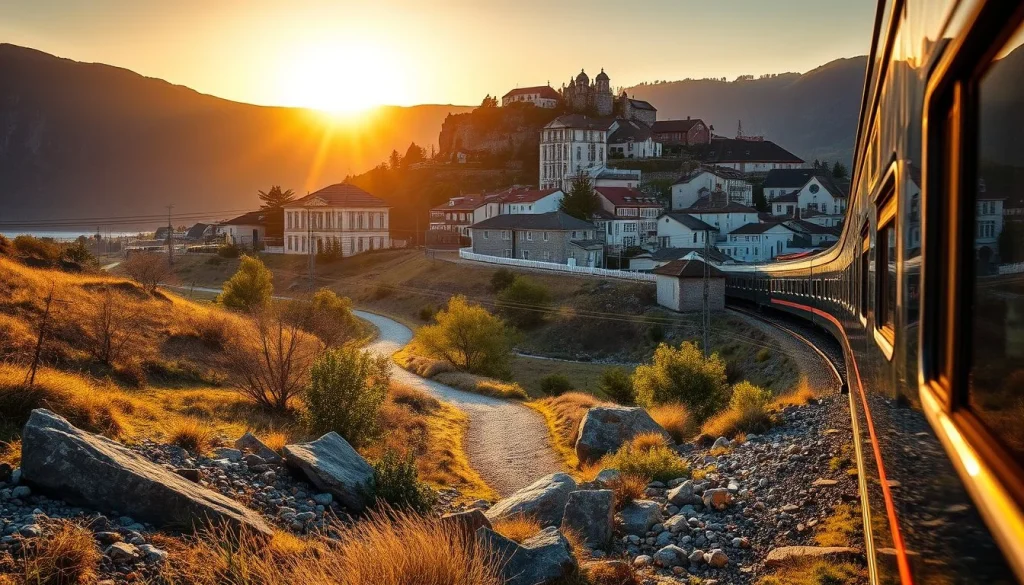
The premium experience begins with how you use the hours between stations. On the Venice Simplon-Orient-Express, restored Pullman and 1920s–30s carriages, private accommodation and dedicated dining cars create a more intimate setting than ordinary rail travel; confirm the exact carriage and suite category when booking. On Rocky Mountaineer, GoldLeaf’s glass-domed accommodation is designed for daylight viewing across Western Canada, with hotel nights rather than sleeper cabins.
Ask the operator exactly what your cabin includes: a private suite or compartment, hosted service, transfers, meals, drinks, luggage handling and excursions can vary by route, date and category. A larger suite may improve privacy, but it does not automatically turn a scheduled train into a private charter. Treat any request for a private carriage or full-train hire as a separate operational enquiry.
Make the land arrangements private
Scheduled excursions are efficient; a private guide is better when the point is depth or pace. In Rajasthan, arrange a guide who can interpret palace architecture, craft traditions and religious etiquette rather than simply move between landmarks. Around Kyoto or on Kyushu, a specialist can shape an artisan, garden or food-focused visit around the train’s timetable. For Southeast Asian routes, confirm whether a guide can meet you at the station and remain with the vehicle throughout the stop.
Southern African journeys pair naturally with a privately guided wildlife extension in the Kruger region, while a Canadian Rockies itinerary can use carefully paced excursions from Vancouver, Banff or Lake Louise. Rovos Rail explicitly accepts bespoke group or charter enquiries, but route timing and availability still require direct confirmation. For Belmond Andean Explorer, discuss altitude and acclimatisation before committing to high-altitude excursions.
- Specify guide language, vehicle type and whether the vehicle is private.
- Confirm luggage transfer, station meeting points and assistance with boarding.
- Set an excursion duration that leaves a genuine margin before departure.
- Describe mobility needs, cabin access and bathroom requirements in writing.
- Check dress codes and cultural protocols for temples, heritage sites and dining cars.
- Build a contingency for weather, delays, missed connections and changed excursion timings.
For a bespoke plan, request one itemised document showing which experiences are included, which are privately arranged and where the operator retains discretion.
Fine dining on and around the journey: what to reserve
Luxury-train dining usually means multi-course, regionally influenced menus served in dedicated dining cars, but the premium fare does not guarantee the same arrangement on every route. Cabin category, itinerary and operator can affect what is included, where you sit and when meals are served; request a current, itemised quote rather than assuming every meal is covered. The Venice Simplon-Orient-Express is the formal European reference point, with restored carriages and dedicated dining cars.
On Train Suite Shiki-shima and Seven Stars in Kyushu, the appeal is regional Japanese cuisine alongside encounters with local culture and artisans. JR East’s Shiki-shima information and JR Kyushu’s Seven Stars material are the right places to check the current dining concept for your departure. Maharajas’ Express places meals within a wider Indian heritage itinerary, while Rovos Rail and The Blue Train frame dining around Southern African routes; verify the precise inclusions with the operator.
Treat restaurants before and after the train as a separate part of the itinerary. Ask your hotel or trip planner to secure destination dining in Delhi, Cape Town, Tokyo or another overnight city, rather than assuming the rail operator manages it.
State allergies, cross-contamination concerns, religious diets and required substitutions when booking, then reconfirm them before departure. Ask specifically which dishes can be adapted and whether a request is guaranteed. Also confirm current dress guidance for dining cars and any cultural protocols that apply to meals arranged during excursions.
Best time for luxury train travel: choose by route, not by peak season
Choose the season by route
There is no single best month for the best luxury train journeys. June, July, August and December are broad peak periods across luxury travel, but the right date depends on scenery, wildlife, crowd levels and the excursions attached to your itinerary. A quieter shoulder-season departure can also make the hotel nights and private transfers around the train feel more composed.
Europe and the Canadian Rockies
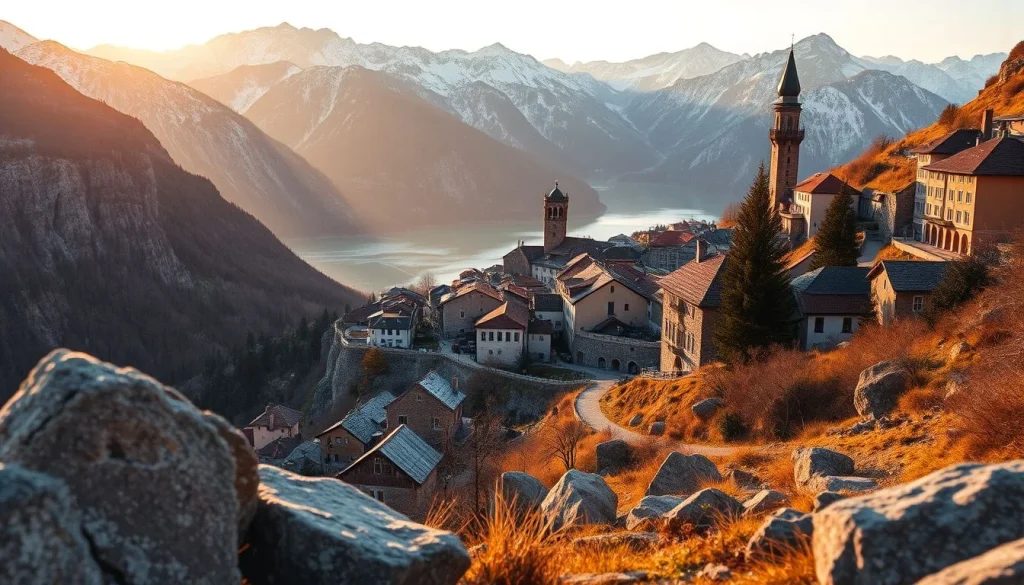
For the Venice Simplon-Orient-Express, April to June and September to October are generally more comfortable and less crowded than high summer for a European city-to-city itinerary. Spring and early autumn suit travellers pairing the train with museums, restaurants and private guides, though exact route dates and carriage allocations still need checking with Belmond.
Rocky Mountaineer operates mainly from April to October, with daylight viewing through the Canadian Rockies and glass-domed GoldLeaf accommodation. July and August are typically the busiest months; September can offer lighter crowds, subject to the live calendar. Build in flexibility for wildfire, smoke or changing mountain conditions, and confirm the current service schedule before committing to non-refundable hotel nights.
Japan, Southern Africa and India
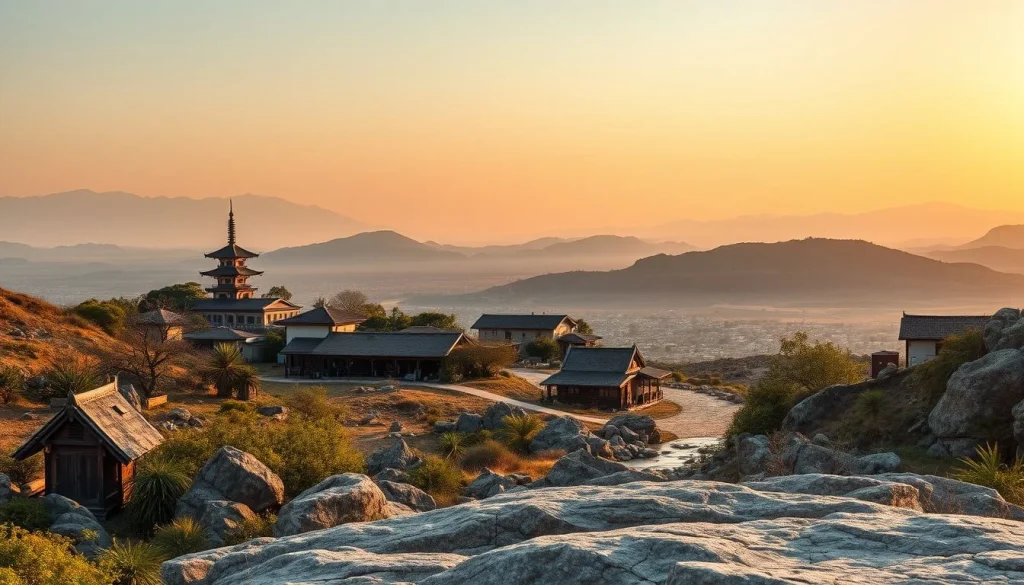
For Train Suite Shiki-shima and Seven Stars in Kyushu, choose a departure designed around spring blossom or autumn colour rather than assuming a fixed peak date. Bloom and foliage timing varies, and both trains publish seasonal itineraries and advance booking windows.
May to August is generally the strongest period for dry-season wildlife travel on Rovos Rail or The Blue Train routes that connect with Southern African safaris. Cape Town is busiest from December to February. For the Maharajas’ Express, October to March is the more practical planning window; outside it, heat, monsoon conditions or disrupted excursions may alter the experience.
Recheck each operator’s current calendar, route notices and local weather or travel advisories before booking. Snow, wildfire, monsoon rain and extreme heat can affect transfers and off-train excursions even when the rail service itself continues.
Booking the fare properly: lead time, transfers and inclusions
Start with the payoff, not the train name: historic European glamour, daylight mountain scenery, Japanese cultural immersion, wildlife, or Indian heritage. Then compare the exact itinerary and cabin. A private accommodation on the Venice Simplon-Orient-Express is not directly comparable with GoldLeaf on Rocky Mountaineer, whose services are daytime and paired with hotel nights rather than sleeping onboard.
Check the operator’s live departure calendar before arranging flights. This matters particularly for curated Japanese services: Train Suite Shiki-shima publishes seasonal itineraries and advance application or booking windows, while Seven Stars in Kyushu has its own current service information. Do not assume that a published route, station or departure time remains unchanged.
Request an itemised quote showing the cabin, all meals, hotels outside the train, transfers, excursions, service charges and cancellation terms. Fares vary by cabin, itinerary, season and date, so a quote is more useful than a headline “from” price. For Rovos Rail, ask separately about bespoke group or charter arrangements; for Maharajas’ Express, use an IRCTC-authorised booking channel or agent.
Before paying, confirm station names, boarding times, luggage limits, overnight hotel nights and every border crossing. Check passport validity, visas and onward-travel requirements with the official government or consular authorities for each country and excursion; requirements are itinerary-specific. Ask the operator in writing about ramps, cabin access, bathroom layout, assistance and the vehicle used for transfers, since historic rolling stock can present different constraints from modern trains.
Finally, recheck the operator’s schedule, route changes or suspensions, local health advisories and safety information within seven days of publication and again before departure. Confirm dietary requirements at booking and before travel, rather than relying on a general dining promise.
Conclusion: choose the payoff, then build around the train
The premium fare is easiest to justify when the train’s particular combination of service, scenery, dining and access matches the reason for your trip. Choose the payoff first: historic European atmosphere, daylight mountain views, cultural immersion, wildlife connections or privacy. A famous name alone is not a sufficient reason to pay more.
Build the journey around that choice rather than treating the rail segment as a standalone booking. Pair the departure with a suitable hotel, a private transfer and, where the itinerary allows, a guide who can add context without turning each stop into a group excursion.
Your next step is to request a current, itemised quote for the exact date and cabin. Before paying, confirm accessibility, dietary arrangements, visa and health requirements, inclusions, transfer details and cancellation terms in writing.
Frequently asked questions
Are luxury trains suitable for solo travellers?
The supplied operator information does not define a universal solo-traveller policy. Suitability will depend on the train’s cabin categories, allocation rules and any minimum booking conditions for your chosen departure. Ask the operator or an authorised agent to confirm these points before paying a deposit, particularly for itineraries with private accommodation or limited applications, such as Train Suite Shiki-shima through JR East.
How much luggage can I bring on a luxury train?
Luggage allowances are not stated consistently in the available sources, so do not assume that a luxury fare permits unlimited baggage. Confirm the allowance, storage arrangements and transfer procedure for your exact train, cabin and route. This is especially important when the rail journey connects with hotels, private transfers or excursions; request the information in writing from the operator before departure.
Will I have reliable internet and mobile reception onboard?
The supplied sources do not confirm Wi-Fi availability, mobile coverage or connection quality for the listed trains. Treat connectivity as route- and operator-specific, particularly on journeys through the Canadian Rockies, Southern Africa, Japan or other rural regions. Ask the operator what is available onboard and plan to travel without continuous connectivity if this is important for work, family contact or payments.
Are luxury train journeys suitable for children?
The available operator information does not establish a single age policy or a standard range of child-focused facilities across luxury trains. Ask about minimum ages, cabin configuration, dining arrangements, excursions and supervision before booking. Historic trains such as the Venice Simplon-Orient-Express, which uses restored 1920s and 1930s carriages, may require more careful practical planning than a conventional family hotel itinerary; confirm suitability directly with Belmond.
How formal is the dress code in the dining and observation cars?
The supplied sources do not provide one dress code that applies across all luxury rail journeys. Requirements may differ between operators, routes and dining services, so request the current guidance for your departure before packing. Also check cultural protocols for any included excursions, particularly on itineraries involving heritage sites, temples or regional communities; the operator or authorised booking agent should confirm the details.
Can I combine a luxury train journey with a longer private itinerary?
Yes, this can be planned, but the practical arrangement depends on the operator, route and departure date. Rovos Rail explicitly accepts bespoke group or charter enquiries, while luxury-train fares and inclusions vary by cabin, itinerary, season and date. Build the rail segment around confirmed departure logistics, then have an operator or specialist agent itemise hotels, private guides, transfers and excursions separately so the boundaries of the fare are clear.