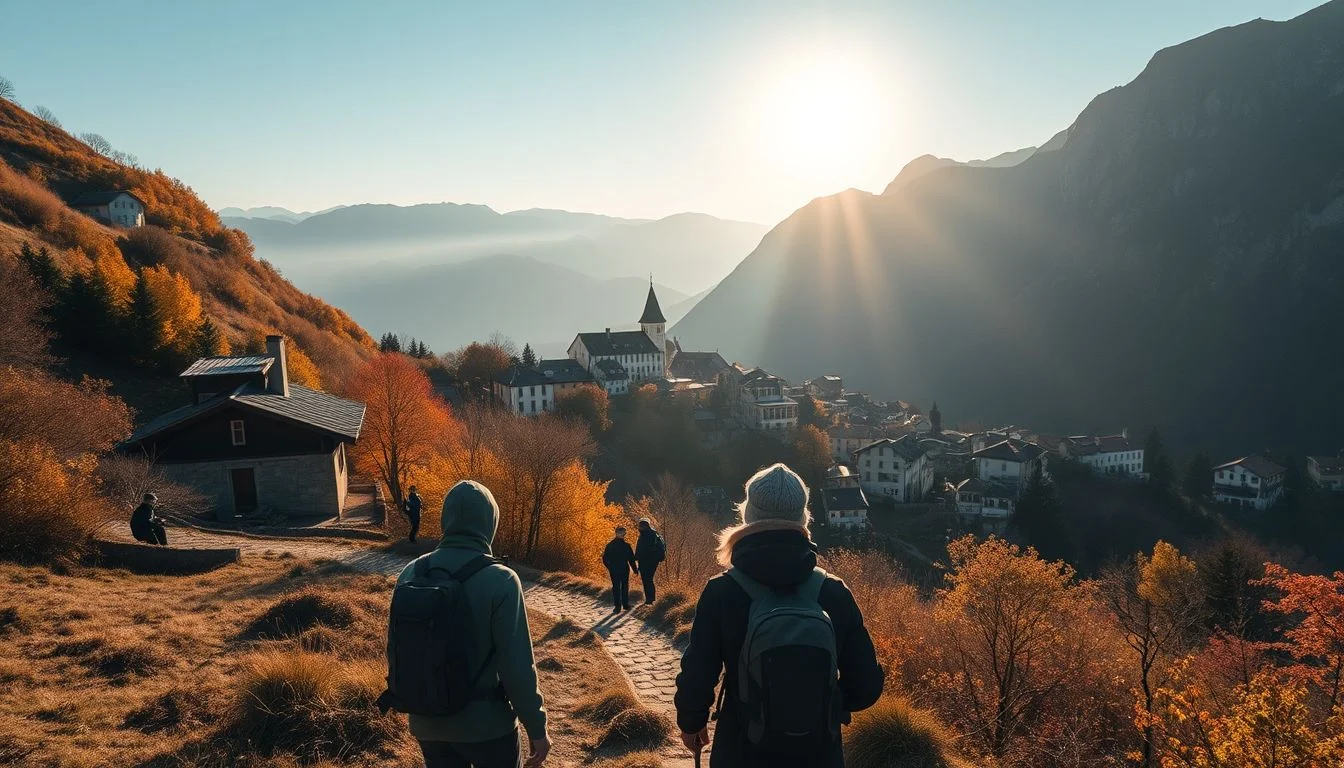
By late September, colour is already moving through Daisetsuzan National Park in Hokkaido, while Kyoto and Tokyo usually come later. That north-to-south, high-to-low progression makes autumn hiking a moving target rather than a single calendar week: the same trip can bring crisp foliage in Japan, exposed snow on a White Mountains ridge, or a lower-elevation walk in the Austrian Alps before high huts close.
This guide is for hikers planning a Northern Hemisphere autumn trip, or a Southern Hemisphere spring shoulder-season route from late September through November. Use it to choose where to walk for foliage, cooler conditions or quieter trails, and to judge the trade-offs before booking: shorter daylight, colder nights, changing weather, snow and avalanche risk, busy trailheads, and huts or tracks that may be closed, self-service or not yet open. New Zealand’s Milford, Routeburn and Kepler Tracks and Chile’s Torres del Paine offer spring alternatives, but their access and operating arrangements need especially careful checking.
Quick answer: The best places to hike in autumn depend on timing: choose northern or high-elevation Japan, New England, or selected lower Alpine routes as foliage develops from late September through November. For a Southern Hemisphere spring alternative, consider New Zealand’s Great Walks or Torres del Paine, but verify reopening dates, huts, weather, snow, avalanche risk and access before committing.
Why hike between late September and November?
Late September through November is a useful hiking window because Northern Hemisphere conditions are often cooler, the light is crisp and foliage begins to change. The timing is not uniform: colour generally appears first in northern or higher-elevation areas, then moves towards lower and more southerly landscapes. Japan illustrates the pattern clearly, with Daisetsuzan and other northern mountain areas turning before Kyoto and Tokyo; the Japan National Tourism Organization describes October as mild and comfortable for walking.
That progression lets you plan around a region rather than chase one universal peak week. Acadia, the White Mountains, the Green Mountains, Shenandoah and the Blue Ridge Parkway all combine latitude and elevation differently, so the best date depends on the trail and the latest local forecast. The US National Park Service advises treating fall colour as a moving seasonal event, not a fixed calendar appointment.
There is a crowd trade-off. Great Smoky Mountains National Park identifies October as a period of heavy fall-colour visitation and warns of delays around access points; popular trailheads and park roads elsewhere can also fill quickly. An early start, a shuttle or public transport where available, and a less-famous route may save time, but check the specific park’s access notices before setting out.
In New Zealand and Patagonia, September to November means spring shoulder season, not autumn. It can bring quieter trails, yet also late snow, snowmelt, high streams, repairs, shorter or changing daylight and avalanche exposure. Lower services, closed routes or self-service huts are part of the calculation, so current weather, trail and hut information matters more than seasonal averages.
Where to walk from September through November
There is no single best place to hike in autumn. Match the destination to the month and the kind of walk you want: northern and high-elevation Japan leads the foliage season, New England follows with a broad mix of forest and mountain trails, and lower Alpine routes can work before winter takes over. From late October, New Zealand and Patagonia offer a different proposition: spring shoulder-season trekking, with fewer services and more changeable conditions.
| Destination | Seasonal position | Best for | Access and booking caveat | Check before departure |
|---|---|---|---|---|
| Daisetsuzan National Park, Hokkaido | Early autumn; northern and high-elevation colour | Experienced day hikers and mountain scenery | High routes can turn wintry early | Foliage, weather, route and transport notices |
| Japanese Alps, Nagano and Gifu | October-focused | Mid-altitude walks and alpine views | Hut schedules vary by route and date | Local trail conditions and hut status |
| Kyoto and nearby temple walks | Later autumn | Culture-led walking and lower-elevation trails | Popular sites can be busy when colour arrives | Latest foliage information and access details |
| Acadia National Park, Maine | Autumn window varies by location and elevation | Coastal scenery, forest and day hikes | Roads, trailheads and parking can be pressured | Park alerts, road access and parking arrangements |
| White Mountains, New Hampshire | Earlier New England colour at higher elevations | Experienced hikers seeking exposed mountain terrain | Weather can change quickly above the forest | Mountain forecast, trail conditions and daylight |
| Green Mountains, Shenandoah and Blue Ridge Parkway | Spread-out colour windows along elevation gradients | Flexible road-trip and day-hiking itineraries | Road, trail and recovery notices may alter plans | Park or road status; ATC notices where relevant |
| Tyrol and the Austrian Alps | Late September to October for selected lower routes | Valley walks and experienced hut trekkers | High passes and huts may close or become self-service | Individual hut, alpine-club and route pages |
| Milford, Routeburn and Kepler Tracks, Fiordland | Spring shoulder season; many booked seasons begin later | Experienced multi-day hikers planning around conditions | Reservations and seasonal operations apply to relevant services | DOC booking, track, bridge, weather and avalanche notices |
| Torres del Paine, Patagonia | October-November shoulder season | Experienced trekkers seeking a quieter spring option | Variable weather and refugio availability affect plans | Park access, route, refugio and transport status |
The table is a planning guide, not a promise of conditions or availability. It uses the seasonal patterns described by the Japan National Tourism Organization, the US National Park Service, Tirol’s autumn-hut information and the relevant park, alpine-club or conservation authority. No individual trail distances, walking times or 2026 reservation rules are supplied here, so check the official route page before choosing a specific itinerary.
Japan: follow the colour downhill and south
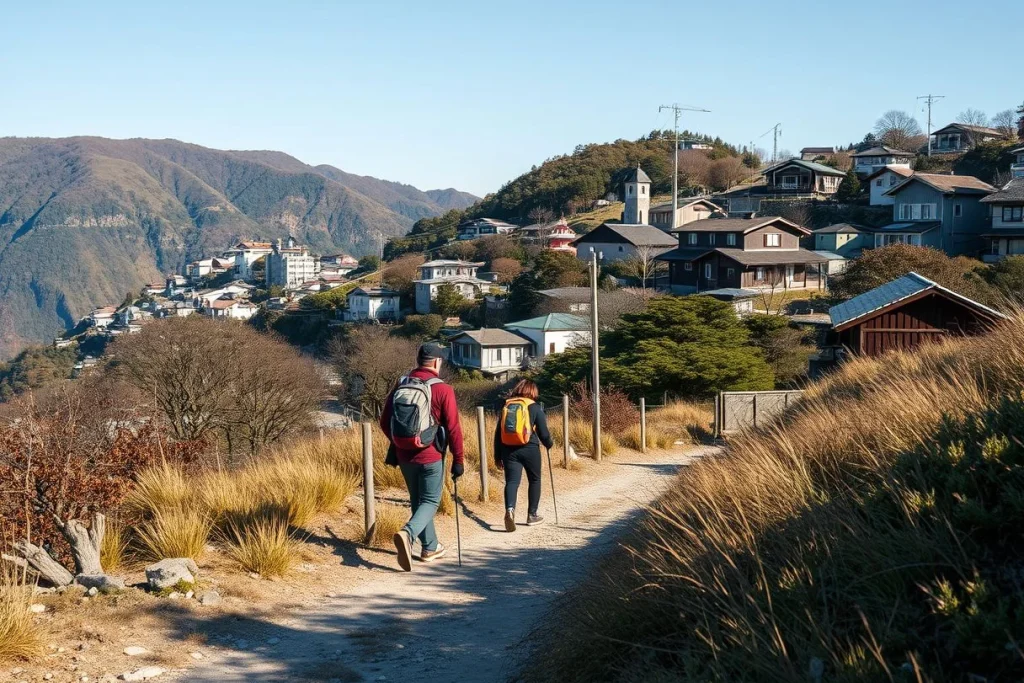
Daisetsuzan National Park is the early-autumn choice for hikers who want high volcanic landscapes and the first major colour changes. Northern and high-elevation areas turn before the Japanese Alps, Kyoto or Tokyo, but the same altitude that brings early foliage can bring snow, ice and rapidly shortening daylight. Treat this as a conditions-led mountain trip rather than a guaranteed foliage walk.
For an October itinerary, look towards the Japanese Alps around Nagano and Gifu. Mid-altitude walks offer mountain scenery without requiring every plan to depend on a high pass, while the region’s huts can make a multi-day route possible when they are operating. Individual opening dates and services vary, so confirm the hut schedule and route status directly; do not assume an autumn reservation includes staffed facilities.
Kyoto and nearby temple walks suit hikers who want a later-season combination of walking and culture. According to JNTO, Japan’s autumn colour generally progresses from northern and higher areas towards Kyoto and Tokyo, and October is described as mild and comfortable for travel and walking. Exact peak timing remains variable, and popular temple areas may be crowded when the colour arrives, so use the latest local forecast rather than building a rigid day-by-day foliage itinerary.
North America: choose latitude, elevation or flexibility
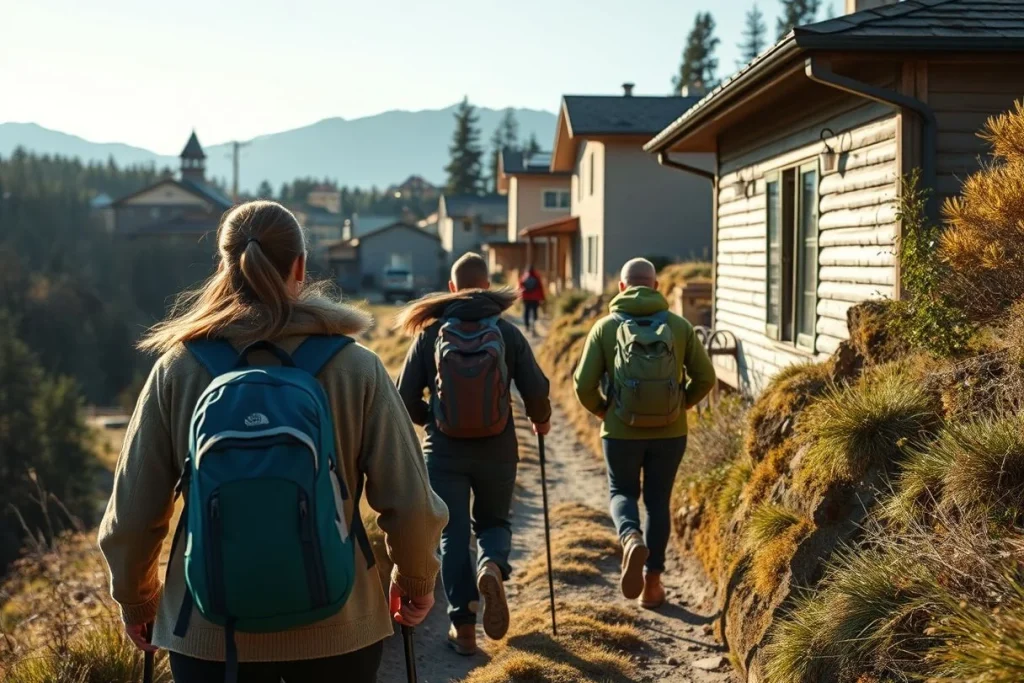
Acadia National Park is a useful choice for day hikers who want forest colour alongside the Maine coast. It is more accessible than a high mountain traverse, but October can still bring congestion at roads and trailheads. Start early where permitted, consider available shuttle or public-transport options, and check park notices before committing to a route from Bar Harbor.
The White Mountains offer more demanding autumn hiking, with higher and more exposed terrain than a typical foliage walk. They suit experienced hikers who are prepared for cold, wind, early darkness and possible snow at altitude; a bright valley forecast is not enough. The Green Mountains provide a less concentrated alternative, while Shenandoah National Park and the Blue Ridge Parkway spread the colour window across changes in elevation. The National Park Service advises that these regions do not share one universal peak week, so build flexibility into a road trip.
Great Smoky Mountains National Park is another option, but October is specifically identified by the park as a period of heavy fall-colour visitation, with delays possible around access points. That makes it a poor fit for a tightly timed hiking day unless you can travel early and absorb parking or traffic disruption. For Appalachian Trail sections, check the Appalachian Trail Conservancy’s Helene recovery updates for current detours, closures or affected sections before setting out.
Alps: lower is more reliable than higher
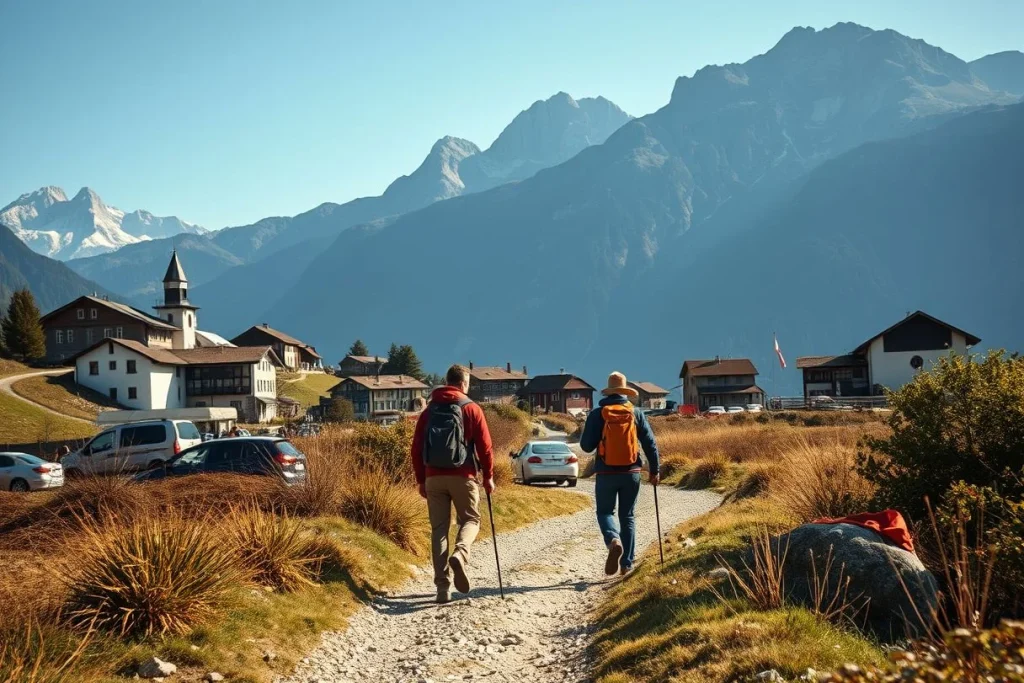
Tyrol and the Austrian Alps work best in late September or October when the plan centres on valley trails and selected lower huts, rather than a high crossing. Tirol lists huts that remain open in autumn, but the Austrian Alpine Club and individual hut pages are the authorities for closing dates, winter operation and self-service arrangements. A route that is technically walkable may still be impractical if food, water or overnight services have ended.
Southern Hemisphere: spring routes need a larger margin

Milford, Routeburn and Kepler are compelling spring candidates in Fiordland, but they are not simple substitutes for an autumn hike in Europe or Japan. Many New Zealand Great Walks use a booked season that commonly begins in late October, with reservations required for huts or campsites during the relevant season. The Department of Conservation warns that spring can bring snowmelt, high streams, bridge or track work and avalanche risk, so check the current DOC booking and track-status pages before planning around Te Anau or Queenstown.
Torres del Paine is broadly in its main operating period from October to April, making October and November a shoulder-season option for experienced trekkers. Expect variable wind and weather, and confirm that each intended refugio, campsite, transfer and route section is operating before booking a fixed itinerary. For both Patagonia and Fiordland, a quieter trail is not a reason to lower your equipment standard: carry navigation tools, warm layers, a headlamp and emergency shelter, and reassess the route against the live forecast.
Events and festivals: what can be confirmed for 2026
No specific 2026 autumn festival or hiking-event dates are confirmed in the supplied research. The U.S. National Park Service’s Fall Season programming page, last updated 14 September 2025, directs readers to annual autumn programmes organised at individual parks; it is not evidence of a dated 2026 event.
That distinction matters when planning around a trail. Changing leaves, a temple walk in Kyoto or a scenic drive on the Blue Ridge Parkway may be seasonal highlights, but they should not be presented as festivals without an official event listing. If an event is central to your route, confirm its date and location through the park, destination authority, festival organiser or official calendar before committing.
Otherwise, treat autumn programming as a local-calendar check rather than a booking anchor. Recheck official listings immediately before publication and again close to departure, since 2026 schedules may be added or changed after the current research was compiled.
Planning and booking: lead times, access and price checks
Planning and booking: lead times, access and price checks
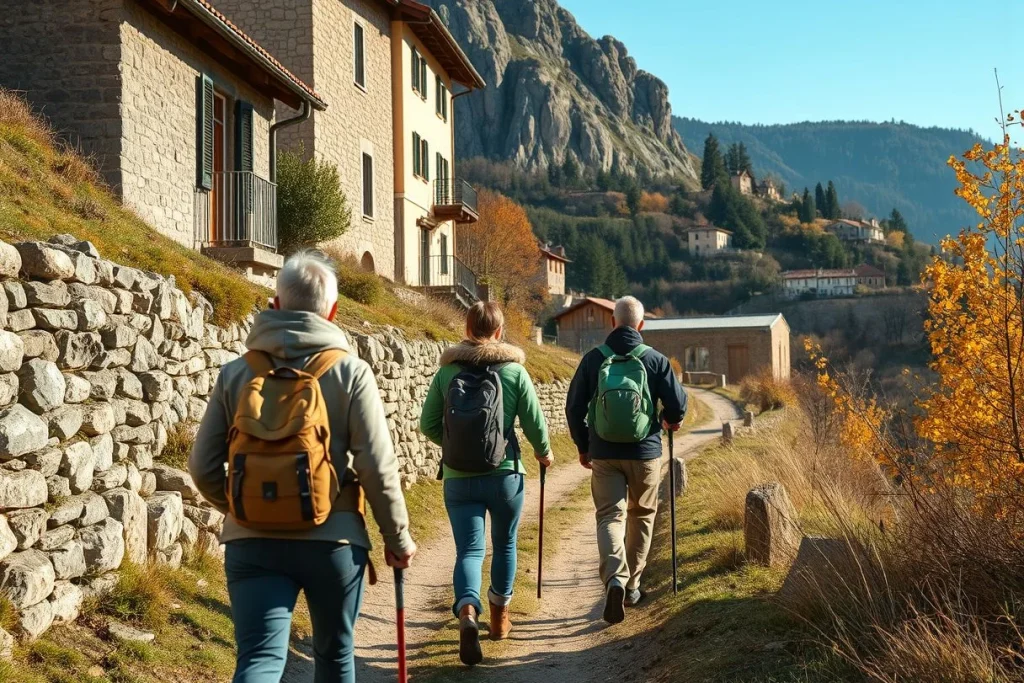
Autumn hiking needs a booking plan that follows the route, not just the destination. A self-guided day hike may only require transport and a place to stay, while a multi-day route can depend on a booked hut, campsite, refuge, shuttle and permit. Reserve the least flexible element first, but keep plans adaptable where snow, storms or closures can change access.
For foliage trips, arrange accommodation and transport before the local colour period if you are travelling to a well-known base such as Bar Harbor, the White Mountains or a Japanese mountain gateway. Great Smoky Mountains National Park identifies October as a period of heavy fall-colour visitation and warns of delays around access points, so an early start, a shuttle or public transport can matter as much as the trail choice. The National Park Service guidance is a useful starting point, but check the specific park and road notices for your dates.
For the New Zealand Great Walks, treat September and early October as a different proposition from the booked summer season. Many routes commonly begin their booked season in late October, with hut or campsite reservations required during the relevant season, according to New Zealand tourism guidance. The Department of Conservation’s current page for the Milford, Routeburn or Kepler Track should settle the 2026 season dates, booking requirements, transport arrangements and any reopening constraints; do not infer availability from a route appearing on a map.
Tyrol and the wider Austrian Alps require the same discipline. Some huts publish autumn closing dates in late September or October, while high-alpine passes and huts may close or switch to winter or self-service operation. Check the individual hut page and the relevant Alpenverein listing rather than relying on a regional summary: Tyrol’s autumn-hut information explains the principle, but the hut operator is the source of truth.
Torres del Paine is broadly described as operating from October to April, making October and November possible shoulder-season months, but that description does not confirm a particular refuge, campsite, route or transfer. Check the park authority and current refuge or campsite booking pages before paying for flights or committing to a fixed itinerary. Patagonia weather can also make a theoretically open route impractical.
Book in this order
- Trail and access status: check closures, bridge or road works, wildfire and storm notices for the exact route.
- Entry and permit rules: use the relevant park or conservation authority; requirements vary and should not be assumed.
- Hut, campsite or refuge: confirm opening dates, reservation rules and whether services are staffed or self-service.
- Transport: secure shuttles, buses, rail connections or trailhead transfers once the route is confirmed.
- Accommodation: use refundable options near the trailhead where conditions remain uncertain.
- Weather: make the final go/no-go check close to departure, including daylight, snow and avalanche information.
No reliable price ranges are supplied for this guide, so it is better to omit figures than compare misleading totals. When checking live costs, record the currency and date, state whether the amount is per person per night or per room, and note whether transport, permits, meals, luggage transfers or booking fees are included. Autumn and spring can look cheaper than peak season while costing more in transfers or backup nights, particularly when a delayed start forces a change of plan.
Keep confirmation emails, cancellation terms and the official status page together. The Appalachian Trail Conservancy’s 2026 Helene-recovery updates show why even familiar routes need a last-minute verification for detours and affected sections.
Autumn and spring hiking safety: check conditions, not averages
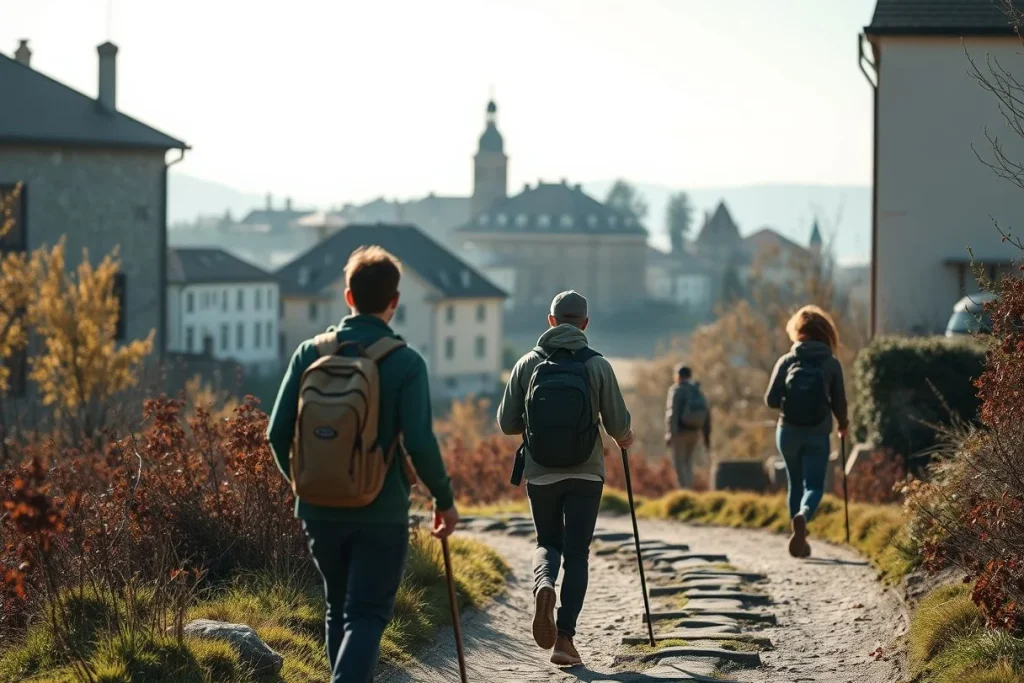
Shoulder-season conditions can change faster than a forecast suggests. Northern autumn brings shorter or shifting daylight, colder nights and possible snow or ice at altitude; Southern Hemisphere spring adds snowmelt, high streams, damaged bridges and late snow. The National Park Service’s autumn guidance notes that conditions vary by destination and elevation, so do not judge an alpine route by seasonal averages.
Before leaving, check the official weather forecast, trail and road status, park notices, hut or campsite status and the local avalanche advisory for that specific route and date. In Fiordland and the Southern Alps, the Department of Conservation warns that spring conditions can include avalanche risk, high water and track or bridge work; a high route should not be treated as safe without current local information. Northern Alpine routes can turn wintry in early or late autumn for the same reason.
Pack layers, waterproof protection, a headlamp, offline maps or another independent navigation tool, and emergency shelter even for a planned day hike. Add traction or mountaineering equipment only when current route information calls for it and you have the skills to use it; icy terrain is not made manageable by carrying unfamiliar gear. Allow extra time for wet ground, poor visibility and navigation, and turn around before conditions or daylight make retreat uncertain.
Also check wildfire, storm and access notices rather than relying on a previously open trail. Anyone using Appalachian Trail sections affected by Helene should read the Appalachian Trail Conservancy’s recovery updates for current detours and status. For a spring or exposed alpine itinerary, a qualified local guide is a sensible choice when avalanche terrain, route-finding or rapidly changing conditions exceed your experience.
Choose your season, then verify the route
For colour-focused day hiking with simpler logistics, choose a base in Acadia National Park or Shenandoah National Park, then use short, flexible walks to follow changing conditions rather than committing to a high route. Acadia brings coastal scenery and forest colour; Shenandoah’s elevation range can extend the foliage window. Expect October pressure at popular access points, so check park notices and start early.
Choose New Zealand’s Milford, Routeburn or Kepler Tracks, or Torres del Paine, only if you can accommodate spring variability, reservations and possible changes to huts, refuges or routes. These suit experienced hikers prepared for snowmelt, high streams and shifting weather.
Before booking non-refundable travel, select your dates and destination, then check the official trail, access, hut or campsite, weather and avalanche pages for the exact route.
Frequently asked questions
How do I follow autumn foliage without chasing an exact peak date?
Plan by latitude and elevation rather than one predicted peak week. In Japan, colour generally reaches northern and higher areas such as Daisetsuzan first, then the Japanese Alps, Kyoto and Tokyo later; the National Parks of Japan guide explains this broad progression. In North America, compare lower and higher trails in Acadia, the White Mountains, the Green Mountains, Shenandoah and along the Blue Ridge Parkway, then check the latest local forecast and park notices. JNTO’s autumn guide and the National Park Service foliage guidance are useful starting points.
Which autumn hikes suit a first-time shoulder-season hiker?
Choose a lower- or mid-elevation day walk with straightforward access, rather than a high pass or hut-to-hut route. Acadia, Shenandoah, the Blue Ridge Parkway and selected Japanese Alps walks offer foliage or mountain scenery without requiring you to commit to a high-alpine itinerary, although trail and road conditions still need checking. Autumn brings cooler walking conditions but also shorter daylight, colder nights and rapid changes in weather, so carry navigation tools, layers, a headlamp and emergency equipment. The National Park Service’s autumn guidance outlines the seasonal trade-offs.
Can I still hike above the tree line in October or November?
Sometimes, but the calendar alone cannot establish that a high route is open or suitable. Snow and ice can arrive at altitude, daylight is shorter, and high-alpine passes or huts may close or switch to winter or self-service operation; some Tyrolean huts also publish autumn closing dates. Check the specific route, hut, weather and local avalanche advisory immediately before departure, and only proceed with the experience and equipment the current conditions require. Alpenverein hut information illustrates why individual status checks matter.
What is the difference between a booked Great Walk and an independent mountain trek?
A New Zealand Great Walk is a managed route with a booked operating season; many begin their main season around late October and require reservations for huts or campsites during that period. An independent trek gives you more route choice, but you must verify access, track and bridge status, weather, avalanche conditions and any hut or campsite arrangements yourself. In Fiordland, spring can bring snowmelt, high stream flows, bridge work and avalanche risk, so a reservation does not remove the need for a live conditions check. DOC’s Milford Track guidance explains the shoulder-season distinction.
How early should I start a day hike when the days are getting shorter?
Start early enough to complete the planned route with a generous daylight margin, rather than treating the published walking time as a deadline. Northern autumn daylight shortens, and cloud, snow or slower footing can make progress less predictable; popular foliage trailheads may also add parking or access delays. Check the local forecast, access notices and route conditions the night before, carry a headlamp and turn around if the timetable no longer leaves a safe margin. The Great Smoky Mountains National Park foliage guidance specifically warns of October congestion around access points.
What should I do if a hut, bridge or trail is closed after I arrive?
Do not assume a published itinerary remains valid: stop and check the park authority, hut operator, alpine club or, in New Zealand, the Department of Conservation for the current notice and any official detour. If there is no confirmed alternative, turn back or switch to a route whose status is clear rather than bypassing the closure. This is particularly important on Appalachian Trail sections affected by Helene recovery work, where the Appalachian Trail Conservancy’s updates report trail-status information and potential detours.