Three interchangeable bottoms, four to six tops, two pairs of shoes and one adaptable layer are enough to anchor a practical one-bag system for a one- to two-week trip. The difference between a manageable carry-on and an overstuffed suitcase is usually not clever folding; it is choosing clothes that work together, planning a laundry stop and checking your operating airline’s current size and weight limits first.
This guide is for first-time travellers who want to know how to pack light in a carry-on without overlooking security, documents, medication, batteries or changing weather. You’ll get a repeatable packing list, simple seven-day and 14-day quantities, a clear personal-item setup and the checks that matter before leaving home. Because no destination is supplied, use the system as a base, then adjust it for the forecast, plug type and local dress expectations at your actual destination.
Quick answer: Pack one airline-compliant carry-on around three interchangeable bottoms, about four to six tops, two pairs of shoes, adaptable layers, essential documents, medication and minimal technology. Plan laundry for trips of seven to 14 days, keep liquids and battery-powered items accessible in your personal item, and check your airline’s current size, weight and gate-check rules before departure.
The one-bag system: what you actually need
Start by checking the operating airline’s baggage page, not a universal “standard” suitcase chart. Confirm the current carry-on dimensions, weight limit, personal-item size, fees and gate-check policy; American Airlines’ baggage limitations page is a useful example of how carrier rules are set and published. Choose a carry-on suitcase or travel backpack only after those measurements are clear.
Build the main bag around a small capsule wardrobe: approximately three interchangeable bottoms and four to six tops, plus one light layer. Choose colours and fabrics that work in several combinations, then plan one quick wash during the trip rather than packing a separate outfit for every day. Packing cubes or organised compression can keep the bag manageable, but they should organise a deliberate list rather than justify extra clothing; REI’s light-packing guidance also emphasises interchangeable outfits and washing items while travelling.
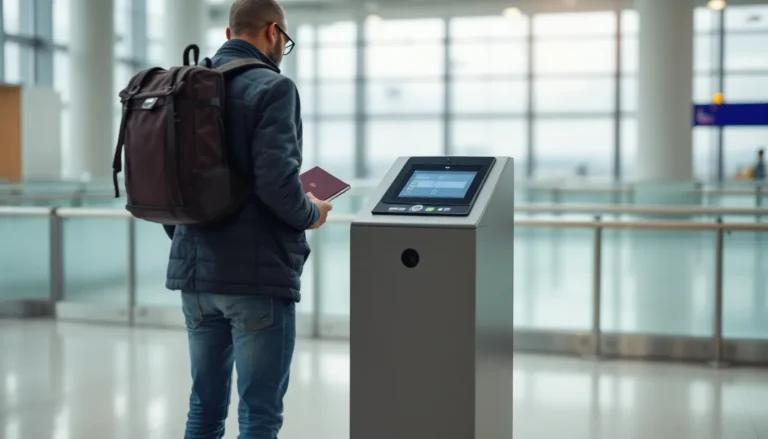
Keep the personal item—such as a small backpack or organiser—ready for security and for an unexpected gate-check. A correctly sized carry-on can still be taken at the gate when a flight is full, so documents, medication, valuables, electronics and batteries should not depend on access to the overhead bag, as American Airlines explains in its baggage guidance.
- Identity and plans: passport or government ID, boarding pass, itinerary, travel-insurance details, emergency contacts and important document copies.
- Health: essential prescription medicines in their original containers, plus a compact first-aid kit. Check the destination’s medication rules and any airline requirements before departure.
- Clothing: three bottoms, four to six tops, one weather-appropriate layer, comfortable walking shoes and a compact second pair only if the itinerary needs them.
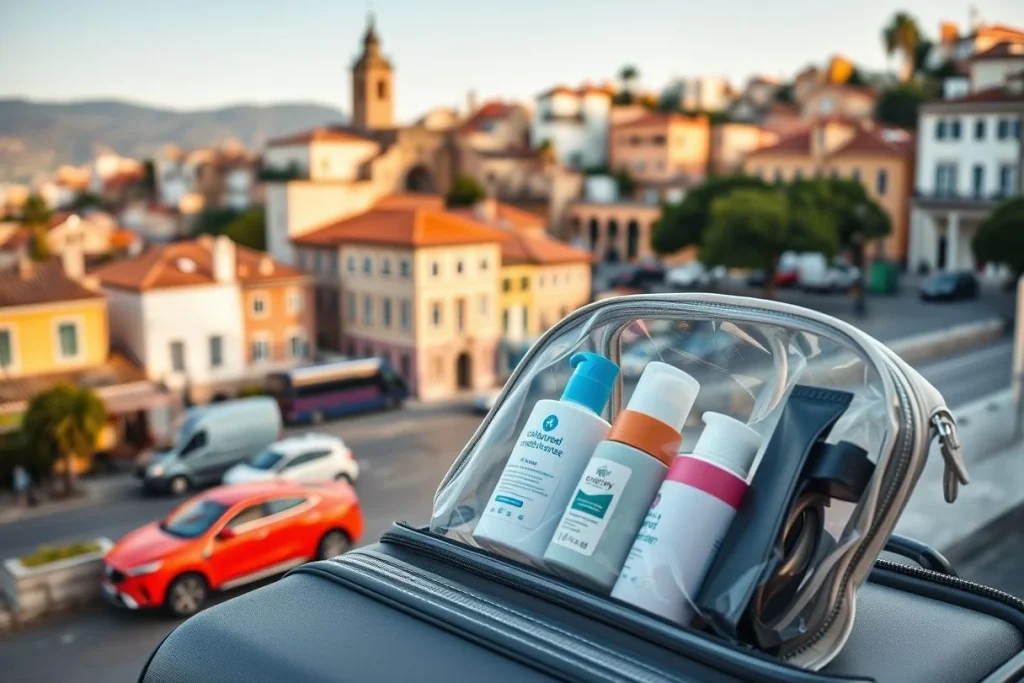
- Toiletries: a clear liquids bag. For U.S. airport security, the TSA 3-1-1 rule limits each carry-on liquid container to 3.4 ounces (100 ml), with all containers in one quart-sized clear bag.
- Technology and payment: phone, charger, payment method and only the devices needed for the trip. Keep chargers and spare batteries in hand luggage.
Finally, check the actual destination for entry, health, weather and cultural-dress requirements, particularly before travel in June, July, August or December. A scarf or lightweight wrap, packable rain shell or warmer layer may be more useful than a larger wardrobe, but only after the forecast and local expectations are known.
Carry-on packing list by category: clothing, gear, documents and tech
Clothing

Build the wardrobe around pieces that work together, not a separate outfit for every day. A practical starting point, also recommended by REI’s light-packing guidance, is three interchangeable bottoms, four to six tops and two pairs of shoes, adjusted for your activities and climate.
| Item | Seven-day trip | Fourteen-day trip |
|---|---|---|
| Bottoms | Three interchangeable pairs | Three; wash and rotate |
| Tops | Four to six | Four to six; wash and rotate |
| Underwear and socks | A sensible rotation for several days | The same rotation, with planned washing |
| Layers | One light layer; add a rain shell if needed | One light layer; add a rain shell if needed |
| Shoes | Walking shoes worn in transit, plus one compact second pair | The same two-pair limit |
| Sleepwear | One set | One set |
The seven-day plan works best with one laundry session: wash a few tops, underwear and socks when you reach the middle of the trip. For 14 days, do not double the clothing; repeat the same capsule and schedule washing twice, using a small amount of laundry soap or laundry strips. REI explains that interchangeable clothing, organised compression and washing during a trip reduce both bag volume and daily decisions.
Gear
| Pack | Why it earns space |
|---|---|
| Packing cubes or organised compression | Keep clothing, underwear and laundry separate and make the carry-on easier to repack. |
| Small laundry soap or strips | Support the planned wash instead of adding extra outfits. |
| Empty reusable water bottle | Take it through security empty and refill after screening where facilities allow. |
| Scarf or lightweight wrap | Adds warmth without much bulk and may help with modest dress at some religious sites. |
| Activity-specific equipment | Take only gear you will genuinely use; hire or buy routine items at the destination when practical. |
Keep toiletries small. For U.S. airport screening, the TSA Travel Checklist says carry-on liquid containers must be no larger than 3.4 ounces (100 ml), with the containers fitting in one quart-sized clear bag per traveller. A full-size shampoo bottle generally will not qualify, so decant it, choose a solid alternative or check the destination airport’s own screening guidance.
Documents and medication

| Keep in the personal item | Practical arrangement |
|---|---|
| Passport or government ID | Place it somewhere reachable for check-in, security and boarding. |
| Boarding pass and itinerary | Save them on your phone and carry a printed backup where practical. |
| Insurance details and emergency contacts | Store copies offline, not only in an email account. |
| Prescription medicines | Keep essential medication in the cabin and prescriptions in their original containers. |
| Small first-aid kit | Include only familiar essentials; check destination and airline procedures for medical exceptions. |
TSA’s travel guidance recommends accessible documents and cabin storage for medication. Your personal item is the safer location because even a correctly sized carry-on can be gate-checked when a flight is full, according to American Airlines’ baggage guidance. Keep valuables, medication and anything needed during the journey out of the suitcase.
Technology

- Phone and charger: use the phone for navigation, bookings, communication and digital documents.
- Headphones: choose one compact pair rather than packing several audio options.
- Travel adapter: bring a universal adapter only if the destination’s plug configuration requires it.
- Laptop or tablet: pack it only when the trip requires it. TSA says these devices may need to come out at security, depending on the airport, screening lane and current instructions.
Lithium-battery safety: power banks and spare lithium batteries stay in the cabin, never in checked luggage. Protect their terminals against contact with metal objects, and confirm watt-hour limits and any additional conditions with the operating airline. This is the guidance from the International Air Transport Association; airline rules can be more restrictive.
Before closing the bag, weigh and measure it against the operating airline’s current allowance: there is no universal carry-on size or weight standard. Keep the personal item light enough to fit under the seat and organised so documents, liquids and electronics can be reached without unpacking everything.
Adapt the capsule to weather and local dress expectations
Adapt the capsule to the destination, not to the calendar alone. Check the forecast and seasonal conditions shortly before departure, especially for travel in June, July, August or December; temperature, rain and wind can vary more than the season suggests. The destination’s official tourism or weather service is the right place to confirm conditions.
Build around layers

For hot weather, choose breathable tops, lightweight bottoms and sun protection rather than extra changes of clothing. A light layer still earns its place for air-conditioned transport and cooler evenings. Quick-drying fabrics are useful when you plan to wash items during the trip, a strategy REI recommends as part of a compact, interchangeable wardrobe.
For cold conditions, use a base layer, one warm mid-layer and a compact waterproof or windproof shell. This is more adaptable than packing several bulky jumpers: remove a layer indoors, add one outside, and keep the shell ready for changing weather. In wet conditions, prioritise a packable rain shell and quick-drying clothes; do not add heavy alternatives unless the forecast or activity genuinely requires them.
Keep the basic structure—approximately three bottoms, four to six tops and two pairs of shoes—but change the fabrics and layers. The second pair of shoes should have a clear job, such as formal evenings or a planned trail. Activity-specific footwear belongs in the bag only when the itinerary requires it; otherwise, wear the most versatile comfortable walking shoes in transit.
Plan for local dress expectations

Before packing, check the official guidance for religious sites and any local dress information supplied by your accommodation or destination tourism authority. Some places may expect covered shoulders or knees, and clothing that is transparent or excessively tight may be inappropriate even when it is comfortable elsewhere.
A lightweight scarf or wrap can cover shoulders, provide warmth and add flexibility without taking much space. Choose at least one loose, opaque outfit that can meet more conservative expectations. Footwear may also need to be removed at some sites, so wear socks that are comfortable for that possibility and avoid adding special shoes unless the site or activity specifically calls for them.
What to leave at home: the mistakes that fill a carry-on
The fastest way to pack light is to remove duplicates before you start folding. Every item should earn its space by serving more than one outfit, replacing something else, or solving a specific problem on this trip.
| Leave it behind | Why it fails | Use instead |
|---|---|---|
| A separate outfit for every day | It turns a one-week trip into seven complete wardrobes, even when some clothes remain clean. | Three interchangeable bottoms, four to six tops and a laundry plan. A capsule wardrobe and washing during the trip reduce volume and decision fatigue, according to REI’s light-packing guidance. |
| Full-size toiletries | They are heavy, bulky and may not pass security. A full-size shampoo container generally does not meet the U.S. TSA carry-on liquids limit. | Decant only what you need into containers of 3.4 oz (100 ml) or less, and place them in one quart-sized clear bag where the U.S. TSA 3-1-1 rule applies. Buy a destination-appropriate replacement only after checking local availability. |
| More than two pairs of shoes | Shoes occupy awkward, unrecoverable space and often duplicate the same function. | Wear the bulkiest comfortable walking pair and pack one compact second pair for a specific activity or dress code. |
| Bulky “just-in-case” clothing | Unworn cold-weather or formal items can consume the space needed for useful layers. | Check the destination forecast and pack one adaptable layer or lightweight waterproof shell when conditions warrant it. Add a specialist item only for a confirmed activity. |
| Duplicate electronics and chargers | Several devices create cable clutter without adding much capability. | Use one phone for navigation, bookings and documents, with shared charging where possible. Keep power banks and spare lithium batteries in the cabin, never checked luggage, and confirm current airline limits. |
| Several heavy books | Paper is dense, and most travellers read less in transit than they expect. | Choose an e-reader or one small book, unless a particular guide is essential. |
| Over-compressed packing | Extreme compression saves volume but makes clothes difficult to find and can leave no room for repacking. | Use packing cubes or organised compression by category, leaving frequently needed items accessible in your personal item. |
Do not pack restricted items based on a generic list: check the destination authority, airport and operating airline before departure. Airline policies differ, and American Airlines notes that even a correctly sized carry-on may be gate-checked when a flight is full. Keep documents, medication, valuables and batteries in the personal item so the trip remains manageable if the larger bag is taken at the gate.
Before the airport: security, gate-check and final checks
Turn the packed bag into an airport-ready setup the day before you leave. Check the operating carrier for every flight, including current carry-on dimensions, weight limits, personal-item rules and gate-check procedures; there is no universal carry-on size. Measure the filled bag, weigh it, and compare both figures with the airline’s published limits. American Airlines also notes that a correctly sized bag may still be gate-checked when a flight is full.
- Save your essentials offline. Download each boarding pass and keep your itinerary, insurance details, emergency contacts and important document copies available without an internet connection. Label the carry-on with your name and contact details, then keep your passport or ID in the personal item for check-in, security and boarding.
- Make the personal item your safety net. Put prescription medicines in their original containers, along with a compact first-aid kit, valuables, documents, phone, charger, power bank and spare batteries. This follows IATA battery guidance and means you still have the essentials if the larger bag is taken at the gate. Check medication exceptions and destination requirements in advance; some medicines need additional documentation.
- Prepare liquids for screening. At U.S. airports, the TSA 3-1-1 rule allows liquid containers of no more than 3.4 ounces (100 ml) each, packed together in one clear quart-sized bag per traveller, according to the TSA travel checklist. A full-size shampoo bottle generally does not qualify. Keep the bag near the top of your personal item, and check the relevant airport’s rules if you are departing elsewhere.
- Pack for the checkpoint. Carry an empty reusable water bottle and refill it after screening where facilities allow. Keep laptops and tablets accessible: TSA says removal requirements can vary by airport and screening lane, so follow the local signs and officers’ instructions rather than unpacking everything automatically.
Travelling with a mobility aid? Contact the airline ahead of time: mobility aids and their batteries can require coordination and special handling. Finally, protect spare-battery terminals as directed by the airline, confirm watt-hour limits, and keep all power banks and spare lithium batteries in the cabin, never in checked luggage.
Conclusion: test the system before you travel
Conclusion: test the system before you travel
Begin with one carry-on suitcase or travel backpack that meets your operating airline’s published dimensions and weight limit, plus one personal item. Build around three interchangeable bottoms and six tops, adding only the layers, shoes and equipment your destination requires. For trips longer than a week, plan one wash instead of packing a second week of clothes.
Several days before departure, do a full test pack at home. Keep documents, medication, liquids, electronics and batteries within reach, so you won’t have to empty the main bag. Items that must stay with you belong in the personal item.
Wear the bulkiest suitable shoes and layer clothing for the journey. Your travel outfit isn’t extra luggage.
Close the bag, check its weight and lift it comfortably. Then remove the last nonessential item—usually a spare outfit, duplicate toiletry or “just in case” gadget. If the bag only works when every compartment is overfilled, simplify the capsule instead of relying on compression.
On the day of travel, check the airline’s current carry-on and personal-item rules, the destination forecast, cultural guidance and the relevant airport screening instructions. Keep the same short checklist for future trips, updating only the destination-specific details. That repeatable test is the practical answer to how to pack light in a carry-on: fewer categories, planned washing and essentials kept accessible.
Frequently asked questions
Is a travel backpack better than a rolling carry-on for one-bag trips?
Neither is automatically better. Choose the format you can carry comfortably and that meets the operating airline’s current carry-on dimensions and weight rules; airlines set their own limits, so there is no universal suitcase size. A rolling carry-on can be easier to move through airports, while a travel backpack may suit travellers who expect stairs or uneven routes, but confirm the airline’s rules before relying on either. (American Airlines, “Bag limitations and restrictions”; REI, “How to Pack Light for Traveling”.)
How can I keep clothes from wrinkling in a small bag?
Start with fewer, interchangeable garments rather than separate outfits for every day. A practical capsule uses about three bottoms and around six tops, adapted to the climate and activities. Pack clothing in packing cubes or an organised compression system, then plan to wash items during the trip; reducing the total volume also reduces the pressure that causes creasing. (REI, “How to Pack Light for Traveling”.)
Should I weigh my carry-on before leaving home?
Yes. Airlines set their own carry-on weight policies as well as their dimensions, and those rules can differ between carriers or fares. Check the operating airline’s current baggage page, then weigh the packed bag at home if a weight limit applies. Leave a little capacity rather than packing exactly to the limit, since a bag that complies at home can still be subject to the airline’s assessment at the airport. (American Airlines, “Bag limitations and restrictions”.)
How do I make room for souvenirs without bringing a second bag?
Build spare capacity into the original one-bag plan instead of filling every compartment. Pack a smaller clothing capsule, use laundry during the trip, and avoid taking duplicate toiletries or equipment. Keep souvenirs within the same airline-compliant carry-on and personal-item allowance: airlines set their own limits, and adding a bag or expanding one may change how it is handled. Check the operating carrier’s current baggage policy before departure. (REI, “How to Pack Light for Traveling”; American Airlines, “Bag limitations and restrictions”.)
What is the easiest way to do laundry during a trip?
Pack a small amount of laundry soap or laundry strips and wash a few interchangeable items during the trip rather than carrying a separate outfit for every day. This works best when your tops and bottoms combine easily and the climate allows clothes to dry between uses. The approach is particularly useful for trips of one to two weeks, because the capsule stays small while washing extends its use. (REI, “How to Pack Light for Traveling”.)
What should I do if the airline takes my bag at the gate?
Before handing it over, remove your passport or ID, boarding pass, itinerary, medication, valuables, phone, chargers, power bank and spare batteries, placing them in your personal item. A correctly sized carry-on may still be gate-checked when a flight is full. Keep lithium batteries and power banks in the cabin, with terminals protected, and follow the airline’s instructions for the gate-checked bag. (American Airlines, “Bag limitations and restrictions”; IATA, “Safe Travel with Lithium Batteries”.)