
A booked first night, a daytime or pre-arranged arrival, and one base rather than a chain of transfers give a first solo trip a manageable shape. This solo travel guide for your first trip alone shows how to build confidence without surrendering flexibility: keep the itinerary short, plan the arrival carefully, and choose one social opportunity that feels easy rather than forced.
It is written for first-time solo travellers who want practical reassurance about safety, accommodation, costs and meeting people. You’ll find guidance on private rooms versus dorms, group tours, single supplements and the checks that matter before departure, including destination-specific entry rules, health advice, travel insurance and emergency contacts. The aim is not to remove every unknown, but to help you decide which details need booking in advance and which can stay open.
Quick answer: For a first trip alone, choose a short three- to five-night itinerary with one base, a booked first night, a daytime or pre-arranged arrival where possible, and one low-pressure group activity. Before booking, check current official entry, travel-advisory and health guidance, arrange suitable insurance, and prepare an emergency contact plan.
How to plan your first trip alone with confidence
Solo travel is not risk-free, and good planning cannot remove every unfamiliar moment. It can, however, make a first trip feel manageable: fewer moving parts, clear choices and enough flexibility to change pace when you need to.
This solo travel guide for your first trip alone focuses on the decisions that make the greatest practical difference. You will find ways to set a realistic length and route, choose an arrival plan that does not leave you solving every problem at once, and select accommodation that balances privacy with opportunities to talk to people. It also explains where group tours help—and where they can limit independence.
Money deserves attention before booking. Travelling alone can mean paying the full cost of a room or facing a single supplement, but shared-room tours, social hostels and carefully chosen activities may change the calculation. Finally, use the guide to build a simple safety net: check official advice, arrange insurance suited to your plans, share essential details with someone at home and know what you would do if plans change. The aim is not to follow a rigid schedule. It is to make the important decisions early, leaving your days open enough to feel like your own.
Why travelling alone can suit your first independent trip
Freedom to set the pace
A first solo trip gives you control over the day’s rhythm. You can spend an extra hour in a museum, return to your accommodation for a quiet break, or change an afternoon plan without negotiating with anyone else. That flexibility is especially useful for nervous beginners: choose one main activity, leave space around it, and treat small tasks such as finding the station or ordering lunch as manageable steps towards travelling independently.
Solo travel also suits people whose interests do not neatly match their companions’. You might devote a morning to architecture, skip nightlife, or eat at a counter rather than plan every meal around a group. When transport is delayed or an attraction does not appeal, there is only one decision-maker, so changing course can be simpler—although making every decision yourself can become tiring after several full days.
Privacy without isolation
Travelling alone does not require spending the whole trip alone. A private room in a social hostel can give you a quiet place to reset while shared lounges, organised events and hostel chats create natural opportunities to talk. Hostelling International describes these shared spaces and activities as ways for solo travellers to connect, while a guided walk, cooking class or small-group day tour adds company for a few hours without taking over the itinerary.
This balance works well for introverts: social contact has a clear setting and an easy ending, rather than requiring you to approach strangers at random. A communal meal can be less demanding than a one-to-one introduction, and a recurring class gives you more than one chance to recognise people. If you already know that unplanned evenings feel difficult, book one structured activity early in the trip rather than relying on spontaneous conversation.
Confidence built through small choices
The reward is often practical rather than dramatic. Navigating a new neighbourhood, checking into a room and deciding when to rest can make a later, more complicated journey feel possible. Hostelworld’s State of Solo Travel 2025 report found that 71% of solo travellers using its app said they had made lasting connections, while 63% of first-time solo travellers said they planned to travel more afterwards. These are survey findings, not a promise that every trip will feel sociable or lead to a second one.
There are real trade-offs. A room, taxi or private guide may cost more when no one shares it, and loneliness can arrive after an enjoyable day. For a first trip, a short itinerary with one base and a planned social activity offers the most forgiving shape: enough independence to build confidence, but enough structure to prevent every decision from feeling like a test.
Solo travel safety: the practical checks to make before you go
Start with the official checks
Safety begins before you compare hotels. Check the current travel advisory for your destination through your own government’s official travel-advice service, and read the advice for the specific city or region rather than relying on a blanket country ranking. The U.S. Department of State’s Traveler’s Checklist is a useful reference for U.S. citizens; travellers of other nationalities should also use their government’s guidance and the nearest embassy or consulate.
Entry rules are separate from safety advice. Confirm passport-validity requirements, visas, permits and any proof of onward travel with the destination’s official government, embassy or consular sources immediately before booking and again before departure. These requirements can change, and an airline or booking website should not be your only source.
Prepare your health and insurance cover
Check official travel-health guidance and the CDC Travelers’ Health service, or the relevant health authority for your nationality, for recommended vaccines, malaria advice, outbreak notices and medicines you may need. Arrange medical preparation early enough to deal with prescriptions, documentation and destination-specific advice; do not assume that familiar healthcare arrangements apply abroad.
Choose insurance that matches the trip, not just the luggage. Check the policy for overseas medical treatment, medical evacuation, pre-existing conditions and activities such as hiking, diving or motorbike travel. Read exclusions and claim procedures, save the insurer’s emergency number offline, and ask the provider what it requires before arranging non-urgent treatment.
Make your arrival deliberately simple
Send a trusted person your flight or train details, first-night accommodation, booking references and a broad itinerary. Agree when you will check in, particularly if you are travelling somewhere with limited connectivity. Eligible U.S. travellers can enrol in the Smart Traveler Enrollment Program (STEP); other nationalities should look for the equivalent service offered by their government.
Plan the first transfer before you leave. The U.S. Department of State advises arranging arrival logistics, using reputable or pre-arranged transport and travelling during daylight where possible. A daytime arrival can make signs, public transport and the route to your accommodation easier to assess; if timings do not allow that, book a known transfer or use the accommodation’s published arrival instructions rather than improvising outside a station or airport.
Choose a first-night property with staffed or controlled access, clear directions and recent information about check-in. Save its address in the local script where relevant, plus a map screenshot and confirmation number. A well-located hotel or private room in a social hostel may cost more than the most remote bargain, but it reduces the number of decisions you have to make while tired.
Keep a small emergency file

Store your passport identification page, visa or entry documents, insurance policy, prescriptions, transport bookings and accommodation details in an encrypted digital folder or secure email account. Keep offline copies on your phone and a separate paper copy; do not carry every original document together when you are out for the day.
Save the local emergency numbers, your insurer’s assistance line and the contact details for your embassy or consulate. Emergency numbers differ by destination, so check the official government or consular source rather than assuming that a number used at home will work. If you have a medical condition, record essential information in a form that local clinicians can understand.
Use calm, ordinary situational habits
- Keep your phone, cash and cards discreet, and carry only what you need for the outing.
- Avoid posting your live location, room number or full itinerary publicly; share those details privately with someone you trust.
- Moderate alcohol, especially on your first evening or when you still need to navigate an unfamiliar area.
- If a person, route or vehicle makes you uncomfortable, leave without worrying about appearing rude and move towards a staffed public place.
- Have a planned way home: know the accommodation address, keep enough money for reputable transport and charge your phone before going out.
These habits are not a reason to treat every stranger as a threat. They simply preserve options when you are tired, distracted or unsure of local arrangements. Recheck transport conditions, scams, advisories, entry rules and health guidance shortly before departure, since each can change after you have made your plans.
If something goes wrong

Move first to a staffed public place such as your accommodation reception, a hotel desk, a police station, a transport office or a medical facility. Contact local emergency services if there is immediate danger, then call your insurer for assistance and contact your embassy or consulate and a trusted person. The embassy can offer consular guidance, but it cannot replace local emergency services or guarantee payment for medical care.
Writing these steps down before departure is more useful than trying to remember them under pressure. The aim is not to remove every unknown from a first solo trip; it is to ensure that one difficult moment does not leave you without a next move.
A low-stress plan for your first solo itinerary
Keep the first trip short and simple
For a first trip alone, a three- to five-night itinerary is a sensible starting point—not a universal rule. It gives you enough time to settle into a new place and recover from an awkward arrival, without creating a long stretch of days to manage before you know how solo travel feels.
Choose one base rather than changing hotels every night. Fewer check-ins mean fewer chances to lose time with luggage, directions or unfamiliar transport, and you can learn one neighbourhood properly. Book the first night in advance, save the accommodation address offline and, where possible, arrange a daytime arrival or reputable pre-arranged transfer. The U.S. Department of State’s Traveler’s Checklist recommends planning arrival logistics and using reliable transport; check the destination’s official advice for the most appropriate local options.
Build each day around one fixed plan

A useful first-day structure is deliberately modest: arrive, check in, walk a familiar route around the neighbourhood and eat somewhere close to your accommodation. Treat that orientation walk as a rehearsal. Find a shop, pharmacy, transport stop and a straightforward route back before attempting a longer outing.
On the second day, book one guided activity, such as a walking tour or a short orientation experience, then leave the rest of the day open. The following day can be your independent day: choose one main sight or route, and decide in advance what you will do if you are tired, the weather changes or transport is disrupted. A museum, café, cinema or return to a known neighbourhood makes a better backup than an ambitious second itinerary.
Use the final day for a low-pressure activity, a familiar meal and departure preparation. Keep tickets, passport details and onward arrangements together, and allow more time than you would at home for finding the correct platform, terminal or pickup point.
Increase the challenge in stages
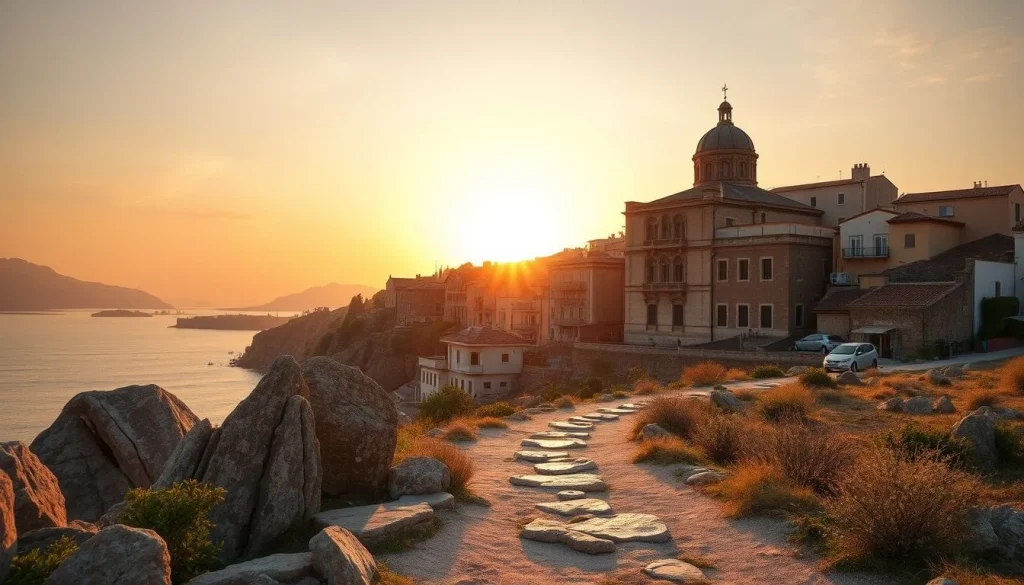
Confidence usually grows through small, repeatable tasks: first follow a local route in daylight, then eat one meal alone, then take a longer excursion. You do not need to fill every hour or prove that you can handle every situation. Leave one flexible block each day so that changing plans feels like a choice rather than a failure.
No destination is specified here, so do not choose dates on the basis of weather or assume that peak months—June, July, August and December—are automatically preferable or best avoided. Once you have chosen a destination, check official information on climate, seasonal closures, extreme weather, strikes and transport disruption before booking.
How to meet people while travelling alone
Start with low-pressure ways to meet people
A guided walking tour is usually the easiest first step: you have a clear meeting point, a shared focus and a natural reason to speak to someone beside you. It also helps you learn the shape of a new city before navigating it alone. Ask, “Is this your first day here?” or “Have you found anywhere good to eat nearby?” These questions are simple, specific and easy to leave behind when the tour ends.
A small-group day tour offers more time with the same people without committing your entire trip to an organised itinerary. Check the group size, pace, transport, inclusions and cancellation terms before booking. It suits a traveller who wants company for a day but values independent mornings and evenings; it is less suitable if you dislike fixed schedules or long stretches with a group.
Cooking classes and language classes create conversation through an activity rather than forced introductions. A cooking class works well for a single evening, while a language class can provide repeated contact with local people or other travellers. Communal meals, including a hostel dinner, are another useful option if approaching strangers feels uncomfortable: sitting at a shared table gives you a ready-made opening without requiring a formal introduction.
Use hostels without giving up your boundaries
Hostels can support social connections through communal areas, events and digital chats designed for travellers, according to Hostelling International. Research the current facilities and event schedule rather than assuming every property offers the same atmosphere. A social hostel is a practical choice if you want company close at hand; a private room in one gives you a quieter retreat while keeping the common room, meal or organised activity available.
Hostelworld and Hostelling International are useful places to research social accommodation, not guarantees of a particular experience. Read the current room, security and event information, then choose the level of contact you can sustain. You do not need to attend every activity, exchange contact details with everyone or turn a brief conversation into a full-day plan.
Consider a group departure when you want built-in company
A small-group departure from operators such as Intrepid Travel or G Adventures can provide a social framework while leaving some free time. Read the itinerary closely: compare group size, daily pace, included meals and excursions, free time, room arrangements and the policy on single supplements. Some operators promote selected solo-friendly departures or shared-room options, but availability and terms vary by trip and departure date.
Women-only or interest-led departures can be a good fit if a curated group feels more comfortable; confirm that the specific departure is operating before relying on it. Organised travel reduces the work of meeting people, but it also limits spontaneity and privacy. Independent travel offers maximum control, while a social hostel or one-day activity provides a middle ground.
Keep new connections safe and manageable

Meet new people in public places, keep control of your accommodation and onward transport, and avoid sharing your full itinerary, room details or financial information at the first meeting. Tell someone you trust where you are going, especially for an evening activity. If an interaction feels wrong, leave plainly: “I’m heading back now,” is enough. You do not owe a stranger more explanation.
Hostelworld’s State of Solo Travel 2025 report says 71% of solo travellers using its app reported making lasting connections. Treat that as encouragement, not a target: one comfortable conversation or a shared meal is a successful social day. Plan one activity in advance, then let further contact remain optional.
Where to stay alone: choose the right area and room style
Where to stay alone: choose the right area and room style

Your accommodation should make the first night simpler, not add another problem to solve. For a first solo trip, choose a central, well-connected area with food options nearby, a clear route from the station or airport, and a staffed transport link you can use during the day where possible. Check local safety and transport advice for the destination, and book the first night before departure.
| Traveller type | Area characteristics | Room style | Advantages | Trade-offs |
|---|---|---|---|---|
| Nervous first-timer | Central, easy to navigate, close to transport and food | Private room | Privacy and a predictable base after arrival | Usually costs more than sharing |
| Social solo traveller | Walkable area with cafés, sights and evening activity | Dorm in a reputable hostel | Shared spaces and events make introductions easier | Noise, less privacy and shared facilities |
| Light sleeper or remote worker | Quiet district with reliable transport into the centre | Private room | Better sleep and space for calls or focused work | Less spontaneous social contact |
| Comfort-focused traveller | Central or well-connected, with services nearby | Hotel or aparthotel with reception | Staff support, private facilities and a consistent routine | May carry a single-room premium |
| Budget traveller | Convenient rather than necessarily central; compare transport time | Dorm or simple guesthouse | Reduces accommodation cost and can provide company | Longer journeys or fewer on-site services |
Use Hostelworld or Hostelling International as discovery tools, then check the property’s own information. Hostelling International describes shared spaces, events and digital features that can support solo connections, but facilities vary by property. Confirm current security arrangements, access controls, locker size, room capacity, reception hours, late-arrival procedure and luggage storage directly before booking.
A dorm is not automatically unsafe, and a hotel is not automatically the right choice. Read recent reviews for specific, practical details: are lockers usable, are doors access-controlled, is staff presence clear, and does the room match the advertised size? A private room in a social hostel is often the useful middle ground for a first solo trip: you can sleep alone while keeping the option of a communal kitchen, hostel dinner or scheduled event.
Check the less visible terms before paying. An ensuite private room may be more convenient but more expensive; a shared bathroom can reduce the cost. Confirm accessibility, lift access, cancellation conditions and the policy for arriving after reception closes. Hotels commonly price a room for one person without sharing the cost across guests, while a dorm or a small-group tour with a shared-room option may reduce the single supplement. Intrepid Travel notes that shared-room policies vary by operator and departure, so check the exact booking terms rather than assuming a roommate will be provided.
Solo travel costs: a dated Paris budget example and the expenses to plan for
Solo travel costs vary sharply by destination and by how much of the trip you pre-book. The figures below are a transparent Paris example rather than a live quote or a universal daily average: GoWithGuide’s cited Paris guide gives indicative amounts of approximately 2025. Recheck prices before booking, as this article is dated 6 October 2026.
| Estimated Paris solo-travel budget | Per person, per day |
|---|---|
| Budget | €90–130 |
| Mid-range | €170–260 |
| Luxury | €300+ |
Basis and date: indicative Paris figures from GoWithGuide, approximately 2025. Confirm whether the source amounts include accommodation, food, transport and activities before using them for a booking decision; the luxury figure is a starting point rather than a complete upper range.
The main difference between solo and shared travel is that one person absorbs the full room cost. Airport transfers, private rooms, attraction tickets, guided tours and restaurant meals can also be harder to divide. Add travel insurance, mobile data and a contingency reserve to the headline daily figure, especially if a delayed connection could force an unplanned night or transfer.
Make the estimate useful by separating fixed and flexible spending. Price the first night and any internal transport before departure, then set a daily ceiling for food and local transport. Keep prepaid costs—such as accommodation, flights and booked activities—apart from money needed on the ground, and reserve a buffer that is not allocated to sightseeing.
A small-group departure may reduce the room penalty: many mainstream operators offer shared-room options, but the Intrepid Travel FAQ makes clear that policies vary by operator and departure date. Some companies also advertise selected departures with free or reduced single supplements, as reported by O.A.T./Grand Circle Travel; availability and conditions must be checked for the specific trip.
Do not choose a tour solely because its advertised price appears lower. Compare what is included, whether a shared room is guaranteed or requested, and which meals, transfers and activities remain payable. For an independent trip, check current accommodation, transport and attraction prices directly, then test the total against both a normal day and an expensive arrival day.
| Item | Budget | Mid-range | Luxury |
|---|---|---|---|
| Paris solo travel — budget | €90–130 per day | Not applicable to this row | Not applicable to this row |
| Paris solo travel — mid-range | Not applicable to this row | €170–260 per day | Not applicable to this row |
| Paris solo travel — luxury | Not applicable to this row | Not applicable to this row | €300+ per day |
Estimated ranges based on the sources listed below. Prices change; check with providers before booking.
Solo travel tips that prevent avoidable mistakes
Once the budget is realistic, use the same discipline for the details that can unsettle a first solo trip. A short checklist is more useful than trying to anticipate every possible problem.
- Before booking, test the route rather than just the destination. Check how you will reach your accommodation from the airport or station, whether the final connection is manageable with your luggage, and what happens if you arrive late. A one-base itinerary is easier to navigate than an overpacked multi-city route; also read cancellation terms and confirm whether a tour’s shared-room arrangement is guaranteed or simply requested.
- Book the first night around a low-stress arrival. Where possible, choose a daytime arrival and use reputable or pre-arranged transport, advice also reflected in the U.S. Department of State’s Traveler’s Checklist. Save the accommodation’s full address, phone number and check-in instructions offline. Do not schedule a demanding hike, long transfer or fixed evening booking on the day you land.
- Build a solo travel checklist before departure. Scan your passport, insurance policy, prescriptions and key bookings, then keep the files offline as well as in a secure account. Give a trusted contact your broad itinerary and agree when you will check in; this is a simple way to create reassurance without reporting every movement. Check airline and destination rules for luggage, medication and restricted items rather than relying on general packing advice.
- Pack so you can manage everything yourself. Choose luggage you can lift, carry and secure without assistance, and keep essential medication, documents, a payment method and a change of clothes accessible. Learn a few useful local phrases, including how to ask for help and say the name of your accommodation. Check official health and travel advice from the U.S. Department of State and the relevant health authority for vaccines, malaria guidance, outbreaks and preparation specific to your destination.
- Make the first day deliberately undemanding. Download offline maps, pre-save your accommodation and transport details, and keep one payment method separate from your main wallet. After checking in, take a short familiarisation walk to identify a staffed public place, a pharmacy and a straightforward food option. Carry water and necessary medication, but leave room in the plan to rest.
- Use a loose daily plan, not an empty calendar. Pick one main activity and one easy backup, such as a museum, café, cinema or covered market if the weather changes or your energy drops. A recurring check-in with someone at home can anchor the day without making the trip feel supervised. Recheck official information for local transport disruption, seasonal hazards and health notices, since these conditions can change.
- Make eating alone easy. A counter seat, communal table, café, takeaway picnic or early meal usually requires less confidence than entering a formal restaurant at peak time. If loneliness arrives, use a reset sequence: contact someone, attend a low-pressure activity, change your surroundings, rest, and reassess. Do not force yourself into an exhausting social schedule simply to prove that you are enjoying solo travel.
- Keep an emergency plan where you can reach it. Write down the destination’s local emergency number, your insurer’s assistance line, your accommodation and your embassy or consular contact; do not assume numbers or procedures from home apply abroad. The U.S. Department of State’s safety guidance is a useful reference for U.S. citizens, while other nationalities should use their own government’s official advice. If transport, health or safety conditions change, follow destination-specific official instructions rather than an old itinerary.
Your best first solo trip is small, structured and still yours
For a first solo trip, keep the shape manageable: choose a three- to five-night itinerary with one base, a booked first night and a daytime or pre-arranged arrival where possible. Leave some time unplanned, but add one low-pressure group activity—such as a walking tour, cooking class or small-group day trip—so independence does not mean having to organise every hour alone.
Match the accommodation to your confidence. A private room in a social hostel gives you quiet space plus communal areas and events; a staffed hotel may feel more reassuring if shared facilities are not for you. Neither choice makes a destination universally safe, so check its current official entry, travel-advisory and health information before booking.
Your next step is practical: shortlist one destination, price the first night and suitable travel insurance, then write down your emergency contacts and arrival plan before paying. If that preparation feels manageable, the trip is probably the right size for a confident first step.
Frequently asked questions
Is three or four nights long enough for a first solo trip?
Yes. Three or four nights can be enough to practise the essentials without making the trip feel logistically heavy: book one base, arrange the first night and plan one organised activity. Keep the itinerary flexible rather than trying to cover several places. A short first trip also lets you learn which level of structure and independence suits you.
Can I travel alone without staying in a hostel?
Yes. A centrally located hotel or guesthouse can be a better fit if you value quiet, privacy or a private bathroom. You will need to create your own social opportunities, perhaps through a walking tour, cooking class, language class or small-group day trip. Hostelling International explains that hostels can provide shared spaces, events and other ways to connect, but a dorm is not essential to solo travel.
How can I have company on some days but privacy on others?
Use a mixed plan: book a private room in a social hostel, then join a walking tour, communal meal or small-group excursion on selected days. On other days, keep your schedule open and return to your own room. Hostelling International describes social hostel features, while Intrepid Travel notes that shared-room arrangements may help solo travellers join group trips without always paying for a private room; check the specific property or departure.
Does joining a group tour still count as solo travel?
Yes. You are still choosing, booking and beginning the trip independently, even if part of the itinerary is organised with other people. A small-group tour can provide company and logistics while leaving you free before or after the scheduled portion. Shared-room policies and any single supplement vary by operator and departure date, so confirm the arrangement directly before paying.
How can I make eating alone feel less awkward?
Choose a communal meal, hostel dinner or food-focused activity when you want company; a cooking class gives conversation a natural starting point. For a quieter meal, sit at a counter or choose a place where ordering is straightforward, then bring a book or saved itinerary as a practical focus. A social hostel can also help you find others who want to eat together.
What should I do if I lose my phone or cannot access my bookings?
Prepare before departure: keep offline copies of booking details, passport information, insurance documents and important contacts, and leave a copy of your itinerary with someone at home. If the phone is lost, use the accommodation, a transport provider or an embassy or consulate to help you reconnect with those details. The U.S. Department of State’s Traveler’s Checklist is a useful official preparation reference; also save the relevant local emergency number before leaving.