Africa comprises 54 countries and covers roughly 30 million square kilometres, so a first visit is not one destination but a choice between very different regional trips. You might follow Cairo’s Pyramids of Giza and Egyptian Museum with time in Marrakech, track wildlife across the Serengeti or Masai Mara, or combine Cape Town with a Southern African safari and Victoria Falls.
This Africa travel guide is written for first-time international travellers planning 10–14 days who want a clear route through the big decisions: where to go, when to travel, how much to budget and how to arrange flights, accommodation, transport and health checks. It focuses on the trade-offs that matter most, from dry-season safari viewing and North African heat to the higher cost of remote lodges, and explains how to build a manageable trip around one region rather than crossing the continent.
Quick answer: For a first trip, choose one region: East Africa suits a safari with a Zanzibar beach extension, Southern Africa suits wildlife and varied landscapes, and North Africa suits history and city travel. A practical 10–12-day plan combines Nairobi with a three- to four-night Masai Mara or Amboseli safari and three to four nights in Zanzibar; check seasonal conditions, entry requirements and current safety advice for every country on your route.
Why visit Africa? Start by choosing one regional trip
Why visit Africa? Start by choosing one regional trip
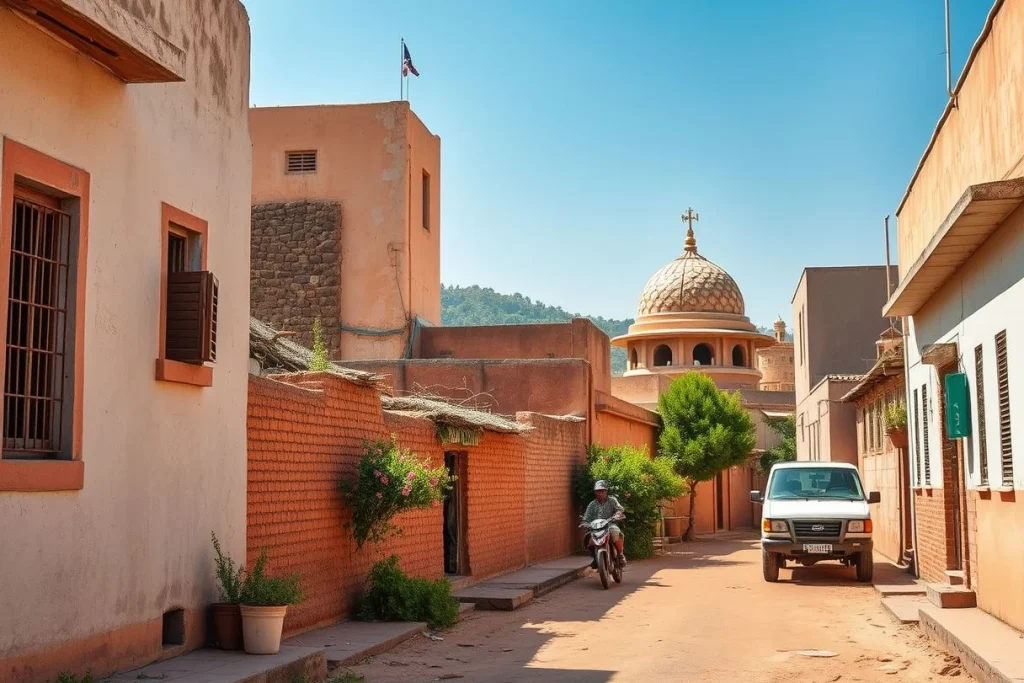
Africa is not one destination but 54 countries covering approximately 30 million square kilometres, according to UN Tourism. That scale shapes every decision: flights, climates, entry rules and travel styles change significantly between regions. For a first trip, choose one country or a connected circuit. A continent-wide itinerary asks too much of the transport network.
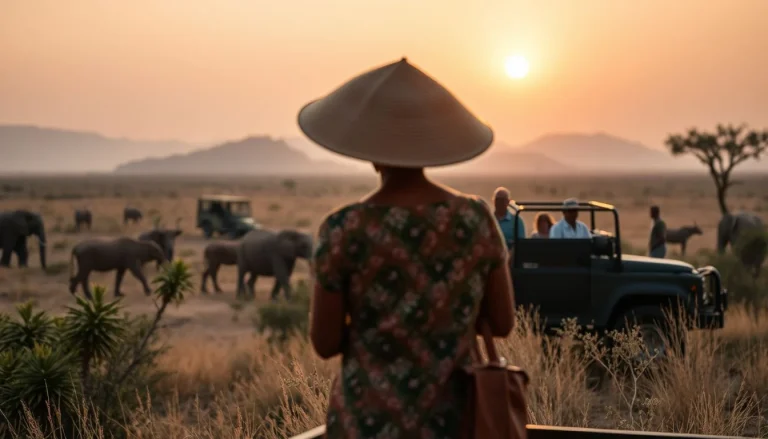
East Africa is the clearest starting point for a first safari. Nairobi can lead into the Masai Mara or Amboseli, with Zanzibar adding beaches and Swahili culture; together, they fit a 10–12-day trip without constant long transfers. Choose this route when wildlife is the priority and you want a straightforward safari-and-beach framework.
Southern Africa works for travellers who want wildlife alongside varied landscapes and established lodge circuits. Kruger, Botswana’s Okavango Delta and Chobe, Victoria Falls or Cape Town can form different combinations, but the distances make a focused route important. It suits independent travellers who value flexible city time as much as safari.
North Africa brings history, food and city travel together in places such as Cairo, Marrakech and Casablanca. West Africa is better suited to travellers specifically drawn to urban culture and regional food; its logistics require more preparation. For diving, beaches and slower days, consider Seychelles, Mauritius, Madagascar or the Mozambique coast. Check monsoon and cyclone patterns before committing to dates.
Best time to visit Africa by region and travel goal
Dates should follow the region, not the continent. June, July, August and December are commonly peak travel months, so expect stronger demand for safari lodges, flights and beach stays; book earlier and check current availability before committing.
| Region | Strongest travel window | Weather or wildlife trade-off | Crowd level | Best fit |
|---|---|---|---|---|
| East Africa | June–October | Drier safari conditions; the Masai Mara–Serengeti migration is commonly associated with July–October. Short rains usually fall October–December and long rains March–May. | Highest in July–August | First-time safari travellers and photographers |
| Southern Africa | May–October | The broadly dry season often improves wildlife viewing, but cooler nights are possible. Water levels and waterfall flow vary by site and season. | Moderate to high in July–August | Safari, varied landscapes and lodge circuits |
| North Africa | October–April | More comfortable for walking through Cairo, Marrakech and Casablanca than the hottest summer period. Winter conditions still vary between coast, desert and mountains. | Variable; holidays can raise demand | History, food and city travel |
| Indian Ocean and Mozambique coast | Destination-specific | Beach conditions depend on monsoon and cyclone patterns; check Seychelles, Mauritius, Madagascar and Mozambique separately. | Often highest around December | Beach, diving and a slower finish |
The seasonal pattern is a planning guide, not a guarantee: climate guidance from Responsible Travel and Visit Africa both emphasises regional variation. If migration is your priority, July to October is the usual starting point; for Serengeti calving, consider January or February.
Before paying a deposit, verify park conditions, lodge access, closures, current event dates and seasonal waterfall flow with the relevant park authority or operator. For a first trip, June–October is the simplest window for an East or Southern African safari, while October–April suits a North African cultural itinerary.
How to get there: choose a regional gateway, not a continent-wide route
Once your dates are fixed, choose an arrival airport that serves the region rather than trying to cross the continent by land. Major gateways include Cairo, Casablanca, Dakar, Lagos, Nairobi, Addis Ababa, Johannesburg and Cape Town. Nairobi is the natural starting point for an East Africa safari; Johannesburg or Cape Town works for Southern Africa; Cairo and Casablanca suit North African city itineraries.
Most first-time visitors arrive on a direct or one-stop international flight, then connect by a regional or domestic flight, road transfer or organised safari transfer. For the Nairobi–Masai Mara–Zanzibar example, allow generous time between the international arrival and any separate domestic ticket: a delay, immigration queue or baggage problem can otherwise become an expensive missed connection. An overnight arrival is also a good reason to arrange a confirmed airport transfer and keep the first day light.
Rail and road are useful within selected corridors, but they are not realistic substitutes for flying between distant regions on a 10–14-day trip. Before booking, check current airline schedules, baggage rules, rail services, border-crossing requirements and road conditions with the relevant operator or authority. If your itinerary crosses countries, confirm passport and health requirements for the full route through the IATA Travel Centre and the relevant embassy; rules vary by nationality and destination.
Where to stay: hotels, riads, guesthouses and safari lodges
Match your accommodation to the way you’ll travel. In Nairobi or Cape Town, a conventional hotel provides predictable check-in, reception support and help arranging transport. Hostels and guesthouses suit independent travellers watching costs, while families benefit from an apartment-style room or a guesthouse with extra space. In Marrakech, riads offer a quieter, more atmospheric base inside the Medina; Gueliz is the simpler choice for taxis and contemporary hotels.
Safari accommodation comes down to access and cost. A tented camp or full-board lodge inside a park or conservancy means shorter journeys to game drives and fewer early transfers, but meals, drinks, activities and transfers may be included in a higher overall rate. Staying outside the gate gives you more choice and value, though the daily drive to and from wildlife areas takes time and can shape your schedule.
After a safari, beach resorts in Zanzibar, Mauritius, Seychelles or along the Mozambique coast suit travellers who want the logistics handled. Smaller guesthouses are a better fit if you plan to eat locally and explore independently. Remote properties need more checking than city hotels, so ask about accessibility, power cuts or generator hours, Wi-Fi, luggage limits, meal inclusions, transfer arrangements and cancellation terms before paying a deposit. On a first trip, a reputable lodge or hotel with confirmed transfers is worth the extra cost when it removes several unfamiliar decisions at once.
Best things to do on a first trip to Africa
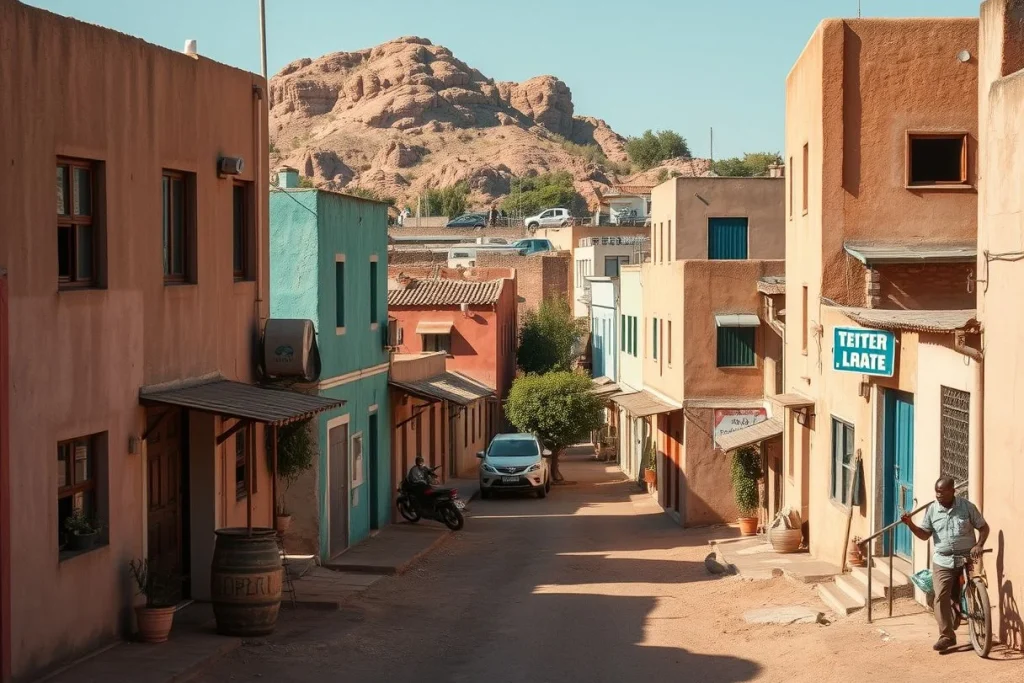
Build a first trip around one main experience, then add one complementary stop. A safari followed by beaches works in East Africa; history and food pair naturally in North Africa; Cape Town can combine scenery, heritage and independent city travel. Remote wildlife, diving and trekking are the points at which a reputable operator becomes especially useful, while city sightseeing is often manageable independently.
| Experience | Best region | Ideal traveller | Time required | Planning difficulty |
|---|---|---|---|---|
| Safari in the Serengeti or Masai Mara | East Africa | First-time wildlife travellers and photographers | Three to four nights | Moderate; use a licensed safari operator |
| Wildlife in Kruger, Botswana or Namibia | Southern Africa | Travellers wanting varied landscapes and established lodge circuits | Several days | Moderate to high, especially for remote routes |
| Okavango Delta and Chobe | Botswana | Wildlife travellers seeking water-based and dry-season viewing | Several days | High; transfers and seasonal access need organising |
| Cairo, Giza and the Egyptian Museum | North Africa | History-focused visitors | Two to three days | Low to moderate; guided touring simplifies logistics |
| Marrakech Medina | Morocco | Travellers interested in markets, food and architecture | Two to three days | Low; independent sightseeing is realistic |
| Cape Town, District Six and heritage sites | Southern Africa | Visitors combining scenery, food and urban culture | Three to five days | Low to moderate |
| Victoria Falls | Southern Africa | Travellers adding a major natural landmark | One to two days | Moderate; check current water conditions |
| Kilimanjaro or the Simien Mountains | East Africa | Fit, active travellers prepared for permits and trekking conditions | Several days | High; arrange an organised trek |
| Seychelles, Mauritius, Madagascar or Mozambique | Indian Ocean | Beach, diving and island-focused travellers | Four or more nights | Moderate to high; check monsoon and cyclone conditions |
Seasonal wildlife and waterfall conditions vary, so confirm park access and excursion details before booking. For climate context, compare the regional guidance from Audley Travel and Responsible Travel; their broad patterns are more useful than treating “Africa” as one destination.
Top attractions and how to visit them well
Choose attractions that fit your route rather than crossing borders for a single sight. In Cairo, allow a full day for the Pyramids of Giza and the Egyptian Museum; start early to limit heat, and check official ticketing and opening hours before travelling. The Marrakech Medina rewards a guided walk, comfortable shoes and patience with uneven walking surfaces.
For wildlife, plan at least three to four nights in the Serengeti or Masai Mara rather than chasing a one-day game drive. Kruger, the Okavango Delta and Chobe each require different park access, conservation fees and seasonal planning: Southern Africa’s May–October dry season is often strongest for viewing, while Okavango activities and Victoria Falls conditions can change with water levels. Follow guide instructions and never leave an authorised vehicle or approach animals.
Victoria Falls deserves a separate check of current waterfall flow and excursion access. Kilimanjaro and the Simien Mountains are active trips, not casual sightseeing: allow time for permits, fitness preparation, weather conditions and the guide arrangements required for your chosen route.
In Cape Town, combine Robben Island with District Six for history and context, allowing flexibility for ferry schedules and site ticketing. Confirm current schedules, closures, fees and seasonal conditions with each attraction or park before booking; broad regional guidance from Audley Travel and Responsible Travel is useful for first-stage planning, not a substitute for local updates.
Best neighbourhoods for a first stay
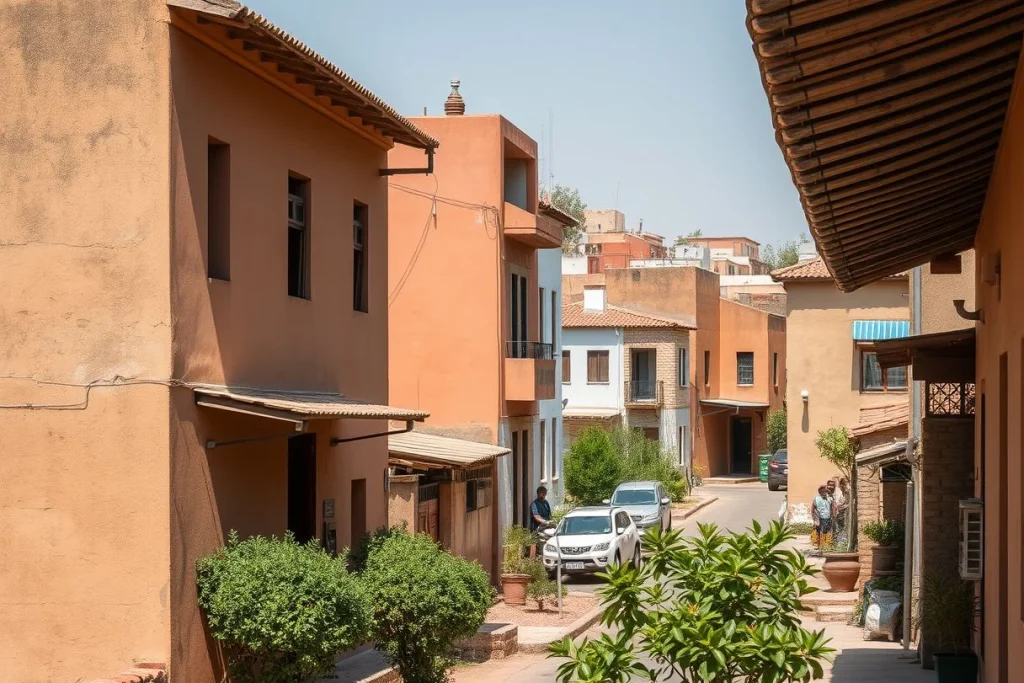
Choose your base by the kind of day you want after sightseeing: Nairobi and Cape Town reward neighbourhood planning, while Marrakech’s choice is mainly between historic atmosphere and modern convenience. Accommodation ranges from hotels and serviced apartments to riads, guesthouses and safari lodges; confirm transfer arrangements directly, especially for early departures and remote stays.
| City or area | Character | Best suited to | Trade-off |
|---|---|---|---|
| Nairobi: Westlands | Restaurants, business convenience and straightforward organised transfers | First-time visitors wanting an easy urban base | Less quiet and leafy than Karen |
| Nairobi: Karen | Quieter, greener and more residential | Slower-paced stays and travellers adding a safari | Less convenient for central city plans |
| Marrakech: Medina | Walkable heritage streets, riads and market atmosphere | Travellers prioritising architecture and local character | Vehicle access and navigation are less simple |
| Marrakech: Gueliz | Modern hotels, restaurants and easier vehicle access | Visitors wanting practical comfort and taxi transfers | Less immersive than the Medina |
| Cape Town: City Bowl | Central base for sightseeing and city stays | First-time visitors without a car | Choose carefully after checking current local advice |
| Cape Town: V&A Waterfront or Camps Bay | Waterfront convenience and family-friendly services, or beach scenery | Families and travellers valuing ease; Camps Bay suits a coastal stay | Stellenbosch is better for wine-country accommodation |
For Cairo, Casablanca, Accra or Addis Ababa, select accommodation using current local advice and the specific transport plan rather than a city-wide reputation. Check the latest GOV.UK foreign travel advice or U.S. travel advisories before confirming a neighbourhood.
What to eat: dishes and food experiences to seek out
What to eat: dishes and food experiences to seek out

Food changes with the region, so plan meals alongside your route. In Cairo, try ful medames and koshari, then look for grilled dishes around local eateries and markets. Ask what’s freshly cooked and how spicy it is.
East African menus commonly include nyama choma, ugali, pilau and chapati. West Africa is known for jollof rice and grilled dishes; busy restaurants and stalls are usually the simplest places to begin. In South Africa, seek out braai and Cape Malay cooking in Cape Town, then pair Stellenbosch wine-country meals with local produce.
Safari lodges typically serve set meals or buffets, while city hotels offer familiar choices alongside regional dishes. At markets, ask about ingredients, nuts and chilli before ordering. Carry hand sanitiser and choose food cooked hot in front of you. During religious fasting periods, daytime eating and drinking may be restricted in some settings, so follow local etiquette. A small-group food tour or cooking class can provide useful context without turning every meal into a formal occasion.
Getting around: flights, transfers, trains and local transport
City travel

In major cities, stick to reputable ride-hailing services where they’re available, a metered taxi, or a taxi arranged through your hotel. At the airport, go to the official pickup point rather than accepting a ride from someone approaching in the arrivals hall. Before setting off, confirm the vehicle registration and driver’s name. Keep your passport and phone out of sight, and don’t display valuables in traffic.
Between cities and countries

For long distances, domestic or regional flights are often the practical choice, particularly on a 10–14-day trip. They save time, but baggage limits, airport transfers and disrupted connections can complicate the journey, so leave a buffer before an international flight.
Major regional gateways include Cairo, Casablanca, Dakar, Lagos, Nairobi, Addis Ababa, Johannesburg and Cape Town, according to Visit Africa’s regional guide. Overland travel can cost less and reveal more of the landscape, although buses take longer and border crossings may be unpredictable.
Trains are useful in selected corridors, while private drivers offer flexibility at a higher cost. Check the exact route with the rail operator, airline, bus company or border authority; schedules, road conditions and crossings can change.
Safaris and arrival transfers
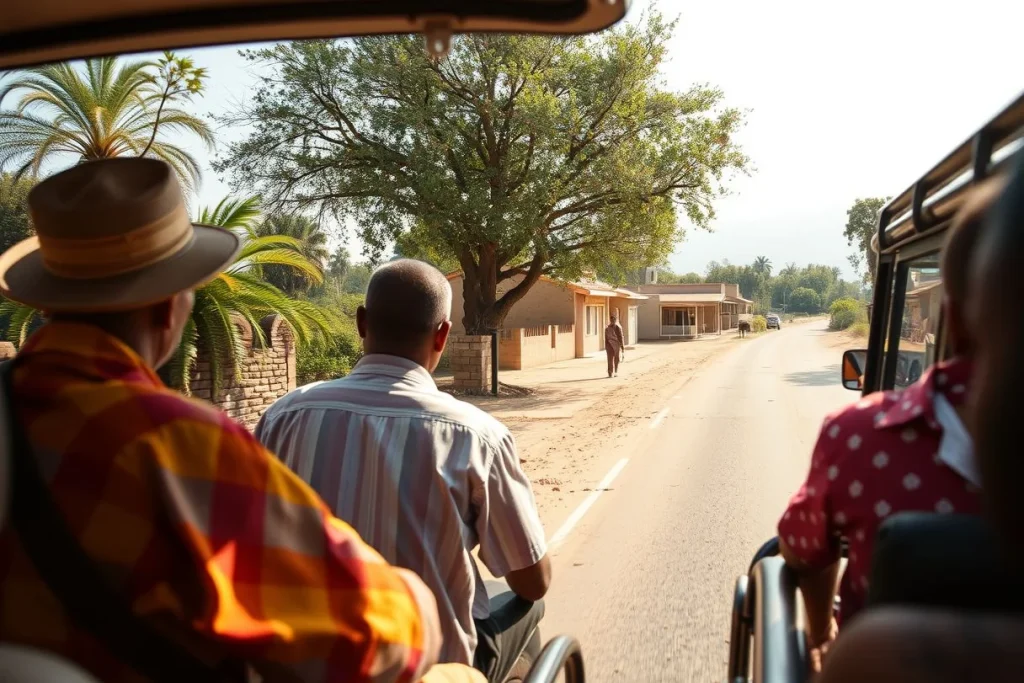
Safari packages commonly combine road transfers with scheduled game drives. A lodge or specialist operator may handle the awkward sections between the airport, park and accommodation.
For an independent trip, pre-arrange your first airport transfer, use official taxi ranks, and save the driver and vehicle details before landing. Self-drive suits experienced travellers who’ve verified road, insurance and park requirements, but it’s not the simplest introduction to remote wildlife areas.
For current route and safety checks, consult U.S. travel advisories and GOV.UK foreign travel advice for each country on your itinerary.
Africa travel costs: dated daily budgets for 2026
Use these figures as planning ranges, not quotes. Africa travel costs vary sharply by country and by the number of remote transfers, park days and guided activities in your plan.
Estimated costs

| Estimated daily budget | Budget | Mid-range | Luxury |
|---|---|---|---|
| Per person | US$30–70 | US$80–250 | US$400–2,500+ |
Basis: per person per day, excluding international flights. The budget range covers independent city or backpacker travel and is an indicative continental aggregate, as reported by RealRoute in April 2026. The mid-range estimate, based on 2026 trip-budget aggregation by RealRoute, generally assumes 3–4-star accommodation plus some tours or day activities. The luxury range, reported by RealRoute in April 2026, reflects private or high-end lodge safaris, often with inclusions.
For a 10–14-day trip, list each cost separately before comparing packages: accommodation, internal flights or long transfers, park entry and other permits, guided activities, meals, visas, travel insurance, vaccinations or medication, tips and single supplements. Islands and remote safari areas can push the total well above a city-based daily average, while June, July, August and December may carry higher demand. Check whether a lodge quote includes meals, drinks, game drives, transfers and park fees; two apparently similar prices may cover very different services.
| Item | Budget | Mid-range | Luxury |
|---|---|---|---|
| Independent city or backpacker travel | US$30–70 per person per day | — | — |
| Mid-range Africa travel | — | US$80–250 per person per day | — |
| Luxury lodge or safari travel | — | — | US$400–2,500+ per person per day |
Estimated ranges based on the sources listed below. Prices change; check with providers before booking.
A realistic 10–12-day Africa travel itinerary
For a first trip, keep the route to two or three bases. A practical 10–12-day plan is Nairobi, a three- to four-night safari in the Masai Mara or Amboseli, and three to four nights in Zanzibar, an itinerary also suggested by Visit Africa. It gives you city time, wildlife and a beach finish without turning every other day into a transfer.
Use days one and two for Nairobi. Arrive early if possible, keep the first afternoon light, and leave room to recover from a long-haul flight before starting the safari. Spend days three to six in the Masai Mara or Amboseli, choosing one rather than trying to include both. A three-night stay is workable; four allows a slower rhythm and gives weather or road conditions less power to disrupt the experience.
Move to Zanzibar on day seven and stay through day 10 or 11. The final night should be near the airport or on the mainland if your international departure is early, rather than relying on a same-day island connection. Build a buffer for changing flight schedules and weather, particularly during wetter seasons; East Africa commonly has rains from October to December and March to May, according to Visit Africa.
For a slower trip, remove Nairobi’s extra sightseeing or choose either safari or Zanzibar. After a Southern Africa safari, replace Zanzibar with Cape Town; for history and city travel, make Cairo or Marrakech the entire trip. Do not combine Cairo, Cape Town, a safari and an island in 10 days: the route may fit on a map, but the transfers will dominate the holiday.
Entry requirements and safety: check every country on your route
There is no continent-wide visa or safety rule for Africa. Requirements vary by passport, destination and the countries you cross, so check each stop rather than relying on a general guide. Use the IATA Travel Centre and Timatic for personalised passport, visa and health information based on your nationality and itinerary, then confirm the result with the relevant embassy or consulate.
Before booking, check your passport’s required validity, remaining blank pages and any proof of onward travel. These conditions can differ between countries and may also affect transit airports. Keep digital and paper copies of your passport, visas, insurance policy, bookings and emergency contacts; travel insurance should cover the activities and regions on your route, including safari or trekking where relevant.
Health requirements are equally specific. A yellow-fever vaccination certificate may be required or strongly recommended for some destinations or border crossings, but this is not a continent-wide rule. Malaria risk and recommended medication vary by destination, so arrange advice with a travel-health clinic and take your complete itinerary, including transit points. Recheck requirements shortly before departure because health and entry rules can change.
Safety conditions differ substantially between and within countries. Read the current U.S. Department of State travel advisories and GOV.UK foreign travel advice for every country on your route, including transit destinations, and note regional warnings rather than judging an entire country by one headline. The U.S. Nigeria advisory, for example, was updated on 12 June 2026; that date applies to the cited advisory, not to Africa generally. Check again immediately before departure, save your embassy’s contact details, and ask your accommodation or operator about local emergency procedures.
Travel tips for a confident first trip
Small preparations make a first trip through Africa much easier. Keep the plan light, leave room for delays, and treat each country’s practical advice as different rather than assuming one system works across the continent.
- Carry two ways to pay: keep a small amount of local currency for small purchases and transport, carry a backup card separately, and tell your bank where and when you are travelling.
- Use ATMs carefully: choose machines inside banks, hotels or staffed shopping centres, cover the keypad, and avoid accepting help from unofficial currency exchangers or anyone offering to “fix” a declined transaction.
- Sort connectivity before landing: check that your phone is unlocked and supports an eSIM or local SIM, then download offline maps, booking confirmations and key addresses before leaving reliable Wi-Fi.
- Keep a paper and digital file: store passport copies, insurance details, prescriptions and emergency contacts separately from the originals, and keep essential medication in your hand luggage.
- Pack for transfers, not just weather: soft-sided, lightweight luggage is easier on small safari aircraft; add sun protection, a light rain layer and insect protection because heat, rain and road conditions can change quickly.
- Be deliberate around wildlife: stay in the vehicle or with your guide, never feed or approach animals, and follow instructions even when a sighting looks close enough for a photograph.
- Ask before photographing people: respect local dress expectations, religious customs and photography consent, particularly at ceremonies, places of worship and markets.
- Verify every ride and tour: use official taxi ranks or a trusted transfer, confirm the fare and destination before departure, and check an operator’s credentials rather than accepting airport offers or unofficial guides; ask in advance about accessibility, flooding, cyclone conditions and rough roads at remote lodges.
For connectivity, transfers and compact luggage, confirm the arrangement directly with the provider before departure.
Conclusion: choose one region, then build around your dates
For most first-time travellers, the clearest choice is one regional focus: Nairobi, a safari and Zanzibar for wildlife followed by beach; a Southern Africa circuit for varied landscapes; or Cairo and Marrakech for history, food and city culture. Don’t try to cross the continent in one holiday.
Start by selecting your region and travel focus. Then match your dates to seasonal conditions, allowing extra care for safari viewing, island weather and road travel. Before booking flights, confirm entry and health requirements and read current safety guidance for every country on your route. Once those checks are complete, reserve the key safari or island accommodation first, then build the shorter city stays and transfers around it.
Frequently asked questions
Should I book a guided safari or travel independently?
For a first safari, a guided arrangement is the more straightforward choice because safari planning can involve park permits, lodge logistics, transfers and seasonal conditions. Independent travel may suit experienced travellers who are comfortable arranging each part themselves, but the supplied guidance does not establish a single best option. Compare the inclusions, transport, accessibility arrangements and cancellation terms directly with reputable safari operators before booking.
How far ahead should I reserve safari lodges and park permits?
There is no universal booking lead time in the supplied sources. Demand can be stronger during June, July, August and December, while migration viewing in the Masai Mara and Serengeti is commonly associated with July to October. Start checking lodge availability and permit requirements as soon as your dates are set, then confirm current rules and availability with the park, lodge or safari operator.
Can I visit more than one African country in 10 to 14 days?
Yes, but keep the route regional and allow for transfers rather than trying to cross the continent. A supplied 10–12-day framework combines Nairobi, a three- to four-night safari in the Masai Mara or Amboseli, and three to four nights in Zanzibar. That plan links Kenya and Tanzania, but flight schedules, border requirements and entry rules must be checked for your nationality and itinerary through IATA Travel Centre or the relevant embassy.
What type of luggage is easiest for an Africa trip?
The supplied sources do not specify a continent-wide luggage rule, and the practical choice depends on your itinerary. Ask each airline, safari operator and lodge about baggage limits and transfer arrangements before departure, particularly if your trip includes internal flights or remote camps. Build the final luggage plan around the most restrictive segment, and confirm accessibility or handling arrangements directly where needed.
Are remote safari lodges suitable for travellers with accessibility needs?
Accessibility varies widely, especially at remote lodges, parks and on local transport. Do not assume that a lodge, vehicle, trail or transfer will meet your requirements from its website description alone. Contact the lodge and safari operator before booking with precise questions about rooms, vehicles, paths, activities and transfers, and confirm the arrangements again when checking current availability.
Can I use credit cards and mobile payments throughout Africa?
There is no single continent-wide payment rule in the supplied guidance. Africa comprises 54 countries, and practical arrangements can differ between cities, parks, islands and remote lodges. Ask your accommodation, safari operator and transport providers which payment methods they accept on your exact route, and check current destination information before departure. Do not assume that a payment method available in a major gateway will work at a remote camp.