The Tokaido Shinkansen makes Tokyo, Kyoto and Osaka a workable first-trip route rather than a race across Japan. A Nozomi takes approximately 2 hours 20 minutes from Tokyo to Kyoto, while a Hikari takes 2 hours 40 minutes. Allow four nights in Tokyo, three in Kyoto and two in Osaka, then take the final flight from Kansai International Airport if schedules allow.
This plan is for first-time visitors who want the headline sights without changing hotels every night. It shows when to travel between cities, which airport and train choices matter, and where to stay near useful transport. You’ll also find guidance on IC cards, phone connectivity, shinkansen reservations and the need to price individual tickets before buying a Japan Rail Pass. Check visa requirements, live fares, attraction reservations and seasonal crowding for your dates, particularly around Golden Week, Obon, autumn-leaf season and New Year.
Quick answer: Yes—10 days is enough for a first-time highlights trip through Tokyo, Kyoto and Osaka if you keep to four nights in Tokyo, three in Kyoto and two in Osaka, then depart from Kansai International Airport where flight schedules allow. The Tokaido Shinkansen takes approximately 2 hours 20 minutes from Tokyo to Kyoto by Nozomi, or 2 hours 40 minutes by Hikari. Compare individual tickets with the Japan Rail Pass before you buy.
Itinerary at a glance: 10 days from Tokyo to Osaka
Use this as a highlights route with one clear base in each city. The overnight split is four nights in Tokyo, three in Kyoto and two in Osaka, avoiding a hotel change every day while still covering the main sights.
| Day | Base | Plan |
|---|---|---|
| 1 | Tokyo | Arrive, settle in and explore western Tokyo at an easy pace. |
| 2 | Tokyo | See traditional and eastern Tokyo, including Asakusa and Ueno. |
| 3 | Tokyo | Spend the day in modern Tokyo: Shibuya, Harajuku and a flexible evening. |
| 4 | Kyoto | Transfer from Tokyo to Kyoto and make a gentle first walk through Gion. |
| 5 | Kyoto | Visit Kiyomizu-dera, Higashiyama and Gion. |
| 6 | Kyoto | Choose Arashiyama, Fushimi Inari or northern Kyoto temples. |
| 7 | Osaka | Travel to Osaka, then explore Namba, Dotonbori and Shinsaibashi. |
| 8 | Osaka | Explore Osaka’s food and neighbourhoods, from Kuromon Ichiba to Umeda. |
| 9 | Osaka | Choose Universal Studios Japan or a slower Himeji and Kobe day trip. |
| 10 | — | Depart from Kansai International Airport, allowing time for the airport transfer. |
This is a first-trip highlights plan, not a complete tour of Japan. It suits travellers who want three major cities without sacrificing whole days to transfers; add nights rather than extra destinations if you prefer a slower rhythm.
Before you go: bookings, airport arrival and train decisions
Set the route before booking anything else
For this route, the simplest plan is to arrive in Tokyo and leave from Kansai International Airport, rather than returning to Tokyo. The recommended structure is four nights in Tokyo, three in Kyoto and two in Osaka. Check that an open-jaw flight is practical for your dates and compare the total fare with a return flight before committing.
Check your nationality-specific visa and entry requirements on Japan’s Ministry of Foreign Affairs visa page immediately before departure; the page was updated on 24 June 2026. Keep your passport, accommodation addresses and travel-insurance details accessible, and save your airline and hotel confirmations offline in case you cannot connect on arrival.
Book the fixed points first
Reserve accommodation near a useful station before choosing day trips. In Tokyo, that might mean Shinjuku, Tokyo Station or Ueno; in Kyoto, Kyoto Station or central Kyoto; in Osaka, Namba is convenient for this plan. Then check timed-entry and ticket requirements for attractions such as teamLab and Universal Studios Japan. Opening hours and reservation systems change, so use each attraction’s official website for your dates.
Popular restaurants may need advance reservations, but do not fill every evening before you arrive. A flexible meal near your hotel is valuable after a long transfer, and small restaurants or markets may still require cash even when cards are widely accepted. Keep a modest amount of yen for these occasions and confirm current payment arrangements locally.
Choose the airport connection
From Narita International Airport, the Narita Express and Keisei Skyliner are the main rail options into Tokyo; from Haneda, look at Tokyo Monorail and Keikyu. Kansai International Airport is served by JR and Nankai services. These routes and their departure times are subject to change, so check the airport and operator websites shortly before travel rather than relying on an old timetable.
For the Tokyo-to-Kyoto travel day, price individual tickets before buying a Japan Rail Pass. The nationwide pass has undergone price changes, and further adjustments have been announced for 1 October 2026, according to official JR Central information. The Japan Rail Pass information from Japan.travel should be checked alongside the live JR fare system; a three-city itinerary does not automatically make the pass worthwhile.
Planning checkpoint: Compare the Tokyo–Kyoto shinkansen, any day-trip trains and your onward Kyoto–Osaka travel as individual fares against the current pass price. Recheck the calculation if travelling on or after 1 October 2026.
Prepare local transport and connectivity
Use an IC card for many local trains, buses and participating shops. Suica, Pasmo and ICOCA serve similar everyday purposes, but they are not a universal replacement for every reserved train or airport ticket. Suica is accepted across many services, while Welcome Suica Mobile lets visitors issue and top up a visitor card without using a physical ticket machine; it launched on 6 March 2025, according to JR East.
For mobile data, compare an eSIM with pocket Wi-Fi using the visitor guidance from JNTO. An eSIM keeps you travelling light if your phone supports it and is unlocked; pocket Wi-Fi can suit several devices or a group, but adds charging and collection or return arrangements. Download maps, translation tools and booking confirmations before leaving home.
Day by day: a realistic Tokyo–Kyoto–Osaka route
Your first day in Japan should absorb the arrival, not compete with it. After immigration, luggage collection and the journey into Tokyo, check in, eat nearby and use the evening for a gentle introduction to Shinjuku or Shibuya. Keep major museums, observation decks and timed-entry attractions for later days, when jet lag is less likely to dictate the schedule.
Morning
Arrive at Narita International Airport or Haneda Airport and allow time for the practical steps: immigration, baggage collection, customs, an ATM or currency exchange, and a transport decision. If you have not arranged mobile data in advance, activate your eSIM or collect pocket Wi-Fi before leaving the airport. Download your accommodation address in Japanese as well as English.
Narita is served by the Narita Express and Keisei Skyliner; Haneda is connected by Tokyo Monorail and Keikyu services. Current routes and timetables vary, so check the relevant operator shortly before travelling. If you arrive late, tired or with young children, a pre-arranged transfer may be worth the extra cost and removes the need to navigate a large station immediately after a long flight.
Afternoon
Travel to your Tokyo accommodation, check in or leave your bags, then take a proper pause. A shower, short nap and a slow meal will make the evening more useful than trying to force in Senso-ji, teamLab or another headline attraction on arrival day.
For a first walk, choose the district closest to your hotel. In Shinjuku, browse the department-store food halls and walk around the station’s west-side business district before returning to your accommodation. In Shibuya, see the crossing, explore the surrounding streets and stop when the crowds and jet lag become tiring. Keep your phone and wallet secure in dense station areas, and ignore unsolicited invitations to bars or clubs.
Evening
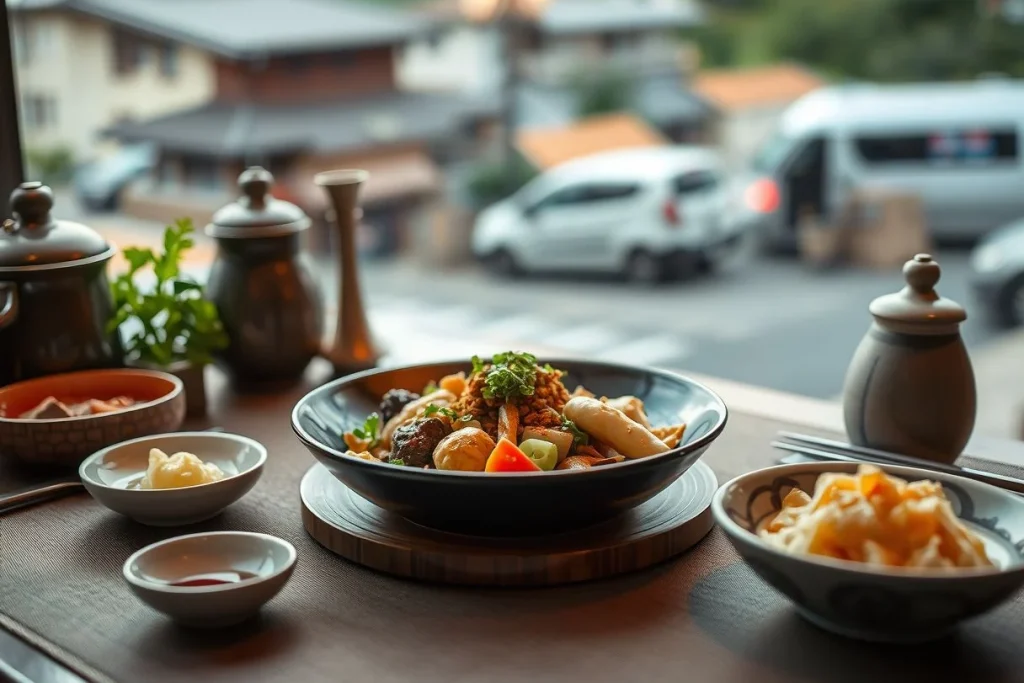
Have an early dinner near the hotel. Ramen, sushi, a set meal or a department-store food-hall selection are easy first-night choices because portions and ordering are usually straightforward. Convenience stores are also useful for breakfast supplies, bottled drinks and a simple snack for the next morning.
Use the evening to prepare for Day 2: charge your phone, place passports and valuables securely, and save the route to the first station entrance. Japan’s rail stations can have several exits and large underground passages; following the correct exit matters more than walking quickly. If you use a physical IC card, keep it separate from other contactless cards to avoid failed taps.
Where to eat
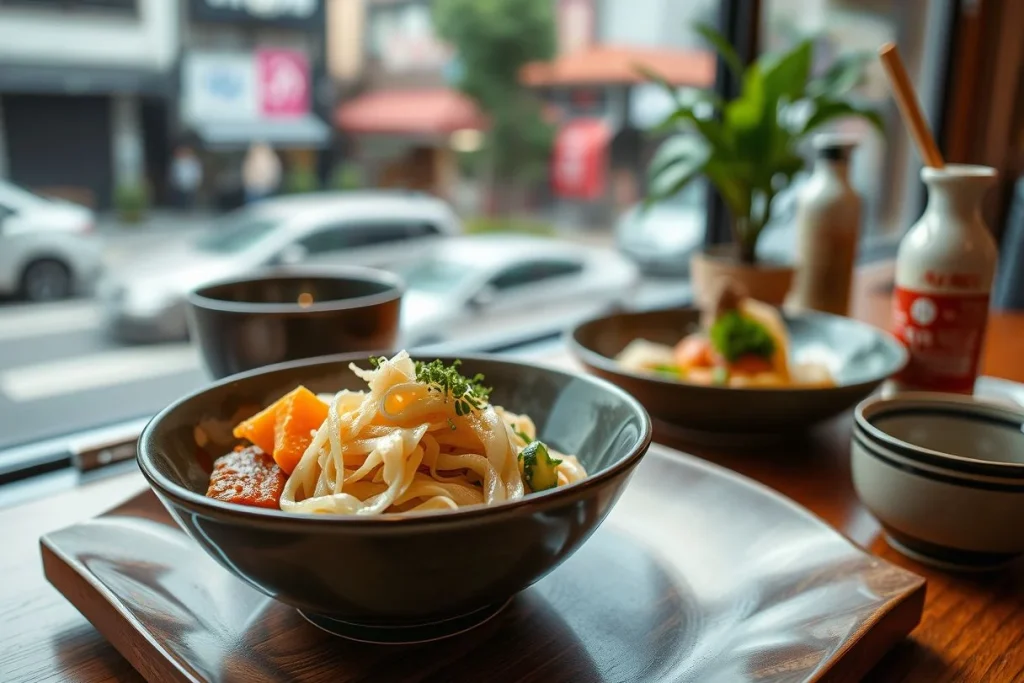
Stay within a short walk of the hotel rather than crossing Tokyo for a famous venue. Shinjuku and Shibuya offer everything from ramen counters and sushi shops to department-store depachika food halls. Expect some small restaurants and market-style places to prefer cash even though cards are widely accepted. A Suica can be used on many trains, buses and participating shops, but it is not a substitute for carrying a small cash reserve.
Getting around
Use the airport railway or bus connection that best matches your accommodation, then rely on the train and subway network for the evening only if you still have energy. Narita involves a longer transfer into central Tokyo than Haneda; allow generous door-to-door time for luggage, ticketing and finding the correct station exit. Rush hour can make major stations crowded and slow to navigate.
Suica is accepted on many trains, buses and participating shops. Visitors can also use Welcome Suica Mobile to issue and top up a visitor IC card without relying on a physical ticket machine, according to JR East. Check device compatibility before departure. Keep your accommodation name and address available offline in case your data connection is delayed.
Estimated time
| Activity | Realistic allocation |
|---|---|
| Arrival formalities and airport departure | Several hours, depending on your flight and queues |
| Airport-to-hotel journey | A substantial part of the day; check the live route for your airport and neighbourhood |
| Check-in, shower and rest | Two to three hours |
| Neighbourhood walk | One to two hours |
| Dinner and preparation for tomorrow | Two hours |
Optional extras
- For an early arrival: add a short visit to Meiji Shrine if you are staying near Shibuya or Shinjuku, but leave if fatigue starts to affect your pace.
- For a later arrival: skip sightseeing and eat near the hotel. Tokyo’s scale makes a simple first evening the more sensible choice.
- For families: buy breakfast items and drinks before returning to the hotel, then prioritise sleep over a second neighbourhood.
Where to stay in Tokyo, Kyoto and Osaka
Keep the four-night Tokyo, three-night Kyoto and two-night Osaka split. Changing hotels more often adds luggage handling and check-in time, while these areas place the main sights and transport within manageable reach.
| City | Area | Best for | Trade-off |
|---|---|---|---|
| Tokyo | Shinjuku; Shibuya; Asakusa; Ueno; Ginza | Shinjuku suits first-timers who want extensive transport and evening choices. Shibuya fits a modern-city stay; Asakusa a traditional mood; Ueno value and airport access. | Shinjuku and Shibuya can feel intense at night. Asakusa is farther from western Tokyo, while polished Ginza generally costs more. |
| Kyoto | Kyoto Station; Gion and Higashiyama; central Kyoto near Nishiki Market and Nijo Castle | Kyoto Station is practical for rail and luggage. Gion and Higashiyama put you close to atmospheric lanes and early temple visits; central Kyoto works well for food and city access. | Kyoto Station is less atmospheric. Gion can be expensive, and buses serving central sights may be slow, particularly when the city is busy. |
| Osaka | Namba; Umeda; Shinsekai | Namba is the easiest base for Dotonbori, Kuromon Ichiba Market and Shinsaibashi. Umeda favours rail connections and day trips; Shinsekai offers a retro, more local-feeling setting. | Namba is lively rather than quiet. Umeda is less convenient for southern Osaka, while Shinsekai has fewer direct reasons to stay if you prefer a polished hotel district. |
For a budget Japan trip, choose a hostel or compact budget hotel near a station rather than paying for a landmark address. Mid-range business hotels are usually the simplest first-trip choice: reliable locations, private rooms and less negotiation after a long train journey. Families should look specifically for family rooms and enough floor space for luggage; room layouts vary, so check the hotel’s details before booking.
For a small luxury upgrade, make one Kyoto night a ryokan-style stay instead of paying for premium rooms in every city. It gives the trip a distinct sense of place without adding another move. Book early if travelling during cherry blossom season, Golden Week, mid-August Obon, autumn leaves, December or New Year, when availability and rates can change quickly.
Travel costs: 2026 budget, mid-range and luxury estimates
Plan on ¥12,000–18,000 per person per day for a budget 10-day Japan trip, ¥25,000–40,000 for a mid-range trip, or ¥60,000+ for a luxury version. These 2026 planning ranges include accommodation, food, local transport and some admissions, but exclude international flights. Hotel rates and fares can rise during cherry blossom season, Golden Week, Obon, autumn leaves and New Year.
| Estimated costs for 2026 | ||
|---|---|---|
| Style | Per person, per day | What it usually allows |
| Budget | ¥12,000–18,000 | Simple accommodation, often best value when sharing a room; inexpensive meals, local trains and selected paid sights |
| Mid-range | ¥25,000–40,000 | Comfortable private rooms, a wider choice of restaurants and regular paid attractions |
| Luxury | ¥60,000+ | Higher-end hotels or ryokan-style stays, premium dining, private experiences and more admissions |
Basis: rounded estimates per person per day, including accommodation, food, local transport and some admissions; figures are sourced from Lonely Planet’s Japan budget guidance and treated as 2026 planning ranges. They are not a quotation for your dates.
For the main long journey, a reserved ordinary-car Nozomi from Tokyo to Kyoto is approximately ¥14,000–15,000 one way, based on a 2025–2026 estimate from JR Central; confirm the live fare when booking. Add Kyoto–Osaka, airport transfers and city fares separately. For this route, compare those individual tickets with the current Japan Rail Pass rules and prices: JR Central says further changes were announced for 1 October 2026.
| Item | Budget | Mid-range | Luxury |
|---|---|---|---|
| Daily Japan travel budget | ¥12,000–18,000 per person per day | ¥25,000–40,000 per person per day | ¥60,000+ per person per day |
| Tokyo to Kyoto shinkansen | Not supported as a budget tier | Approximately ¥14,000–15,000 one way for a Nozomi reserved ordinary-car ticket | Not supported as a luxury tier |
Estimated ranges based on the sources listed below. Prices change; check with providers before booking.
Travel tips that make a first Japan trip easier
- Use an IC card for local travel, not as a substitute for every train ticket. Tap Suica, Pasmo or ICOCA at station gates and on participating buses, but keep your separate shinkansen reservation or ticket available for the Tokyo–Kyoto journey. Suica is also accepted at many participating shops; visitors can use Welcome Suica Mobile to issue and top up a visitor card, according to JR East.
- Carry some yen each day. Cards are widely useful, but small restaurants, markets and temples may still require cash. Keep coins accessible for lockers, vending machines and smaller purchases rather than searching through your bag at the counter.
- Make stations part of your itinerary. Tokyo, Kyoto and Osaka stations can involve long walks, several levels and confusing exits. Download offline maps, save your hotel address in Japanese, and allow a buffer when changing trains or meeting a timed booking.
- Send large bags ahead when changing cities. Station lockers are useful for a day out, but availability and luggage size vary; luggage forwarding can make the Tokyo-to-Kyoto transfer far easier. Keep medication, passports, chargers and one change of clothes in your day bag.
- Set up connectivity before leaving the airport. JNTO lists eSIMs and pocket Wi-Fi as visitor options and provides guidance on providers. Charge your phone each night, carry a small power bank, and save translation tools plus offline maps before entering areas with weak signal.
- Follow the local rhythm on trains and at religious sites. Queue where marked, keep voices low on trains, and do not eat while walking in sensitive areas. Remove shoes when requested, obey photography signs at temples and shrines, and never touch or block geisha or maiko for a photograph.
- Be cautious around nightlife invitations. Japan is generally low-scam, but do not accept unsolicited bar or club invitations, particularly around nightlife districts. Avoid venues with unclear prices; ask to see the menu and total cost before ordering, and leave if the explanation is evasive.
- Plan around surfaces, weather and crowd pressure. Temples, older neighbourhoods and station routes may include stairs or uneven ground, so check accessibility with each site before travelling. June to August can be hot and humid, while late summer and early autumn may bring typhoon disruption; Golden Week, Obon, cherry blossom and autumn-leaf seasons, and New Year can increase crowds and booking pressure. Check the forecast, live transport information and official attraction notices before setting out.
Conclusion: book the route that keeps Japan enjoyable
For most first-time visitors, the most workable 10 days in Japan itinerary is four nights in Tokyo, three in Kyoto and two in Osaka. Arrive in Tokyo, travel west by shinkansen, and fly home from Kansai International Airport if the fare and schedule make sense. This avoids returning to Tokyo simply to catch an international flight.
Keep the slower alternatives on Day 4 and Day 9 if temples, neighbourhood walks or an unhurried meal appeal more than another day trip. A packed checklist is a poor trade for jet lag, station transfers and Kyoto’s walking-heavy sightseeing.
Your next step is practical: choose dates, check Japan’s Ministry of Foreign Affairs entry guidance and current rail information, then reserve cancellable hotels and any timed-entry attractions. Book the Tokyo-to-Kyoto train once your arrival plans are firm, and compare individual fares with the Japan Rail Pass before purchasing.
Frequently asked questions
Can I use luggage forwarding between Tokyo, Kyoto and Osaka?
The supplied sources do not confirm luggage-forwarding availability, collection times or delivery rules between these cities. Check the current terms of your hotel and an established luggage-forwarding provider before relying on the service, particularly when changing accommodation. Keep passports, medication, valuables and anything needed during the Tokyo–Kyoto journey with you.
What is the easiest way to handle luggage on the shinkansen?
The safest plan is to confirm the current luggage and seat-reservation rules when you buy your Tokyo–Kyoto ticket. The Tokaido Shinkansen takes approximately 2 hours 20 minutes by Nozomi or 2 hours 40 minutes by Hikari, according to JR Central’s 2025 guide. If you have unusually large luggage, check JR Central’s official guidance before travelling rather than assuming a standard seat is suitable. JR Central’s guide is the relevant reference.
Are restaurants and attractions usually open on public holidays?
The supplied research does not establish opening patterns for restaurants or attractions on Japanese public holidays. Opening hours, closures and timed-entry arrangements can vary by venue, so check each attraction’s official website and confirm with your restaurant or hotel for your dates. This matters especially during periods identified in the brief as high-pressure travel periods, including Golden Week, mid-August Obon and New Year.
How much time should I allow for collecting luggage at a Japanese airport?
No reliable collection-time estimate is provided in the supplied sources, so do not build your airport transfer around a fixed number of minutes. Allow a buffer after landing and check the current airport rail and bus timetables before departure; Narita is served by the Narita Express and Keisei Skyliner, Haneda by Tokyo Monorail and Keikyu, and Kansai International Airport by JR and Nankai services, subject to current timetables. Check the referenced transport guidance and the airport operators’ live information.
Can I visit Mount Fuji on this route without adding another hotel night?
The supplied itinerary facts do not provide a Mount Fuji route, viewing location, excursion duration or transport timetable. It is therefore not possible to confirm a realistic same-day visit without checking your chosen departure point, weather and live services. For a first trip, treat Mount Fuji as an optional change to the Tokyo days rather than adding it automatically to the Tokyo–Kyoto transfer.
Are tattoos a problem at Japanese baths, gyms or hot springs?
The supplied sources contain no current policy information on tattoos at baths, gyms or hot springs. Rules vary by individual property, so check the official policy of each facility before booking; do not assume that one venue’s approach applies elsewhere. Ask specifically about cover requirements, private bathing and tattoo-friendly access, and confirm again if the policy is unclear.