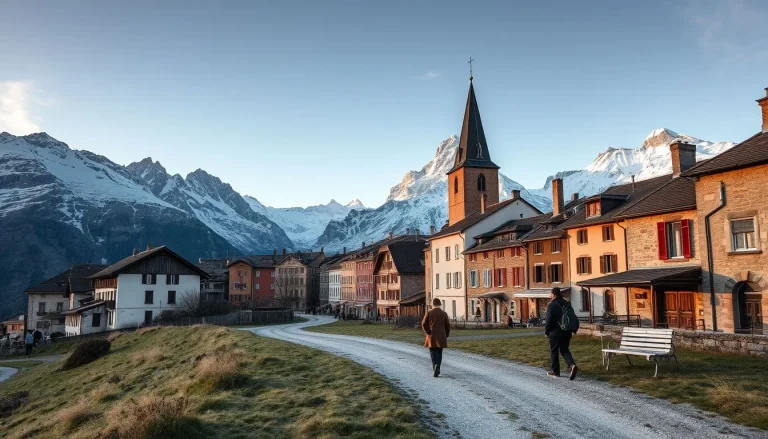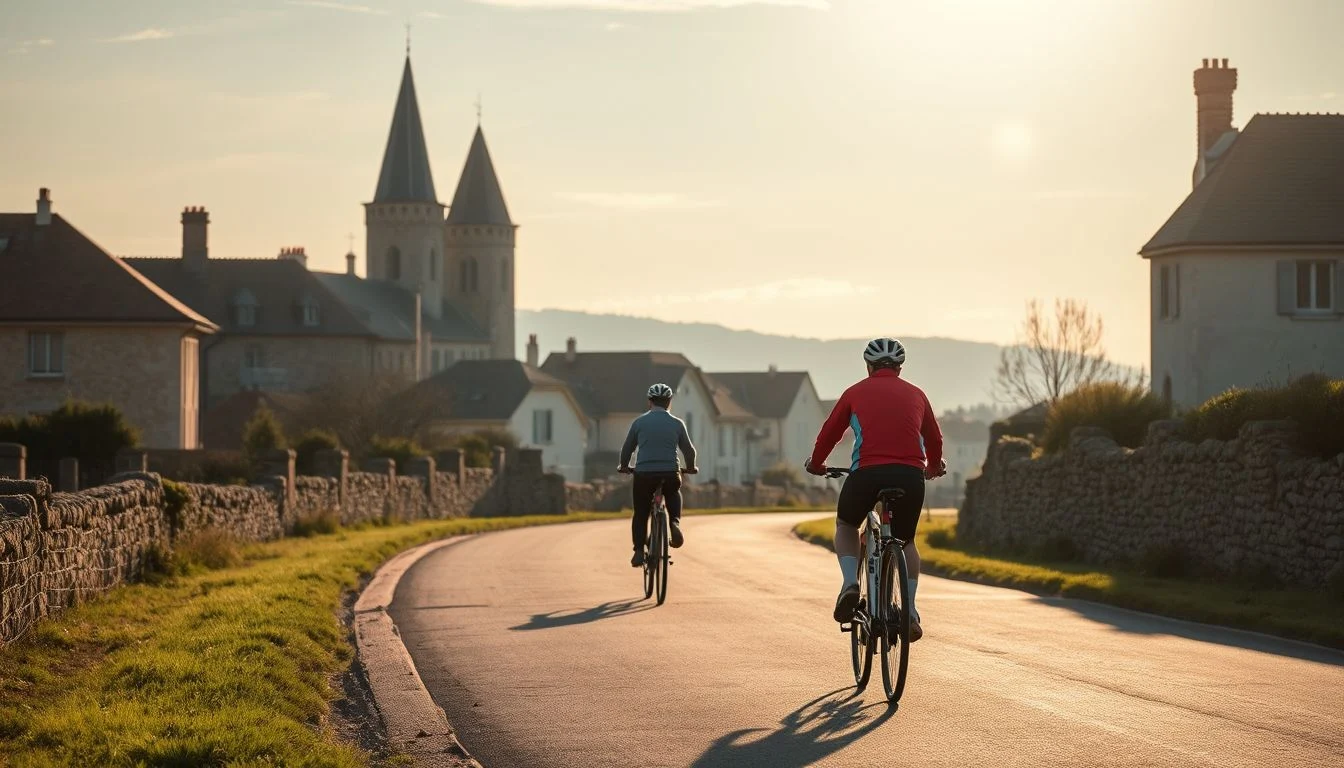
From Roscoff to Hendaye, La Vélodyssée follows roughly 1,240–1,300 km of France’s Atlantic coast. It is one of five very different journeys considered here: a cultural Loire Valley tour, a Paris–Mont-Saint-Michel crossing, a canal-side ride through Occitania and the mountain terrain of the GTMC.
This guide compares the best long-distance cycle routes in France by riding style rather than popularity. It is written for cyclists planning anything from a first multi-day tour or e-bike holiday to a demanding gravel or mountain-bike traverse, with practical attention to surfaces, route character, train access, luggage, seasons and self-guided planning. You’ll see where traffic-separated sections are documented, where shared roads or towpaths require closer checking, and which routes make sense for touring bikes, trekking bikes, gravel bikes or VTTs.
Quick answer: La Loire à Vélo is the strongest choice for first-time cycle tourists, e-bike riders and culture, while La Vélodyssée suits a major Atlantic coast journey. La Véloscénie is a shorter cultural crossing, the Canal du Midi offers relaxed canal-side touring, and the GTMC is the demanding gravel and mountain-bike option.
How these routes were chosen
How these routes were chosen
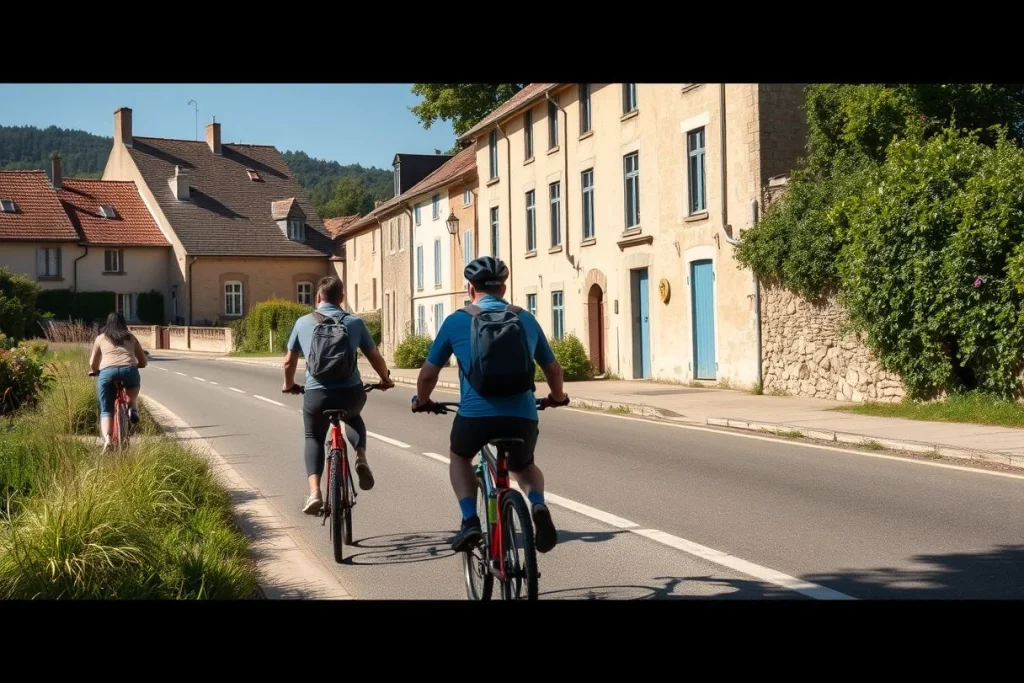
This is an editorial comparison of five officially documented French véloroutes, not a hands-on test or a universal ranking. “Best” means a route has a clear identity, useful planning information and a strong fit for a particular kind of multi-day cycling holiday. Route operators and partners provide maps and stage information, along with GPX resources where available; check the current material before booking.
Selection takes account of suitability for loaded touring, the documented surface and traffic profile, landscape or cultural interest, transport practicality, and access to accommodation and cycling services. The Accueil Vélo network and route partners are particularly useful indicators of bike-friendly accommodation and supporting services, although provision varies by route and locality.
These five routes cover distinct riding styles: Atlantic coast on La Vélodyssée; river and château country on La Loire à Vélo; a Paris–Mont-Saint-Michel cultural crossing on La Véloscénie; canal-side touring through Occitania; and mountain, gravel and VTT riding on the GTMC. That spread matters more than popularity. A first-time cycle tourist or e-bike rider needs a different route profile from an experienced off-road cyclist. Check surface, gradients, traffic and services stage by stage rather than inferring them from the route’s overall label.
The five routes: what each is best for
La Vélodyssée: best for a major Atlantic coast journey
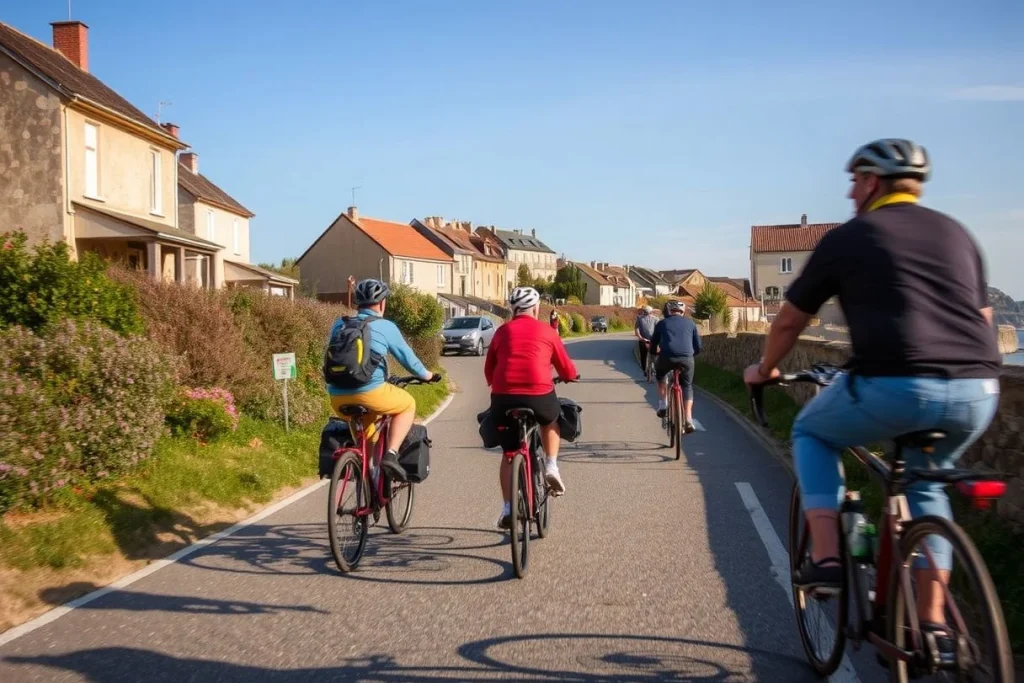
Standout reason: At approximately 1,240–1,300 km from Roscoff in Brittany to Hendaye on the Spanish border, La Vélodyssée gives you France at touring scale along the Atlantic coast. Coastal scenery is the draw, while the route’s practical advantage is its documented, largely traffic-separated sections, stage information and GPX tracks.
Best for: Experienced cycle tourists planning a long, linear journey will find the route a natural fit, as will riders building a shorter coastal section. A touring or trekking bike is the sensible default. The surface and traffic profile change from stage to stage, so check each one before choosing tyres, luggage and daily distance.
Self-guided travel works well if you’re comfortable navigating between towns and arranging your own stops. Plan food and accommodation around the stage map instead of waiting for the next coastal resort; quieter stretches can require more deliberate planning. Route partners and Accueil Vélo listings can point you towards bike-friendly accommodation and services, while a supported tour is useful when you want luggage moved or a fixed backup plan.
May to June and September to early October are generally the more comfortable planning windows for a long ride. July and August bring busier roads, paths and coastal accommodation. Before booking the return journey, check the exact SNCF service and current rules, particularly if you’re travelling with a non-folding or unusual bike.
La Loire à Vélo: best for first-time cycle tourists, e-bikes and culture
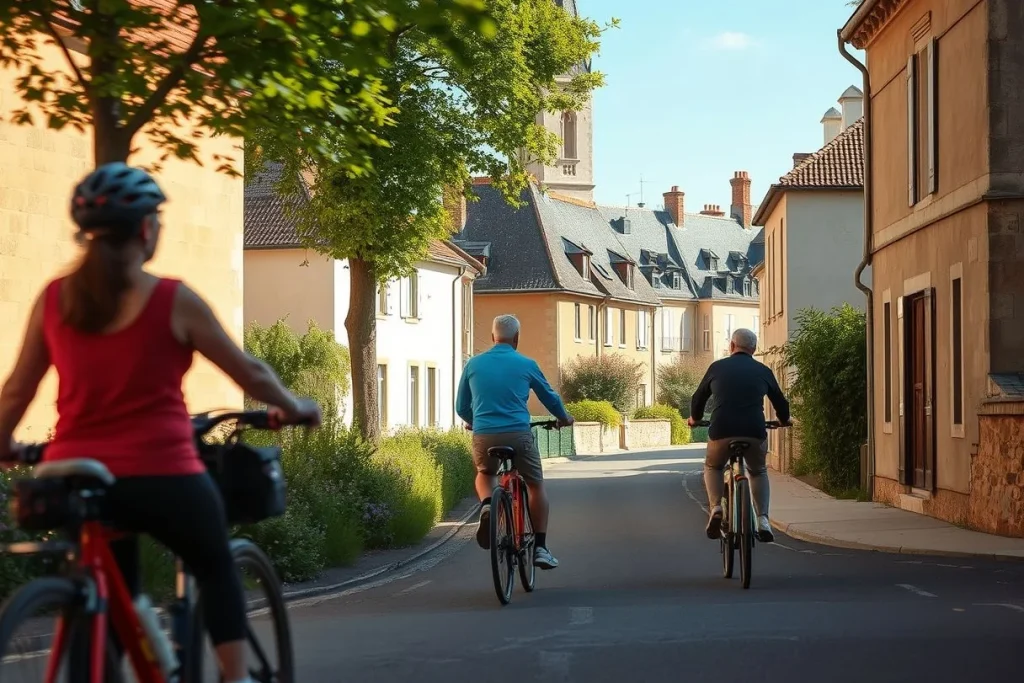
Standout reason: Along the Loire Valley, La Loire à Vélo combines a manageable touring profile with some of France’s densest cultural sightseeing. The route forms part of EuroVelo 6, with château visits and a developed network of cycling-related services, making it the strongest all-round choice for a first multi-day tour or an e-bike holiday.
Best for: Riders looking for low-grade terrain, regular places to pause and the freedom to make the journey as much about towns and châteaux as cycling. It suits touring and trekking bikes, including the kind of set-up commonly used by e-bike tourists. “Easy” doesn’t mean uniformly traffic-free, though: use the official stage map to distinguish voie verte from shared-road sections.
For self-guided travel, the Accueil Vélo network and route partners provide leads for bike-friendly accommodation and related services, including options to investigate for hire and luggage support. If your itinerary depends on château visits, a particular restaurant or an e-bike charging arrangement, reserve or confirm accommodation town by town.
Families and less experienced riders can shorten stages and add cultural rest days; stronger riders can connect sections into a longer crossing. May, June and September to early October usually offer a calmer basis for planning than July or August, when the route is popular.
La Véloscénie: best for a shorter, signposted cultural crossing
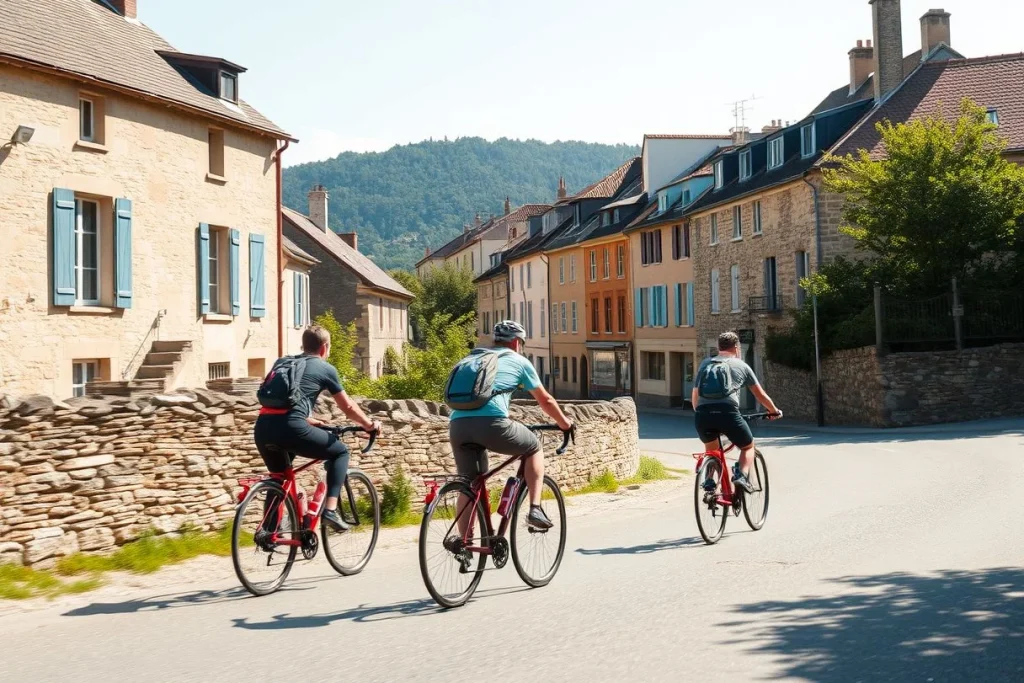
Standout reason: With a clear start-to-finish concept, La Véloscénie runs approximately 450 km from Paris to Mont-Saint-Michel and is signposted in both directions. It is easier to frame as a first point-to-point holiday than a route where you must choose an endpoint from a much longer corridor.
Best for: Riders who want a cultural journey linking the capital with Mont-Saint-Michel, without committing to the full length of La Vélodyssée or the Loire network. The route’s official information includes stage and route resources; download the current GPX information and check each section’s surface before choosing a road bike, touring bike or e-bike.
Multiple rail access points make it possible to start, leave or shorten the trip in different places, but bike access isn’t automatic. Check the exact SNCF service and date before relying on a train connection. For a self-guided itinerary, divide the ride around available accommodation and food stops rather than assuming services are evenly spaced because the route is signposted. Supported tours suit riders who prefer luggage transfer and pre-arranged overnight stops.
Canal du Midi: best for relaxed canal-side touring
Standout reason: Along canal towpath and voie verte sections, the Canal du Midi links Toulouse with the Mediterranean area through Occitania. It suits riders who prefer water, plane trees and canal towns to long exposed roads or mountain climbs.
Best for: Relaxed touring and shorter daily rides, with time for meals and stops in towns along the canal. Surface is the important caveat: towpath and voie verte aren’t interchangeable labels, and conditions can vary by section. Consult the current route map and choose tyres that can cope with the actual path rather than assuming smooth tarmac.
A self-guided trip is possible, but services aren’t necessarily consistent between canal towns. Check accommodation, food, bike hire and repair arrangements for each overnight stop, particularly outside the busiest travel period. Luggage transfer or a supported itinerary can remove that logistical work; independent riders should carry enough water and basic repair equipment for the day’s section.
GTMC: best for experienced gravel and mountain-bike riders
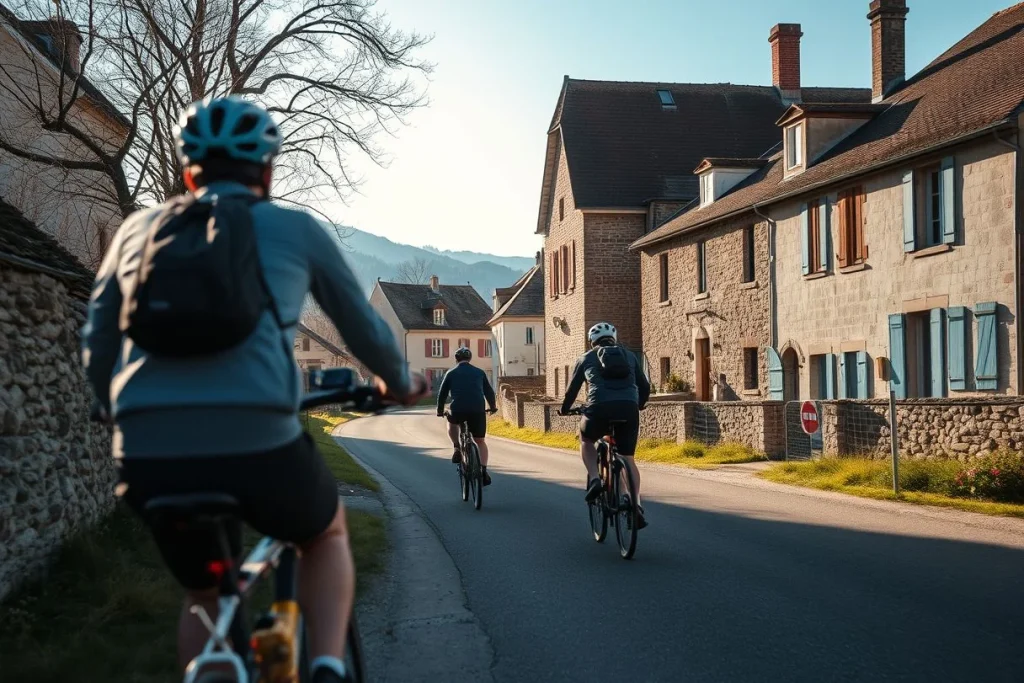
Standout reason: The Grande Traversée du Massif Central, or GTMC, is the demanding outlier: approximately 1,380–1,400 km through the Massif Central, with mountain terrain, altitude, climbs, gravel and some singletrack. Its official route information distinguishes gravel and VTT variants, so the choice is about riding style as much as distance.
Best for: Experienced riders with the fitness, navigation skills and equipment for sustained off-road riding. A gravel bike may suit the gravel variant, while the VTT version calls for a mountain bike and gearing appropriate to repeated climbs and rougher terrain. It isn’t the sensible first choice for a loaded touring bike, a casual e-bike holiday or anyone expecting continuous smooth surfaces.
Planning needs to be more conservative here than on the river and canal routes. Check mountain weather, wet trails, snow and conditions at altitude before departure, especially in shoulder seasons. Remoteness can make food, water, repairs and accommodation harder to arrange, so use the official variant and mapping information to build realistic stages and reserve mountain accommodation where needed.
The GTMC can be self-guided if you’re confident with GPX navigation and changing conditions. A supported tour is the safer logistical fit for anyone less comfortable with remote terrain, luggage or mechanical problems. Check the latest route information for closures and diversions before setting out.
At a glance: compare the five French routes
These five routes serve different kinds of cycle touring, so the useful comparison is less about an overall winner than about terrain, scenery, logistics and the bike you already own. Distances below are approximate where the route operator provides them.
| Route | Distance | Riding style and best suited to | Surface and traffic | Standout | Bike and support | Transport planning |
|---|---|---|---|---|---|---|
| La Vélodyssée | Approx. 1,240–1,300 km | Long Atlantic journey; touring riders | Many separated sections; check each stage | Atlantic coast | Touring or trekking bike; GPX and route services | Long end-to-end transfer |
| La Loire à Vélo | Not stated here | Strongest first-touring and e-bike option; culture-focused riders | Low-grade terrain; mix varies by stage | Châteaux and Loire Valley | Touring, trekking or e-bike; Accueil Vélo network | Relatively straightforward stage planning |
| La Véloscénie | Approx. 450 km | Shorter cultural crossing | Check surface and shared-road sections | Paris to Mont-Saint-Michel | Touring bike; signposted and GPX-supported | Rail access at several points; check bike rules |
| Canal du Midi | Not stated here | Relaxed canal-side touring | Towpath and voie verte; surfaces vary | Occitania and canal towns | Suitable tyres matter; check local services | Plan around canal-stage connections |
| GTMC | Approx. 1,380–1,400 km | Experienced gravel and VTT riders | Mountain terrain, gravel and some singletrack | Massif Central | Gravel or mountain bike; supported logistics can help | Remote sections require careful planning |
Planning note: route maps, GPX tracks, diversions, surfaces, services and transport rules change. Check the current operator information and SNCF bike guidance before booking; Accueil Vélo listings and route partners can help with accommodation and cycling services.
How to choose the right route for your cycling holiday
Start with the riding style, then fit the route to your time and support needs. La Loire à Vélo is the safest default for a first multi-day tour, e-bike riders and anyone prioritising château visits and other cultural stops. It follows the Loire Valley and forms part of EuroVelo 6, with route partners and Accueil Vélo listings helping with accommodation and cycling services.
Choose La Vélodyssée if the Atlantic coast is the main attraction and you want a larger, more committing journey. Its Roscoff–Hendaye concept suits a week-long section or a multi-week traverse; use the operator’s stage information and GPX tracks rather than treating the whole route as identical in surface or traffic. For a shorter cultural crossing, La Véloscénie gives you a clear Paris–Mont-Saint-Michel framework, with enough scope to select a manageable section rather than forcing the entire route into a tight schedule.
Canal du Midi suits a slower, canal-side holiday between Toulouse and the Mediterranean area. It is the choice for riders who value an unhurried rhythm over sustained challenge, but towpath and voie verte sections can differ, so check the current map before choosing tyres or booking a hire bike.
Experienced gravel and mountain-bike riders should look to the GTMC. Its Massif Central route includes altitude, climbs and some singletrack, so it demands more than a touring bike and optimistic gearing. Remote accommodation, mechanical issues and route navigation matter more here than on the established Loire itinerary.
Choose this if…
- You are new to cycle touring: choose La Loire à Vélo and build a first trip around established stages, cultural stops and Accueil Vélo services.
- You want coast and distance: choose La Vélodyssée, riding a selected section if a multi-week commitment is unrealistic.
- You have limited time: choose La Véloscénie for its straightforward Paris–Mont-Saint-Michel concept.
- You prefer canal paths: choose the Canal du Midi, after checking the surface of each towpath section.
- You ride gravel or mountain bikes: choose the GTMC, with a bike and gearing suited to climbs and technical ground.
Budget is driven less by the route name than by the way you travel. An own-bike, self-guided trip can reduce hire costs, while accommodation standard, rest days, rail repositioning and luggage transfer add complexity and expense. Supported tours cost more, but can include route logistics, luggage handling and mechanical backup. Self-guided travel works best where mapping, signs, accommodation and services are well established; use current operator information and official route maps before committing.
When to ride: seasons, heat and mountain conditions
For most of France’s long-distance cycle routes, May–June and September to early October offer the most comfortable planning windows. July and August are typically busier and hotter, so allow more flexibility for accommodation and take exposed coastal sections early in the day, when heat and wind are less tiring. June, July, August and December are identified as peak months for availability; December is not, however, a universally suitable month for a multi-day ride.
The Canal du Midi and other lowland routes can feel especially demanding in summer heat, even when the riding is relatively relaxed. Spring and early autumn are better choices for steady touring, with water, shade and rest stops built into each day rather than treated as optional.
Treat the GTMC as a separate seasonal decision. Its mountain, gravel and VTT variants include significant altitude, climbs and some singletrack, so check snow, wet trails, storms and conditions at altitude before setting out, particularly in the shoulder seasons. Immediately before departure, confirm route closures, construction, diversions, accommodation and provider terms with the relevant route operator or service; conditions and availability can change after you have planned the itinerary.
Getting there and travelling with a bike on French trains
Choose the route and start and finish points first; only then plan the train journey. Paris and the Loire and Véloscénie gateways generally offer simpler rail access than the more remote sections of the GTMC, where a transfer or contingency plan may be needed between stages. Use the official route map alongside SNCF Connect’s current bike information, and allow time for station changes and disruption.
SNCF Connect states that some non-folding bikes require a free reservation on specified services between 1 May and 1 November 2026. Rules vary by train, date and route, and bike spaces can sell out, so check the exact service before booking the rest of the itinerary rather than assuming a bicycle can board.
Pay particular attention if you ride a recumbent, tricycle, tandem, cargo or longtail bike, or travel with a trailer. SNCF restrictions may also affect bikes transported in boxes and bicycles larger than standard dimensions on relevant services, according to SNCF Voyageurs’ published conditions. Folding or dismantled-bike arrangements are not automatically accepted: verify the current operator rules for the specific train.
For each route, download the latest official map, stage information and GPX resources; availability varies between routes. Keep a fallback for a missed connection, service disruption or closure, particularly when a remote GTMC section leaves fewer practical alternatives. Before departure, recheck SNCF Connect and the route operator’s notices, then confirm any required reservation rather than relying on a general French rail rule.
Bike choice, luggage, navigation and daily logistics
Match the bike to the route, not the other way round. La Vélodyssée, La Loire à Vélo and many Canal du Midi itineraries suit a touring or trekking bike; the GTMC’s gravel and VTT variants call for wider tyres, suitable gearing and equipment designed for climbs, rough surfaces and occasional singletrack. Check the current stage description before choosing tyres, particularly for canal towpaths and mixed-surface sections.
Carrying panniers gives you independence and avoids coordinating transfers, but adds weight on climbs and makes daily packing your responsibility. Luggage transfer is more comfortable for a hotel-based itinerary, while a supported tour can also simplify accommodation, navigation and mechanical assistance. Route partners and the Accueil Vélo network help identify bike-friendly accommodation and services; confirm secure storage, charging, repairs, luggage-transfer coverage, opening dates and booking terms directly.
Use the latest official stage maps and GPX resources, and keep an offline copy on your phone or cycling computer. Signage is useful but should not be your only navigation method. A branded véloroute can still include shared roads, junctions, crossings, pedestrians and changing surfaces: slow down at intersections, give towpath users space and treat traffic-separated sections as local rather than universal. Before each day, identify water, food and repair stops from the route operator’s current stage information rather than assuming every village or canal town has services.
Conclusion: choose your riding style first
For most first-time cycle tourists and e-bike riders, La Loire à Vélo is the strongest starting point: its cultural stops, established cycling services and generally manageable touring profile make planning less intimidating. Choose La Vélodyssée instead if the journey itself is the priority and you want a substantial Atlantic coast ride from Roscoff towards Hendaye. The GTMC belongs on your shortlist only if demanding gravel, climbing, altitude and mountain-bike terrain are exactly what you want—not simply because you have several weeks available.
Your next step is practical: select one route and a realistic section, download its current official map and GPX tracks, then check surfaces, diversions, accommodation, luggage services and SNCF bike arrangements before booking transport or a hire bike.
Frequently asked questions
Which route is easiest to shorten if I only have a week?
La Véloscénie is the clearest shorter point-to-point choice: it runs approximately 450 km between Paris and Mont-Saint-Michel and is signposted in both directions, so you can select a portion rather than commit to a much longer crossing. La Loire à Vélo is another practical option for a week, particularly if you choose a section in the Loire Valley and use its official stage map. Check current rail and route information before fixing your start and finish. Source: Véloscénie; La Loire à Vélo.
Can I ride these routes alone, or are guided groups advisable?
The selected routes provide route maps, stage information or GPX resources, making a self-guided trip possible when you are comfortable navigating and managing daily repairs. A supported trip is more useful if you want luggage transfer, pre-arranged accommodation or help on the GTMC, where mountain terrain, altitude, climbs and singletrack demand more preparation. Check current providers and route conditions before booking. Source: La Vélodyssée GPX information; GTMC.
How reliable are the route signs compared with following a GPX track?
Do not treat signs as a substitute for navigation. La Véloscénie is signposted in both directions, while the selected routes also provide or link to maps, stage details and GPX resources; exact availability varies by route. Download the official track and map before departure, then check the route operator for diversions, works and surface changes. Source: Véloscénie; La Vélodyssée.
What luggage setup works best on canal and coastal sections?
A touring or trekking bike with stable panniers is the sensible starting point for La Vélodyssée and the Canal du Midi, both of which are presented as suitable for touring or trekking bikes. Coastal and canal sections can vary in surface, so keep luggage secure and avoid assuming that every towpath or voie verte is smooth. For luggage transfer, accommodation and cycling services, check current route partners and Accueil Vélo listings. Source: La Vélodyssée; Canal du Midi; Accueil Vélo information.
Are e-bikes practical on all five routes, including the GTMC?
The evidence does not support treating all five routes as equally suitable for e-bikes. La Loire à Vélo is a strong fit for e-bike touring, while the GTMC is aimed at gravel and VTT riders and includes altitude, climbs and some singletrack; an e-bike must match the chosen variant, terrain and charging plan. Confirm bike permissions and hire terms with the route operator or provider before travelling. Source: Loire à Vélo; GTMC.
How should I plan rest days and sightseeing on a multi-day itinerary?
Build rest days around the character of the route rather than applying one schedule to all five. The Loire Valley rewards a slower cultural itinerary, while the GTMC needs extra flexibility for mountain weather, altitude, climbs and technical sections; coastal, canal and Paris–Mont-Saint-Michel routes can be divided using their official stage information. Check current maps, surfaces, accommodation and transport before committing to fixed daily distances. Source: La Loire à Vélo; GTMC; Véloscénie.