From late August to late April, Iceland’s dark skies can turn a drive from Reykjavík towards the Golden Circle into an aurora search, with geothermal warmth waiting at the end of the day. Along the Amalfi Coast, November to March brings quieter cliffside viewpoints above Positano, Amalfi and Ravello, though ferries run less frequently and some seasonal services close.
This guide to the best destinations to visit off season is for couples who want atmospheric dinners, walkable neighbourhoods, boutique stays and time to slow down between outings. Compare aurora nights in Iceland with Kyoto’s hushed temples, Santorini’s caldera sunsets, Venice’s misty canals, the Algarve’s more service-friendly shoulder season and Patagonia’s wide-open trails. Each place offers fewer crowds, but the trade-off may be reduced transport, uncertain weather, shorter opening hours or limited tours.
Quick answer: The strongest off-season choices for couples are Iceland for aurora nights, the Amalfi Coast for quiet cliffside stays, Kyoto for temples, Santorini for caldera views, Venice for winter atmosphere, the Algarve for easier coastal travel and Patagonia for dramatic landscapes. Choose according to the experience you want, then check seasonal transport, opening hours and weather before booking.
The places: seven quieter escapes for couples
At the Amalfi Coast’s Path of the Gods, a winter walk can end with a seafood dinner while the cliffs turn violet above the Tyrrhenian Sea. In Reykjavík, the equivalent pairing is a cold, dark lookout followed by geothermal warmth. These are the best destinations to visit off season not because they offer the same kind of quiet, but because each exchanges peak-season crowds for a different compromise: shorter daylight, fewer ferries, reduced opening hours or more changeable weather.
“Off season” is not one universal window. Iceland’s low season reaches from late August to late April, while the Amalfi Coast is quietest from November to March. Kyoto’s late autumn and winter are lower-crowd periods, whereas Santorini’s true low season brings substantial closures; September–October and April–May are the more service-friendly shoulder. Choose one region and give it enough time to breathe rather than trying to collect several seasonal destinations in one trip.
Iceland: aurora nights and geothermal warmth
Best window: late August to late April, with October a useful compromise. Iceland’s northern-lights season falls within this period, although short daylight and variable weather are part of the bargain, according to Iceland.org. October is less busy than summer, still offers aurora possibilities and retains many operating tours, says Visit Iceland.
Base yourselves in Reykjavík for restaurants and an easy first night, then make the Reykjanes Peninsula or Golden Circle the scenic counterpoint. A Reykjavík-to-Ring-Road journey can work for a longer holiday, but couples should allow unplanned time rather than treating every driving day as fixed. The reward is a hot-spring soak after a dark-sky outing, with the possibility of green light over the landscape.
Trade-off: storms can disrupt driving and northern-lights excursions. Check the Icelandic Met Office, road conditions and each tour operator’s cancellation policy before setting out; a flexible itinerary is more valuable here than a packed one.
Amalfi Coast: quiet viewpoints above the sea
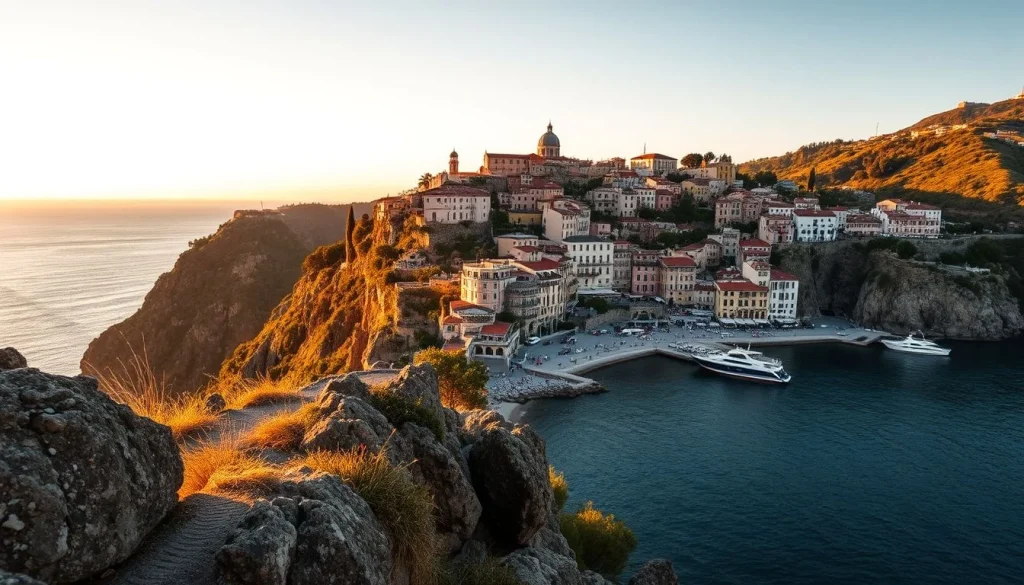
Best window: November to March. Positano gives you the most recognisable cliffside setting, Amalfi is a practical base for exploring the coast, and Ravello suits couples who prefer gardens, high viewpoints and evenings away from the waterfront. The coast is at its quietest in these months, but ferry frequency and tourist services decrease, according to Visit Amalfi.
Spend one day walking a manageable section of the Path of the Gods, then leave the following morning free for a long lunch or a short village walk. Winter hotels and many year-round restaurants remain open, while public transport and transfers are sparser, reports Visit Amalfi. That combination suits couples who want a scenic dinner and quiet streets more than a full programme of boat trips.
Trade-off: never build the trip around the last ferry of the day. Check current ferry timetables, bus connections and restaurant opening status, and consider arranging transfers for arrival and departure.
Kyoto: temple lanes and unhurried neighbourhoods
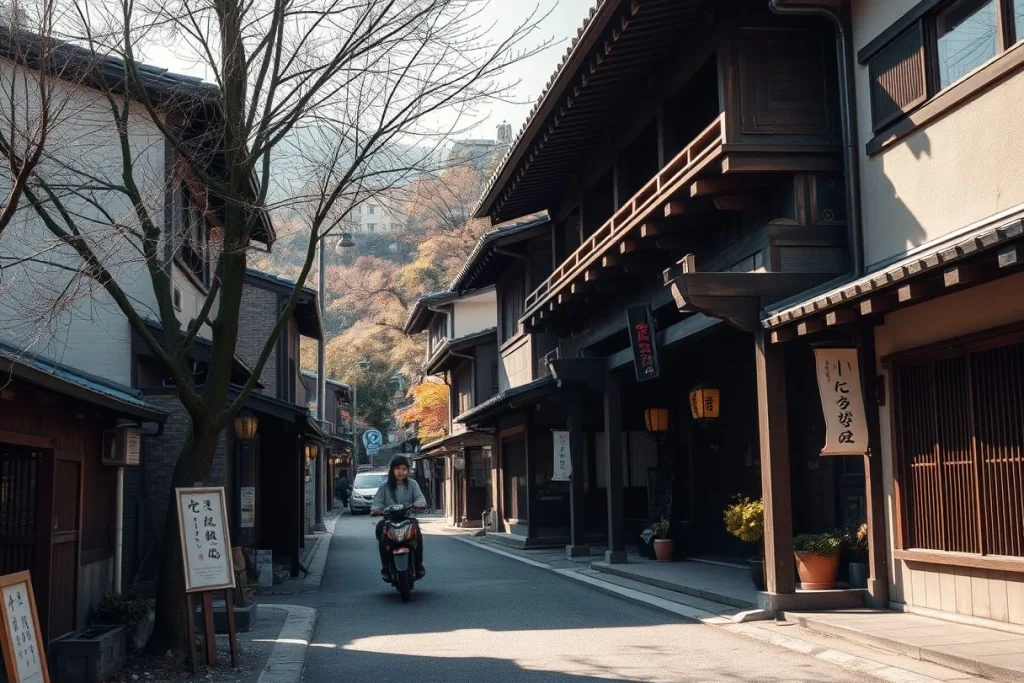
Best window: late autumn or winter. Walk from Gion towards Kiyomizu-dera early in the day, pause for tea, then cross the city to Arashiyama rather than trying to cover every temple in one circuit. Kyoto’s quieter seasonal periods suit couples who want walkable streets, small restaurants and time to linger beside temple gates rather than follow a rushed sightseeing checklist.
Kyoto Travel publishes seasonal information, event details and congestion tools, including guidance useful for choosing less pressured routes. Temple opening hours and special openings vary seasonally, so check current information before visiting through Kyoto Travel. The practical itinerary is simple: one major temple area in the morning, a neighbourhood lunch, and a sunset stroll through Gion or along the Kamo River.
Trade-off: quieter does not mean every attraction or restaurant operates normally. Use the congestion map before fixing each day’s route, and confirm temple hours directly when a particular visit matters.
Santorini: caldera sunsets with a service decision
Best window: September–October or April–May for the strongest balance of open services and fewer visitors; November to March for the quietest, most closure-prone version. Oia and Fira provide the classic caldera views and sunset walks, while Akrotiri adds archaeological interest when you want a day away from the cliff edge.
Choose Oia for a stay centred on views and slow evenings, or Fira for easier access to restaurants and transport connections. A good couple’s rhythm is one caldera walk, one Akrotiri-focused day and one deliberately empty afternoon. In the true low season, many businesses reduce hours or close, according to Ferryhopper.
Trade-off: hotels, restaurants, boat tours, archaeological sites and ferries all need checking for your dates. Greek island timetables are seasonal, so confirm current operator schedules and local port notices before booking non-refundable connections.
Venice: mist, quiet canals and flexible walking
Best window: winter or early spring. Start around San Marco before the day-trippers arrive, cross into Cannaregio for a slower lunch, and finish along the Zattere as the water darkens. Winter can bring atmospheric mist and fewer day-trippers, making Venice particularly good for couples who prefer wandering without a fixed attraction list.
Keep the day loose: choose one indoor cultural stop, then let the smaller bridges and side streets set the pace. A vaporetto ride can provide a different view of the city, but weather may make walking the more reliable plan. Late autumn and winter also require awareness of acqua alta; check local flooding information and keep alternative routes in mind.
Trade-off: wet weather can change the character of the trip quickly. Pack shoes that cope with standing water, allow extra time between neighbourhoods and avoid arranging every evening around a distant reservation.
Algarve: warm coastal days without the summer pressure
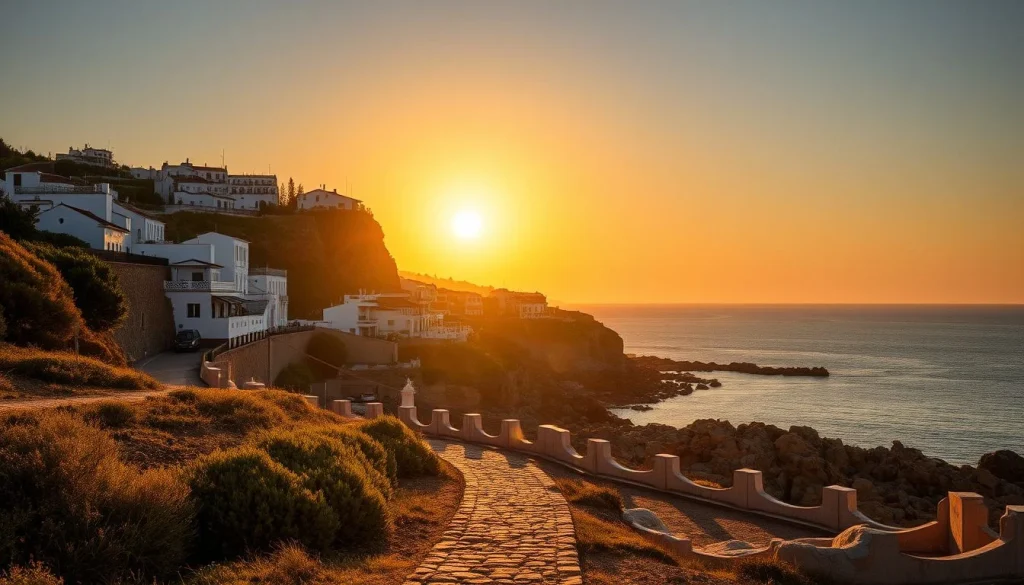
Best window: April–June or September–October. Tavira brings a gentler old-town base, Lagos works for coastal walks and sea views, and the Benagil coastline supplies the most recognisable cave scenery. This is the Algarve’s better balance of warm weather, sea access and fewer crowds, according to Algarve Portugal Tourism.
Base yourselves in one town rather than changing hotels every night: spend a morning in Tavira or Lagos, leave an afternoon for a beach walk, and reserve a separate day for the coast around Benagil. Boat trips to Benagil Cave are seasonal and weather-dependent, notes Visitus, so confirm departures before committing to the excursion.
Trade-off: winter is not the safest assumption for sea access, and wind can alter boat plans. September–October is the more dependable choice for couples who want restaurants, coastal walks and a realistic chance of getting on the water.
Patagonia: shoulder-season landscapes and fewer trekkers
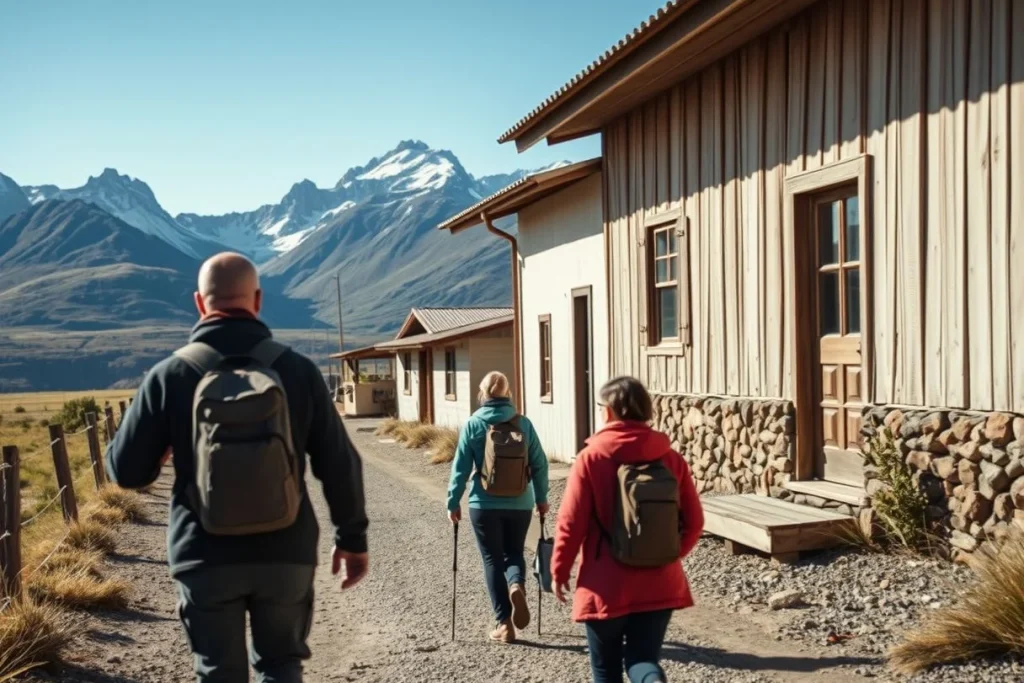
Best window: October–November or March–April. Patagonia’s prime hiking season is December–February, while these shoulder months can bring fewer visitors and good conditions, according to Patagonia Tourism. Build the trip around Torres del Paine for mountain scenery, the Carretera Austral for a road journey, or the Marble Caves for a more focused landscape experience.
This is the choice for couples who are happy to trade boutique-city ease for dramatic distances and a more self-reliant rhythm. Keep a spare day around major transfers, and use a local guide for routes or conditions beyond your experience. Roads, ferries and guided services concentrate more heavily in December–February, so verify exact availability and emergency support before travelling.
Trade-off: shoulder-season access can be limited, particularly in remote areas. Confirm road and ferry conditions, guide schedules, accommodation and medical support rather than assuming that a summer itinerary will operate unchanged.
| Destination | Ideal window | Couple appeal | Main compromise | Suggested minimum |
|---|---|---|---|---|
| Iceland | Late August–April | Aurora possibilities, hot springs and open landscapes | Short daylight, storms and road disruption | 5–7 nights |
| Amalfi Coast | November–March | Cliffside dinners and quiet viewpoints | Reduced ferries and seasonal closures | 4–5 nights |
| Kyoto | Late autumn–winter | Temples, Gion and unhurried walks | Seasonal attraction and restaurant hours | 3–4 nights |
| Santorini | September–October or April–May | Caldera sunsets and Akrotiri | Low-season closures and seasonal ferries | 3–4 nights |
| Venice | Winter–early spring | Misty canals and quieter lanes | Acqua alta and wet-weather changes | 3 nights |
| Algarve | April–June or September–October | Coastal walks, beaches and sea access | Weather-dependent cave trips | 4–6 nights |
| Patagonia | October–November or March–April | Big landscapes and fewer trekkers | Limited transport and remote support | 7–10 nights |
Suggested minimum stays are planning guidance, not fixed requirements. The best off-season destination is the one whose compromise matches your tolerance: Iceland and Patagonia need weather flexibility, Santorini needs opening checks, and the Amalfi Coast rewards couples willing to exchange transport frequency for quiet.
Making it happen: plan around the season, not against it
Choose the experience before the destination
Start with the shared experience you want to remember, then choose one region that can deliver it without a rushed itinerary. Iceland suits couples who want aurora possibilities, geothermal pools and dark-sky drives; Kyoto is stronger for temple visits, neighbourhood walks and long meals; the Amalfi Coast is made for cliffside scenery and unhurried seafood dinners. Beach-and-cliff days point towards the Algarve or Santorini, while Patagonia is the choice for serious hiking and vast landscapes rather than easy downtime.
This matters because off-season travel is not one universal window. June to August and December are common peak periods, but Christmas, New Year and Easter can also raise prices and reduce availability. Iceland’s northern-lights season runs from late August to late April, with short daylight and changeable weather; Patagonia’s quieter hiking windows are October–November and March–April, outside its December–February high season. Use the destination’s season to shape the trip, rather than trying to recreate summer conditions.
Build the route around two or three bases
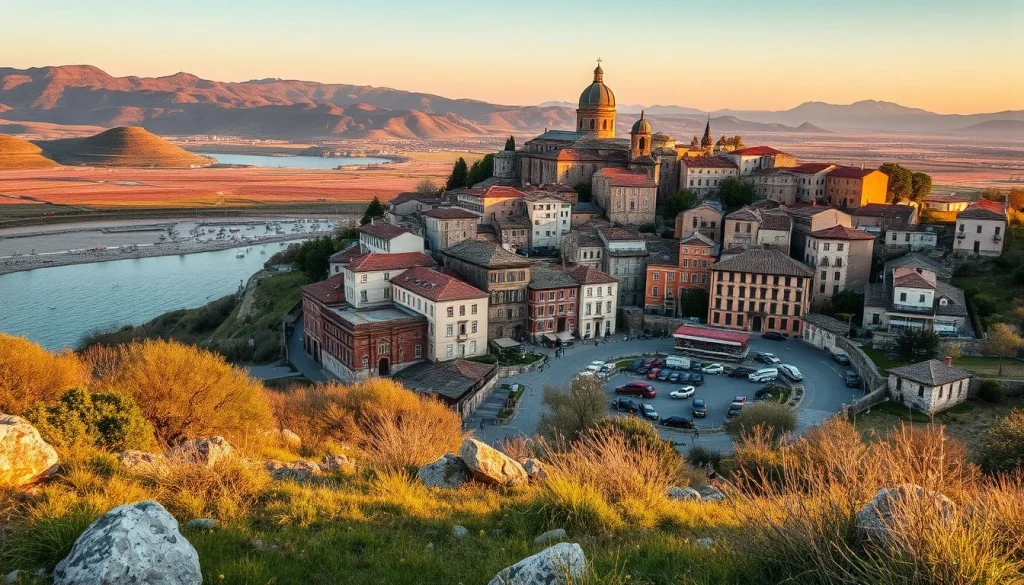
For a week, two or three bases are usually enough for a couple. Allow around four to five nights for a city or compact coast, and around seven to 10 nights for Iceland or Patagonia, where weather, transfers and longer journeys need breathing room. These are planning guides, not rules: a shorter trip can work if you stay in one place, while a longer holiday benefits from a slower middle section with no major excursion booked.
In Iceland, resist packing Reykjavík, the Golden Circle, North Iceland and the entire Ring Road into a tight schedule. Leave spare time for road closures, delayed departures and a cancelled northern-lights outing; the season offers possibilities, not a guarantee. Check forecasts and road conditions through the northern-lights guidance and the Icelandic Met Office before setting out, and keep a Reykjavík day available at either end of the driving route.
For Patagonia, choose one main framework—Torres del Paine, the Carretera Austral or the Marble Caves—rather than treating the region as a series of nearby stops. Roads, ferries and guided services can be less frequent outside December–February, so verify exact-date availability before paying for non-refundable connections. Remote areas also warrant more care with medical support, mobile coverage and emergency arrangements than a city break does.
Confirm what is actually operating
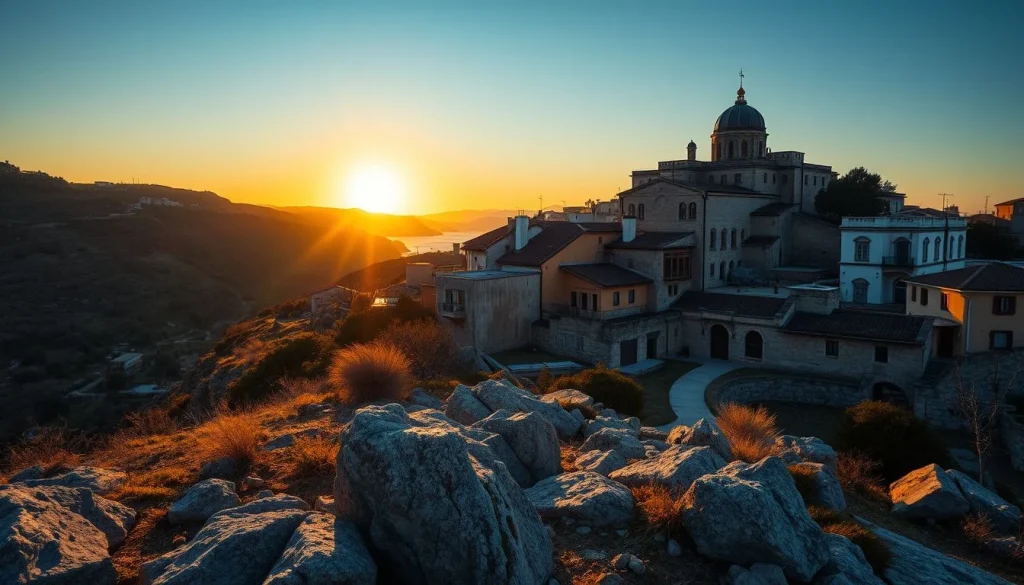
Make seasonal opening checks the first practical booking step. Santorini’s true low season is roughly November–March, when many hotels, restaurants, boat tours and other businesses reduce hours or close. September–October and April–May offer a more service-friendly balance. Greek island ferry schedules change by season, so compare current operator timetables with local port notices before committing to Oia, Fira or an onward connection.
The Amalfi Coast is quieter from November to March, and hotels and many year-round restaurants remain open, but public transport, transfers and ferry frequency are sparser. A base in Positano, Amalfi or Ravello can work beautifully if you are content to plan around road transfers and walking; check each restaurant directly rather than assuming summer opening patterns. On the Algarve, Benagil Cave departures are seasonal and weather-dependent, so confirm the boat trip before making it the centrepiece of a day.
Kyoto is easier to operate without a car: combine rail with local public transport and visit Gion, Arashiyama or Kiyomizu-dera early or later in the day. Temple opening hours and special openings vary seasonally. Check Kyoto Travel’s seasonal information, congestion tools and event details before fixing each day’s route. In Venice, leave room for alternate walks between San Marco, Cannaregio and the Zattere, particularly in late autumn and winter when acqua alta can affect routes.
Book the stay for the weather you have
A romantic off-season room is less about a summer-style view than about being comfortable when plans move indoors. Prioritise a walkable neighbourhood, reliable heating, a nearby restaurant or an on-site dining option, and a transfer that remains realistic if rain or wind interrupts the day. In Iceland and Patagonia, easy access to a practical base can matter more than an isolated view; in Venice, Kyoto or Amalfi, being able to step out for an evening meal without another transfer protects the relaxed pace couples usually want.
Choose flexible cancellation terms where possible, especially for remote stays, car hire and weather-sensitive excursions. Reserve accommodation first, then transport, and only then book boat trips, guided hikes or northern-lights tours that depend on conditions. Travel insurance should reflect the actual itinerary, including weather disruption, outdoor activities and the possibility of delayed transport; check the policy wording rather than assuming every cancellation is covered.
Estimate the saving without counting on it
Lower-season hotels and airfares can cost less, but the difference depends on the property, destination and dates. Travel coverage from 2024–2026 reports that Mediterranean boutique hotels may be roughly 10–40% below peak-season rates where availability and regional conditions allow. Treat that as a broad accommodation guide, not a promised price: compare live rates for the exact dates, and recheck around Christmas, New Year and Easter, when low-season assumptions may not apply.
The most useful saving may be access rather than a cheaper bill: a quieter walk through Venice, a less crowded Kyoto temple district or a more available table in an Amalfi restaurant. Balance any lower room rate against car hire, private transfers and reduced public transport, particularly in Iceland, Patagonia and the Amalfi Coast.
Keep a bad-weather version of every day
Give each destination an indoor or shorter alternative before departure. In Reykjavík, replace a disrupted drive with geothermal pools, museums and a slower city day. On the Amalfi Coast, use Ravello, a long lunch or a sheltered evening in Amalfi instead of forcing the Path of the Gods in poor conditions. Kyoto and Venice are naturally suited to museums, galleries, food stops and neighbourhood wandering when rain changes the route.
In Santorini, keep archaeological visits around Akrotiri and a culinary day in reserve if a boat trip is cancelled. On the Algarve, switch from Benagil to inland towns and a longer meal when sea conditions are unsuitable. In Patagonia, ask local operators about shorter guided walks or scenic-road alternatives, and never make a remote connection so tight that one weather delay unravels the whole journey.
Pack for changeable days
- Take waterproof outer layers and warm footwear, even when the destination is associated with sunshine; shoulder-season rain and wind can change a walking day quickly.
- Pack adaptable evening clothes rather than a separate formal outfit, so the same layers work for a scenic dinner and an unplanned indoor night.
- Carry a power bank and any regular medication, particularly on long drives, ferry connections and remote routes where the next convenient shop may not be close.
- Bring daylight-aware outdoor gear: a head torch or small light, sunglasses and sun protection can all be useful when daylight is short or weather shifts rapidly.
- Save offline reservations, transport details and cancellation contacts before leaving accommodation. A flexible plan is much easier to use when poor weather affects mobile signal or the day’s final connection.
Conclusion: choose the season that gives you the trip you want
For the strongest balance of atmosphere, open services and manageable logistics, choose the Algarve in April–June or September–October, or Kyoto in late autumn or winter. The Algarve suits couples who want coastal walks, long lunches and flexible days; Kyoto is the better choice for temples, neighbourhood wandering and dependable cultural depth, provided you check seasonal opening information.
Iceland, Patagonia and Santorini in their quieter months are more specialised choices: pick them for aurora, dramatic landscapes or caldera views, not convenience. Winter Amalfi and Venice reward flexibility in exchange for a slower, more atmospheric stay.
Choose one region rather than combining several. Select dates, then verify current hotel, transport and signature-tour schedules before paying deposits; a flexible boutique stay and cancellable experience are especially valuable off-season.
Frequently asked questions
Which destination is easiest for a first low-season couple’s trip?
The Algarve is a strong starting point if you choose its service-friendly shoulder season, particularly April to June or September to October. You can combine Tavira, Lagos and the Benagil coastline while retaining better access to the sea than in winter. Confirm accommodation, transport and boat-tour availability for your dates, since conditions vary by month and operator.
Where should we go if we want atmospheric evenings but not a demanding itinerary?
Choose the Amalfi Coast and base yourselves in Positano, Amalfi or Ravello rather than moving around every day. From November to March, the coast is at its quietest, and hotels plus many year-round restaurants remain open, making space for long dinners and slow walks. The trade-off is reduced ferry frequency and sparser public transport, so arrange transfers carefully.
Which of these destinations works best without hiring a car?
Kyoto and Venice are the most straightforward choices for a city-based trip built around neighbourhood walks, temples, canals and restaurants. Kyoto’s Gion, Arashiyama and Kiyomizu-dera suit a slower itinerary, while Venice’s San Marco, Cannaregio and Zattere provide compact areas to explore on foot. For current seasonal information and congestion guidance, check Kyoto Travel before setting each day’s route.
Can we still book memorable outdoor experiences outside the main season?
Yes, but choose experiences with a realistic weather backup. Iceland still has many tours operating in October and offers northern-lights opportunities, while the season runs from late August to late April; storms and short daylight can still disrupt plans. In Patagonia, October–November and March–April can bring fewer visitors, but road, ferry and guided-service availability must be checked for exact dates.
How can we build bad-weather flexibility into a romantic itinerary?
Keep the most weather-sensitive activity optional rather than making it the centre of the trip. Leave buffer time around Icelandic driving and aurora excursions, and avoid relying on one Benagil Cave departure because winter boat trips are seasonal and weather-dependent. In Venice, check acqua alta information and plan indoor or alternative routes; in Kyoto, keep seasonal temple information and opening times close at hand.
What should couples prioritise when choosing a boutique hotel off-season?
First confirm that the property is open for the exact dates, then ask which restaurants, transfers and local services operate nearby. This matters particularly on the Amalfi Coast and Santorini, where winter services can be reduced, and in remote Iceland or Patagonia, where access may be more limited. Check cancellation and transport disruption policies directly, rather than assuming a low-season booking works like a summer stay.