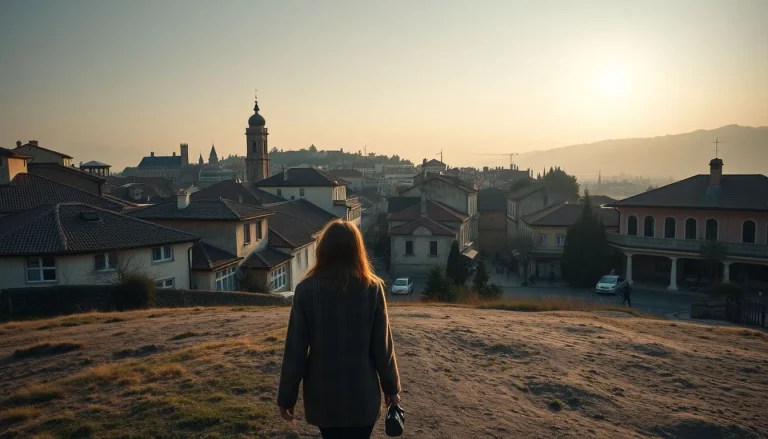
A solo backpacker can spend about USD 12–20 a day in the cheapest sampled countries, but the same budget stretches far less in Western Europe, Japan, Australia and North America, where budget travel is estimated at USD 70–150+ a day in 2026. Southeast Asia sits between those extremes at roughly USD 25–45, while Latin America and Eastern Europe come in at around USD 30–60.
This guide to solo travel on a budget is for long-trip backpackers planning around dorm beds, local food, overland routes and flexible bookings. It will help you choose a realistic daily allowance, compare the true cost of overnight transport with a cheap room, avoid hostel add-ons, and protect money for route changes, connectivity, laundry and emergencies. All figures are dated estimates: June, July, August and December can push accommodation and transport prices higher, so live listings and official travel information still need checking before departure.
Quick answer: A solo backpacker’s daily budget is approximately USD 12–20 in the cheapest sampled countries, USD 25–45 in Southeast Asia, USD 30–60 in Latin America and Eastern Europe, and USD 70–150+ in Western Europe, Japan, Australia and North America. These 2026 or 2024–2026 estimates assume budget travel; check current route prices and keep an emergency reserve of 10–15% of your total trip funds.
Daily budget: regional costs for solo backpackers
Use the regional figures as planning bands, not promises. The daily total normally covers a dorm bed, inexpensive food, local transport and low-cost activities; it does not automatically cover international travel, visas, insurance or major excursions.
| Estimated budget region | Budget per person per day | Date and source basis |
|---|---|---|
| Cheapest sampled countries | USD 12–20 | Packzup Travel Cost Index, 2026 edition |
| Southeast Asia | USD 25–45 | TravelCalcs, 2024–2026 updates |
| Latin America and Eastern Europe | USD 30–60 | TravelBudget, 2026 edition |
| Western Europe, Japan, Australia and North America | USD 70–150+ | TravelCalcs, 2026 index |
Estimated basis: per person per day for backpacker-style travel, generally using hostels, inexpensive meals and local transport. The figures are dated 2026 or 2024–2026 updates; city, route, travel pace and season can move the real total substantially. Check live accommodation and transport prices for each stop before fixing your solo backpacking budget.
Accommodation alone can consume most of the allowance. The Cloudbeds State of Hostels report, published 21 March 2024, gives regional dorm-bed snapshots of around USD 8–35 per night in Asia, USD 20–75 in the Americas and USD 30–100 in Europe. These are regional industry ranges rather than current quotes for a particular property, and exclude property-level taxes and add-ons.
That last qualification matters on a long trip: Cloudbeds reported that hostel average daily rates rose between 2019 and 2023, while properties increasingly monetised linen, events and workspace. Compare the final checkout total, not just the advertised bed rate, and check what is included before booking.
For a route-specific test, price three representative nights in each region: a major city, a smaller stop and a travel day. Add the transport between them, then keep 10–15% of total trip funds as an emergency reserve, following 2026 guidance from TravelFeelings. This produces a more useful long-term travel budget than applying one global average.
| Item | Budget | Mid-range | Luxury |
|---|---|---|---|
| Budget backpacker travel in the cheapest countries | USD 12–20 per person per day | USD 20–25 per person per day | Not supported by the source |
| Southeast Asia backpacker travel | USD 25–45 per person per day | Not separately supported by the cited source | Not supported by the source |
| Latin America and Eastern Europe backpacker travel | USD 30–60 per person per day | Not separately supported by the cited source | Not supported by the source |
| Western Europe, Japan, Australia and North America budget travel | USD 70–150+ per person per day | Not separately supported by the cited source | Not supported by the source |
| Hostel dorm bed in Asia | USD 8–35 per bed per night | Not separately supported by the cited source | Not supported by the source |
| Hostel dorm bed in the Americas | USD 20–75 per bed per night | Not separately supported by the cited source | Not supported by the source |
| Hostel dorm bed in Europe | USD 30–100 per bed per night | Not separately supported by the cited source | Not supported by the source |
| Thai street-food meal | THB 60–150 per meal | Not separately supported by the cited source | Not supported by the source |
| Solo-trip emergency or contingency reserve | 10–15% of total trip funds | Not separately supported by the cited source | — |
Estimated ranges based on the sources listed below. Prices change; check with providers before booking.
How region, pace and season change the total
A low daily rate can be misleading if reaching that region requires an expensive flight, border transfer or visa. The 2026 Packzup index places sampled cheapest countries at around USD 12–20 per person per day, while TravelCalcs puts Southeast Asia at roughly USD 25–45; the saving can disappear when a route includes costly capital cities or several long transfers. Compare the complete journey, not just the destination average.
Pace matters just as much. A fast itinerary repeats bus, train and flight costs every few days, whereas staying longer in each base spreads the arrival fare across more nights and gives you time to use local transport. Price a rapid version and a slower overland version using current hostel and transport listings, including a smaller stop between major cities. The slower plan often suits a long trip better, but only if border crossings and travel times are practical.
Expect more pressure on both beds and transport during June, July, August and December, when demand is typically higher. A flexible route can help you leave an expensive city sooner, but avoid assuming that a last-minute alternative will be available. Before booking an overland leg, check each country’s official government or embassy guidance for entry, border, health and safety requirements; these can alter both the route and its real cost.
Use TravelBudget’s city index and current property listings as comparison tools, then verify prices directly before committing.
Saving on accommodation: dorms, longer stays and hidden fees
For a solo backpacker, a dorm bed is usually the first accommodation cost to test, because a private room or hotel does not benefit from splitting the room rate. As a regional snapshot, the Cloudbeds State of Hostels report (21 March 2024) puts dorm beds at around USD 8–35 a night in Asia, USD 20–75 in the Americas and USD 30–100 in Europe. These are not live quotes: check current listings on Hostelworld and Booking.com, including taxes and extras.
Choose a dorm when meeting people and using shared facilities matter more than privacy. An occasional private room can be worthwhile after several social nights, while a budget hotel may make sense when its total price is close to a hostel’s private room and you need reliable sleep. Compare the room’s location too: staying one neighbourhood outside the most expensive centre can reduce the rate, provided local transport remains practical.
Ask the property about a multi-night or weekly rate before booking separate nights. A hostel kitchen can also lower the daily total, particularly on rest days, but only if cooking equipment and food storage are included. The Cloudbeds report notes that average hostel daily rates rose between 2019 and 2023 and that properties increasingly monetise add-ons such as linen, events and workspace.
- Check whether taxes, linen, towels, lockers and keys are included.
- Confirm any deposit, breakfast charge, workspace fee or paid event.
- Read the cancellation terms and charges for changing dates.
- Check kitchen, laundry and locker access rather than assuming they are available.
Demand can push prices higher in June, July, August and December. Recheck live availability for those periods instead of relying on old averages, and keep a flexible alternative in a nearby area. A useful pattern for long trips is to alternate social dorm nights with a quieter room when sleep, privacy or recovery becomes worth the extra cost.
Saving on transport: compare the whole overland journey

Overland travel can lower a solo travel budget, but only when you compare the complete journey rather than the headline ticket. Add the cost of getting to an airport or out-of-town terminal, baggage, meals, local transfers, border delays and any accommodation you still need after arriving. A slower route may also consume a day you could otherwise spend travelling or working.
| Transport option | What to include in the comparison | Usually suits | Check before booking |
|---|---|---|---|
| Flight | Fare, baggage, airport transfers, meals and the cost of reaching an airport | Long distances, tight border schedules or routes where rail and bus connections are poor | Bag rules, airport location, arrival time and onward transport |
| Day bus or train | Ticket, station transfers, food and a night of accommodation | Shorter routes where you want daylight, easier luggage control and a predictable arrival | Operator record, connection time, border procedures and cancellation terms |
| Night bus or train | Ticket, station transfers, possible meals and the accommodation potentially avoided | Long routes with a practical arrival time and a reputable operator | Safety advice, luggage security, sleeping conditions, border checks and arrival location |
Local public transport is often the simplest saving once you arrive: compare a city bus, metro or tram with airport transfers and tourist passes, and use a day pass only when its routes and validity beat individual fares. For a long route, compare advance tickets with flexible fares. A cheaper non-refundable ticket is poor value if your itinerary may change; a flexible ticket can protect the budget from paying twice after a border delay or route change.
Overnight travel is an option, not a universal bargain. Check the operator’s current information and your government’s travel advice, then verify schedules, border and entry requirements with official sources before departure. A useful long-trip pattern is to use slower overland legs where the route itself matters, and fly when the apparent saving disappears after transfers, lost time and extra nights.
Eating well for less while travelling alone
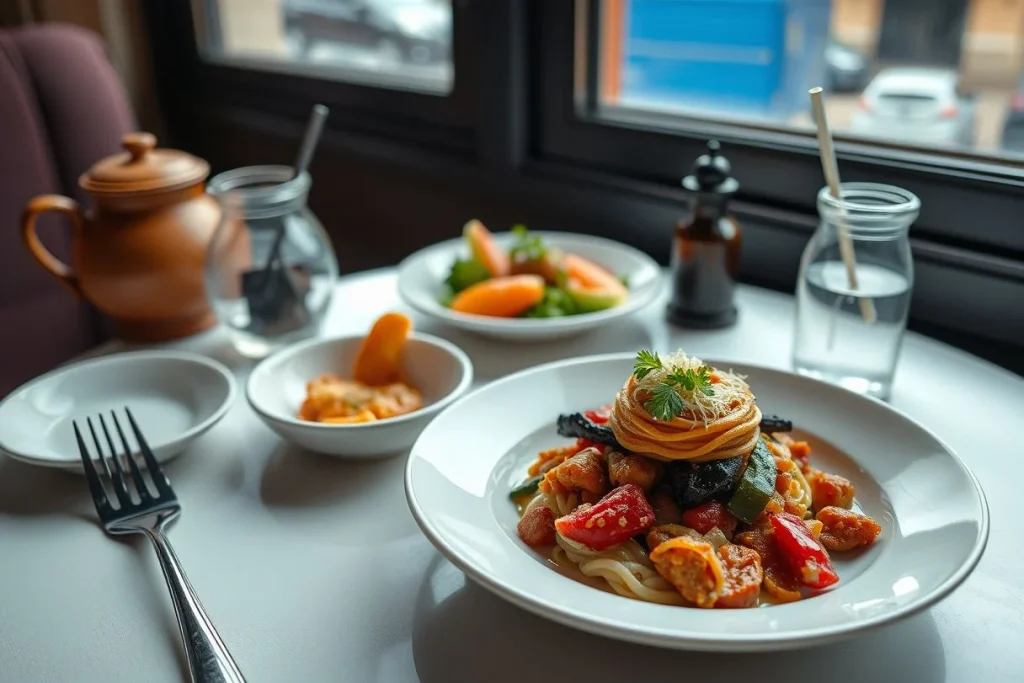
Plan meals around places locals already use: food markets, neighbourhood canteens and small restaurants away from the main tourist streets. A supermarket breakfast, market lunch and one cooked dinner can cost less than several casual sit-down meals, while leaving room for a regional dish worth paying for. Prices vary sharply by city and season, so price a normal day locally rather than turning one meal into a regional rule.
Thailand offers a useful illustration, not a Southeast Asia benchmark: Thailand Condo Shop’s Q1 2026 sampling puts a street-food meal at around THB 60–150. Check the stall’s current price and payment options before ordering; carry a little local cash where cards or mobile payments may not be accepted. Choose food cooked hot in front of you, favour busy stalls with steady turnover, and be cautious with food that has been sitting unrefrigerated.
Hostel kitchens can reduce restaurant spending, especially when you stay several nights and can share basic ingredients with other travellers. The trade-off is storage, shopping time and the risk of buying more than one person can use, so choose versatile items such as oats, fruit, bread, eggs or noodles and label anything stored communally. A hostel kitchen is less useful for a one-night stay or when equipment and refrigerator space are limited.
Keep a small, durable snack such as nuts, crackers or a cereal bar in your day bag for delayed buses, late arrivals and long border crossings. Reusable snacks also prevent an expensive first purchase at a station or airport. For a special food-market tour or cooking class, treat the booking as an occasional experience rather than part of your everyday food allowance; check the current price, inclusions and cancellation terms before paying.
Free and cheap things to do in each destination
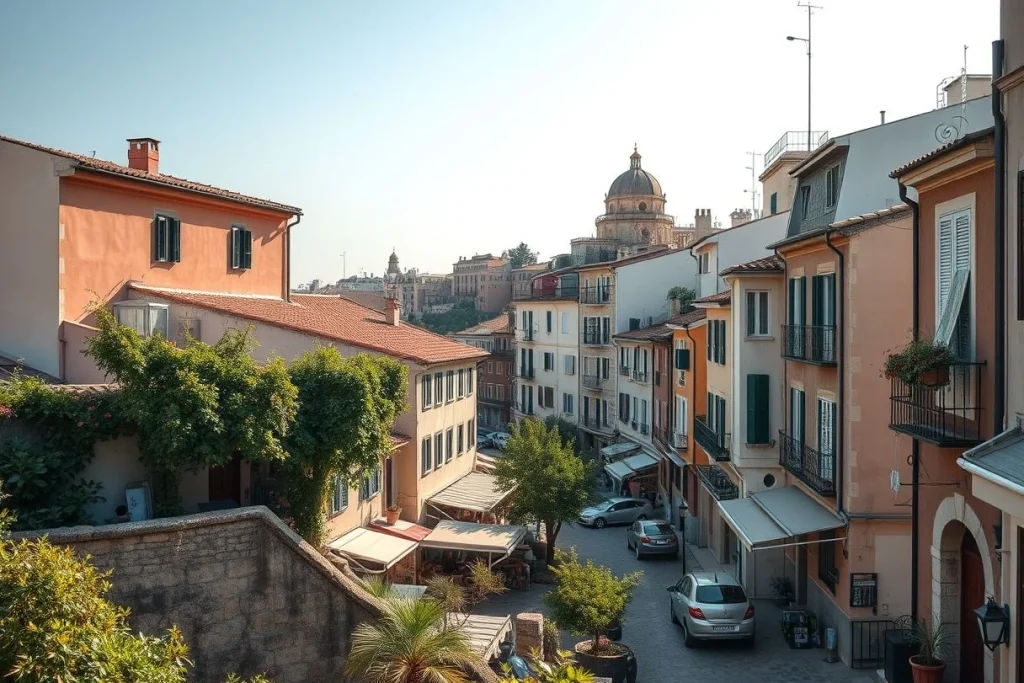
Build your sightseeing around low-cost days rather than paying for an excursion every morning. A useful weekly rhythm is several free exploration days, one paid highlight and one unstructured rest day; it keeps spending predictable and leaves room for delays on a long overland route.
- Walk a neighbourhood. Use a current city map to connect markets, historic streets, waterfronts or public squares on foot. A tip-based walking tour can add context and company, but check the operator’s meeting point and current terms; tipping may be customary.
- Take a picnic to a public park. Buy simple food locally, then use a green space as a cheap rest day rather than paying for another attraction.
- Check museum calendars. Official websites may list free or discounted entry days, but eligibility and schedules vary. Confirm before setting out.
- Choose a public viewpoint. Look for an accessible hill, bridge or civic terrace before paying for a premium observation deck.
- Make the food market an activity. Browse stalls, try a local snack and observe daily life without booking a tour.
- Look for community events. Check official city or tourism listings for festivals, exhibitions and entry conditions; dates can change seasonally.
- Cycle or use a transport day pass selectively. Compare municipal bike-share or rental prices, and compare a day pass with individual fares before buying.
- Use the hostel’s social programme. A free or low-cost event can provide conversation and local orientation without a separate tour booking.
For ideas suited to the city you are visiting, start with its official calendar, museum listings and transport map, then verify prices and meeting details on the day.
Travel tips that protect a long-trip budget
Before departure

- Ring-fence an emergency reserve. Keep 10–15% of your total trip funds separate from your daily spending money; TravelFeelings’ 2026 budget guidance recommends this range for unexpected route changes, medical needs or replacement travel. Store it in a second account or card, not in the same wallet as your everyday cash.
- Carry two ways to pay. Take at least two cards from different networks, keep the backup separate, and confirm whether cards, contactless payments and mobile wallets are commonly accepted along your route. Carry only a sensible amount of local cash for the next journey and basic expenses, then check local advice before relying on cash machines.
- Choose connectivity country by country. Compare a local SIM with a regional eSIM, checking registration requirements, network coverage, validity, top-up rules and roaming terms before purchase. Do not assume one regional plan works at the same speed or under the same conditions everywhere.
- Build an offline fallback. Download maps, translation tools, booking confirmations and emergency contacts before leaving Wi-Fi. Share your broad route and check-in plan with someone trusted, but avoid publishing a rigid itinerary that reveals where you will be staying.
On the road
- Book only what needs certainty. Reserving the first night after a late arrival is sensible, as is securing accommodation and transport during June, July, August and December when demand can be higher. For the rest, compare the flexible and non-refundable prices, read the cancellation deadline in local time and keep confirmation details accessible offline.
- Inspect a dorm’s practical arrangements. Before paying, check whether a locker, linen, towel, events or workspace costs extra; Cloudbeds’ State of Hostels report, published on 21 March 2024, notes that hostels have increasingly monetised add-ons. Use a locker for valuables, arrive while you can contact reception, read current guest feedback for relevant practical issues, and save the property’s staff contact details. These steps reduce avoidable problems without treating any hostel as risk-free.
- Make laundry part of the route. Ask whether the hostel has laundry facilities, locate a laundrette before your clothes run out, and carry a small amount of detergent for hand-washing. A short-quick-dry clothing rotation limits both laundry spending and the temptation to buy replacements mid-trip.
- Recheck every border and night journey. Before an overland leg, confirm entry and border requirements with the relevant government or embassy, then check the operator’s current timetable, luggage rules, arrival point and safety information. Night buses and trains may reduce accommodation costs, but an awkward arrival, extra transfer or missed connection can erase the saving.
For health guidance, local safety alerts and changing border conditions, consult official government sources before departure and during the trip. Treat the same checks as part of your budget planning: a small amount of preparation is cheaper than replacing a lost card, missing a connection or buying an unsuitable data plan.
Conclusion: build a flexible budget before you book
Choose one realistic regional daily range for your route, rather than relying on a universal solo travel budget. Add a contingency reserve of 10–15% of total trip funds, as recommended by TravelFeelings’ 2026 budget guidance, then test the result against current dorm, food and transport prices for your first two weeks.
Price two versions of the route: a faster plan with more frequent transport, and a slower overland plan that may reduce daily costs but takes more time. Check official government travel information, border requirements and local advisories before booking, and reserve only the time-sensitive parts until those checks are complete.
Your next step is a route spreadsheet covering daily spending, accommodation inclusions, transport, connectivity, laundry, activities and the emergency reserve. Review the figures after your first week: real spending will show which costs need trimming before the next leg.
Frequently asked questions
How should I budget when a long trip crosses several regions with different currencies?
Split the trip into regional legs rather than using one global daily figure: sampled cheapest countries are estimated at USD 12–20 per day in the 2026 Packzup Travel Cost Index, Southeast Asia at USD 25–45 in TravelCalcs’ 2024–2026 updates, Latin America and Eastern Europe at USD 30–60 in TravelBudget’s 2026 index, and Western Europe, Japan, Australia and North America at USD 70–150+ in 2026 indexes. Build each leg from current accommodation, transport and food prices, then keep 10–15% of total trip funds as an emergency reserve, as recommended by TravelFeelings’ 2026 guidance. Recheck exchange rates and live prices before booking, since city, season and travel style can change the result.
What is the best way to meet other travellers without paying for organised tours?
Choose a hostel with a free or low-cost social event, or use a tip-based free walking tour after checking the operator’s current terms and meeting point. Self-guided neighbourhood walks, food markets and public parks also create natural opportunities to meet people without paying for a private tour. A hostel kitchen can be more social than eating every meal alone, while keeping food costs down.
How can I manage laundry during a months-long backpacking trip?
Use laundrettes as part of the route rather than treating laundry as an emergency task; the long-trip savings research specifically identifies laundrettes as a useful budget strategy. Check whether a hostel provides laundry facilities or charges separately, and compare the total cost before assuming it is included. Packing and washing less frequently can also support multi-night stays, but the available research does not provide a universal laundry price or schedule, so check locally.
Should I plan rest days into an overland itinerary?
Yes. Overland routes can combine local transport, night buses or night trains, border procedures and changing arrival times, so leave space for a slower day before adding another connection. Occasional overnight travel may reduce accommodation costs, but the safety flags call for destination-specific checks on operators, luggage security, arrival times and borders. Build the itinerary around a few multi-night stays rather than changing location every day; this is also identified as a long-trip saving strategy.
What should I check before choosing a hostel dorm?
Compare the final listing total, not just the advertised bed rate. Check taxes, linen and towel charges, deposits, cancellation terms, workspace or event fees and any other add-ons: the Cloudbeds State of Hostels report, published 21 March 2024, found that hostels increasingly monetise extras and reported regional dorm snapshots of USD 8–35 in Asia, USD 20–75 in the Americas and USD 30–100 in Europe. Verify the current property listing, particularly in June, July, August and December, when demand can raise prices and reduce availability.
How can I keep a long trip flexible without letting costs rise?
Reserve the key route and first nights, then compare the cost of flexible bookings with stricter rates before paying. Use local transport, overland routes, hostel kitchens, local markets and multi-night stays where they suit the route, but do not assume an overnight bus or train is cheaper until you include its safety, arrival and luggage trade-offs. Keep 10–15% of total trip funds untouched as a contingency, following TravelFeelings’ 2026 guidance, and recheck live hostel, transport and border information whenever the route changes.