
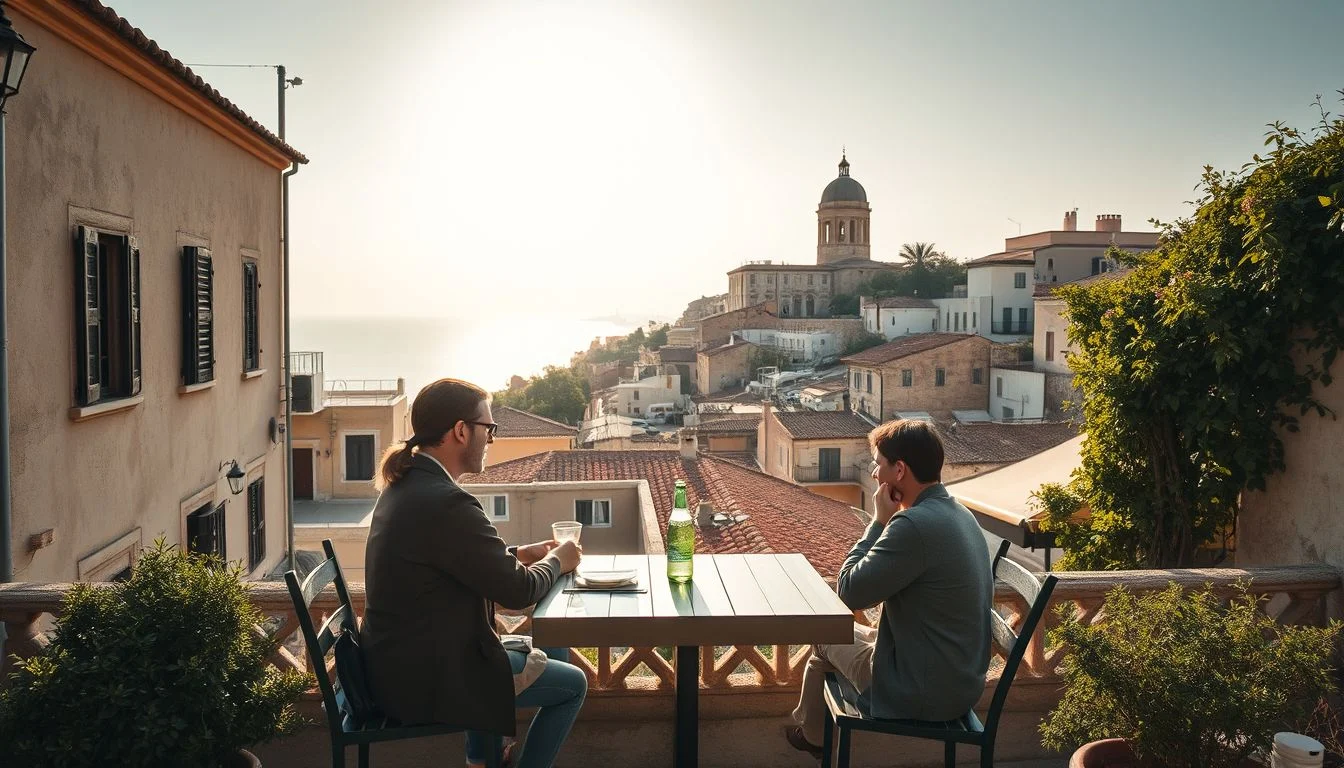
A reservation marked “one”, a seat at the restaurant counter and a menu held open with both hands can make the first solo meal feel more like a plan than a performance. How to enjoy eating alone while travelling comes down to matching the meal to your mood: choose privacy when you need a pause, a local-food experience when you want discovery, or a communal setting when conversation matters.
This guide is for solo travellers who feel self-conscious in restaurants and want practical ways to build confidence without forcing every meal to become a social event. You’ll find clear choices about where to sit, when to book, what to bring, and how to use hostel dinners, food tours and cooking classes when you want company. It also covers single supplements, local dining customs and the safety planning that matters when a late dinner ends away from your accommodation.
Quick answer: Decide whether you want privacy, local-food discovery or company, then choose a venue and seat that support that aim. Book a table for one when useful, try a counter or communal table, and use food tours, cooking classes or hostel dinners for structured social contact; for late meals, plan your return using current official local safety and transport guidance.
The essentials: four decisions that make solo dining easier
Eating alone is a practical travel skill, not a performance. Solo restaurant bookings are reportedly becoming more common and less stigmatised, although experiences still vary by destination, venue and traveller. Start by deciding what you want from this meal, then make the setting do some of the work.
Choose the purpose
For privacy, choose a quiet window or corner seat. For conversation, look for a bar, restaurant counter or communal table; these can make casual interaction easier without requiring you to approach a group. If local food is the priority, give yourself time to read the menu, ask questions and order an extra course or special drink as a small solo-dining ritual.
Choose the venue and seat
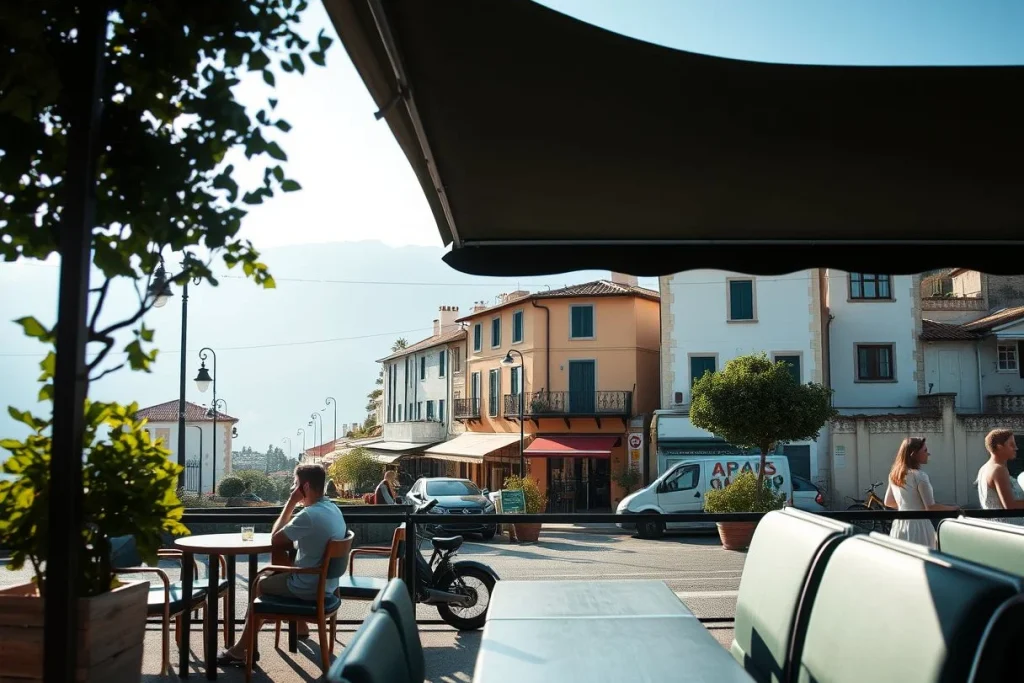
Bars and counters are often straightforward for one person, while a communal table suits travellers hoping to meet people. Layouts and local dining norms differ, so check the venue’s photographs or ask when booking. A window or corner seat may feel more private; a counter keeps the meal connected to the room. These options are suggested in Lonely Planet’s solo-travel guidance, but none is right for every traveller.
Remove uncertainty before arrival
Book a table for one when the restaurant takes reservations, particularly for a popular dinner service, and request a counter seat if that is your preference. A clear booking reduces the awkwardness of arriving without a plan. If reservations are not customary, contact the restaurant or ask your accommodation about the usual procedure.
Plan the journey home
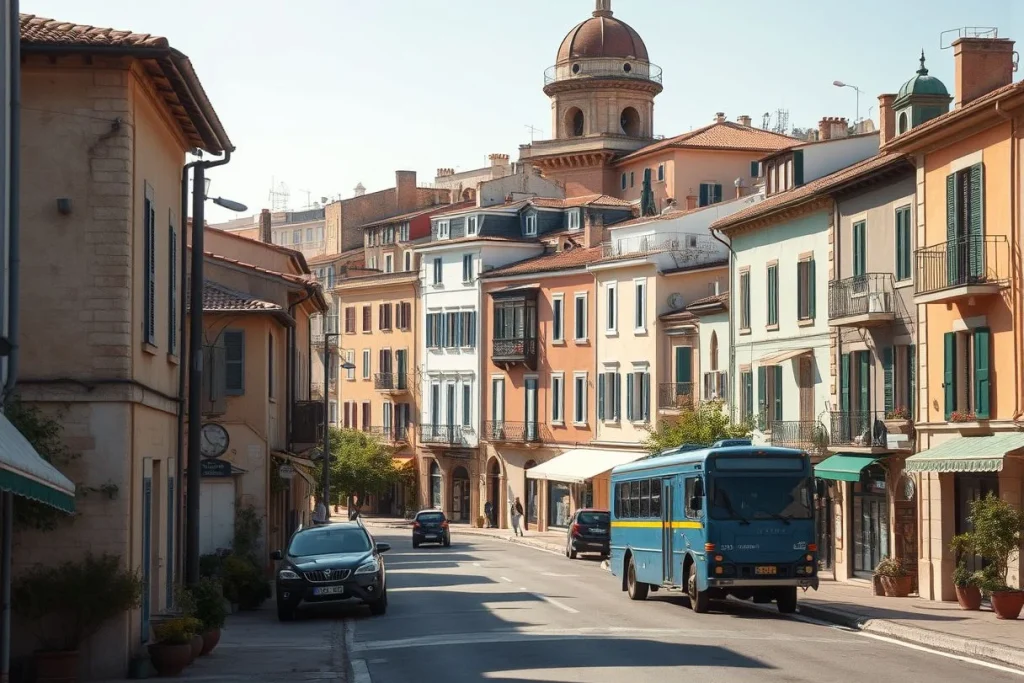
For a late meal, decide how you will return before sitting down: check official local guidance, identify licensed taxis or established ride-app services, and keep your phone charged. Safety advice can differ by destination and traveller identity, so use the relevant government or embassy guidance rather than relying on general solo-dining rules. The UK government’s solo and independent travel guidance also recommends planning transport and personal safety for independent trips.
Tips in detail: a practical plan for your next meal alone
Use the same simple sequence each time: decide what you want from the meal, choose a setting that supports it, remove avoidable uncertainty, then leave yourself an easy way home. The aim is not to eliminate every awkward moment, but to make eating alone a manageable travel skill.
Decide what this meal is for
Choose one main purpose before looking at restaurants: solitude, discovering local food or light company. A quiet café may suit a reset day, while a market stall or counter can make food discovery feel more natural; naming the purpose stops you judging a private meal by social standards.
Start with a low-pressure venue
For a first attempt, choose a café, market stall, bar or restaurant counter rather than a formal dining room. These settings generally require less ceremony and make a single guest less conspicuous; a counter also gives you something to watch while you wait.
Reserve for one when uncertainty is the real problem
Book a table for one if the restaurant is popular, formal or unfamiliar. State your preference for a bar or counter seat in the booking notes or when you arrive. Guidance reported by the Yonkers Observer recommends this approach because the reservation removes the question of whether the venue will accommodate you.
Choose the seat deliberately
Ask what will make this particular meal easier. A counter is practical for watching service, a communal table can suit casual conversation, and a window or corner seat usually offers more privacy. Layout and local expectations differ, so accept the restaurant’s workable alternative rather than treating one position as a rule.
Time the meal for your own comfort
You do not need to turn every meal into a long evening. A quick lunch, early dinner or coffee between activities can build confidence before you try a more formal meal. If you are tired, hungry or already overstimulated, a familiar café and a shorter order may be a better choice than forcing a celebratory dinner.
Preview the practical details
Read the menu, check whether reservations are needed and confirm how payment works before setting out. Look for details such as a fixed menu, counter-only ordering, cash requirements or dishes designed for sharing. This small check lets you focus on the food rather than solving several unfamiliar procedures at the table.
Order at a pace that suits one person
There is no obligation to match the pace of a group. Order one course, a small plate or a sharing-size item if that is how the venue serves food and it fits your appetite. You can add another course later, or stop when you are satisfied; flexibility is one of the useful advantages of eating alone.
Bring one intentional activity
A book, notebook, podcast or downloaded article can give your attention somewhere to go while food is prepared. The suggestion, also discussed in solo-eating guidance from the BBC Food mirror, is to use the activity as support rather than a shield: look up, notice the room and put the phone away for at least part of the meal.
Create a small meal ritual
Give the meal a clear beginning and end by choosing a special drink, ordering an extra course or writing down one dish to remember. This reframes a table for one as intentional leisure rather than a gap between sightseeing plans. It does not have to be elaborate or expensive; consistency is what makes the ritual useful.
Use conversation only when it is welcome
Keep a few low-pressure openers ready: ask staff which dish is typical, check how a local item is eaten or comment briefly on the food at a communal table. Follow the other person’s response and stop if they seem occupied. A pleasant exchange is a bonus, not a measure of whether the meal has gone well.
Build confidence in stages
Alternate a familiar venue with a food discovery: repeat a café for breakfast, then try a new lunch counter, then book the restaurant you have been considering. This gives you a reliable fallback while expanding your range. If a meal feels uncomfortable, change the format next time rather than deciding that solo dining is not for you.
Check the local dining rules
Before visiting another country, look up tipping, table manners and ordering procedures in destination-specific official or reputable guidance. In some places, service is ordered at the counter; in others, waiting to be seated or asking for the bill matters. The UK government’s solo and independent travel guidance advises travellers to research local customs and practical arrangements rather than assuming familiar habits apply.
Make the late return part of the booking decision
If dinner will finish late, decide how you will return before leaving your accommodation. Check current official local guidance, keep your phone charged and use a licensed taxi or established ride-app service where appropriate. Advice can differ by destination and traveller identity, so check the relevant government or embassy information instead of relying on a general rule.
A compact solo-dining checklist
- Before leaving: choose the meal’s purpose, preview the menu and payment method, reserve for one if useful, and check local dining customs.
- On arrival: state your preferred seat, order at a comfortable pace and use a book or notebook if you want an easy focus.
- After dinner: settle the bill carefully, confirm your return route and follow current local transport and personal-safety guidance.
When you want company: safer, structured ways to share a meal
When you want company: safer, structured ways to share a meal
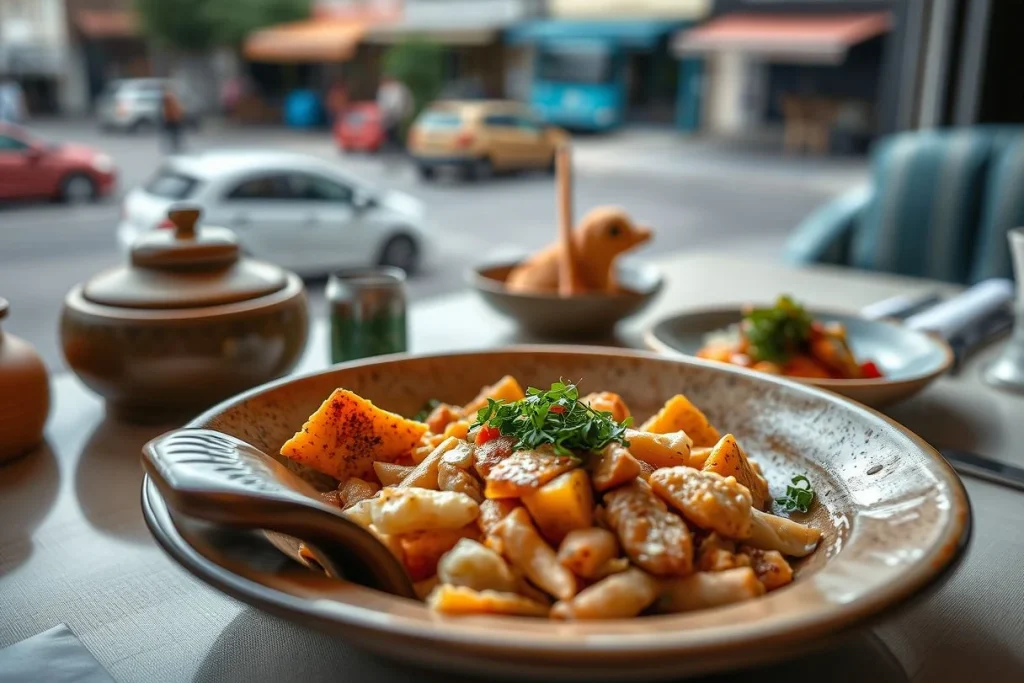
Social dining does not have to mean approaching a full restaurant table of strangers. Choose an organised setting where conversation is part of the format, then keep a quiet restaurant meal for the evening when you want privacy. Hostel communal tables, organised dinners and family dinners can give solo travellers an easy opening: you arrive alone, but the shared meal supplies a natural subject and a clear end point.
A hostel dinner is usually the simplest, lowest-commitment choice. Ask reception or check the hostel’s current information for the format, booking process and any costs before joining. It suits travellers who want to meet people without committing a whole evening, although the group and atmosphere can vary from one property to another.
For orientation in a new destination, choose a small-group food tour. A guide provides the structure, while tastings and walking between venues create conversation without requiring you to carry it. A cooking class works better when you want an activity-led evening: following a recipe gives everyone something to do, and the shared meal comes afterwards. Lonely Planet identifies food tours and cooking classes as useful social options for solo travellers.
Local-host dining may be another route. Services such as EatWith and Withlocals, or events discovered through Meetup, can help you find a hosted meal or group, but check the current destination coverage, host information, screening approach, cancellation terms and meeting details on the official platform before booking. Prefer established tour operators and clear public meeting arrangements, keep personal boundaries, and tell someone your plans when appropriate.
Choose by the evening you want: hostel dinner for low commitment, food tour for first-day orientation, cooking class for an activity, and a checked local-host event for a more deliberately social meal.
Common mistakes to avoid when dining alone
- Choosing a venue for its reputation alone. A fashionable dining room may be awkward for one guest, with large tables, formal pacing or no suitable counter. Check the layout and menu first; a bar, restaurant counter or relaxed café may fit the evening better.
- Arriving on a busy night without a reservation. Book a table for one when the restaurant is popular, and request a counter or window seat if that would make you more comfortable. This removes uncertainty at the door and makes your preference clear.
- Assuming a communal table guarantees conversation. Shared seating creates an opportunity, not an obligation, to talk. Bring a book or notebook and accept that other diners may prefer privacy; choose a hostel dinner or organised event when you want more deliberate social contact.
- Using a screen throughout the meal. A podcast or phone can give you something intentional to do, but constant scrolling may make the meal feel more isolating. Try one course without a screen, or use a notebook to record dishes, observations or tomorrow’s plan.
- Scheduling every meal in advance. A tightly planned food itinerary leaves no room for tiredness, delays or a spontaneous local recommendation. Keep at least one meal flexible so you can eat early, order simply or return to a place you enjoyed.
- Leaving practical questions until arrival. Check dietary restrictions, portion sizes, ordering procedures and payment methods before sitting down. Dining customs differ, so use destination-specific official or reputable guidance for tipping and table manners.
- Drinking more than intended because you are alone. Set your limit before ordering, particularly when you still need to navigate an unfamiliar route. For a late meal, check official local advice and arrange a licensed taxi or established ride-app service in advance rather than accepting an unfamiliar ride.
- Sharing too much information. You do not need to disclose your accommodation, full itinerary or room details to a new dining companion. Keep personal boundaries, and tell someone you trust where you are going when appropriate.
- Misreading the total cost. A single room, tour or cruise may be priced around double occupancy, with a single supplement added for one traveller. Responsible Travel explains that some operators reduce or waive this charge on selected departures, but conditions vary by operator and date; check the tour operator’s or cruise line’s terms before booking.
Conclusion: plan one meal that fits the kind of evening you want
For your next meal, decide first what you want from it: quiet time, a local dish at your own pace, or conversation. Choose the setting to match—perhaps a counter or window seat for privacy, or communal seating when you would welcome an easy exchange. Reserve a table for one if arriving without a plan feels uncomfortable.
If dinner will finish late, check the destination’s current official safety and transport guidance and decide how you will return before you sit down. Start with one manageable meal rather than waiting to feel completely confident. Repeat the format that works, then try a hostel dinner, food tour or cooking class when you want a more structured social experience. Eating alone becomes easier through practice, not performance.
Frequently asked questions
Is it better to eat alone at lunch or dinner?
Choose the meal that matches your comfort level and the atmosphere you want. A daytime meal can suit a first attempt or a shorter stop, while dinner may work better when you want to take your time, use a book or notebook, or make the meal a deliberate part of the evening. Venue layout and local dining norms vary, so check what feels appropriate for the destination.
How do I ask a restaurant for a table for one without feeling awkward?
State it simply when booking or arriving: “A table for one, please.” Booking ahead can reduce uncertainty, and you can request a bar or counter seat if that feels more natural; this also makes your preference clear to the restaurant. Lonely Planet’s solo-travel guidance and travel advice cited by the New York Times recommend treating solo dining as a normal practical arrangement rather than apologising for it.
What can I order if I do not want a long, multi-course meal by myself?
Choose a restaurant and menu that match the pace you want instead of committing to a long meal. A counter seat can make a shorter visit feel more natural, while a book, notebook or podcast can give you something intentional to do if you remain at the table. If you want more time, create a small ritual around the meal, such as taking an extra course or choosing a special drink.
Can I join a communal table if I do not speak the local language well?
You can ask the staff whether the communal table is intended for shared seating, since customs and layouts differ by destination. Conversation is optional: a smile, a greeting and a simple explanation that you are travelling alone may be enough, but choose a private or counter seat if the arrangement feels uncomfortable. Food tours and cooking classes offer more structure when unplanned conversation feels difficult.
How do I politely end a conversation with someone I meet while dining?
Keep the ending clear and friendly: say that it was nice to meet them, then return your attention to your meal or explain that you are going to leave. You do not need to exchange contact details or continue talking simply because you shared a communal table. If the interaction becomes uncomfortable, move seats or leave rather than prioritising politeness over your comfort.
What should I do if a restaurant makes me feel unwelcome as a solo diner?
You are not obliged to stay: ask once for clarification, then leave calmly if the response or atmosphere remains uncomfortable. Try a counter, a different venue or a communal setting at a hostel, where organised dinners may provide a more clearly social format. If the concern involves personal safety, follow current destination-specific advice from the relevant official travel authority and plan your return using appropriate local transport guidance.