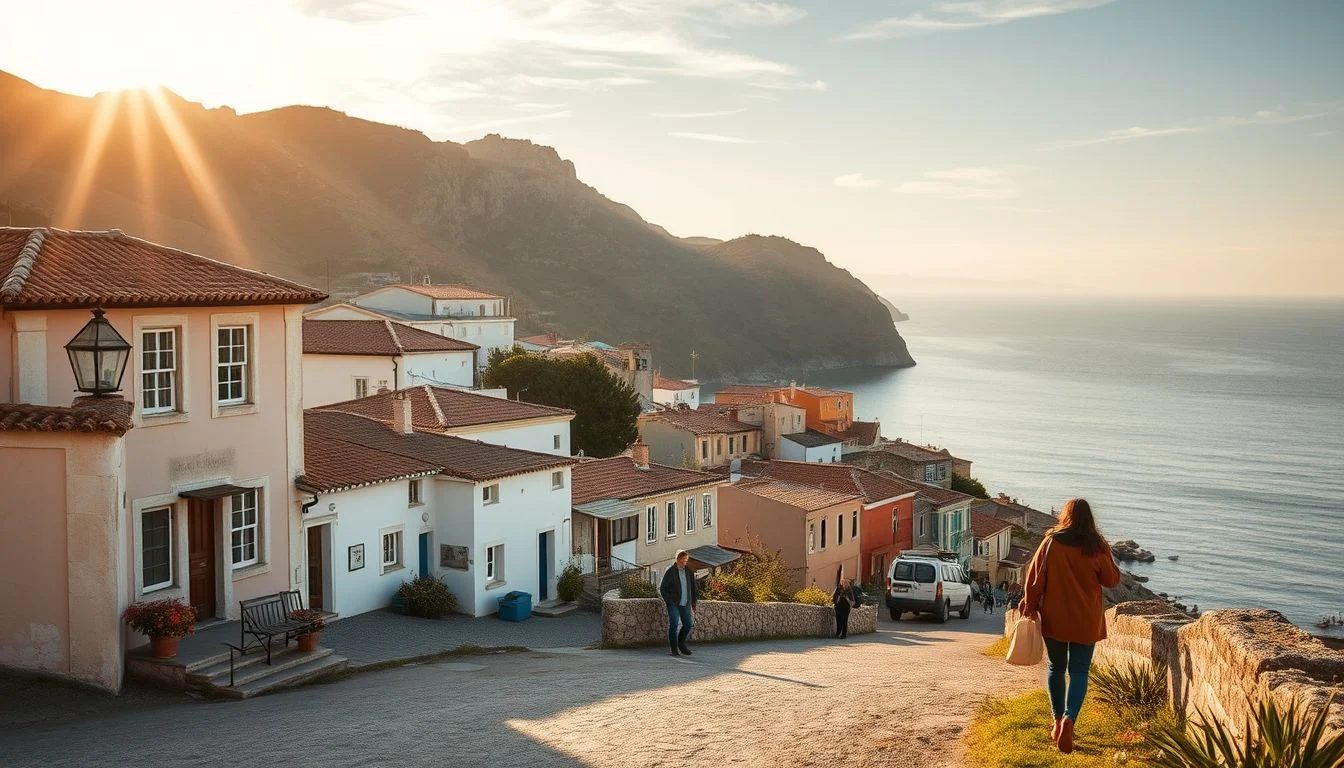
On Sable Island, a low Atlantic sandbar off Nova Scotia, licensed visitors cross shifting dunes where wild horses and seals are part of the landscape. It is an early lesson in what makes the unusual islands to visit worthwhile: the route in matters as much as the view, and weather, landing zones and permits can decide the day.
This guide is for adventure travellers who would rather plan around a sea landing, exposed coastal path or expedition vessel than a conventional beach holiday. Use it to compare six real routes—from ferry-accessible Cíes Islands and rainforest trails on Taveuni to St Kilda’s tender landings, Tristan da Cunha’s long voyage and Isla de los Estados’ protected shores—then weigh fitness, gear, seasons, guided access and evacuation limits before booking. Socotra appears only as a clear boundary: current government advice warns against all travel to Yemen, including the island.
Quick answer: The most unusual islands you can realistically visit include Sable Island, St Kilda, Tristan da Cunha, Isla de los Estados, the Cíes Islands and Taveuni. Access ranges from managed ferries and licensed boat transfers to six-day-plus voyages and expedition vessels; Socotra is not a current recommendation because government advice warns against all travel to Yemen.
The places: six unusual islands with real routes in
The first decision is not which beach looks most remote, but how you want to arrive. At St Kilda, a tender can lift and fall beside Hirta’s cliffs while seabirds wheel above the sea stacks. On Sable Island, the landing ground is sand, not a quay; at Cíes, a ferry wake carries you towards Rodas Beach and a marked trail. These are unusual islands to visit because access shapes the day as much as the landscape.
Sable Island, Canada: dunes, horses and a managed landing

Sable Island is a low Atlantic sweep of shifting dunes, wild horses and seals, with no casual walk-off-the-beach approach. Visitors must register with Parks Canada and travel through licensed operators, arriving by aircraft or licensed boat transfer. Landing is weather-dependent and takes place in defined zones under permitted-use rules, so the island’s remoteness is carefully managed rather than improvised. See the Parks Canada visitor information before committing.
The route is physically awkward rather than technical: expect soft sand, uneven dune systems and exposure to Atlantic weather. That makes Sable Island a better fit for a strong walker comfortable carrying essentials and adapting to a changed landing plan than for anyone expecting an accessible beach excursion. A licensed operator is not merely convenient here; it is part of the access system.
Make it happen: Start with Parks Canada registration, then confirm the licensed aircraft or boat operator, landing zone and weather policy. Treat the landing window as provisional and avoid building a tightly connected itinerary around it.
St Kilda, Scotland: Hirta’s exposed coastal edge
Hirta rises from the Atlantic in dark cliffs and sea stacks, with An Lag and the island’s seabird colonies giving the route a distinctly high-latitude seriousness. Visitors arrive on licensed vessels and transfer ashore by boat tender; the landing depends on sea conditions, and there is no guarantee that a planned landing will proceed. Once ashore, steep or exposed paths demand proper footwear and clothing, not ordinary sightseeing shoes.
This is the strongest choice for an adventure traveller who wants a rugged coastal route without committing to a transoceanic expedition. A vessel itinerary with an experienced crew reduces the logistical burden and helps interpret a landing that may change with the swell. A more self-directed camping approach offers greater time on Hirta, but it brings its own planning, equipment and weather exposure. The National Trust for Scotland lists landing charges and, for the example 2026 season, campsite dates of 20 April–7 August and 19 August–11 September; recheck those details directly before booking through its St Kilda planning information.
Make it happen: Build in flexibility around the tender landing, pack for wind and rain, and ask the vessel operator how much time is normally available ashore. Choose St Kilda for sea cliffs and demanding paths, not for a guaranteed shore day.
Tristan da Cunha: when the voyage is the route
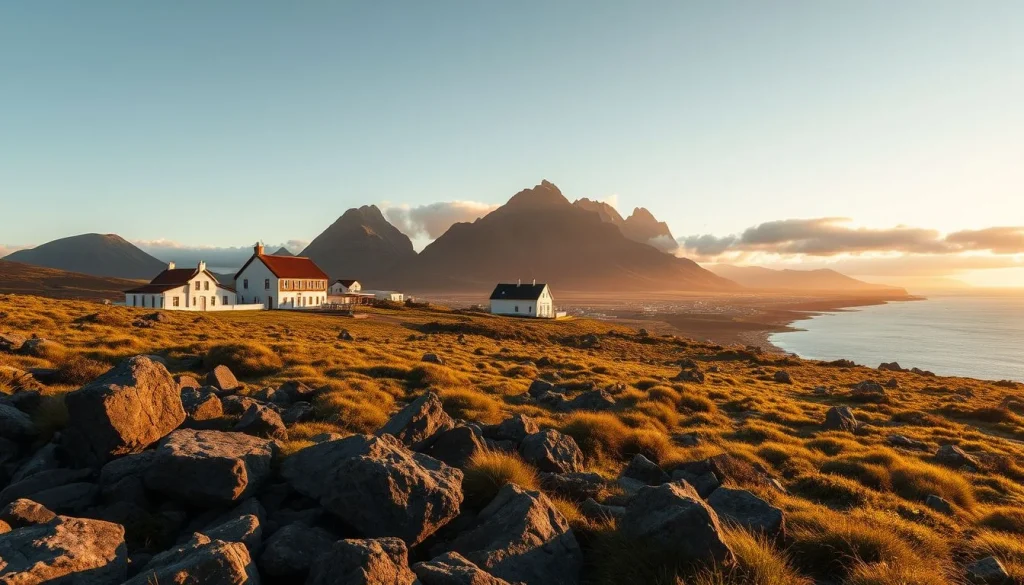
Tristan da Cunha is an expedition in the full sense of the word. There is no airstrip: visitors generally sail from Cape Town, with voyages taking six or more days, before reaching the settlement of Edinburgh of the Seven Seas and the harbour area at Calshot Harbour. The long passage is not an inconvenience around the destination; it is the central commitment.
Life ashore is not a quick port call that can be arranged independently at the last minute. Visits require substantial advance planning and approval from the Island Council, and current sailings should be confirmed directly with the island authorities because schedules and visitor information can change. Appropriate medical-evacuation cover is required, while medical support on a remote island is necessarily limited. The available visitor background is summarised in this Tristan da Cunha reference; use the island’s official channels to verify approval and transport.
Make it happen: Choose Tristan only if you can absorb a long sea voyage, uncertain arrival timing and a large planning margin. It suits expedition-minded travellers who see the passage as part of the achievement, not those trying to fit an unusual island into a conventional holiday.
Isla de los Estados, Argentina: a Patagonian sea landing
Isla de los Estados lies beyond the usual Tierra del Fuego itinerary, a protected provincial reserve reached only by sea from Ushuaia or Río Grande. The approach is an expedition-vessel proposition, with Zodiac or tender landings onto rough shorelines rather than a dependable harbour arrival. Once ashore, reserve rules and the condition of the landing place determine what route is possible.
This is a place for travellers who want Patagonian weather, empty-looking coast and route flexibility rather than a fixed hiking circuit. The captain, swell and shoreline can change the plan, so a flexible expedition vessel is more useful than an ambitious personal route book. Expect wet landings and uneven ground; the practical difficulty is often getting ashore safely before the walk begins. The Visit Argentina reserve information is the starting point for identifying an appropriate charter or expedition operator.
Make it happen: Ask what landing alternatives exist if the intended cove is unsafe, and confirm how reserve access is handled by the operator. Isla de los Estados is for hikers who accept that the captain and conditions, not a timetable, control the route.
Cíes Islands, Galicia: the approachable option with controls
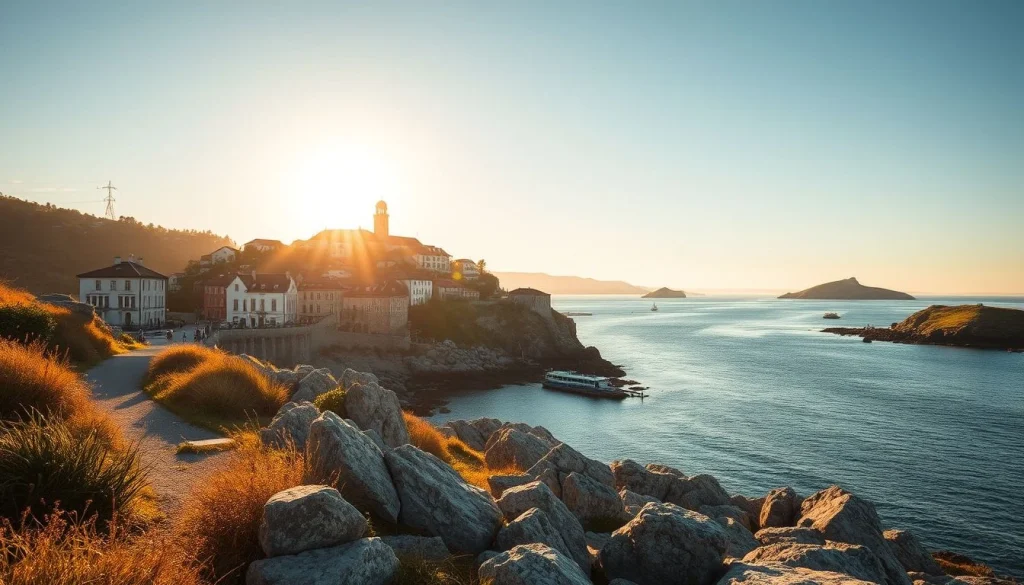
The Cíes Islands, or Illas Cíes, provide the most accessible contrast in this selection. A scheduled ferry from Galician ports brings you towards Rodas Beach, turquoise bays and paths leading through the islands towards Monte Faro and lighthouse areas. The walking is generally easier to organise than a sea-landing expedition, but Cíes is not an unregulated beach escape.
Visitors use the online Xunta de Galicia and Parque Nacional authorisation and reservation system, with access limits and campsite quotas in high season. That makes Cíes a good first choice for an adventure traveller who wants real island hiking, clear ferry logistics and a manageable independent day, while still requiring advance organisation. Follow the official Illas Atlánticas reservation system and check ferry arrangements before travelling.
Make it happen: Secure the park authorisation and campsite reservation, if needed, before arranging the ferry. Choose Cíes when you want a route-led island day without the exposure and uncertainty of a tender landing.
Taveuni, Fiji: rainforest trails and Rainbow Reef
Taveuni changes the texture of the trip entirely: rainforest trails lead towards the waterfalls of Bouma National Heritage Park, while Rainbow Reef supplies the marine counterpart. Access is possible through small-air services or inter-island ferry connections from Savusavu via Natuvu Jetty, but onward land transport is limited and needs planning.
Independent travellers can arrange individual walks and dives, but a local guide is the more sensible choice for rainforest routes, changing conditions and transport gaps. A guide also makes it easier to combine Bouma with Rainbow Reef without turning every transfer into a separate negotiation. Check seasonal weather and cyclone conditions before setting out, particularly if the plan depends on exposed coastal travel, waterfalls or diving. Tourism Fiji’s Taveuni guide is the practical starting point.
Make it happen: Arrange airport or ferry connections and local transport in advance, then decide whether the rainforest and reef warrant one guide or separate specialists. Taveuni suits fit travellers seeking tropical walking and water time, but not those expecting seamless public transport.
Not a current recommendation: Socotra, Yemen is often mentioned among the most unusual islands to visit, but it should not be treated as an available adventure option. The GOV.UK Yemen travel advice warns against all travel to Yemen, including Socotra, because of conflict, terrorism and kidnapping risks. Do not seek workarounds while that advice remains in force.
| Island | Access | Route character | Planning burden | Best match |
|---|---|---|---|---|
| Cíes | Scheduled ferry | Beach and viewpoint paths | Moderate: authorisation and quotas | Independent ferry hiking |
| Taveuni | Small aircraft or ferry | Tropical trails and reef | Moderate: transport and weather | Guided rainforest and diving |
| St Kilda | Licensed vessel and tender | Steep, exposed coastal paths | High: landing and campsite limits | Sea-landing adventure |
| Sable Island | Licensed aircraft or boat | Sand and dune walking | High: registration and weather | Managed wilderness access |
| Isla de los Estados | Expedition or charter vessel | Tender landings and reserve coast | Very high: sea and reserve rules | Flexible expedition travel |
| Tristan da Cunha | Ship from Cape Town | Long-voyage island expedition | Exceptional: approval and sailing | Travellers for whom passage is the point |
Making it happen: permits, seasons, gear and safe access
Plan these trips by access style first. A ferry hike in the Cíes Islands needs a different margin for error from a sea landing on Sable Island or a six-day passage to Tristan da Cunha. The route is part of the destination, but it also determines your permits, fitness, insurance and backup plans.
| Access style | Island | What it demands | Best planning approach |
|---|---|---|---|
| Controlled ferry | Cíes Islands | Online authorization, ferry timing and walking fitness | Book the permit and campsite before arranging the wider Galicia route |
| Licensed landing | Sable Island or St Kilda | Flexible expectations and suitable clothing for sand, swell and exposed paths | Use an approved operator and keep plans adaptable to weather |
| Tropical local logistics | Taveuni | Advance transport planning, heat tolerance and trail footwear | Coordinate ferries, small-air services, accommodation and guides locally |
| Expedition vessel | Isla de los Estados | Long lead times, tender landings and reserve rules | Join a suitable expedition or charter rather than attempting independent access |
| Multi-day ship voyage | Tristan da Cunha | Six or more days at sea, approval and medical-evacuation cover | Confirm sailings and Island Council requirements directly before committing |
Choose the season, then add time
Summer is particularly relevant to the Cíes Islands and St Kilda. Cíes ferry access and high-season campsite quotas are controlled through the Xunta de Galicia and the national-park reservation system, while the National Trust for Scotland lists 2026 St Kilda campsite periods as 20 April–7 August and 19 August–11 September. Treat those dates as a planning reference, not a permanent timetable: check the official reservation or operator pages before booking transport.
Sea conditions matter more than a calendar date on Sable Island, St Kilda and Isla de los Estados. Wind, swell, tide or surf can alter a landing or cancel it altogether. A good itinerary has buffer time on both sides of the island visit; it does not place a non-refundable flight or a demanding onward connection immediately after a vessel excursion.
Taveuni needs a different check. Fiji’s weather and cyclone conditions can affect ferry connections, small-air services, rainforest tracks and diving at Rainbow Reef. Tourism Fiji identifies inter-island ferry access from Savusavu via Natuvu Jetty and small-air services, but onward land transport is limited, so arrange transfers and accommodation coordination before arrival rather than assuming a taxi or vehicle will be waiting.
Secure permissions before transport
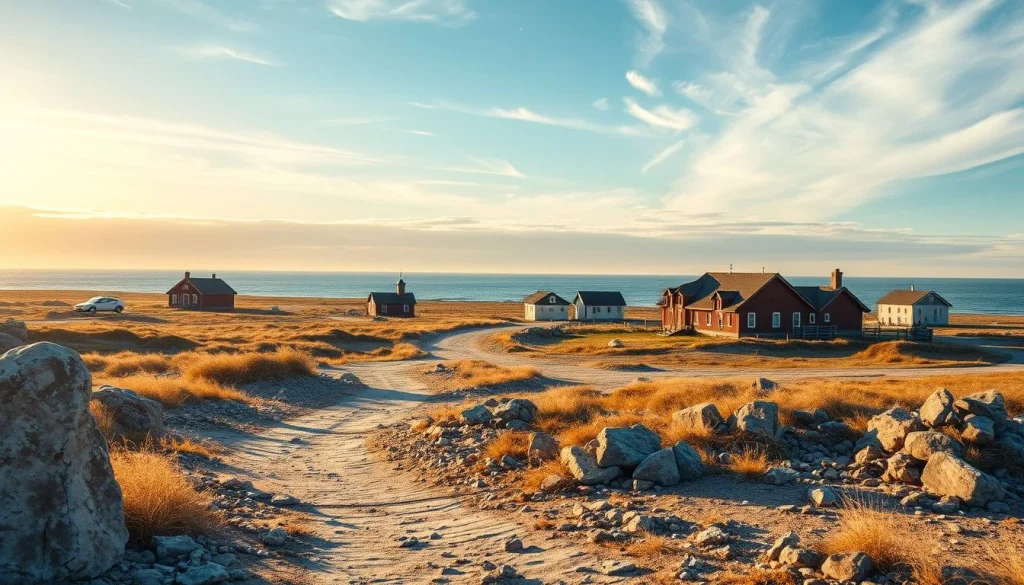
For Sable Island, register with Parks Canada and use a licensed operator; access is by aircraft or licensed boat transfer, with landing and weather constraints. The island has defined landing zones and permitted-use rules, so a private boat plan is not a substitute for the official process. Start with the Parks Canada Sable Island information and confirm the operator’s current licence and itinerary.
St Kilda requires an arranged vessel and a realistic understanding that the tender may not reach Hirta in rough seas. If you plan to camp, confirm the campsite period, landing arrangements and charges with the National Trust for Scotland or the licensed vessel operator. For Isla de los Estados, access is only by sea from Ushuaia or Río Grande, generally through an expedition or charter vessel, and the island is a protected provincial reserve. Ask the operator how it handles reserve permissions, landing sites and weather cancellations.
Tristan da Cunha is an approval-led expedition, not an island stop to add casually to a South Atlantic itinerary. There is no airstrip; visitors generally travel by ship from Cape Town, with voyages taking six or more days, and visits require advance planning and approval. Confirm current sailings and Island Council procedures directly with the island authorities, because schedules and visitor information can change.
For Cíes, complete the online authorization and reservation process through the Xunta de Galicia’s Illas Atlánticas booking system before relying on a ferry plan. High-season access limits and campsite quotas mean that a ferry ticket alone does not necessarily solve the whole visit. Taveuni is less permit-driven for the traveller, but local guides, accommodation hosts and transport providers are useful for arranging Bouma National Heritage Park waterfall routes and Rainbow Reef outings.
Reconfirm permits, quotas, campsite dates, operator licences and schedules within seven days of publication or booking, and again immediately before travel. Official pages and the operator’s direct message are more reliable than an old itinerary shared on a forum.
Match fitness to the ground
Distance is a poor measure of difficulty on unusual islands. On Sable Island, walking over sand and dune systems is tiring even when the route appears gentle. St Kilda adds steep or exposed paths after a tender landing, while Isla de los Estados combines uneven shorelines with a vessel-dependent approach. Reliable grip, balance and confidence near exposed ground matter more than speed.
Taveuni’s rainforest routes bring heat, humidity, mud and stream or waterfall approaches. Build in time to stop, dry equipment and drink, especially if a diving day follows a hike. Cíes is the manageable baseline: ferries connect with paths towards beaches, viewpoints and lighthouse areas, including the routes around Rodas Beach and Monte Faro, but sun, uneven ground and limited shade still call for sensible pacing.
Small aircraft, tenders, loose sand, uneven shorelines and exposed paths can be unsuitable for travellers with limited mobility. Ask the operator for the exact landing surface, transfer method, route gradient and alternatives before paying. On a boat landing, never pressure a crew to go ashore simply because you have travelled a long way.
Decide where a guide earns their place

Independent travel works best where the authorities provide a clear reservation system, transport is frequent enough and trails are straightforward to follow. Cíes can suit a self-directed hiker who has secured authorization, ferry space and a campsite or return sailing. Taveuni can also be partly independent, but limited onward transport makes a local guide or accommodation-arranged transfer valuable for rainforest and waterfall days.
On Sable Island, St Kilda and Isla de los Estados, “independent” does not mean self-arranged landing. Licensed operators coordinate vessels, tenders, landing permissions and weather decisions. A guide also adds local interpretation and judgement about changing ground and sea conditions. The trade-off is less control over pace and route, but on a protected or exposed island that loss of flexibility is part of responsible access.
Tristan da Cunha demands the most patience and coordination. Treat the voyage, approval process and time at sea as the trip itself, rather than trying to compress it into a conventional holiday. If your schedule cannot absorb delays, this is the wrong access style.
Pack for a landing, not a beach holiday
- Layered, waterproof clothing: North Atlantic landings can feel cold and wet, while tropical rain can soak clothing quickly.
- Footwear with dependable grip: Choose shoes or boots that cope with sand, slick ground, uneven shorelines and steep paths.
- Dry bags and a refillable water bottle: Tenders and surf can wet luggage, phones and spare layers before the walk begins.
- Sun and insect protection: Carry protection for exposed coastal routes and rainforest trails rather than relying on island shops.
- Personal medication and a compact first-aid kit: Remote islands may have limited medical support and no convenient replacement supplies.
- Offline navigation, a headlamp and a power bank: Connectivity and charging cannot be assumed on vessels, reserves or rural island roads.
- Seasickness treatment and binoculars: The first helps on long passages and tender rides; the second makes wildlife viewing more rewarding without approaching animals.
Build the safety margin before departure

Buy travel insurance that explicitly includes medical evacuation and remote-island activities. This is especially important for Tristan da Cunha, where appropriate medical-evacuation cover is required, and for any itinerary far from substantial medical facilities. Check exclusions for expedition vessels, diving, hiking and missed connections rather than assuming a standard policy covers them.
Check the government travel advisory for every destination immediately before departure. Socotra should remain a not-now example: GOV.UK’s Yemen travel advice warns against all travel to Yemen, including Socotra, because of conflict, terrorism and kidnapping risks. Its remoteness does not make it an acceptable substitute for the visitable islands above.
Use this final check before leaving home:
- Official travel advisory checked for the destination and transit countries.
- Permit, reservation, campsite and landing requirements confirmed.
- Operator licence and current ship, ferry or flight details verified.
- Weather, swell and cyclone conditions checked through official or operator channels.
- Medical-evacuation insurance confirmed in writing.
- Offline route information, charged power bank and communications plan prepared.
- Emergency contact given the vessel, operator, accommodation and buffer-day plan.
The most remote islands to visit reward travellers who accept uncertainty without treating it as a challenge to overcome. Leave room for the sea to say no, and the route becomes more than a difficult arrival: it becomes access earned on the island’s terms.
Conclusion: choose the route you can respect
For a first step into unusual islands to visit, choose the Cíes Islands: Rodas Beach, the Monte Faro paths and a controlled ferry-and-reservation system offer real adventure without committing to an expedition. Select St Kilda or Isla de los Estados if the sea landing itself is the point, and you are prepared for exposed routes, weather changes and a plan that may be altered.
Reserve Tristan da Cunha for travellers who genuinely want an expedition: no airstrip, a voyage of six or more days from Cape Town, and advance approval make it a major undertaking rather than an add-on.
Pick one access style, check the relevant official authority and current travel advisory, then speak directly with the licensed operator before paying a deposit. That conversation should confirm landing conditions, permits, insurance requirements and a realistic fallback if the island says no.
Frequently asked questions
How fit do I need to be for these island routes?
It depends on the island. St Kilda’s Hirta has steep or exposed paths, while Sable Island involves walking across dune systems; both call for steady footing and comfort in changeable conditions. Cíes is the gentler option, with paths linking beaches, viewpoints and lighthouse areas, while expedition landings at Isla de los Estados may involve rough shoreings. Check the route and landing conditions with the operator before booking.
What happens if weather cancels a landing or ferry?
Sea access is conditional, not guaranteed. Sable Island landings are subject to weather, St Kilda tenders depend on sea conditions, and expedition vessels may alter landings when shoreings are rough. Build flexibility into the itinerary, avoid tight onward connections, and confirm the operator’s rebooking and cancellation terms before paying.
Can I combine one of these islands with a conventional holiday?
Yes, but the practical choices differ. Cíes can fit into a Galicia itinerary because scheduled ferries connect it with Galician ports, while Taveuni can be added to a Fiji trip through inter-island ferry or small-air services. Tristan da Cunha is not a short add-on: the voyage from Cape Town generally takes six or more days each way, with advance approval required.
What should I pack for a sea landing and coastal hike?
Start with suitable footwear and clothing that can handle wet conditions, uneven shorelines and exposed paths; the National Trust for Scotland specifically highlights this for St Kilda. Carry the travel and medical-evacuation insurance documents required for a remote trip, particularly for Tristan da Cunha. Keep luggage manageable for tenders and follow the operator’s final instructions, since landing procedures vary.
How do I choose between an expedition vessel and an independent trip?
Choose an expedition or charter vessel when the island is reachable only by sea, as with Isla de los Estados, or when ship logistics and approvals dominate the journey, as with Tristan da Cunha. Independent planning is more realistic for controlled-access destinations such as Cíes, where ferries and an online authorization system are available. For Sable Island, visitors must register with Parks Canada and use licensed operators, so it is not a free-form independent landing.
Why is Socotra included if it is not currently recommended?
Socotra illustrates the difference between an unusual island and a responsible travel recommendation. It must not be presented as a trip option: GOV.UK travel advice warns against all travel to Yemen, including Socotra, because of conflict, terrorism and kidnapping risks. Recheck current government advice before considering any destination described as remote or expedition-style.