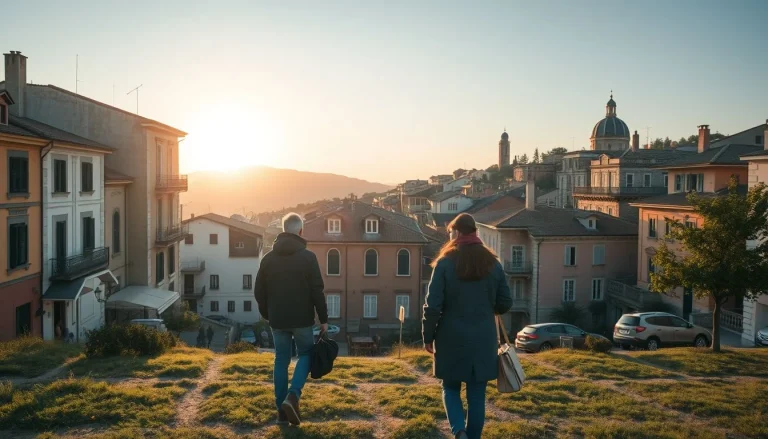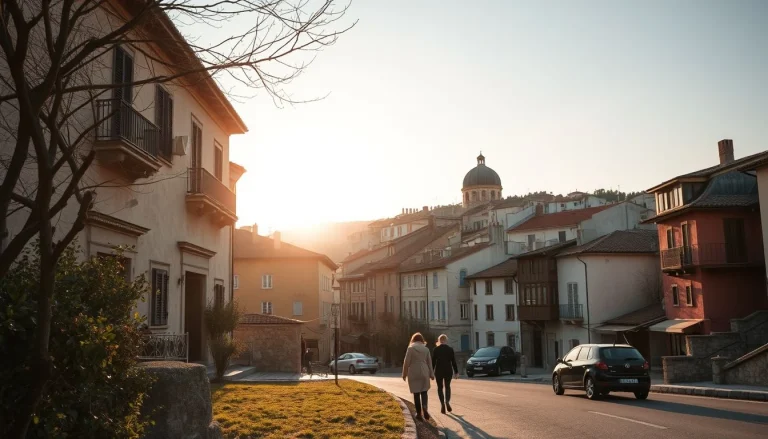
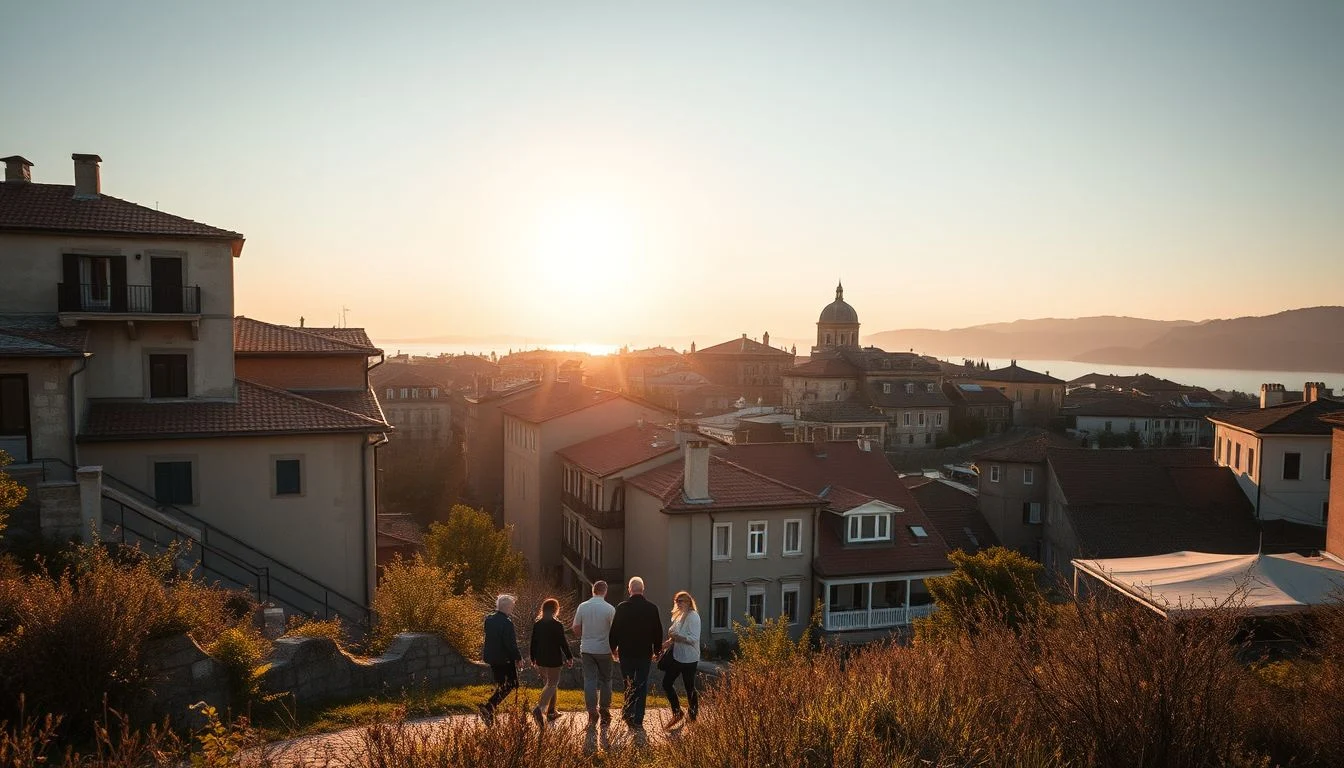
Lucca’s Renaissance walls make a complete, tree-lined circuit above the Tuscan streets, turning an evening cycle into the first course of a city break. That sense of scale is the appeal of these small cities that beat the big ones: you can move from a historic centre to a scenic dinner, a lake shore or a harbour viewpoint without spending half the day in transit.
This guide is for couples who want walkable neighbourhoods, boutique-stay potential and enough unplanned time to enjoy a place together. Use it to match the mood to the destination: Annecy for lake light, Hoi An for lantern-lit riversides, Girona for medieval streets and food, Valletta for concentrated Baroque atmosphere, Bergen and Kotor for dramatic water-and-mountain scenery, and Santa Fe for adobe architecture and galleries. Practical notes on transfers, seasons, crowds, accessibility and advance bookings help turn inspiration into a realistic three- or four-day plan.
Quick answer: The strongest small-city alternatives for couples are Lucca, Annecy, Hoi An, Girona, Valletta, Bergen, Kotor and Santa Fe. They combine walkable historic centres, scenic dinners and boutique-stay potential with shared experiences such as cycling city walls, lake trips, fjord cruises, bay boats, lantern-lit riversides and adobe-and-art evenings—without the scale of a major city.
The places: eight compact city breaks with more room for two
These small cities aren’t universally better than Florence, Barcelona or Paris. Their advantage is scale: a couple spends less time crossing a metropolis and more time sharing the day, from a slow ride around Lucca’s walls to lake light in Annecy, lantern reflections in Hoi An or an early dinner above the Bay of Kotor. A compact centre leaves room for a long lunch, an unplanned detour and a sunset that doesn’t require a complicated journey back to the hotel.
| Destination | Couple mood | Ideal stay | Signature shared experience | Likely crowd pressure |
|---|---|---|---|---|
| Lucca | Easygoing and historic | Three to four days | Cycling the city walls | Lower outside peak Italian travel periods |
| Annecy | Lakeside and outdoorsy | Three days | Lake views and a canal-side dinner | Higher around summer weekends |
| Hoi An | Atmospheric and unhurried | Three to four days | Lantern-lit riverside evenings | Can rise around popular evenings and holidays |
| Girona | Food-focused and medieval | Two to three days | Walls, Jewish Quarter and Onyar River | Especially high during May’s Temps de Flors |
| Valletta | Compact and cultural | Three days | Harbour views after a Baroque street walk | Higher in peak summer and December |
| Bergen | Cool-weather and dramatic | Three to four days | A fjord cruise or mountain walk | High on summer cruise-ship days |
| Kotor | Seaside and mountainous | Three days | Bay boat towards Perast | High on summer cruise-ship days |
| Santa Fe | Artistic and slow-paced | Three days | Plaza-to-gallery wandering | Variable around events and holidays |
Lucca, Italy: bicycles, walls and medieval lanes
A morning in Lucca can start outdoors and finish at a small table in the historic centre. Its continuous Renaissance walls form a tree-lined promenade used for walking and cycling; bike-rental locations are available near the station, according to Visit Tuscany. The bicycle bell, plane-tree shade and view back towards the tiled roofs create a gentler rhythm than nearby Florence.
Late afternoon is the time to ride or stroll the circuit before dropping into the medieval lanes for dinner. The walls provide the shared activity; afterwards, there’s nowhere urgent to be. Lucca is also practical to reach by regional train, with journeys of approximately 25–45 minutes from Pisa or Florence, though the current timetable should be checked before booking.
Best for: couples who want cycling, history and an easy three- or four-day pace. Plan around: uneven paving and occasional steps in the old centre; check accommodation access if either traveller has mobility concerns.
Annecy, France: lake light and canal-side evenings
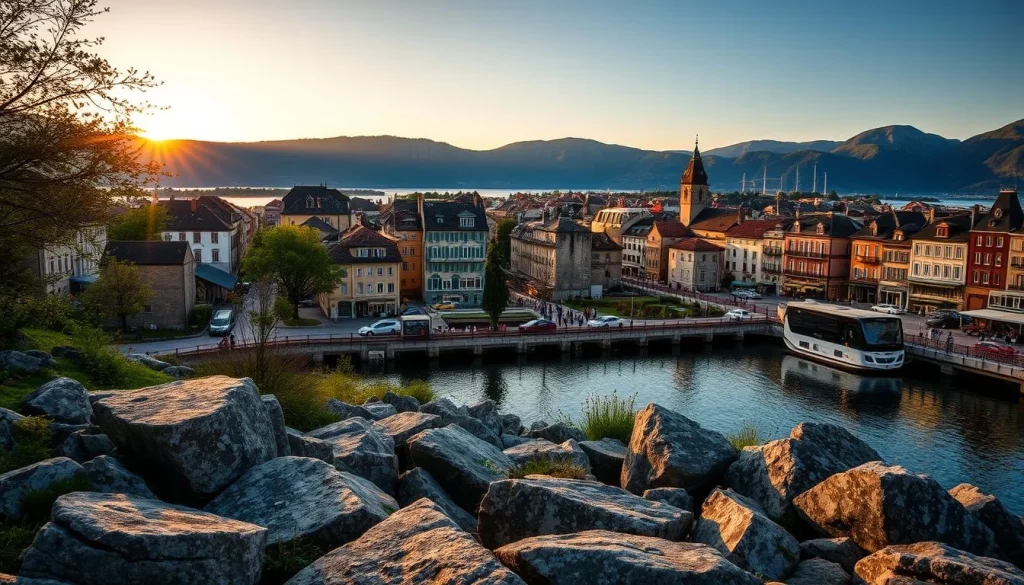
Lake Annecy gives this city break an easy outdoor dimension. In the Vieille Ville, canals thread between pastel façades and waterside streets before opening towards the lake. The Pont des Amours provides a compact landmark for an evening walk, while short gondola rides give access to mountain viewpoints, as described by the Haute-Savoie tourism authority.
Leave one day deliberately loose. Wander the old town in the morning, spend time beside the lake and choose a lakeside dinner instead of filling the schedule with excursions. Geneva or Lyon can serve as transfer hubs, making Annecy a useful alternative to a larger French or Swiss city while retaining access to scenery.
Best for: couples who value lake views, gentle activity and a polished old-town setting. Plan around: summer weekends can feel much busier; cobbles, steps and crowded canal lanes may make some routes difficult for wheelchairs or pushchairs.
Hoi An, Vietnam: lanterns, merchant houses and slow evenings
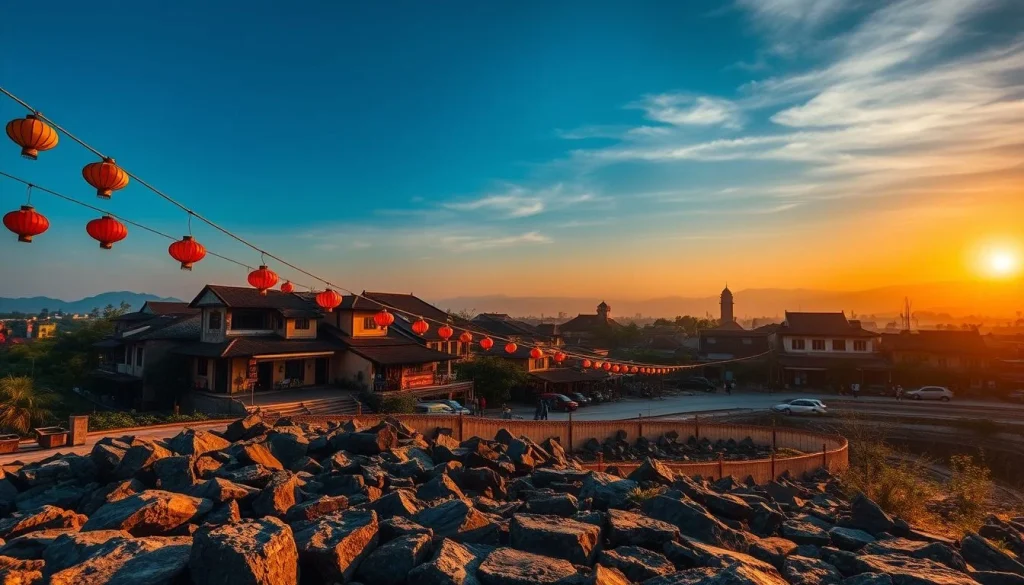
After daylight fades, Hoi An becomes a place for an unhurried walk: lantern reflections stretch across the river and the preserved streets of Hoi An Ancient Town take on a different atmosphere. Explore the historic merchant houses, pause near the Japanese Covered Bridge and leave time for a riverside meal rather than treating the old town as a checklist of sights.
Cafés and a slower tropical rhythm make the city well suited to couples who want downtime between outings. Hoi An is reached through Da Nang, approximately 40–45 minutes away by road. Its heritage areas have regulated visitor hours, so check the current information published by local heritage authorities before planning an evening visit; Vietnam Tourism provides the regional visitor context through its Hoi An guide.
Best for: couples seeking lantern-lit streets, food and downtime. Plan around: narrow lanes, uneven surfaces and potentially limited step-free access in historic buildings; confirm accessibility directly with a hotel or tour provider.
Girona, Spain: medieval walls and a food-led weekend
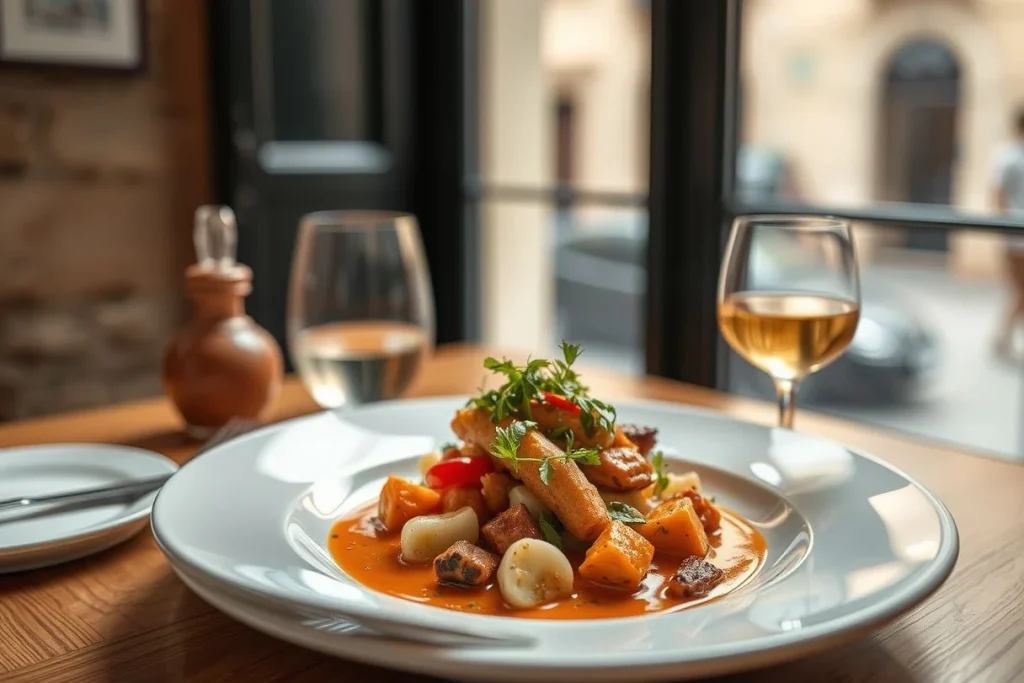
A walk through Girona’s medieval centre quickly brings together several sides of the city. Follow the old walls, look down to the coloured façades along the Onyar River and climb towards Girona Cathedral through the Jewish Quarter. The sequence is satisfying because the city rewards wandering: a shaded lane can lead to a square, a viewpoint or a table for a late lunch.
Fast trains connect Girona with Barcelona in approximately 40–60 minutes, making it a straightforward alternative to staying in the larger city; check the current timetable before travel. Two or three nights is enough to keep the pace relaxed and leave space for a food-focused evening. Girona’s Temps de Flors festival takes place in May and can significantly increase accommodation demand, so check the official calendar before committing to those dates.
Best for: couples who want historic streets and meals to anchor the day. Plan around: steps, cobbles and steep sections around the old centre, particularly near the cathedral and walls; May’s festival period needs earlier planning.
Valletta, Malta: Baroque streets above the harbour
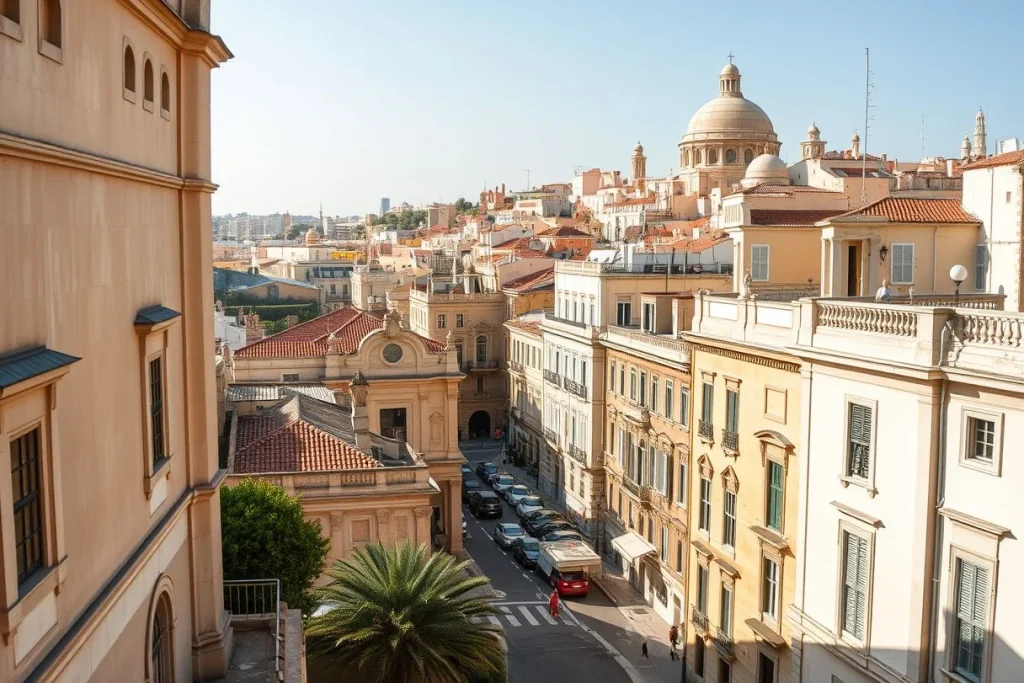
Compact Valletta concentrates culture without the logistics of a sprawling capital. Walk Republic Street in the morning, turn into the narrower lanes around Strait Street and finish with a harbour-facing drink or dinner as the limestone changes colour. The city’s small centre makes it easy to return to a centrally located boutique stay between outings.
Malta International Airport is approximately a 20-minute drive from Valletta, and Republic Street and the harbour are walkable from central accommodation, according to the destination information supplied by Visit Malta Now. That short transfer is a practical advantage for a three-day break: less arrival-day friction, more time for churches, galleries and unhurried meals.
Best for: couples who want architecture, evening atmosphere and a walkable base. Plan around: steep streets, steps and polished or uneven paving; ask accommodation providers about lifts and the exact route from the entrance to the room.
Bergen, Norway: timber harbour, mountains and fjords
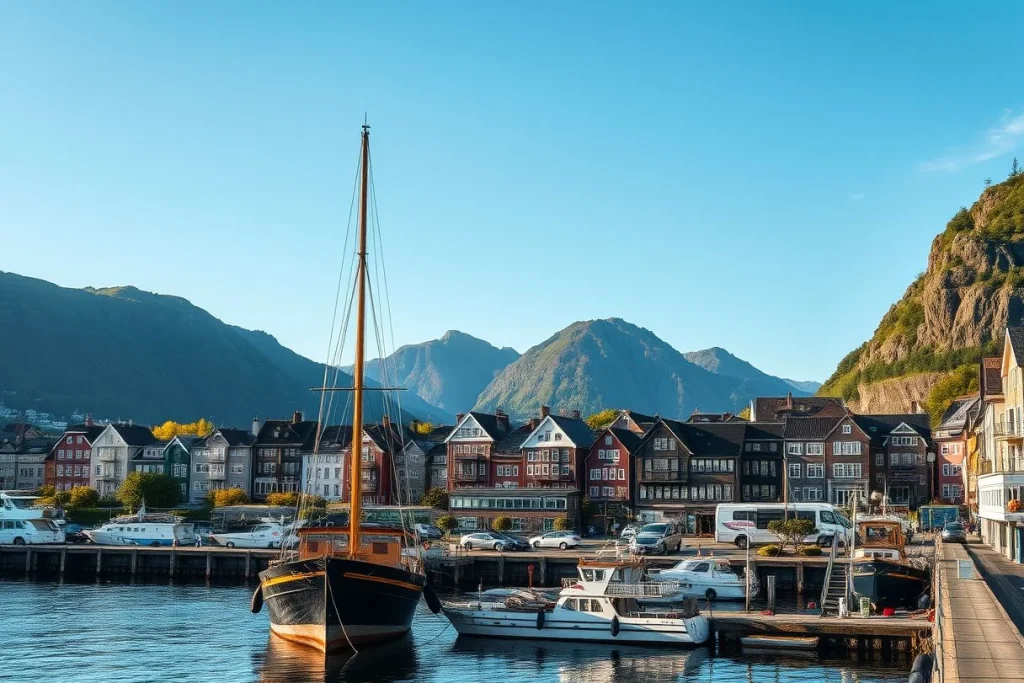
For couples who would rather trade warm evenings for dramatic weather and changing light, Bergen fits the brief. Begin around Bryggen, the UNESCO-listed harbour area, then use the city as a base for a mountain walk or a fjord cruise. Timber façades, wet pavements and a boat pulling away from the harbour give the break a distinctly Nordic sense of place.
Long summer daylight makes it easier to combine a city walk with time on the water, although cruise-ship pressure also rises. Fjord cruises and mountain walks are available from Bergen, as noted by Visit Montenegro’s regional destination reference; check harbour schedules and the operator’s current boat timetable before choosing your departure. A morning cruise can leave the evening free for a quieter dinner back in town.
Best for: couples who enjoy cool-weather adventure and scenery over long, hot afternoons. Plan around: rain, changing outdoor conditions and busy summer cruise days; confirm boat suitability and accessibility before paying for an excursion.
Kotor, Montenegro: a walled town beneath steep mountains
Steep mountains provide Kotor’s setting, while the walled Old Town supplies the detail. St. Tryphon Cathedral, narrow lanes and small squares lead towards the Bay of Kotor. For a slower day, take a boat towards Perast, then return for dinner close to the stone walls as the day-trippers leave.
The Kotor–Lovćen cable car offers a panoramic connection from the bay towards higher viewpoints, but the operator’s current availability and ticket conditions must be checked before making it the centrepiece of the day. Kotor Old Town is UNESCO-protected and has local rules concerning behaviour and vehicles, so read the current guidance before arrival. Boat timetables can be seasonal, and popular departures deserve live confirmation rather than assumption.
Best for: couples who want mountain scenery, intimate seaside dining and a memorable shared excursion. Plan around: cobbles, steps, steep paths and narrow lanes; the old town and viewpoints can be challenging for travellers with mobility concerns, so check routes and accommodation access in advance.
Santa Fe, New Mexico: adobe, galleries and warm evening light

Santa Fe offers a different kind of compact romance: adobe walls glowing in the evening, quiet gallery rooms and a walk from Santa Fe Plaza towards dinner. The Plaza is the city’s cultural heart, while Canyon Road concentrates galleries and adobe architecture within a relatively short walking area, according to the Santa Fe World Heritage source.
Canyon Road deserves an afternoon of its own rather than a rushed circuit of museums; return towards the Plaza as the light softens. Santa Fe Regional Airport and Albuquerque are the relevant access options; check current flight, road and transfer arrangements before booking. The city’s short walking core suits couples who prefer conversation and browsing to a packed sightseeing schedule.
Best for: couples drawn to art, warm light and a slower cultural break. Plan around: altitude, sun exposure and uneven pavements when planning long walks; confirm transport and hotel access if stairs or extended walking are concerns.
Making it happen: choose the right season, base and pace
Match the season to the city
For most of the European choices, spring and early autumn offer the most comfortable balance of outdoor time, restaurant terraces and manageable sightseeing. June, July, August and December can bring heavier travel pressure, so check accommodation and transport before fixing dates rather than assuming a small city will feel quiet.
Bergen is the exception if long daylight and fjord access are central to the trip: summer suits those plans, but cruise-ship days can make Bryggen and the harbour noticeably busier. Check the harbour schedule and plan a fjord departure early in the day. For Hoi An, late winter to spring or autumn can work well, subject to the current weather guidance; the town’s heritage areas have regulated visitor hours, so confirm the latest information with local heritage authorities before planning an evening walk through the old town, as advised by Vietnam Tourism.
Girona needs one extra calendar check. Temps de Flors takes place in May and can significantly increase accommodation demand, according to the heritage information published by Catalonia’s cultural heritage service. The festival may be exactly what you want if gardens, installations and a busier atmosphere appeal; otherwise, choose another spring or autumn weekend.
Build a three- or four-day rhythm
A compact city break works best when one planned experience anchors each day, rather than when every hour is booked. On arrival, settle into the neighbourhood, take a short orientation walk and keep dinner close to your accommodation. This leaves room for a delayed transfer or a slower start without sacrificing the evening.
Use the second day for the signature shared experience: cycle Lucca’s continuous, tree-lined walls, take a lake outing from Annecy, join a fjord cruise from Bergen or explore the Bay of Kotor by boat. On day three, leave half a day unplanned. In Girona or Valletta that might mean lingering over coffee between lanes; in Hoi An, it could be a riverside meal and a quiet return to the hotel during the hottest part of the day.
Reserve the final evening for the view or setting you will remember: a lake-facing dinner in Annecy, a harbour outlook in Valletta, a mountain-backed table in Kotor or early-evening dining near Santa Fe Plaza. Couples usually gain more from one well-chosen reservation and generous gaps around it than from a sequence of fixed tours.
Choose the arrival hub before the hotel
Lucca is particularly straightforward from Pisa or Florence: the city is reached by regional train journeys of approximately 25–45 minutes, according to Visit Tuscany. Annecy can be approached through Geneva or Lyon, while Hoi An is reached via Da Nang, approximately 40–45 minutes away by road. For either journey, compare the last connection with your arrival time and confirm the current timetable before booking a non-refundable room.
Girona is connected with Barcelona by fast trains in approximately 40–60 minutes, and its medieval centre is best explored on foot. Valletta is similarly easy to keep compact: Malta International Airport is approximately a 20-minute drive away, with Republic Street and the harbour walkable from central accommodation, according to Visit Malta Now.
For Bergen, Kotor and Santa Fe, check the current airport, rail and road options directly before committing to dates. The most useful comparison is not simply the shortest transfer: look at the time of the last onward service, luggage handling and the likelihood of needing a taxi after dark. Seasonal ferries, fjord boats, bay excursions, flights and mountain transport can change, so verify departures with the operator rather than relying on an old itinerary.
Stay where the evening begins
In Lucca, a base near the station or just inside the walls makes a bike hire and sunset promenade easy. For Annecy, prioritise the Vieille Ville or lakefront if evening walks and quick access to the water matter more than a quieter outlying address. In Hoi An, staying near the Ancient Town reduces the need for repeated transfers, but confirm how the hotel handles access during regulated heritage hours.
Girona rewards a room near the medieval centre, while Valletta is most convenient around Republic Street, Strait Street or the harbour. In Bergen, stay close to Bryggen if you want to walk back from dinner and reach a morning boat without a long transfer. In Kotor, a property near the Old Town offers atmosphere but may involve cobbles, steps and vehicle restrictions; check the arrival instructions carefully. Santa Fe works best near the Plaza or Canyon Road, where galleries, adobe streets and evening restaurants are concentrated within a relatively short walking area.
Book the moments that can shape the trip
- Girona in May: check the official Temps de Flors dates before booking, since the festival can change demand and availability.
- Boat trips: confirm fjord departures from Bergen and Bay of Kotor trips towards Perast before arranging dinner around them.
- Kotor–Lovćen cable car: check the operator’s current operating status, ticket conditions and weather policy; the connection is panoramic, but availability is not something to assume.
- Special dinners: reserve a popular scenic or small dining room once your arrival and excursion times are fixed, then keep the other meals flexible.
- Event periods: check local calendars for festivals and public events in every destination, particularly when travelling in May, summer or December.
Check access, rules and conditions
These are walkable city breaks, not uniformly step-free ones. Historic centres may include cobbles, narrow lanes, stairs and steep approaches; Kotor Old Town is UNESCO-protected and has local rules concerning behaviour and vehicles. Ask the hotel about step-free entry, lift access, bathroom layout and the route from the nearest vehicle drop-off before paying a deposit. For Hoi An, Valletta, Kotor and Bryggen, confirm current heritage-site rules, dress or behaviour expectations, visitor hours and any vehicle restrictions with the relevant local authority.
Outdoor plans need the same discipline. Check current weather before cycling, mountain walks, cable-car rides and boat excursions, and read the operator’s cancellation terms. Also verify any cycling restrictions, drone rules and nationality-specific entry requirements through official government, embassy, heritage and transport websites before departure. Those checks take minutes and protect the relaxed pace that makes these small cities more rewarding than a rushed major-city itinerary.
Conclusion: pick the mood, then make one memorable booking
Choose the city by the mood you want to share. Lucca or Girona makes the simplest European long weekend: both reward wandering, unhurried meals and a compact historic centre. Choose Annecy or Bergen for lake-and-mountain scenery, Hoi An for lantern-lit slow travel, Kotor for mountain-and-bay drama, Valletta for concentrated culture, or Santa Fe for galleries, adobe streets and desert light.
Then make one practical booking: a central base that lets you return easily for downtime, plus one defining experience such as a bike rental, boat trip, cable-car ride or guided old-town walk. Check live transport, entry and activity information before paying, and leave at least one afternoon open. The appeal of these small cities is not fitting in more; it is having enough space to notice the place—and each other.
Frequently asked questions
Which of these destinations works best for a first three-day couple’s break?
Lucca is the simplest starting point: its Renaissance walls create a continuous walking and cycling route, and the city is reachable by regional train from Pisa or Florence in approximately 25–45 minutes. Girona is another strong choice, with a medieval centre best explored on foot and fast-train connections from Barcelona taking approximately 40–60 minutes. See Visit Tuscany and Visit Girona for current planning information.
Can we combine any of these small cities with a nearby major-city visit?
Yes. Pair Lucca with Pisa or Florence, using the regional train for the transfer; combine Girona with Barcelona by fast train; or use Geneva or Lyon as transfer hubs for Annecy. Hoi An can be combined with time in Da Nang, which is approximately 40–45 minutes away by road. Check current rail, road and flight connections before booking, as schedules can change.
Which destination is easiest to explore without hiring a car?
Valletta is the clearest choice for a car-free break: the city is compact, while Republic Street and the harbour are walkable from central accommodation. Girona is also practical, since its medieval centre is best explored on foot, and Lucca’s continuous city walls make walking or cycling natural ways to move around. Historic centres can still include cobbles, steps and narrow lanes, so check accommodation access if mobility is a concern.
Are these destinations suitable for couples who prefer evenings over nightlife?
They suit that style particularly well. Valletta offers evening walks between Republic Street and Strait Street, Hoi An has lantern-lit riverside atmosphere and cafés, and Santa Fe concentrates adobe architecture, Santa Fe Plaza and Canyon Road galleries within a relatively short walking area. Lucca, Girona and Kotor also work for couples who want a scenic dinner followed by a quiet stroll rather than a nightlife-focused itinerary.
How far ahead should we reserve a room in a historic centre?
There is no reliable single booking window for all eight destinations, because availability changes by season and local events. Girona needs particular care in May, when the Temps de Flors festival can significantly increase accommodation demand; check the Girona City Council tourism news before choosing dates. For every destination, compare live availability and cancellation terms before committing, especially for a central boutique stay.
What should we pack for a trip combining old-town walks and outdoor excursions?
Prioritise comfortable footwear for cobbles, steps and extended walks, then add clothing suited to the specific excursion: cycling Lucca’s walls, walking around Lake Annecy, taking a fjord cruise from Bergen or travelling by boat in the Bay of Kotor. Check current weather and operator guidance before departure. For Hoi An, also review the regulated visitor hours for the Ancient Town with local heritage authorities.