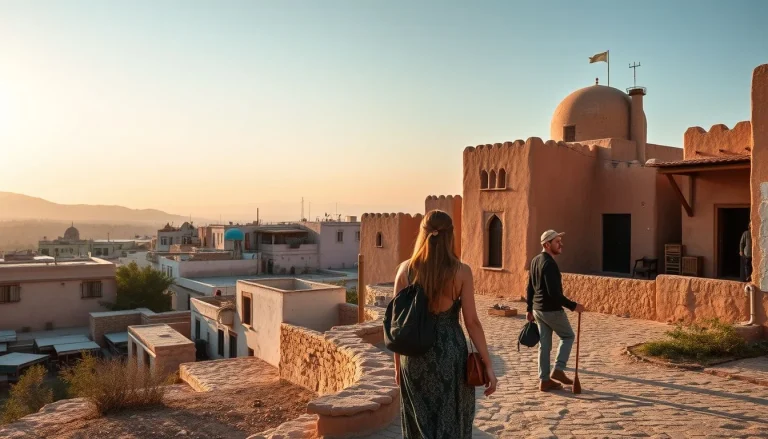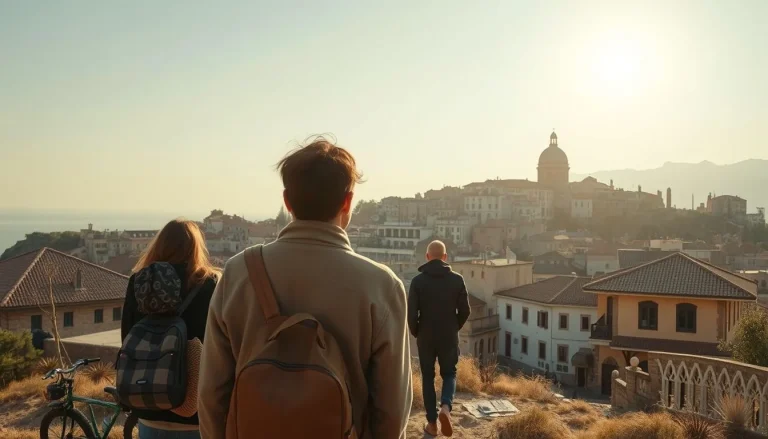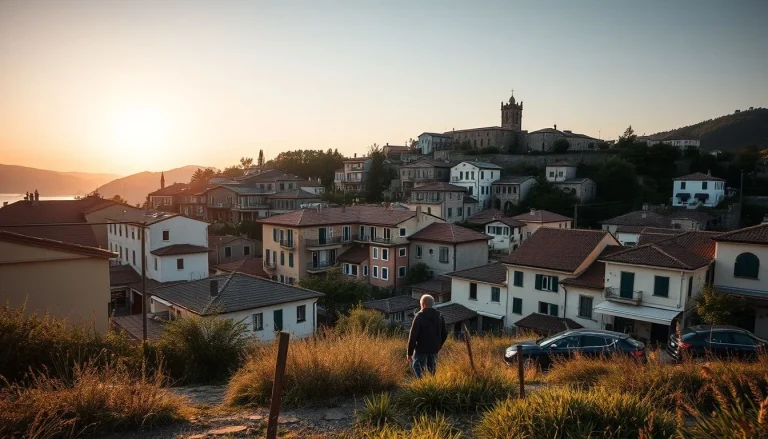

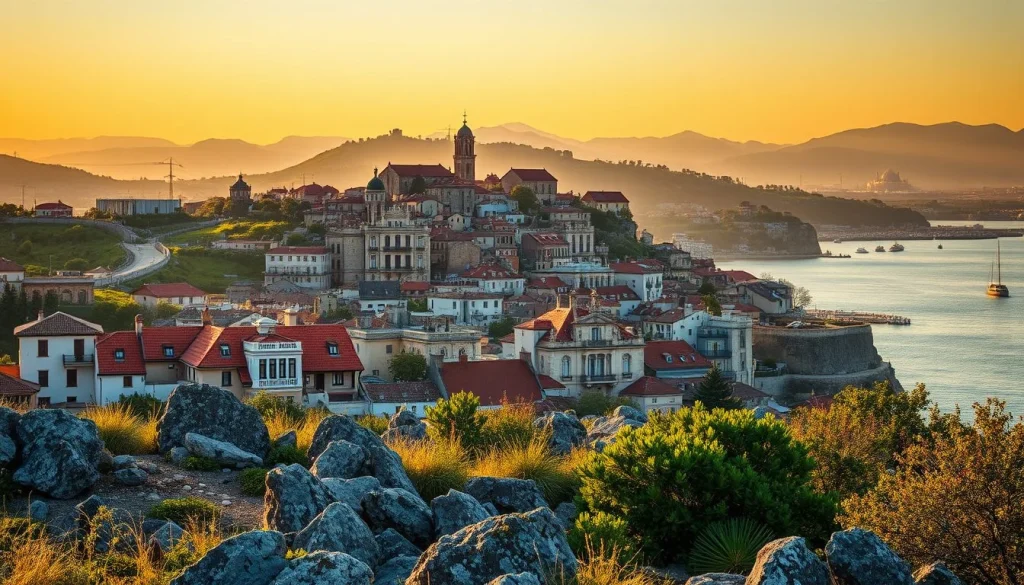
Lisbon can give a first-time solo traveller historic neighbourhoods, café stops, walking tours and a straightforward day trip to Sintra or Cascais in one compact city break. It is one of the best destinations for a first solo trip for readers who want flexible pacing, social hostels and practical logistics without committing to a complex itinerary. The trade-off is frequent theft in tourist areas, so basic anti-theft precautions matter.
This curated shortlist helps first-time solo travellers compare eight destinations by the decisions that shape a confident first trip: official safety guidance, ease of getting around, English-language accessibility, ways to meet people, organised activities, outdoor risks and the possibility of a single supplement. It is not based on hands-on testing or a personal ranking; each recommendation has a distinct strength, from Tokyo’s structured transport to Costa Rica’s group-friendly eco-tours, with current official advice still essential before booking.
Quick answer: Lisbon is the strongest all-round choice for a manageable first city break, while Tokyo and Taipei suit travellers who want structured urban travel and easy solo dining. Choose Costa Rica or New Zealand for organised outdoor activities; Reykjavik, Vancouver and Barcelona offer distinctive alternatives but require closer attention to weather, natural hazards, petty theft or higher costs.
How these eight destinations were chosen
These are curated recommendations, not destinations we have personally tested or a definitive safety ranking. The shortlist weighs what a first solo trip demands: clear official safety guidance, manageable public transport and navigation, English or other accessible language support, and enough structure to make the first few days feel straightforward.
We also looked for practical ways to meet people, including hostels with common areas, communal dining, walking tours and organised day activities. That matters because Hostelworld’s 2024 Solo Travel Report identifies meeting people as a major motivation for travelling alone. Flexible options—city neighbourhoods, nature outings and short day trips—also scored well, as did the likelihood of avoiding a costly single supplement. G Adventures says most of its trips do not require a mandatory single supplement, but its room-sharing policy varies by itinerary and should be checked before booking.
Safety is destination- and itinerary-specific, not a guarantee. The selection draws on official guidance such as GOV.UK advice for Portugal, the U.S. State Department’s Japan advisory, its guidance for Costa Rica, NZ SafeTravel and country information from Canada’s travel-advice service. Check those sources again before booking and departure, alongside the relevant Taiwan guidance, entry rules for your nationality, insurance and evacuation cover, seasonal conditions, and any road or activity warnings.
The list: eight strong first-trip options compared
That framework leaves eight practical starting points, each suited to a different kind of first solo trip. The right choice depends less on finding a universally “safest” destination than on matching the pace, transport and social options to your confidence level.
Lisbon, Portugal
Why it works: Lisbon offers a manageable city break, with cafés, hostels, walking tours and straightforward day trips. Base yourself in a central neighbourhood, then add Sintra or Cascais once the city feels familiar.
A good fit for: first-time solo travellers who want urban sightseeing without filling every day. Historic streets, communal hostel spaces and organised walks make meeting people easier, while a flexible itinerary leaves room for quiet café time.
Plan around: keeping the first 48 hours within a compact area. A walking tour or hosted activity provides a low-pressure introduction. Lisbon isn’t a no-risk choice: GOV.UK travel advice warns of frequent theft in tourist areas in Portugal, including Lisbon. Use a zipped day bag, keep your phone away from kerbs and crowded transport, and check the current advice before departure.
Tokyo, Japan

Why it works: Tokyo suits travellers reassured by structured urban travel, clear routines and plentiful ways to sightsee alone. Solo dining, neighbourhood exploration and planned day trips can fit together without requiring a companion’s timetable.
Start with: a simple route for independent beginners: one neighbourhood, one meal and one major sight at a time. That keeps the scale manageable, while social hostels and food-focused group activities provide conversation when wanted.
Plan around: the U.S. State Department’s description of Japan as Level 1, “Exercise normal precautions”. Its Japan advisory also includes natural-disaster guidance. Read earthquake and other emergency instructions before arrival, then check current weather and seasonal conditions before fixing a detailed itinerary. Japan can also be a higher-cost choice, so compare accommodation and tour prices early.
Taipei, Taiwan
Why it works: Taipei makes eating alone feel natural. Night markets, food courts and communal dining offer easy social contact without requiring a formal group, while city transport and concentrated urban sights support flexible, low-stress days.
For food-focused beginners: choose a hostel with a common area or book a small food walk for the first night. After that, alternate markets and neighbourhood wandering with unplanned time.
Before booking: remember that entry rules and local-travel guidance vary by nationality and can change. Check the current Taiwan information from the U.S. State Department and the relevant Taiwanese authority. Review current typhoon and earthquake guidance too, particularly when travelling during a period of unsettled weather. Taipei is a strong option for travellers who don’t want to hire a car.
Reykjavik, Iceland
Why it works: Reykjavik gives nature-seeking solo travellers a compact base rather than a complicated multi-stop route. Organised excursions to the Golden Circle and other countryside sights let you experience Iceland without making every decision alone.
Choose it for: dramatic landscapes without the commitment of a long self-drive. Group day trips create an easy social setting, while the city leaves space for slow mornings and independent meals.
Keep in mind: self-driving is a separate decision, not the default. Before hiring a car or booking an outdoor activity, check current weather, road, water and operator-safety information; conditions can alter plans quickly. Reykjavik accommodation and organised excursions may cost more than a budget city break, and solo rooms can reduce the value of a shared-room booking. Ask about room arrangements and cancellation terms before paying.
Vancouver, Canada

Why it works: Vancouver combines English-language city logistics with accessible urban nature. Stanley Park provides an easy first outing, while the North Shore offers a change of scenery without giving up a city base.
For the right pace: combine cafés, food and public transport with manageable nature excursions. Settle into the city first, then add an organised outdoor day rather than rushing between several bases.
Before heading out: use public transport for the initial orientation and check route, weather and trail information before travelling towards the North Shore. Verify current regional guidance through Canada’s travel-advice service. Vancouver is usually a poor fit for a tightly constrained budget unless accommodation and outdoor transport are researched carefully.
Barcelona, Spain

Why it works: Barcelona gives solo travellers a full cultural programme, from architecture and neighbourhood walks to museums and restaurants. Shape the day around one substantial sight, a long lunch and an unplanned walk.
For confident beginners: the city offers culture and nightlife, provided you’re comfortable taking ordinary city precautions. Hostels, walking tours and shared food experiences make it one of the stronger choices for meeting people.
Watch your belongings: petty theft is the central trade-off, especially around crowded tourist areas and transport. Keep valuables secured, avoid leaving a phone on a restaurant table and stay alert during busy evenings; reports from El País still make clear why situational awareness matters even when wider crime figures change. Check current Spanish and local guidance before travel.
Auckland and Queenstown, New Zealand
Why it works: Together, Auckland and Queenstown offer a progression from city orientation to organised outdoor adventure. English-language logistics and group activities can make the move from first solo city days to more active travel feel deliberate rather than abrupt.
For active travellers: choose Auckland for an easier arrival and Queenstown for booked day trips or guided activities. This suits hikers, adventure-seekers and travellers who want company for activities but independence between them; trying to improvise every outdoor plan can make the transition harder.
Check before booking: weather, road conditions and the operator’s current safety credentials. NZ SafeTravel provides specific advice for women and people travelling alone. Allow extra flexibility for changing conditions, and ask whether accommodation or tours charge a single supplement; organised operators set their own room-sharing policies.
Costa Rica
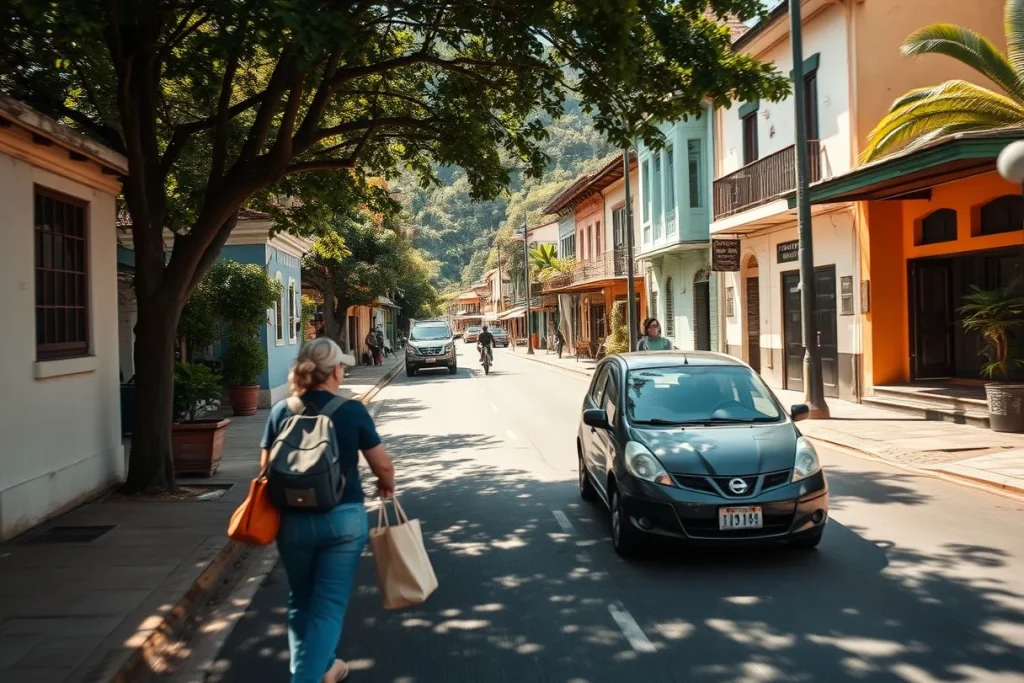
Why it works: Costa Rica is built around social activities such as wildlife excursions, surf schools, eco-tours and beach time. Guanacaste and Tamarindo suit travellers seeking a social coastal base, while San José can work as a short arrival or departure stop.
For activity-led beginners: a reputable small-group tour or surf lesson can provide structure without making nightlife the focus. Leave unscheduled time for rest; moving between regions too quickly can make a first trip tiring.
Check region by region: the U.S. State Department’s Costa Rica advisory, issued 2 April 2026 according to the supplied research, cautions about petty crime in tourist areas. Use reputable transport and tour operators, check advice for each region and confirm current weather, road, water and activity conditions before setting out.
How accommodation and tours affect the choice

Hostels help here for more than their potential to reduce accommodation costs. Common areas and organised activities create natural opportunities to meet other solo travellers. Hostelworld’s 2024 Solo Travel Report identifies meeting people as a major motivation for travelling alone, so check for a social common room, hosted events and recent policy details rather than choosing only by location.
Small-group tours can take the pressure out of arranging transport and activities. G Adventures says most of its trips don’t have mandatory single supplements and that solo travellers may be paired for twin-share accommodation, but the policy varies by itinerary and date; confirm the exact room arrangement before booking. For any destination or activity, arrange travel insurance covering medical expenses and, where relevant, emergency evacuation, as recommended in the supplied operator guidance.
At a glance: compare the eight options
The shortlist becomes easier to compare when the choice is reduced to a few practical questions: how much structure you want, how readily you can meet people, and whether you prefer a fixed base or organised excursions. The budget column is a broad planning impression rather than a price quote.
| Destination | Travel style | Navigation | Social opportunities | Good first-trip pace | Budget impression | Single-supplement watch-out | Main caution |
|---|---|---|---|---|---|---|---|
| Lisbon | City base with day trips | Easy | Hostels, cafés, walking tours | Short, flexible city break | Medium | Check room type on tours | Frequent theft in tourist areas; see GOV.UK travel advice |
| Tokyo | Structured urban travel | Very easy with planning | Solo dining and group activities | Steady city itinerary | High | Check tour room arrangements | Prepare for natural-disaster disruption; check the U.S. advisory |
| Taipei | Food-led city break | Easy | Night markets and communal eating | Flexible urban pace | Medium | Confirm any group-tour supplement | Check current entry and local-travel guidance |
| Reykjavik | Compact base with day tours | Easy in town | Organised excursions | Base-and-explore rhythm | High | Day tours may price rooms individually | Check weather and roads before self-driving |
| Vancouver | City and outdoors | Easy | Hostels and activity groups | City days with outdoor breaks | High | Check accommodation pricing for one | Verify current regional guidance |
| Barcelona | Culture, food and nightlife | Easy | Walking tours and social activities | Flexible city break | Medium | Check private-room pricing | Petty theft requires situational awareness |
| Auckland and Queenstown | Small-group outdoor travel | Moderate | Adventure activities and tours | Slower, multi-stop itinerary | High | Confirm sharing and activity supplements | Check weather and operator accreditation |
| Costa Rica | Nature, beaches and eco-tours | Moderate | Surf schools and group excursions | Organised regional itinerary | Medium | Use reputable operators and check room policy | Petty-crime cautions vary by region; check the U.S. advisory |
These labels are not fixed ratings. Official advisories, transport, prices, accommodation availability and entry rules change, so check the relevant government source and live booking conditions for your nationality and dates before committing.
How to choose your first solo destination
The right choice depends less on a universal “safest” label than on how much uncertainty you want to manage. For a first solo trip, prioritise an easy arrival, one main base, a bookable first activity, a clear emergency plan and a daily pace that leaves room for delays or low-energy days.
Choose by confidence level
For the nervous beginner, choose Lisbon. Its compact city-break format gives you cafés, hostels, walking tours and straightforward day-trip options to Sintra or Cascais without requiring a complicated itinerary. The trade-off is theft: GOV.UK travel advice for Portugal warns of frequent theft in tourist areas, including Lisbon, so keep your phone and wallet secure rather than treating the city as risk-free.
For orderly urban travel, choose Tokyo or Taipei. Tokyo suits travellers who want structured transport, solo sightseeing and plenty of opportunities to eat alone. The U.S. State Department describes Japan as Level 1—exercise normal precautions—but its advice also includes natural-disaster preparation, which belongs in your planning. Taipei is a strong alternative for food-focused travellers: night markets, communal eating and city transport make it easier to build a day around independent activities.
For nature without giving up a reliable base, consider Reykjavik or Vancouver. Reykjavik works well when organised excursions, such as a Golden Circle day trip, are preferable to driving unfamiliar roads. Vancouver combines an English-speaking city with Stanley Park and access to the North Shore. Both choices still require current checks on weather, roads, outdoor conditions and local travel advice.
Choose New Zealand for a more active first trip. Auckland and Queenstown offer English-language logistics, organised adventure activities and outdoor day trips, but weather and operator standards matter. NZ SafeTravel’s guidance for people travelling alone is a useful starting point, particularly for pre-departure and consular information.
Pick Barcelona for culture and social energy if you are comfortable making theft prevention part of your routine. Art, architecture, neighbourhood walks, solo dining and organised activities are easy to combine, but keep stronger situational awareness in crowded tourist areas. Choose Costa Rica for wildlife, beaches, surf schools and eco-tours when you are prepared to use reputable transport and operators; the U.S. State Department’s Costa Rica advisory includes petty-crime cautions in tourist areas.
Match the trip to your budget
Compare the whole pattern of spending, not just the nightly room rate: accommodation in your season, public transport, independent meals, organised day tours and the possibility of a single supplement. Hostels with common areas and social activities can support both meeting people and keeping costs under control; Hostelworld’s 2024 Solo Travel Report identifies meeting people as a major solo-travel motivation.
Room-sharing may also reduce the cost of an organised itinerary. G Adventures says most of its trips do not have mandatory single supplements and that solo travellers may be paired for twin-share accommodation, but the policy varies by itinerary and booking. Check the exact room arrangement before paying.
City break or nature trip?
A city break is usually the gentler first step: one base, short journeys and easy alternatives when plans change. A nature trip can be equally confidence-building when transport and activities are organised, but it adds weather, road, water and operator-safety decisions. For a first attempt, plan a short trip long enough to settle in and practise solo routines, without filling every day; extend it only if the pace feels comfortable.
What to arrange before travelling alone
Make the first 48 hours predictable
Pre-book your first accommodation, ideally somewhere with a clear arrival route from the airport or station. Save the address offline, arrange a reliable means of communication, and decide how you will reach the property before departure; this removes several decisions at the point when jet lag and unfamiliarity are greatest.
Keep the first day deliberately light. Leave space for a meal, shower or nap, then book one low-pressure orientation activity such as a walking tour or a small-group introduction. After that, keep later days flexible rather than filling the itinerary before you know your energy and confidence levels.
Choose social accommodation carefully
Hostel common areas and organised activities are useful ways to meet people, a point also supported by Hostelworld’s 2024 Solo Travel Report. Read recent reviews for location, noise, cleanliness and the social atmosphere; then check whether the property has lockers, staffed reception during your arrival window, common areas and planned group activities.
A hostel is not automatically the right choice. A private room in a sociable property, or a small hotel near a central transport stop, may suit you better if sleep and privacy matter more than conversation. Check cancellation terms and whether the room requires sharing, particularly when booking a tour.
Check the money and cover details
Ask specifically about single supplements and room-sharing before paying. G Adventures says most of its trips do not impose a mandatory single supplement and that solo travellers may be paired for twin-share accommodation, but its policy varies by specific itinerary, date and room arrangement.
Buy travel insurance that covers medical expenses and, where relevant, emergency evacuation; compare the policy with the activities and operator requirements before booking. This matters particularly for outdoor trips, where insurance does not replace checking weather, road, water conditions or the operator’s current safety information.
Complete the official checks
Before departure, verify passport validity, visa or entry rules and any vaccination requirements for your nationality with the relevant official authorities. Review GOV.UK travel advice, the U.S. State Department advisories or NZ SafeTravel as appropriate immediately before leaving; US travellers can also register with STEP.
In Lisbon and Barcelona, keep your phone and wallet out of easy-access pockets, especially in crowded tourist areas, and avoid displaying cash. In Costa Rica, use reputable transport and tour operators and check advice for the exact region rather than treating the country as uniform.
Conclusion: make the first trip manageable
For most first-time solo travellers, Lisbon is the clearest starting point: its manageable city-break format lets you practise travelling alone without committing to a demanding itinerary. Choose Tokyo instead if reliable transport and structured urban sightseeing will give you confidence. If conversation and activity matter more than independent exploring, book an organised nature-focused trip in Costa Rica or New Zealand, checking the operator’s room-sharing and safety policies first.
There is no universally safest winner; the right destination matches your pace, budget and comfort with uncertainty. Before booking, recheck your government’s travel advice and the official entry requirements for your nationality. Then reserve the first two nights, arrange one social or guided activity, and leave the remaining days flexible enough to rest, change plans or extend what is working.
Frequently asked questions
Is a week long enough for a first solo trip?
Yes. Seven days is usually enough to build confidence without requiring a complicated itinerary, particularly if you choose one city or one main base. Keep the first and last days light, and leave room to change plans. Lisbon, Tokyo or Taipei suit a first city break; a week can also work in Reykjavik or Costa Rica if organised day trips replace multiple hotel changes.
Should I stay in a hostel if I want to meet people but also sleep well?
A hostel can be useful because common areas and organised social activities create natural opportunities to meet other travellers; Hostelworld’s 2024 Solo Travel Report identifies meeting people as a major solo-travel motivation. You do not have to choose a dorm: look for a private room or a quieter room, then use the common areas or booked activities for conversation. Check the property’s current room and activity details before booking.
What is the easiest way to join activities without travelling with a group?
Book a single organised activity after arrival, such as a walking tour, food experience, surf lesson, wildlife outing or day trip. This gives you a fixed plan and a small social setting without committing to a full group itinerary. For multi-day tours, check the operator’s room-sharing and single-supplement policy: G Adventures says most trips do not have mandatory single supplements, but policies vary by specific trip and date.
Is it better to keep one base or move between several places?
For a first solo trip, one base is usually the calmer choice: fewer check-ins, less luggage management and more opportunity to learn the local transport and neighbourhoods. Add a day trip, such as Sintra or Cascais from Lisbon, rather than changing accommodation every night. Move between places only when the journey itself is a clear part of the trip, and keep the route simple enough to manage if plans change.
How can I make solo restaurant meals feel less awkward?
Choose places designed around shared or informal eating: food markets, cafés, communal tables and counter seating make eating alone feel ordinary. Taipei’s night markets and solo-friendly food culture are a natural fit, while Lisbon and Barcelona offer cafés and neighbourhood dining alongside social activities. Start with lunch or an early dinner, take a book or notes, and reserve ahead when a restaurant’s seating arrangements or booking policy are unclear.
What should I do if I feel overwhelmed during the trip?
Pause the itinerary rather than treating a difficult afternoon as a failed trip. Return to your accommodation, contact someone you trust, eat, rest and reduce the next day to one manageable activity. A single base, flexible pacing and an organised day tour can provide structure without demanding constant decision-making. Before departure, save official travel advice and emergency contacts, and make sure insurance covers medical expenses and, where relevant, emergency evacuation.