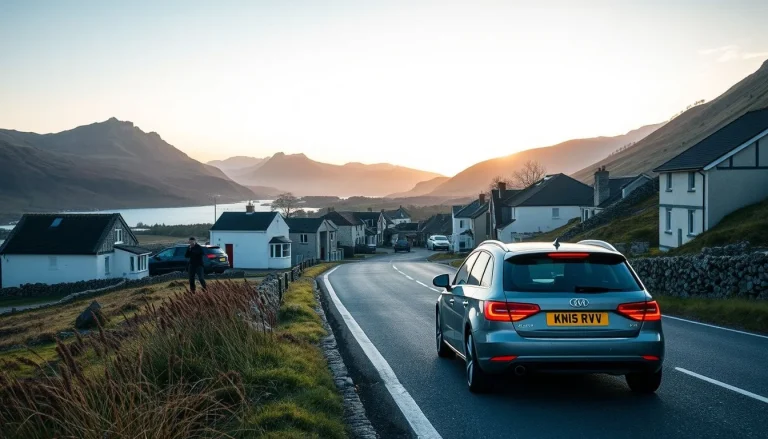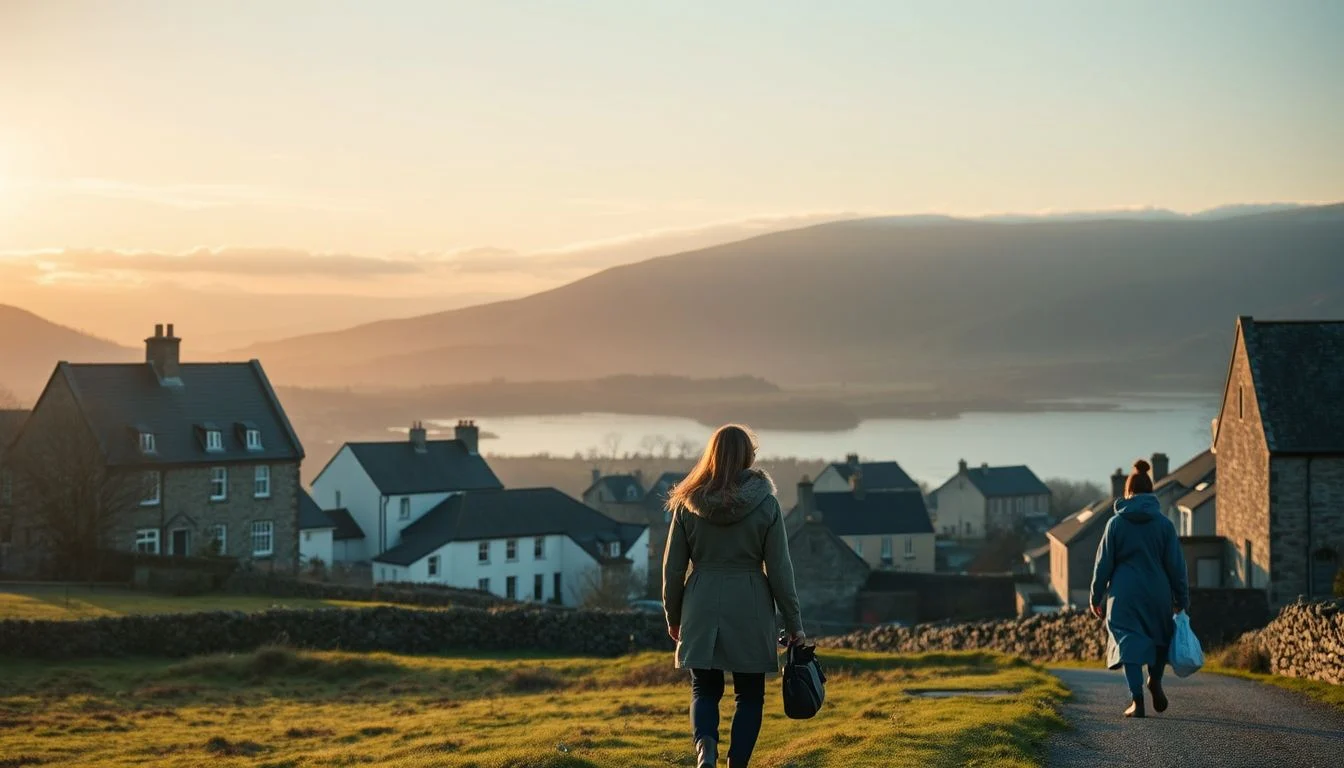
A 14-day loop can run from Edinburgh or Glasgow through Loch Lomond and the Trossachs, Glencoe, the Isle of Skye, Inverness and the Cairngorms before returning south. On the map, the route looks compact. From the driver’s seat, single-track roads, mountain weather and ferry timetables make each distance feel longer.
This two weeks in Scotland by car route suits adventure travellers who want moderate hikes alongside long scenic drives, without changing accommodation every night. It allows two exploration days on Skye, uses two- or three-night bases where possible, and keeps the more ambitious Scrabster–Stromness crossing to Orkney separate from the practical mainland loop.
Planning a Scotland self-drive itinerary means making a few trade-offs: where to collect the car, which ferry legs need early booking and how much time rural roads require. A weather day may need to replace a mountain route. That’s why this Scotland road trip itinerary 14 days can realistically hold works best when time outdoors matters more than collecting every landmark.
Quick answer: The most realistic route loops from Edinburgh or Glasgow through Loch Lomond, the west coast, Glencoe, Skye, Fort William, Inverness and the Cairngorms, with two- or three-night bases for hiking. Orkney is possible via Scrabster and Stromness, but its ferry dependency and long travel days make the mainland loop the more forgiving choice for most travellers.
Itinerary at a glance: the realistic 14-day Scotland loop
This two weeks in Scotland by car route uses Edinburgh or Glasgow as the gateway, then settles into two- or three-night bases so hiking days are not swallowed by packing and driving. Expect a mixture of main roads, scenic Highland routes and single-track sections; road conditions, traffic and ferry timings can change the rhythm.
| Day | Base | Route and driving character | Outdoor focus |
|---|---|---|---|
| 1 | Edinburgh or Glasgow | Arrival; no long drive | Old Town or riverside walk |
| 2 | Edinburgh or Glasgow | Local city travel | Arthur’s Seat or National Museum of Scotland |
| 3 | Callander or Loch Lomond | Short transfer into the park | Lochside trails and forest paths |
| 4 | Oban | Moderate west-coast drive | Optional Mull and Tobermory day |
| 5–6 | Glencoe | Scenic A82; allow stops | Signal Rock and mountain routes |
| 7–9 | Isle of Skye | Longer transfer via Skye Bridge or Mallaig–Armadale | Quiraing, Old Man of Storr and Neist Point |
| 10 | Fort William | Moderate Highland drive | Ben Nevis option or lower-level trails |
| 11–12 | Inverness | North-east transfer | Loch Ness, Black Isle or Culloden |
| 13 | Cairngorms | Manageable mainland return leg | Hiking or mountain biking |
| 14 | Edinburgh or Glasgow | Return to the airport or city | Buffer for delays |
Optional Orkney swap: replace the Cairngorms plan with the long drive to Scrabster and a NorthLink vehicle sailing to Stromness, then visit Skara Brae. It is an ambitious ferry-dependent version, not an add-on. Check CalMac and NorthLink live schedules, vehicle space and service notices before fixing the route.
Before you go: bookings, passes and arrival logistics
Sort the paperwork before collecting the car. Travellers using a non-GB licence should check the current GOV.UK guidance for their nationality and licence type, then confirm that the hire company accepts it. Scotland drives on the left, and Highland and island routes include single-track roads with passing places, so choose a driver who is comfortable with rural driving rather than simply the cheapest vehicle.
Edinburgh Airport and Glasgow Airport both work for this loop. If Edinburgh is your starting city, delay collecting the car until you leave: the Old Town is easier to explore on foot, and a parked hire car adds cost and stress. For an arrival into Glasgow, collecting at the airport can make sense if you are heading directly towards Loch Lomond. Check the rental agreement for insurance, excess, ferry permission and restrictions on vehicle size before confirming. A smaller car is easier on narrow roads, but it still needs enough luggage space for waterproofs and hiking gear.
Book summer accommodation early, particularly in Portree, Glencoe and any base that depends on a ferry connection. Two- or three-night stays are worth prioritising over a longer list of stops: they protect your hiking days when weather or road delays intervene. Before paying for an island booking, confirm the cancellation terms and how late arrival would be handled.
For Mull or the Mallaig–Armadale crossing, reserve vehicle space through CalMac’s live timetable and fares information, then check customer updates again close to departure. Sailing times can change with seasonal timetables and tidal adjustments. The same principle applies to the optional Scrabster–Stromness crossing: NorthLink vehicle space and the relevant sailing should be booked and reconfirmed through NorthLink Ferries. Do not assume a passenger booking guarantees space for a car.
There is no single pass that covers every stop on this route. Check each attraction’s official ticketing, and consider National Trust for Scotland or other heritage access only if the sites you plan to visit make it worthwhile. Download ferry confirmations, accommodation details, offline maps and emergency information before leaving reliable coverage. Finally, check the Met Office forecast and road or ferry notices each morning; western Scotland is wetter, while northern and upland areas can be colder and windier, so keep one low-level or town-based alternative ready for every major outdoor day.
Day by day: a 14-day Scotland road trip with breathing room
This two-week Scotland by car route starts gently in Edinburgh, then moves west through Loch Lomond, Glencoe and Skye before turning north through Inverness and the Cairngorms. It is designed around two- and three-night bases, with enough flexibility to replace a mountain day when wind, rain, ferry disruption or tired legs make the sensible choice a lower-level walk.
Day 1: Edinburgh without the car
Morning
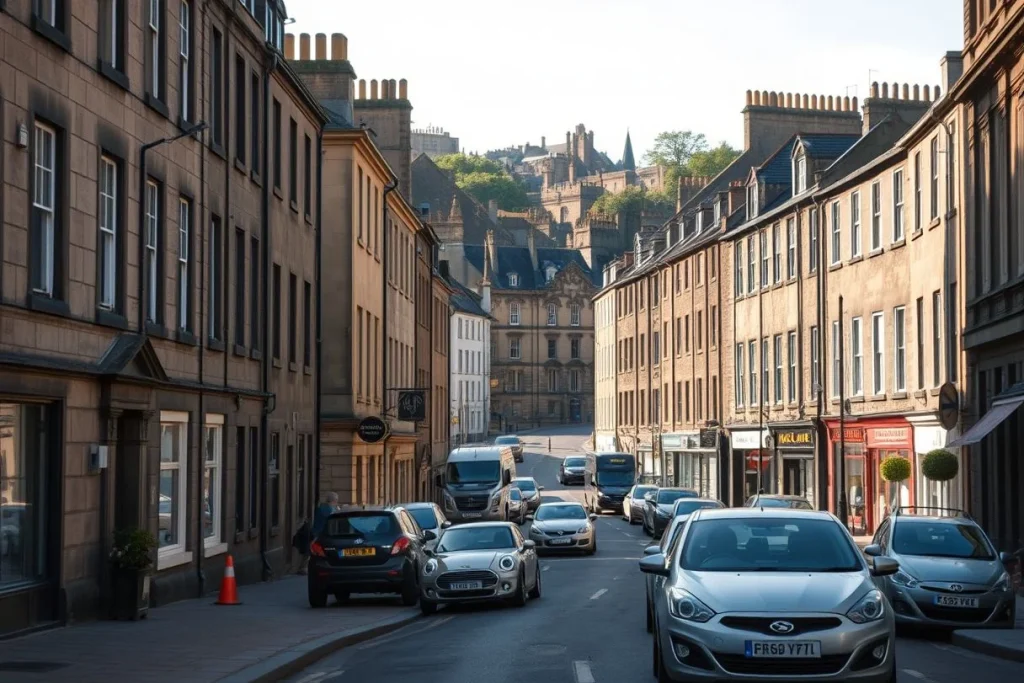
Stay car-free in the Old Town. Walk the Royal Mile at an unhurried pace, then use the National Museum of Scotland as your weather-proof anchor. Arthur’s Seat is worth adding only if you arrive early, have daylight and the ground is dry; wet rock and strong wind make it a poor arrival-day gamble.
Afternoon
Continue through the Old Town’s closes and viewpoints, keeping the afternoon loose after travel. Collecting a hire car today usually adds more stress than value, particularly around central Edinburgh.
Evening
Have an early dinner and review the next day’s route, offline maps and car-pick-up instructions. If you are arriving at Edinburgh Airport, plan the transfer separately rather than driving into the centre immediately.
Where to eat
Use a café for soup, oatcakes or a filled roll at lunch; in the evening, look for a pub serving Cullen skink, haggis or a straightforward seasonal meal.
Getting around
Walk, with local buses or trams for longer connections. No rural driving today.
Estimated time
Allow around six hours for sightseeing, with substantial time for arrival, meals and rest.
Optional extra
Skip Arthur’s Seat in poor weather and add a second museum or a longer Old Town walk instead.
Day 2: Edinburgh to Loch Lomond and the Trossachs
Morning
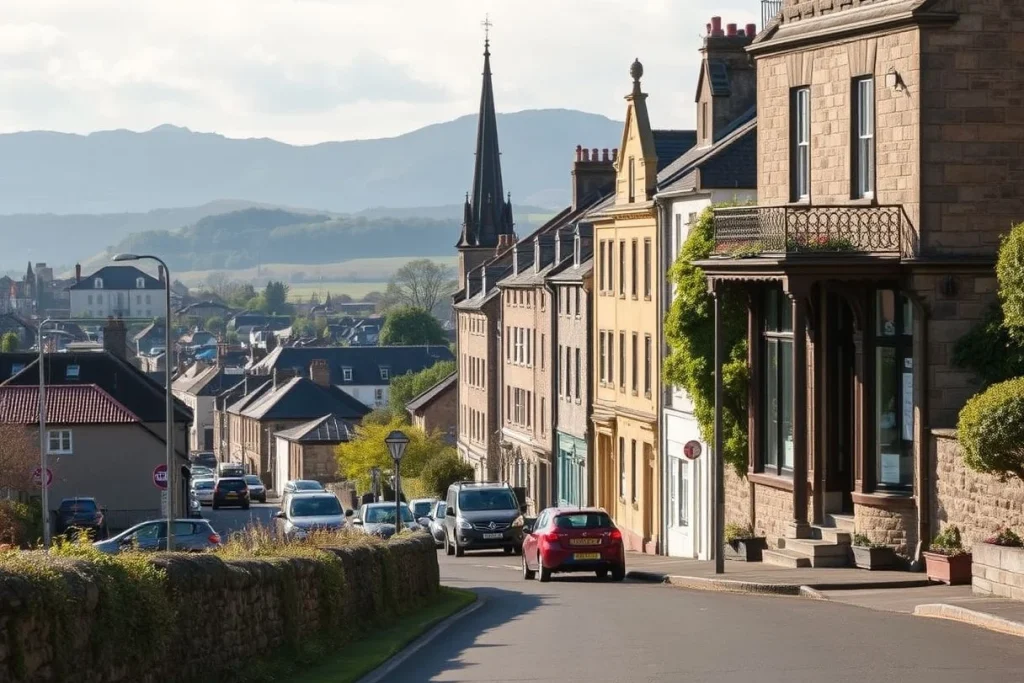
Finish any Edinburgh sightseeing, then collect the car and leave the city. Drive west via Stirling and Callander towards Loch Lomond & The Trossachs National Park. Allow more time than the road distance suggests once you reach rural routes.
Afternoon
Choose an easy lochside or forest walk near Callander, or continue towards Crianlarich if that better suits the next day. Keep this as a transition into the Highlands, not an ambitious hiking day.
Evening
Settle into a two-night base around Callander or Crianlarich. Download maps before coverage becomes unreliable and check the next day’s weather.
Where to eat
Use a local café for lunch and a pub or accommodation kitchen for dinner. Buy water, fruit and sandwiches before leaving the larger towns.
Getting around
Moderate driving, becoming slower and more winding near the lochs. Scotland drives on the left; rural roads may be single-track with passing places, as VisitScotland explains in its driving guidance.
Estimated time
Allow half a day for driving, two to three hours outdoors, and the rest for meals and settling in.
Optional extra
If energy is low, stop at Stirling rather than adding a walk.
Day 3: Loch Lomond and the Trossachs
Morning
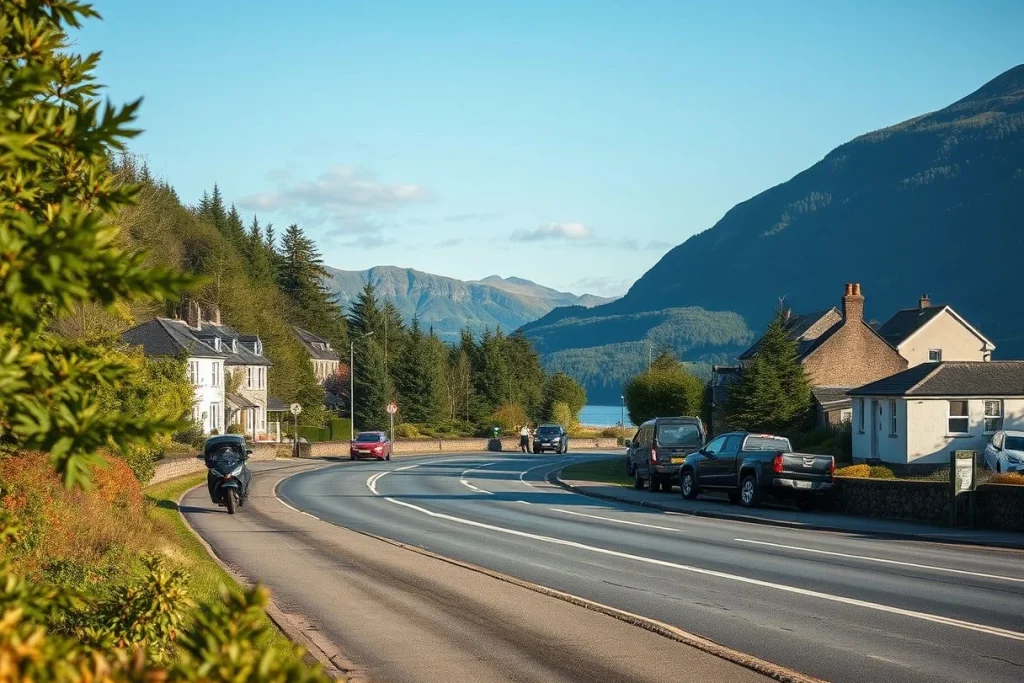
Start with a short, well-marked forest or lochside route. This is the right day to test footwear, navigation and waterproof layers before the more exposed landscapes ahead.
Afternoon
Choose a second gentle activity, such as a water-based outing or another short walk, only if the weather holds. Avoid turning the first full outdoor day into a hard mountain effort.
Evening
Return to the same base, dry kit properly and prepare a packed lunch for the west-coast drive.
Where to eat
Prioritise a café breakfast, packed lunch and an early pub dinner. Rural food options can be limited outside the main settlements.
Getting around
Short local drives, with a stop-rich pace. Use passing places only for passing: never park in them.
Estimated time
Plan three to five hours walking or on the water, with short drives and a generous weather buffer.
Optional extra
On a wet day, make this a scenic drive with brief viewpoints rather than a forced hike.
Day 4: Oban, with Mull as a deliberate alternative
Morning
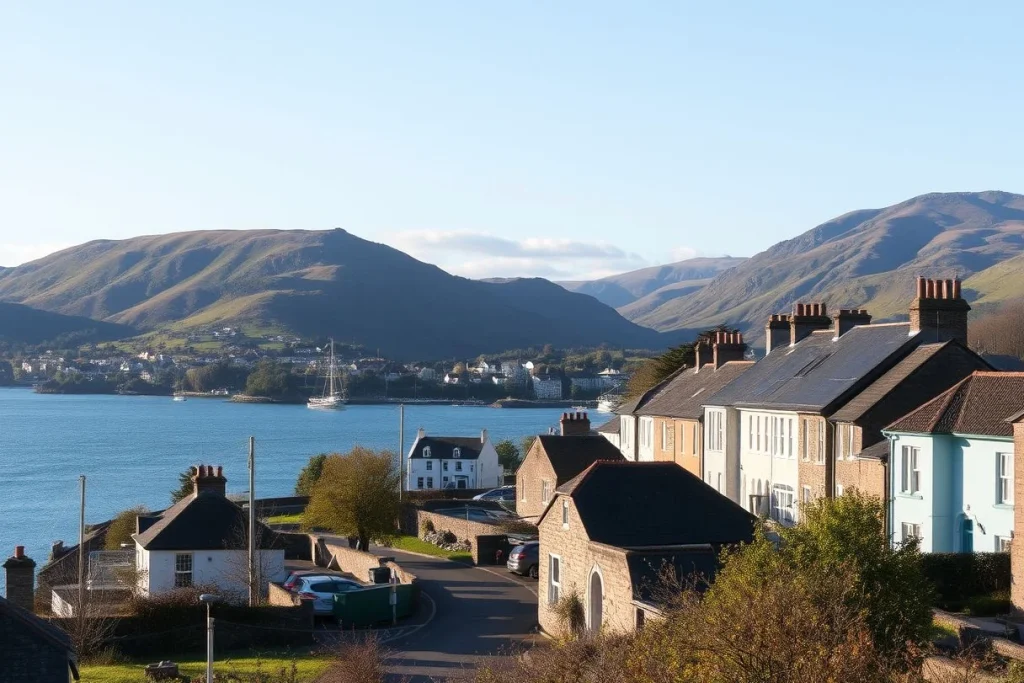
Drive west to Oban, stopping for short walks rather than trying to cover every viewpoint. Oban works well as a practical base before Glencoe and the islands.
Afternoon
Only add the Isle of Mull and Tobermory if the CalMac timetable fits cleanly and you have accepted a tighter itinerary. Check live sailings, vehicle space and tidal amendments through CalMac; a ferry cancellation can affect several later days.
Evening
Stay in Oban, or on Mull if you deliberately choose the island version. Do not combine a full Mull day with a late onward drive.
Where to eat
Look for seafood, soup, bakery food and packed-lunch supplies in Oban. On Mull, keep dinner plans flexible.
Getting around
Moderate mainland driving; the island option adds ferry dependency and vehicle-loading time.
Estimated time
Allow three to five hours driving and stops on the mainland version. The Mull version uses most of the day.
Optional extra
For a more forgiving route, omit Mull and keep the extra time for Glencoe and Skye.
Day 5: Oban to Glencoe
Morning
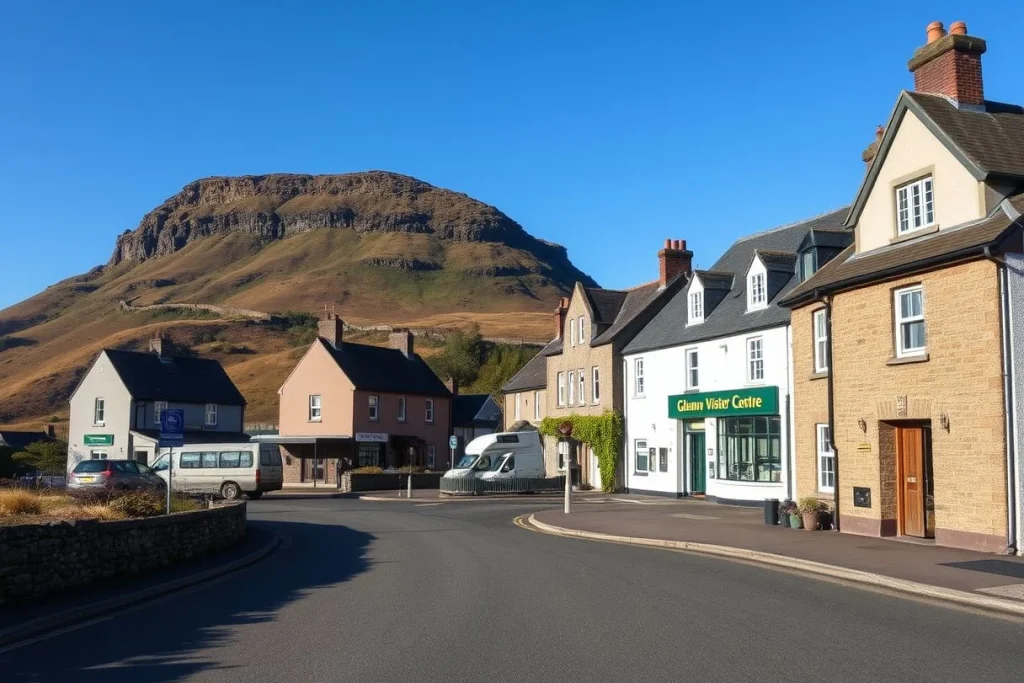
Leave Oban for Glencoe, taking time at the Glencoe Visitor Centre and Signal Rock. Short walks provide the scenery without committing to exposed mountain terrain.
Afternoon
Arrive at your Glencoe base and use the remaining daylight for a low-level route. Keep Aonach Eagach and other serious ridges out of a casual itinerary: they require suitable conditions, experience and confident scrambling.
Evening
Have an early meal and check the forecast, daylight and trail information for tomorrow.
Where to eat
Choose a pub, inn or self-catering meal, and carry snacks for the following hike.
Getting around
Short but scenic driving, with congestion and slow traffic possible at popular stops.
Estimated time
Allow three to four hours driving and stops, two hours walking, and a relaxed evening.
Optional extra
Replace the walk with viewpoints and the visitor centre if rain has made paths slippery.
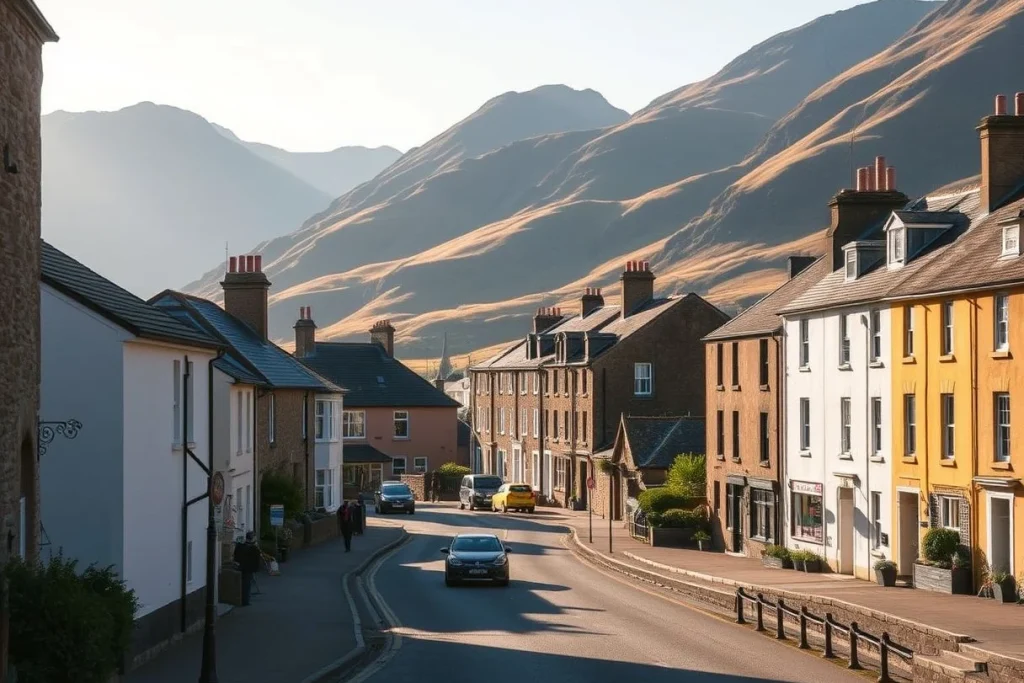
Day 6: A full Glencoe walking day
Morning
Choose one moderate route matched to your fitness and the mountain forecast. Start early for popular trailheads, carry waterproof layers, food, water and offline navigation, and turn back before conditions deteriorate.
Afternoon
Keep the second half of the day light. A low-level glen walk or scenic drive is a better recovery plan than adding another summit.
Evening
Stay a second night in Glencoe and repack for Skye.
Where to eat
Use a packed lunch on the trail, then choose a simple pub meal or cook at your accommodation.
Getting around
Minimal driving; the challenge is terrain and weather rather than transport.
Estimated time
Allow four to seven hours outdoors, plus rest and an early dinner.
Optional extra
In poor weather, visit Fort William or choose a short glen walk instead of a high route.
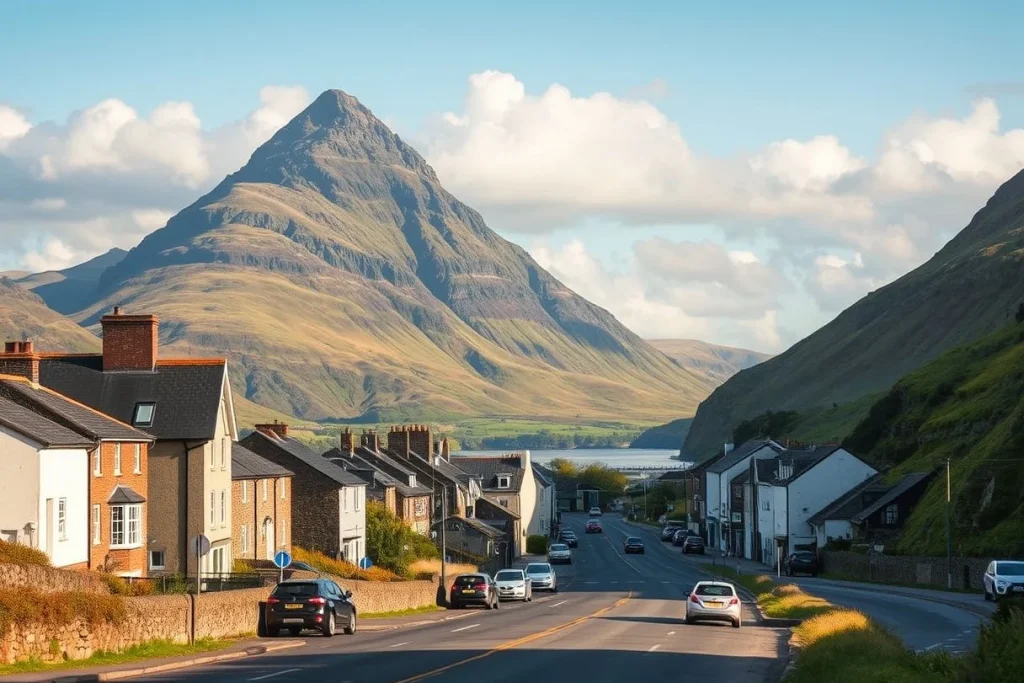
Day 7: Glencoe to Portree
Morning
Drive towards Mallaig, then choose the Skye Bridge via Kyle of Lochalsh or the CalMac Mallaig–Armadale ferry. Check the live timetable and vehicle availability before committing; seasonal and tidal changes can affect sailing times.
Afternoon
Eilean Donan Castle is a worthwhile stop only if it fits without making the arrival rushed. Continue to Portree or nearby accommodation.
Evening
Walk around Portree harbour and keep the evening quiet. Skye’s roads demand attention, particularly after a long day.
Where to eat
Buy picnic supplies before leaving the mainland and choose a local café or pub in Portree for dinner.
Getting around
Long, stop-rich driving day with possible ferry waiting. Confirm hire-car insurance permits ferry travel.
Estimated time
Expect most of the day to be transport and stops, with only a short evening walk.
Optional extra
If the ferry timetable is inconvenient, use the Skye Bridge and retain flexibility.
Day 8: Skye’s Trotternish peninsula
Morning
Pair the Old Man of Storr with the Quiraing only if conditions, fitness and daylight support it; for a relaxed day, choose one. Wind, exposure, mud and uneven ground make proper boots and waterproofs essential.
Afternoon
Allow time for the return drive and viewpoints rather than stacking every Trotternish stop into one route.
Evening
Return to Portree or your chosen base for a second night.
Where to eat
Carry lunch and snacks. Eat early, as rural options may not match your hiking schedule.
Getting around
Moderate driving on narrow roads, with little room for rushed overtaking.
Estimated time
Allow four to six hours walking and several hours for slow scenic driving.
Optional extra
Choose the Old Man of Storr alone for the simpler outing; choose the Quiraing for a longer, more exposed day.
Day 9: Skye’s western side
Morning
Explore towards Neist Point, starting early and allowing time for the approach rather than treating it as a quick photograph. Keep to marked paths near cliff edges.
Afternoon
Choose a shorter coastal walk, village stop or café if legs are tired. Do not try to circle the whole island.
Evening
Use the final Skye evening to check the route to Fort William and refuel.
Where to eat
Pack a lunch and seek seafood, soup or bakery food in a village or Portree.
Getting around
Longer local driving than Day 8, slowed by single-track sections and livestock.
Estimated time
Allow five to seven hours for driving, stops and a shorter walk.
Optional extra
In poor weather, replace Neist Point with a village-and-café day.
Day 10: Skye to Fort William
Morning
Leave Skye for Fort William, allowing generous time for the slow roads and scenic stops. This is not the day for Ben Nevis.
Afternoon
Settle into Fort William and take a gentle walk around the loch or town. Check mountain conditions and daylight before choosing tomorrow’s route.
Evening
Eat early, charge navigation devices and prepare food and layers.
Where to eat
Choose a café lunch and a pub or self-catering dinner; replenish trail snacks in town.
Getting around
Moderate-to-long driving, with scenic stops and possible slow traffic.
Estimated time
Most of the day is travel; reserve two hours for a gentle walk and recovery.
Optional extra
Visit a low-level Glen Nevis viewpoint instead of adding another attraction.
Day 11: Ben Nevis or Glen Nevis
Morning
Attempt Ben Nevis only after checking current mountain conditions, route information, fitness, daylight and clothing. It is a serious mountain day, not an extension of a viewpoint walk.
Afternoon
Allow the descent to dictate the rest of the day. Less experienced hikers should choose lower-level Glen Nevis routes instead.
Evening
Recover at the same Fort William base and avoid a late onward drive.
Where to eat
Take a substantial packed breakfast and lunch, then have an early, simple dinner.
Getting around
Little driving; substantial physical effort and variable mountain conditions.
Estimated time
A full day for Ben Nevis; three to five hours for lower-level alternatives.
Optional extra
Consider a guided mountain day if navigation, scrambling or changing weather exceeds your experience.
Day 12: Fort William to Inverness via Loch Ness</h
Where to stay: the best bases for hikers, couples and road-trippers
Choose bases that protect your hiking time
Edinburgh Old Town suits a car-free cultural start: stay near the Royal Mile or National Museum of Scotland, then collect the hire car when leaving the city. Hotels and B&Bs work well for couples; hostels suit budget travellers. For every option, confirm where the car will go before booking—central parking can add friction to the first morning.
Callander or Crianlarich makes a quieter first Highland base than driving straight to the west coast. Choose a B&B, hostel or self-catering cottage with parking and space to dry wet layers. Callander is convenient for shorter Loch Lomond and Trossachs outings; Crianlarich is better positioned for an early onward drive and longer hill days.
Oban is the practical choice for seafood, a harbour atmosphere and a possible Mull day. A hotel or B&B near town reduces evening driving, while a cottage suits families or groups carrying outdoor equipment. If you plan to take a hire car on a CalMac sailing, confirm the rental company’s permission and check the operator’s live timetable and vehicle arrangements before reserving the room.
Glencoe puts trails and mountain scenery close at hand, but accommodation is more limited than in larger towns. Book early in summer and prioritise parking, breakfast timing and a drying area. It is a strong choice for hikers; Fort William is easier for travellers who want more services, outdoor shops and a wider choice of places to eat.
Portree is the convenient Skye base for two exploration nights, while a quieter village can offer better sleep and easier parking if you accept extra driving. Look for flexible cancellation and somewhere to dry waterproofs: the Quiraing, Old Man of Storr and Neist Point are weather-dependent, so plans may move.
Inverness works for services, Culloden and Black Isle day trips. Finish in Aviemore or another Cairngorms base if hiking and mountain biking matter more than city access; self-catering cottages suit groups, while hostels and campsites keep costs down. Wild camping is not a guaranteed substitute for a reserved pitch or room: access rights come with responsibilities, and local areas may impose restrictions under the Scottish Outdoor Access Code guidance. Availability and prices change quickly in summer, so check cancellation terms and live parking, fuel and charging arrangements before committing.
Travel costs: dated fuel figures and the budget you still need to price
For two weeks in Scotland by car, fuel is the only supplied figure that can be stated responsibly here. Hire-car rates, rooms, ferry fares, meals and activities vary sharply with vehicle size, occupancy, route and season, so price the itinerary as a live trip rather than relying on a single headline total.
Estimated costs
| Estimated cost category | Budget | Mid-range | Luxury |
|---|---|---|---|
| Hire car | Check live quote | Check live quote | Check live quote |
| Accommodation, 13 nights | Check live quote | Check live quote | Check live quote |
| Petrol, approximately 2,000–2,500 km | £270–£340 | £270–£340 | £270–£340 |
| Vehicle and passenger ferries | Check live quote | Check live quote | Check live quote |
| Food | Check live prices | Check live prices | Check live prices |
| Attractions | Check live prices | Check live prices | Check live prices |
| Guided activities | Optional; check live prices | Optional; check live prices | Optional; check live prices |
Basis: 5 October 2026. The petrol estimate assumes one car using 7 L/100 km, around 140–175 litres at approximately £1.92 per litre, based on fuel.co.uk’s early-October 2026 figure; prices vary by location and date. It is a per-vehicle estimate, not a per-person cost.
For a meaningful budget, collect dated sample quotes for one representative June–August booking and one shoulder-season booking. Price 13 nights, state whether the room is shared by two people, and separate per-person costs from per-vehicle costs. Check CalMac for west-coast crossings and NorthLink Ferries for Scrabster–Stromness fares and vehicle space. Orkney adds ferry costs, another accommodation block, longer driving and more contingency exposure; the mainland Cairngorms alternative preserves flexibility. Guided mountain days are useful additions for technical or unfamiliar routes, but they are not required costs for an independent itinerary.
| Item | Budget | Mid-range | Luxury |
|---|---|---|---|
| Petrol for approximately 2,000–2,500 km of driving | £270–£340 | £270–£340 | £270–£340 |
Estimated ranges based on the sources listed below. Prices change; check with providers before booking.
Travel tips: single-track roads, ferries, weather and mountain safety
The route works best when you treat weather, ferry space and mountain conditions as moving parts rather than obstacles to overcome. Keep one flexible day in reserve, and use these habits to protect it.
- Learn the passing-place routine. Scotland drives on the left; on single-track roads, use passing places to let oncoming or faster traffic through, never park in one, and reverse to the nearest place when necessary. Allow far longer than the map distance suggests, especially with livestock, walkers and slow traffic. VisitScotland’s driving guidance explains the etiquette.
- Fill the tank before remote stretches. Download offline maps and ferry confirmations, and carry a paper map or backup navigation device: mobile coverage can disappear across the Highlands, Skye and the islands. Do the same for emergency information before leaving your accommodation.
- Build slack around every ferry. Check CalMac’s live timetable, vehicle space and service notices for Mallaig–Armadale or other west-coast crossings; seasonal and tidal changes can affect sailing times. For Orkney, confirm the vehicle booking and route with NorthLink Ferries, then keep a mainland alternative if storms or cancellation would strand the plan.
- Do not confuse access rights with permission to camp anywhere. Read the Scottish Outdoor Access Code guidance from NatureScot, check local restrictions and controlled-camping bylaws, and leave no trace. Keep away from homes and fields containing livestock, and never leave food or equipment where animals can reach it.
- Pack for a colder, wetter day than the forecast suggests. Carry waterproof layers, spare warm clothing, a headtorch, water, a first-aid kit and grippy footwear. The Met Office notes that western Scotland is wetter, while high and northern areas can be colder and windier.
- Recheck the mountain plan on the morning. Before Ben Nevis, the Quiraing, the Old Man of Storr or another exposed route, consult the Met Office and local trail or mountain-condition advice. A marked path can still involve steep ground, exposure or difficult navigation; check daylight hours in shoulder season and winter, and turn back rather than forcing a hike to meet a ferry or dinner booking.
- Pay for a guide when the margin is small. A guided day is worthwhile for navigation, winter conditions, canyoning, wildlife trips or a route beyond your experience. Independent hiking suits moderate, well-understood objectives—but only when the group can navigate and change plans confidently.
- Check your driving documents before collecting the car. Travellers with a non-GB licence should verify current GOV.UK or relevant government guidance for their nationality and licence type, and confirm the hire company’s insurance and permission before taking the vehicle on any ferry.
Conclusion: choose the mainland loop unless Orkney is the priority
For most adventure travellers, choose the mainland loop: Edinburgh or Glasgow, Loch Lomond, Glencoe, Skye, Inverness and the Cairngorms. It keeps ferry dependence limited, protects time for proper walks and gives you more options when west-coast weather or a mountain forecast changes. It also makes the final return less punishing than an itinerary built around another long crossing.
Choose Orkney instead only if the islands are a central reason for the trip. The NorthLink journey from Scrabster to Stromness adds a ferry-dependent travel day and reduces flexibility, but rewards travellers who would trade Cairngorms hiking time for Skara Brae, coastal landscapes and a more ambitious island itinerary.
Your next step is to choose the season and route version, then reserve a suitable hire car and two- or three-night accommodation bases. After that, book any required vehicle-ferry space and recheck live timetables, weather, road notices and trail conditions shortly before departure.
Frequently asked questions
Which direction is best for this Scotland driving loop?
There is no single required direction: the core route works from Edinburgh or Glasgow through Loch Lomond and the Trossachs, the west coast, Glencoe, Skye, Inverness and the Cairngorms before returning south. Choose the direction that fits your arrival airport and confirmed ferry bookings. If you include Mallaig–Armadale, check CalMac’s live timetable first, since seasonal and tidal changes can affect sailing times.
How can I adapt the route if I am travelling outside the summer season?
Keep the mainland loop, but shorten hiking days and leave more flexibility for weather, road conditions and reduced daylight. Western Scotland is wetter, while high and northern areas can be colder and windier, according to the Met Office. Recheck CalMac schedules because seasonal timetable changes may affect island crossings, and verify trail and mountain conditions before setting out.
Is a small hire car practical on Highland and island roads?
Yes, for the core route, provided you are comfortable driving on the left and using rural single-track roads. A small car still requires patience: use passing places correctly, allow substantially more time than a map suggests and expect slow traffic, livestock and mobile-coverage gaps. Check your licence requirements with GOV.UK or the relevant government authority, and confirm ferry permission with the rental company.
Which hikes are realistic alternatives to Ben Nevis, the Quiraing and the Old Man of Storr?
When conditions or fitness make those routes unsuitable, use lower-mileage days around Loch Lomond and the Trossachs, Glencoe, the Black Isle or Culloden instead of forcing a summit or exposed ridge. The route also allows shorter outdoor activities near these bases. Check current trail conditions and local safety advice before every hike; the Met Office notes that Highland weather can change quickly.
How do I manage a ferry cancellation or a missed sailing?
Build a mainland fallback into every island day. If the Mallaig–Armadale crossing is disrupted, use the Skye Bridge where your route and booking allow; for Orkney, accept that NorthLink’s vehicle sailing dependency may require changing the plan rather than continuing on schedule. Check CalMac or NorthLink service notices, timetables and vehicle availability before departure and again close to travel.
Would a guided day or activity improve this self-drive itinerary?
It can be a sensible choice for a serious mountain route or a day when rapidly changing weather makes navigation and judgement more demanding. Independent travel suits the lower-mileage bases and flexible alternatives, particularly when road or ferry disruption changes the plan. Keep the choice conditional: verify mountain conditions and local safety advice, and do not treat a guide as a substitute for suitable clothing, navigation or fitness.