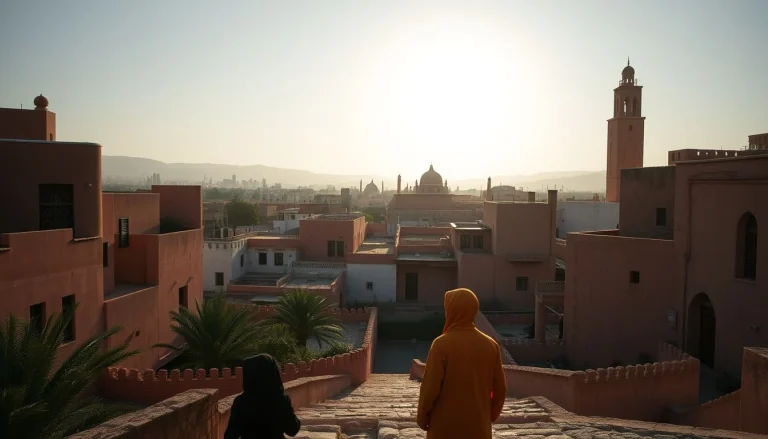
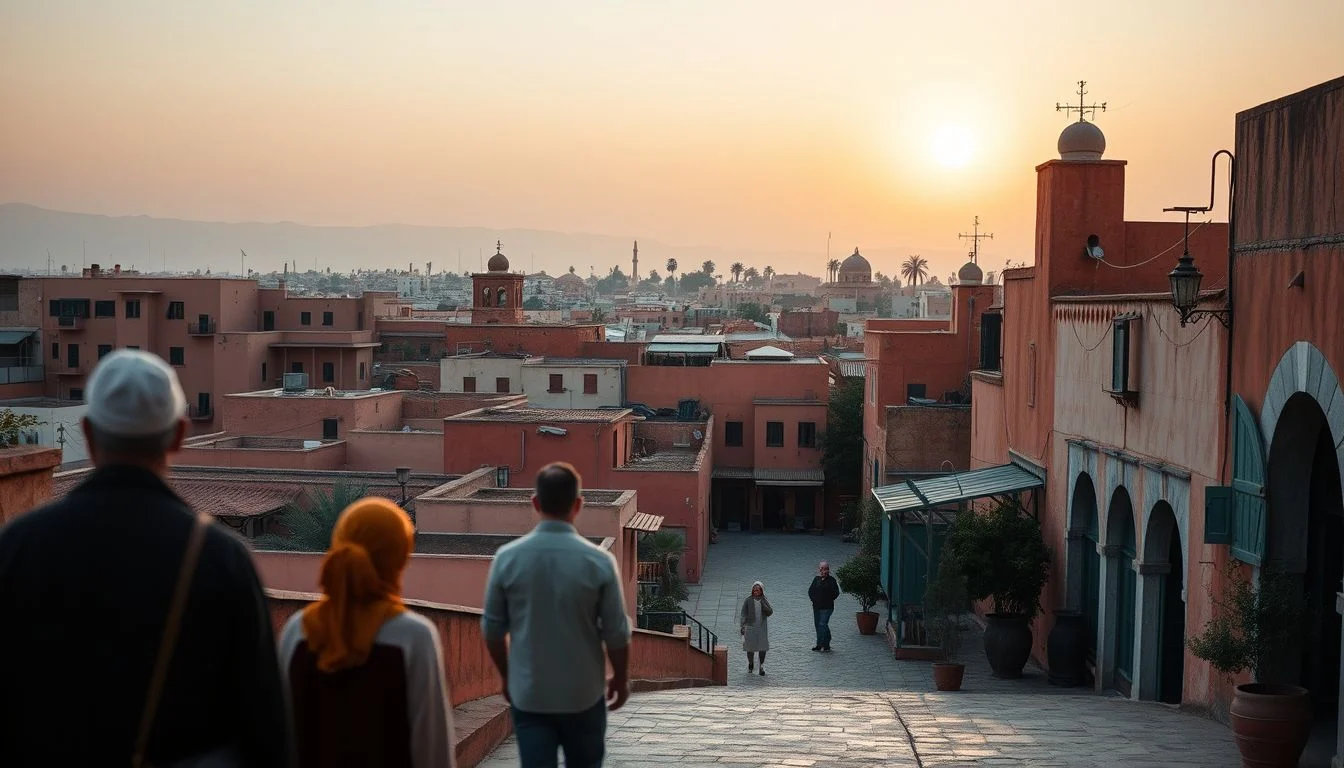
At dusk, Jemaa el-Fnaa fills with food stalls, performers and rooftop viewpoints as the Marrakech Medina turns into the city’s most atmospheric meeting place. It is the natural starting point for the best things to do in Marrakech, but the square makes more sense when paired with the souks, historic palaces and a quieter garden or hammam.
This first-timer plan helps you shape 48 or 72 hours around your pace: keep a two-day visit mainly in Marrakech, then use a third day for either the High Atlas near Imlil or the Atlantic coast at Essaouira. You’ll find clear choices for culture and architecture, shopping, relaxation, food and light adventure, plus the practical details that make the city easier to navigate: licensed guides, cash in Moroccan dirhams, timed entry, registered transfers and respectful dress. The aim is a confident Marrakech itinerary, not a race through every attraction.
Quick answer: Prioritise Jemaa el-Fnaa after dark, a licensed Medina souk tour, Jardin Majorelle with the Musée Yves Saint Laurent, Bahia Palace, the Saadian Tombs and a traditional hammam. With 72 hours, add either an Imlil and High Atlas day trip or a full-day Essaouira visit; with 48 hours, stay mainly in Marrakech.
Quick overview: the best Marrakech experiences by traveller type
Use the following as a simple filter rather than trying to fit every Marrakech attraction into one short stay. The Medina is the centre of gravity; the choice is what you add around it.
| Traveller type | Prioritise | Best fit and trade-off |
|---|---|---|
| First-time essentials | Jemaa el-Fnaa, the Medina souks, Bahia Palace and the Saadian Tombs | The clearest introduction to Marrakech’s evening life, craft traditions and palace architecture. Expect uneven, narrow streets and allow time to walk rather than rush between sites. |
| Culture and design | Jardin Majorelle with the Musée Yves Saint Laurent | A strong pairing for garden, fashion and design interests. Check the official visitor information and book timed entry before travelling, as schedules and availability can change. |
| Relaxation | A traditional hammam and spa ritual | Best placed after a busy day in the souks. Choose between a more straightforward medina hammam and a private spa treatment; confirm what is included and the gender arrangements in advance. |
| Mountains and walking | Imlil and the High Atlas | The strongest nearby nature option, with guided walks ranging from light outings to longer treks. It suits a 72-hour visit better than a tight weekend because the drive takes approximately 75–90 minutes each way. |
| Coast and slower pace | Essaouira | A full-day change of scene with an Atlantic-facing medina, seafood and wind-sport activity. At approximately 2–2.5 hours by road each way, it is a substantial trade-off against time in Marrakech. |
| Easy sunset outing | The Palmeraie or Agafay | Convenient for a short excursion, camel ride or desert-like landscape without committing to a full day away. Check the operator’s transport, safety standards and animal-welfare practices carefully. |
For 48 hours: keep the plan mainly within Marrakech: combine the souks and Jemaa el-Fnaa, the palaces, the garden-and-design pairing, and a hammam. For 72 hours: add one excursion only. Choose Imlil for mountain scenery and walking, or Essaouira for the coast; trying to include both would leave little time for the city itself.
The best things to do in Marrakech: 8 experiences worth your time
1. Jemaa el-Fnaa after dark
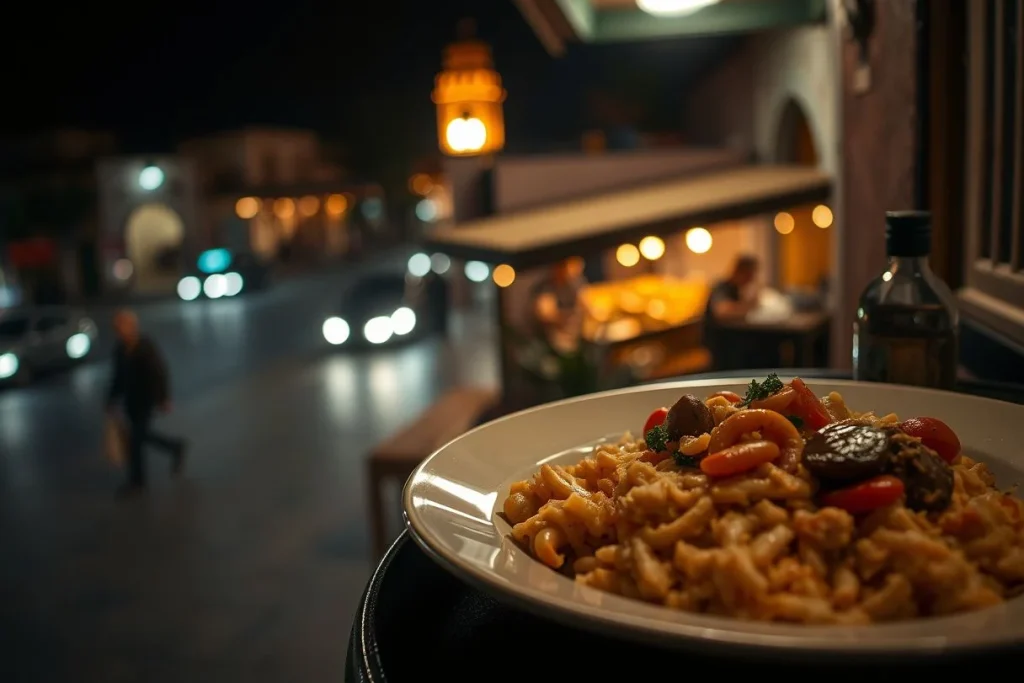
Give your first Marrakech evening to Jemaa el-Fnaa, the city’s central square, when food stalls, performers and rooftop viewpoints create the most immediate introduction to the Medina. It suits first-time visitors, photographers and travellers who want atmosphere without committing to a full excursion.
Allow an evening, arriving before you are hungry so you can compare food stalls rather than choosing under pressure. A rooftop visit or guided food experience ranges from approximately 150 MAD at the budget end to 300–500 MAD mid-range and up to around 700 MAD for more elaborate inclusions, according to 2026 reporting from MoroccoMag. Use sensible judgement with food and drink: choose busy stalls with good turnover, keep valuables discreet, and note that the UK Foreign Office’s Morocco advice, updated 30 September 2026, warns of methanol poisoning from adulterated alcoholic drinks. A rooftop table gives you a calmer view; the square itself is noisier and more crowded.
2. Medina souks with a licensed guide
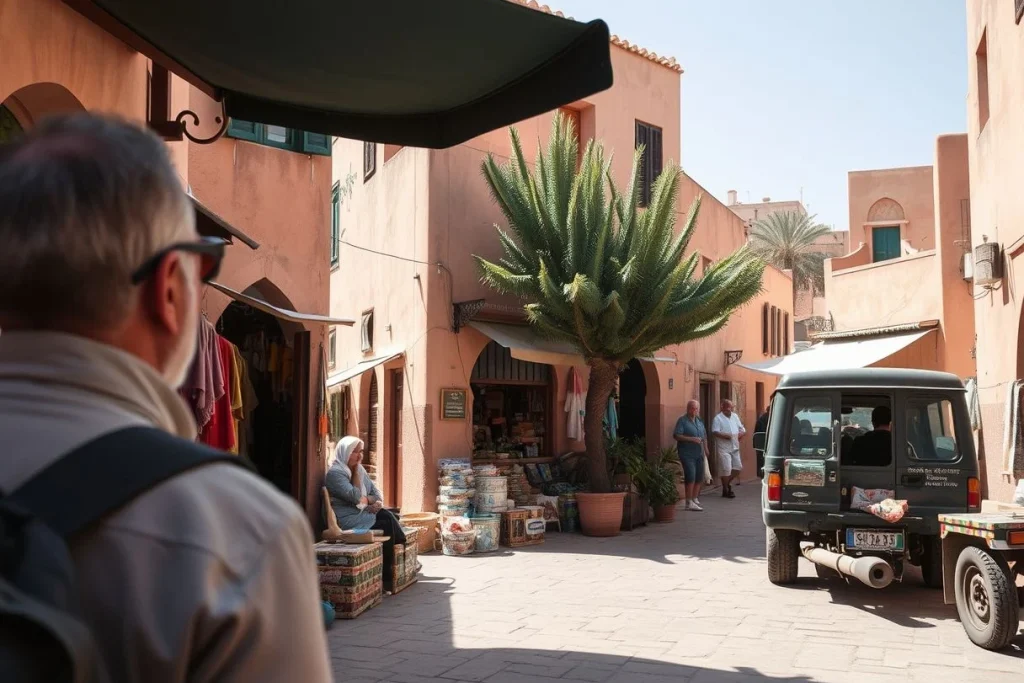
The souks are a network of craft and trading lanes rather than one single market. A licensed guide helps you understand the difference between leatherwork, woven goods, metalwork and spices, while keeping a first visit from becoming an exhausting sequence of wrong turns.
Plan a half day. Guided Medina or souk tours cost around 300 MAD at budget level, approximately 500–700 MAD mid-range and up to about 900 MAD for a private or more polished experience, based on 2026 reporting from MoroccoMag. Bargaining is part of the shopping culture, but set a price before accepting help, transport or a service. Avoid anyone who approaches as an unofficial guide; the UK Foreign Office’s advice, updated 30 September 2026, specifically warns about bogus tourist guides and scams. This is the strongest choice for shoppers and nervous first-time visitors; independent wandering suits confident travellers who accept a slower, less predictable route.
3. Jardin Majorelle and Musée Yves Saint Laurent
Pair the blue-painted Jardin Majorelle with the Musée Yves Saint Laurent for a quieter counterpoint to the Medina. The garden suits photographers and travellers interested in plants and colour; the museum adds fashion, design and the Marrakech connection of Yves Saint Laurent.
Allow several hours including the journey between the two sites, and book the pairing around timed entry rather than trying to fit it casually between palace visits. Jardin Majorelle and the Musée Yves Saint Laurent publish visitor information and recommend checking live schedules and reserving timed entry; the available brochure is older, so confirm opening days, hours, ticket rules and availability on the official Jardin Majorelle website before travelling. Accessibility also needs checking directly: the Medina’s narrow, uneven streets can make access difficult, as noted in the garden’s visitor information. This is a good half-day for design-led sightseeing, but less rewarding if your priority is markets or historic architecture.
4. Bahia Palace, Saadian Tombs and Koutoubia Mosque
These three sights make a coherent historic walk. Bahia Palace offers courtyards, painted ceilings and palace ornament; the Saadian Tombs provide a more compact encounter with royal history; Koutoubia Mosque anchors the skyline with its distinctive minaret.
Allow a substantial half day, especially if you walk between the sites and pause for photographs. Check current admission prices and opening schedules for Bahia Palace and the Saadian Tombs before setting out, since these details change. Koutoubia is an active mosque: non-Muslim visitors may view the exterior and minaret but cannot enter the prayer areas. The combination suits visitors who want Marrakech sightseeing with a clear historical thread, while families may prefer selecting two stops rather than rushing through all three. Dress respectfully around religious sites and avoid treating entrances or worshippers as photo props.
5. A traditional hammam or spa ritual
A hammam is both a wash ritual and a chance to slow down after the Medina’s noise. Public or Medina hammams are the more local, stripped-back option; private spas usually offer more privacy, clearer treatment menus and a more controlled setting for a first visit.
Allow roughly two hours once changing, treatment and rest are included, and check the venue’s hygiene standards, inclusions and gender arrangements before booking. 2026 reporting from Marrakech Private Collection places a traditional hammam or spa ritual at approximately 250–500 MAD for budget options, 650–1,200 MAD for mid-range treatments and around 1,700 MAD or more for luxury rituals. Ask what the price covers rather than assuming massage, scrub, products or transfers are included. Wellness travellers will appreciate booking this after a busy sightseeing day; anyone uncomfortable with shared facilities should choose a private treatment.
6. Imlil and the High Atlas
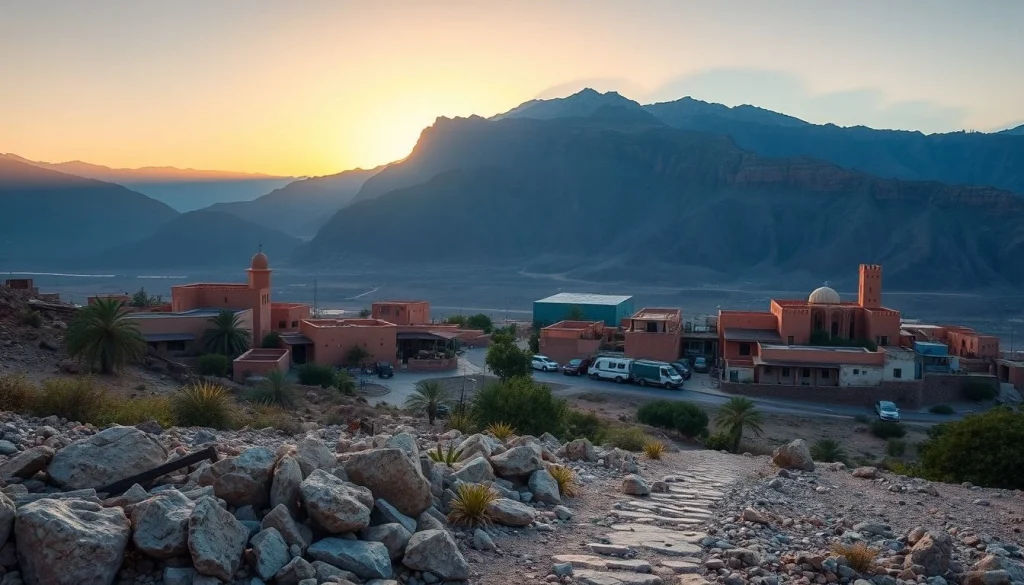
Imlil is the most practical nearby choice for mountain scenery, village walking and a taste of High Atlas landscapes. It lies approximately 75–90 minutes from Marrakech by car and offers guided outings from light walks to longer treks, according to Must See Morocco.
Reserve a full day and agree the route honestly with your guide: a gentle village walk is very different from a demanding mountain trek. Reported 2026 prices range from approximately 400 MAD for basic or shared arrangements to 800–1,500 MAD for mid-range options and up to around 2,600 MAD per private vehicle; check whether transfers, a guide, lunch and walks are included. Recheck road and weather conditions before departure, particularly in winter, when mountain conditions can be colder and snow may affect plans. Imlil suits hikers and visitors seeking a strong change of scenery; it is a poor fit for a short 48-hour visit or anyone who dislikes long road transfers.
7. Essaouira for a full coastal day
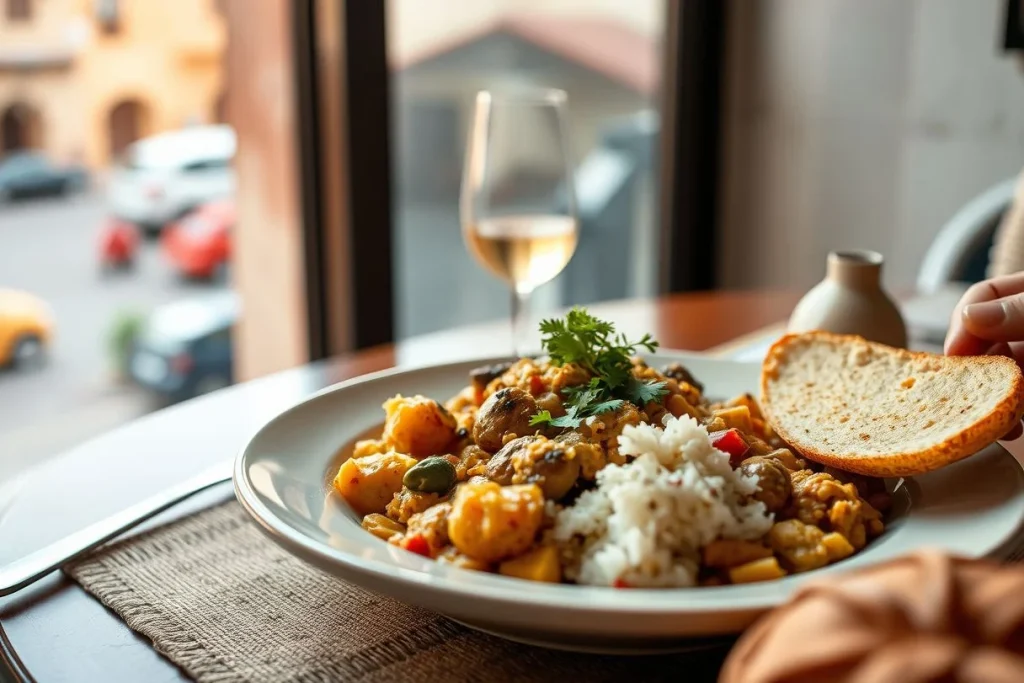
Essaouira supplies the clearest contrast with Marrakech: a relaxed coastal medina, Atlantic air, seafood and opportunities for wind-sport activity. It is appealing when you have already seen the city’s main sights and want a slower day by the water rather than another palace or market.
The road journey takes approximately 2–2.5 hours each way, so treat Essaouira as a full-day excursion, not a quick add-on; MoroccoMag gives the same broad travel estimate. Compare the total journey time with your interest in the coast before booking. A private vehicle gives more control over departure and return, while a shared excursion may be simpler but less flexible; confirm the operator, inclusions and live price directly. This is best for travellers with 72 hours, seafood lovers and visitors who dislike intense Medina shopping. It is not the sensible choice if your priority is adding more Marrakech attractions.
8. Palmeraie camel ride or Agafay excursion
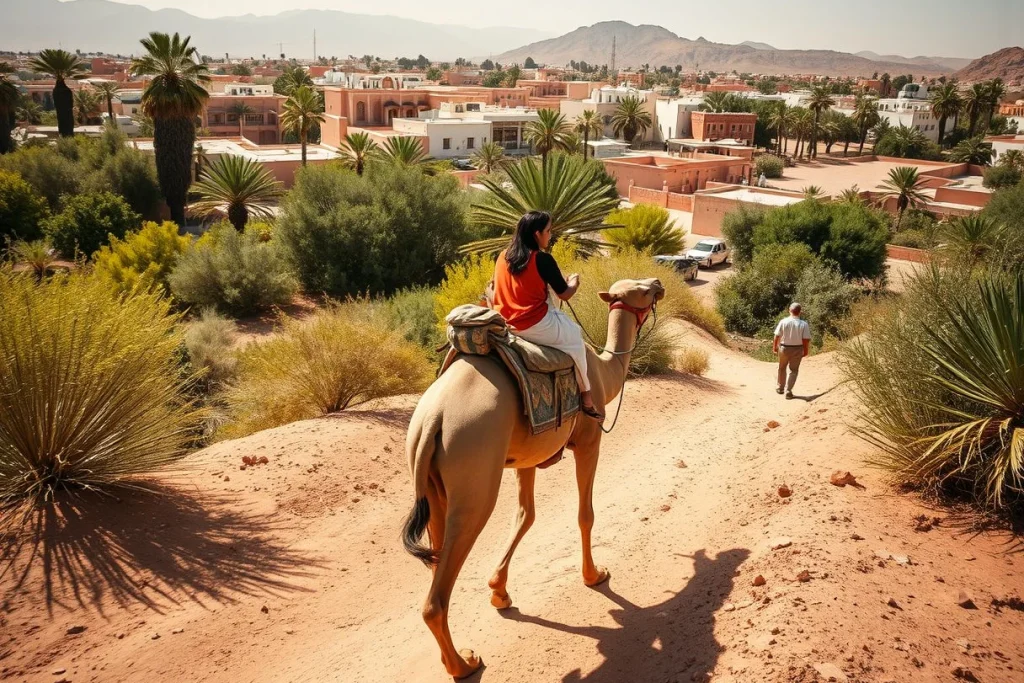
The Palmeraie and Agafay offer convenient short outings when you want open space, sunset scenery or a camel ride without giving up a full city day. Agafay is desert-like terrain, not the Sahara, while the Palmeraie is a palm-growing area close to Marrakech; choose based on the landscape and activity rather than calling either a true desert.
Allow an afternoon or evening, depending on the excursion, and inspect the operator before paying. Ask how animals are handled, whether helmets and safety equipment are supplied for quad biking, who supervises the activity, and what transport and food are included. The UK Foreign Office’s Morocco advice, updated 30 September 2026, warns travellers about scams and credit-card fraud, so use registered providers, keep payment records and agree the service and price in advance. This suits families and visitors wanting a straightforward countryside outing, but it is less compelling than Imlil for serious walkers and less distinctive than Essaouira for a full extra day.
Planning tips for a confident 48–72-hour Marrakech itinerary
The easiest way to plan Marrakech is to group sights by area and leave the hottest part of the day flexible. A 48-hour visit should stay within the city; with 72 hours, add one full-day excursion, not two. Spring, from March to May, and autumn, from September to November, are generally the most comfortable periods for sightseeing. June to August can make long walks tiring, while December is a peak month. In winter, the High Atlas can be cool and potentially snowy, so check conditions before booking a mountain trip.
A realistic 48-hour Marrakech itinerary
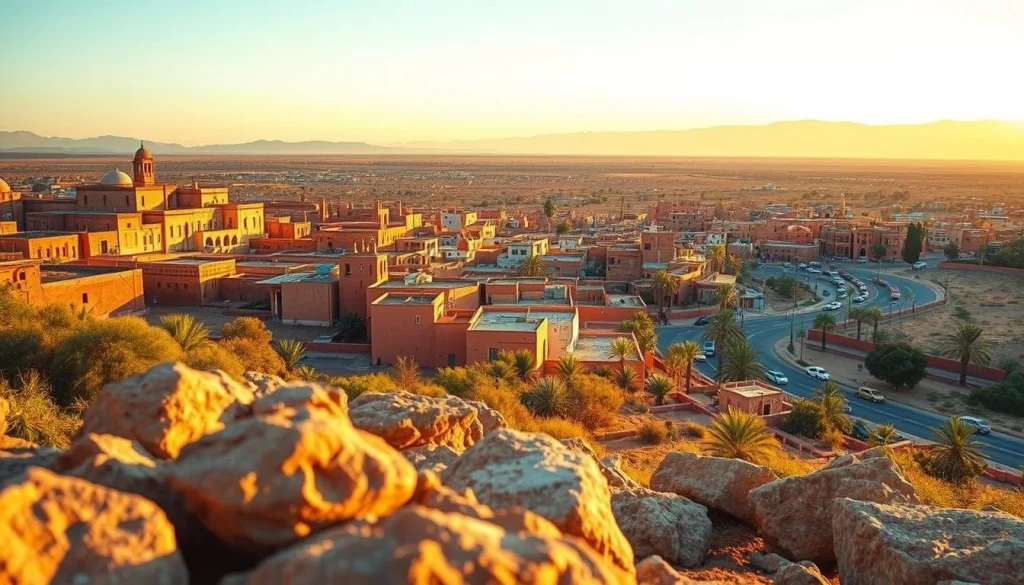
On arrival day, keep the plan light. Settle into your accommodation, orient yourself around the Marrakech Medina, then head to Jemaa el-Fnaa around sunset and stay after dark for the food stalls, rooftop views and changing atmosphere. This gives you a memorable first evening without committing to a long guided activity while you are still finding your bearings.
Use the following morning for either Jardin Majorelle and the Musée Yves Saint Laurent or the Bahia Palace and Saadian Tombs. The garden and museum suit visitors interested in design, photography and fashion; the palaces are the better choice for courtyards, tilework and Marrakech’s royal history. Take a midday indoor or spa break, especially between June and August, then explore the Medina souks with a licensed guide in the afternoon. Finish with a hammam, allowing enough time to return to your accommodation and change before dinner.
Do not try to combine every major sight in one morning. The Medina’s narrow, uneven streets slow the pace and can be difficult for wheelchairs; assess accessibility with each attraction and operator directly. A folded map or offline map is useful, but a licensed guide is more practical for the souks if you want context, help with directions and a clear end point.
How to use a third day
Choose between the High Atlas and the Atlantic coast according to the kind of contrast you want. Imlil is approximately 75–90 minutes from Marrakech by car and offers guided walks from light village outings to longer treks. It is the stronger choice for mountain scenery, walking and a more active day, but winter weather can change conditions and the route should be matched to your fitness and footwear.
Essaouira is approximately 2–2.5 hours west by road, making it a full-day excursion rather than a quick add-on. Choose it for a slower coastal day around the medina, Atlantic air, seafood, beaches and wind-sport activity. The transfer takes a significant part of the day, so it is less suitable if your priority is seeing more Marrakech attractions.
Palmeraie or Agafay can work when you want a shorter desert-style outing, sunset scenery or a camel ride without giving up an entire day. Check the operator’s transport, safety arrangements and animal-welfare standards before booking; a low price is not useful if the inclusions and return arrangements are unclear.
Book these before departure
- Jardin Majorelle and Musée Yves Saint Laurent: check the official visitor information and book timed entry where required. The venues advise checking live schedules; older published brochures may no longer reflect current opening days, hours or ticket arrangements. Use the official Jardin Majorelle visitor information as a starting point, then confirm details on the current official website.
- Hammam: reserve a reputable venue if you want a private spa ritual or a particular treatment. Confirm the current price, what is included, hygiene arrangements, treatment duration and whether bathing areas are separated by gender. Traditional public or Medina hammams and private spas offer different levels of comfort and privacy.
- Guides and day trips: use a licensed guide and a registered operator. Confirm whether the quoted service includes transfers, meals, entrance fees, walking time and a return to your accommodation, rather than assuming the headline price covers everything.
- Airport arrival: arrange a pre-booked transfer or use the registered taxi desks at Marrakech Menara Airport. Keep the booking confirmation and accommodation address accessible offline.
Money, entry and everyday etiquette
Check Morocco’s entry rules with Moroccan authorities for your nationality before travelling; many nationalities can enter visa-free for tourism for up to 90 days, but this is not universal. Also verify passport-validity requirements rather than relying on advice written for another nationality. The GOV.UK Foreign travel advice, updated 30 September 2026, is a useful additional reference, not a substitute for your own government and Moroccan authorities.
Arrange an eSIM or local SIM from a reputable provider, and keep the accommodation address saved in Arabic or French as well as English. Carry Moroccan dirhams for souk stalls and small transport providers; larger hotels and venues may accept cards, but a card should be backup rather than your only payment method. Keep small notes available and agree prices before a service begins.
Dress respectfully when visiting religious places, ask before photographing people, and treat bargaining as normal rather than obligatory. Official travel advice warns of petty crime, bogus guides, scams and card fraud, so keep valuables discreet and use registered providers. It also warns about methanol poisoning from adulterated alcoholic drinks: avoid alcohol from uncertain sources and choose established venues. Recheck attraction schedules, prices, entry rules, weather, road conditions and operator details shortly before travel.
Getting around Marrakech: walking, taxis and day-trip transport
Walking through the Medina
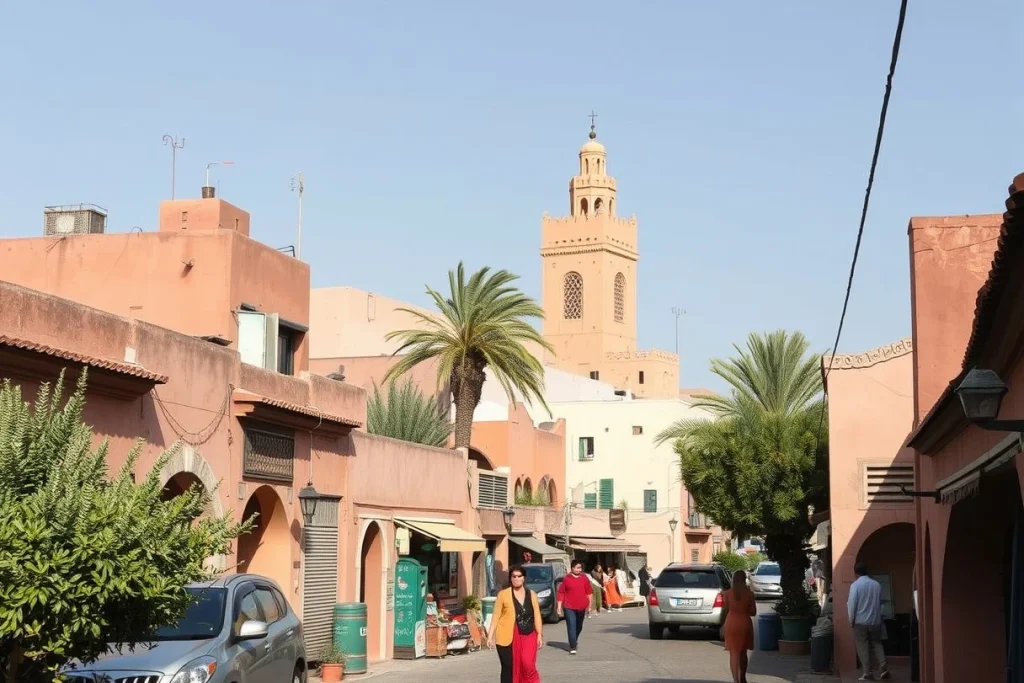
For Marrakech sightseeing inside the Medina, walking is usually the most practical choice. The lanes around the souks, Jemaa el-Fnaa and the historic palaces are narrow and uneven, with scooters and pedestrians sharing limited space, so wear closed, comfortable shoes and keep your phone and wallet out of sight.
Plan journeys by meeting point rather than by a precise street address. Ask your riad where a taxi can stop, then walk the final stretch; some accommodation entrances are not reachable by car. The Medina can also be difficult for wheelchairs and pushchairs, so confirm access directly with the riad, attraction or guide before booking.
Petite taxis for short city journeys
Petite taxis are useful for trips between the Medina and areas such as Gueliz or Hivernage, where vehicles can generally reach a clear roadside destination more easily than an inner-Medina lane. Ask the driver to use the meter where applicable, or agree the fare before setting off; do not assume that a quoted price includes luggage or extra stops.
Keep the destination written in French or Arabic if possible, and have the name of your hotel or a nearby landmark ready. Official travel advice from GOV.UK, updated 30 September 2026, warns about scams and credit-card fraud, so use cash for small taxi journeys and avoid handing over a card to an unfamiliar provider.
Arriving from Marrakech Menara Airport
At Marrakech Menara Airport, use a registered taxi desk or a pre-booked transfer rather than accepting an unsolicited offer in the terminal or car park. The airport has official taxi and transfer options, but arrangements and fares can change, so check the airport’s current guidance and confirm where your driver will meet you before travelling.
A pre-booked transfer is particularly worthwhile for a late arrival, a first visit, substantial luggage or a riad deep inside the Medina. Ask your accommodation for the nearest vehicle-accessible drop-off point; the driver may not be able to reach the door.
Transport for day trips
For Imlil and the High Atlas, a private driver is useful when you want an early start, a particular walking route or flexibility around stops. Imlil is approximately 75–90 minutes from Marrakech by car, according to destination guidance, while Essaouira takes approximately 2–2.5 hours each way and is best treated as a full-day excursion. A shared excursion usually costs less, but brings a fixed departure, pickup route and itinerary; check whether transfers, a guide, lunch and walks are included.
For Agafay or the Palmeraie, compare the operator’s vehicle arrangements, insurance and animal-welfare policy before paying. Mountain roads and weather can change, especially in winter, so verify conditions shortly before departure.
Trains beyond Marrakech
ONCF rail services connect Marrakech with major Moroccan cities including Casablanca, Fes and Rabat. Check the current timetable and any service changes directly with ONCF before booking; do not build a tight airport or tour connection around an unverified departure time.
Conclusion: choose your one Marrakech highlight beyond the Medina
For most first-time visitors, a two-day Marrakech itinerary is enough to build a clear impression without rushing: spend one evening at Jemaa el-Fnaa, take a licensed guided walk through the Medina souks, pair either Jardin Majorelle with the Musée Yves Saint Laurent or Bahia Palace with the Saadian Tombs, and leave time for a hammam.
With a third day, choose one contrast rather than attempting both. Pick Imlil and the High Atlas for mountain air and walking, or Essaouira for the coast and a slower medina. Imlil suits active travellers; Essaouira is the easier choice if you want a full day with less hiking.
Before departure, check your entry requirements and live attraction schedules, reserve timed tickets and any guide or excursion, arrange airport transport, and save your accommodation details, route and key contacts offline. That preparation leaves the Medina open for discovery without making the trip feel improvised.
Frequently asked questions
Is Marrakech suitable for a first solo trip?
It can be manageable for a confident solo traveller, but plan with care: GOV.UK Foreign travel advice, updated 30 September 2026, warns of petty crime, occasional violent incidents, bogus tourist guides, scams and credit-card fraud. Use registered transport, licensed guides, keep valuables discreet and agree prices before services begin. For a first visit, a guided Medina tour can reduce the uncertainty of navigating narrow streets.
Should I stay in the Medina, Gueliz or Hivernage for a short visit?
The available sources do not provide enough verified detail to rank these neighbourhoods by accommodation quality, price or transport convenience. Choose by checking the exact address, airport-transfer arrangements and walking access to your planned sights. The Medina has narrow, uneven streets that can be difficult for wheelchairs, so confirm accessibility directly with the property and venue before booking, as advised by jardinmajorelle.com.
What should I wear while sightseeing in Marrakech?
The supplied sources do not specify a formal dress code for Marrakech sightseeing. Check current guidance from GOV.UK Foreign travel advice and Moroccan authorities before departure, then confirm any venue-specific requirements, particularly for religious sites. Koutoubia Mosque is an active mosque: non-Muslim visitors may view its exterior and minaret but cannot enter the prayer areas, according to the cited reference source.
Can I take photographs in the souks and around Jemaa el-Fnaa?
The supplied sources do not confirm photography rules for the Medina souks, Jemaa el-Fnaa or individual performers. Ask before photographing people, stalls or performances, and follow any request not to take a picture. Keep your camera and phone discreetly secured: GOV.UK Foreign travel advice, updated 30 September 2026, warns about petty crime, scams and credit-card fraud in Morocco.
Is a desert excursion realistic during a 48-hour visit?
A short Palmeraie or Agafay outing is listed as a possible Marrakech experience, but the supplied sources do not give a verified duration or current transport schedule. With only 48 hours, the recommended plan is to focus mainly on Marrakech itself rather than spend a full day away. If you choose an excursion, check the operator’s itinerary, transport, safety arrangements and animal-welfare standards before booking.
What shoes and day-bag essentials should I pack for Marrakech?
The sources do not provide a prescribed packing list. Practical choices should reflect the Medina’s narrow, uneven streets, which jardinmajorelle.com notes can be difficult for wheelchairs; check venue access directly if mobility is a concern. Carry only what you need, keep valuables discreet and have Moroccan dirham cash available, since many souk stalls and small transport providers require it, according to MoroccoMag.