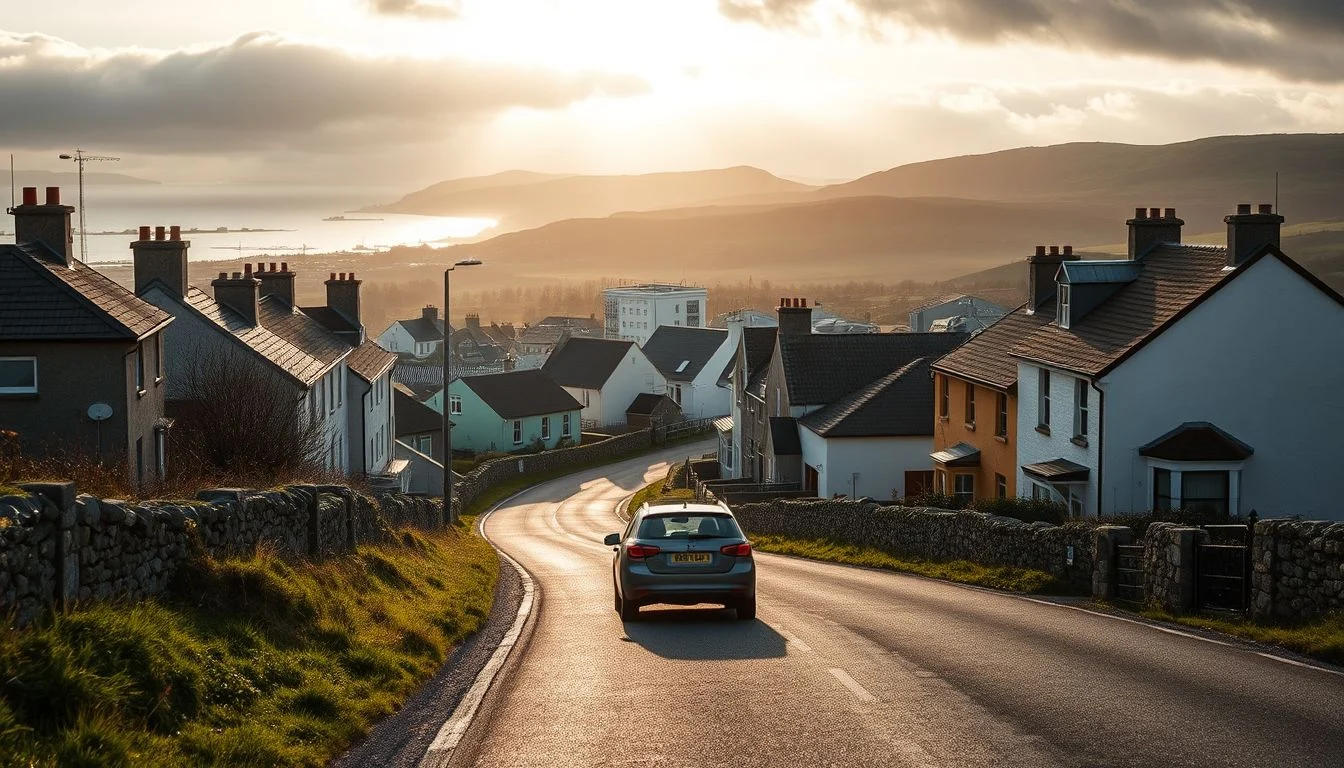
The signed Wild Atlantic Way runs from Kinsale in County Cork to Malin Head in Donegal’s Inishowen, tracing approximately 2,500–2,600 km of Ireland’s western seaboard. Its official route sections and more than 159 Discovery Points include harbour towns, cliff edges and peninsulas where a short map distance can take much longer on narrow, winding roads.
This guide is for couples choosing between a highlights-led 10-day Ireland road trip itinerary and a slower 14-day version with time for scenic dinners, walkable bases and weather-flexible days. It sets out a south-to-north route through West Cork, Kerry, Dingle, Clare, Connemara, Sligo and Donegal, while separating realistic pacing from the attractions and costs that need checking close to departure.
Quick answer: The Wild Atlantic Way links Kinsale with Malin Head/Inishowen and is approximately 2,500–2,600 km long, so 10 days suits a focused trip to the main highlights, while 14 days allows a more relaxed pace for couples. A practical route runs south to north through West Cork, Kerry, Dingle, Clare, Connemara, Sligo and Donegal, with extra time needed because many coastal roads are narrow and winding.
Route overview: how much of the coast fits into 10–14 days?
The useful distinction is not how much coastline can be traced on a map, but how much time you want to spend outside the car. The signed Wild Atlantic Way is divided into official sections and includes more than 159 Discovery Points, so even a fortnight cannot mean stopping at every marker. Use the current Fáilte Ireland route material and Discover Ireland guidance to check the latest section details and distances.
| Trip length | Best approach | What it feels like |
|---|---|---|
| 10 days | Prioritise Kinsale, Kerry, Dingle, the Cliffs of Moher, Connemara and selected Donegal stops | A focused highlights route, with fewer long pauses and less flexibility for weather changes |
| 14 days | Add West Cork, Loop Head, the Burren, Killarney National Park, Sligo and extra nights in scenic bases | A more comfortable couple’s itinerary, with time for dinners, walks and a postponed boat or cliff visit |
For the route proposed here, drive south to north: begin in Kinsale, continue through West Cork and the Iveragh Peninsula, then Dingle, Clare, Connemara, Sligo and Donegal before finishing at Malin Head. This direction gives the journey a clear progression and suits a one-way hire arrangement, although starting elsewhere may make more sense if flights are substantially easier through Cork, Shannon or Dublin Airport.
Choose this Ireland coastal road trip for shared scenery, atmospheric towns, good meals and walkable overnight bases rather than maximum coverage. The route’s narrow, winding western roads can make map distances misleading, so leave space for viewpoints, changing weather and unplanned stops instead of treating every official section as a target to complete.
Car hire and road conditions: licences, narrow lanes and left-side driving
Ireland drives on the left, and distances and speed limits are given in kilometres and kilometres per hour. Visitors can generally drive with a valid full licence from their home jurisdiction; if you plan to exchange a licence or become resident, check the current guidance from the National Driver Licence Service (NDLS) for your nationality and circumstances.
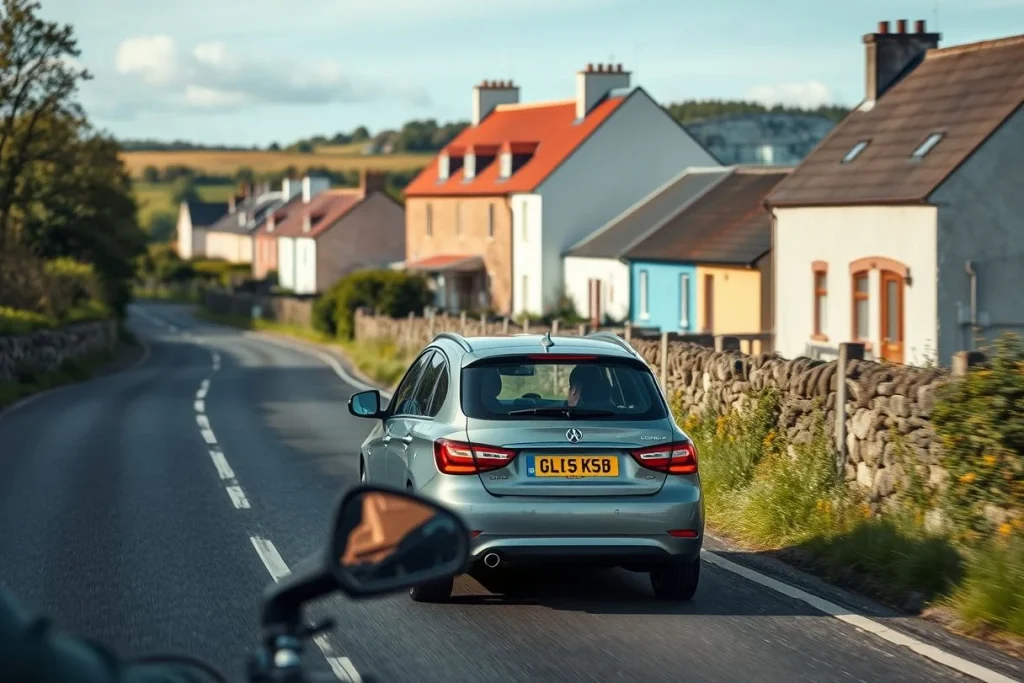
The car matters more than it does on a motorway-based tour. Many western coastal roads are narrow, winding single-track or local L-roads with passing places, so a compact hire car is usually less tiring to position than a large SUV. An automatic can make left-side driving easier for some visitors, while a manual may offer more choice; transmission availability varies, so reserve your preference and confirm the vehicle details directly with the hire company.
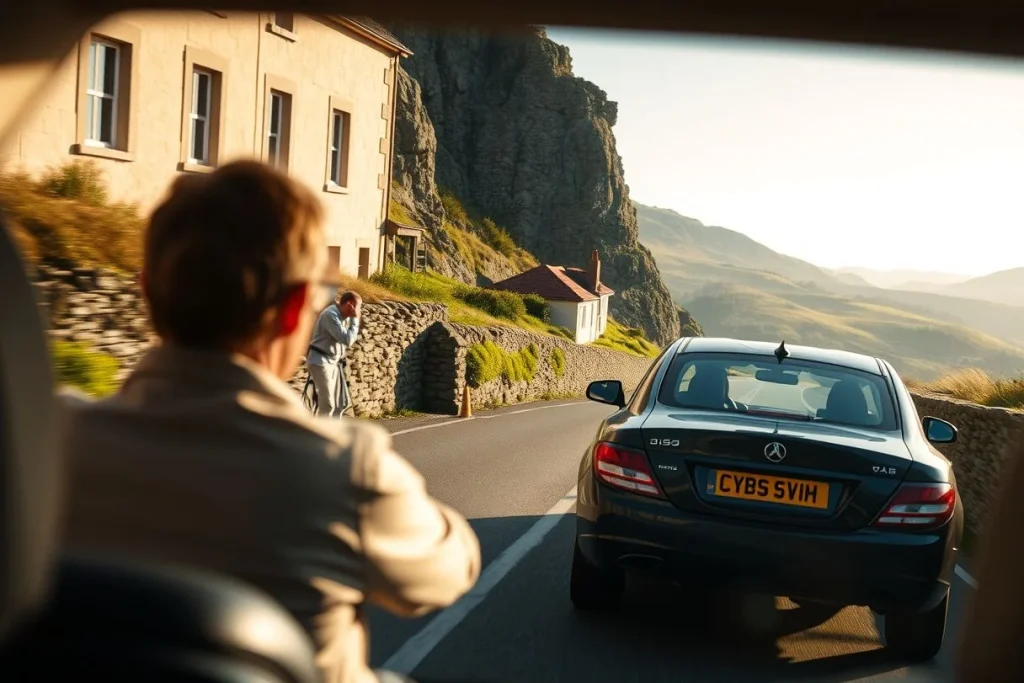
On a narrow section, reduce speed before a bend and use passing places rather than stopping opposite one. If you meet a bus or another large vehicle, be prepared to reverse carefully to the nearest suitable space. Expect walkers, cyclists, farm vehicles and livestock, particularly on rural lanes; slow down and never assume a clear-looking road will remain clear around the next corner. Sat-nav arrival times are optimistic here because they rarely account for passing, viewpoints or weather.
Follow the sign in front of you rather than relying on a familiar speed shown in an app. Speed limits and signage reflect Irish regulations and local decisions: check current signs, S.I. No. 618/2024, and guidance from the Road Safety Authority and Transport Infrastructure Ireland. Check county notices for roadworks, diversions and current enforcement before setting out.
If your route crosses into Northern Ireland, confirm the hire vehicle’s insurance documentation and any Green Card requirement before collection.
Stop by stop: a realistic Kinsale-to-Malin Head itinerary
This Wild Atlantic Way itinerary runs south to north from Kinsale to Malin Head, using attractive overnight bases rather than trying to trace every coastal bend. The full signed route linking County Cork with Inishowen is approximately 2,500–2,600 km, so ten days is a highlights trip; 14 days gives couples room for weather changes, long lunches and evenings on foot.
Morning
Leg 1: Kinsale, West Cork and the Mizen approaches
Allow two nights. Begin in Kinsale, where the harbourfront and compact centre make an easy first base after collecting a car. Use the following day for West Cork scenery and the approaches to Mizen Head, returning to Kinsale, Skibbereen, Bantry or Kenmare rather than adding several short hotel changes.
The coastal roads become narrower and more winding as you leave the larger towns. That is part of the route’s character, but it makes map distances misleading; many western roads are local lanes with passing places. For the evening, keep it simple: walk Kinsale’s waterfront, choose a relaxed seafood dinner and leave the car parked.
Leg 2: Iveragh Peninsula, Killarney and the Skellig Ring
Allow two nights. The Ring of Kerry is a circular drive often combined with the Wild Atlantic Way, not a separate substitute for the entire coastal route. Choose Killarney for access to Killarney National Park and a wider choice of accommodation, Kenmare for a smaller town with an atmospheric centre, or Cahersiveen for a more coastal base and easier access to the Skellig Ring.
Keep the Skellig Islands as a weather-dependent option. Boat trips can be cancelled in poor conditions, and exposed viewpoints around the peninsula need a forecast check before departure. If the sea is unsettled, use the day for the mainland scenery instead of building the itinerary around a boat that may not operate.
Afternoon
Leg 3: Dingle Peninsula and Slea Head
Allow two nights. Dingle is the most useful couple’s base on this leg: its centre is walkable, and you can leave the car behind for an evening of food, music and a harbour stroll. Spend the full scenic day on the Dingle Peninsula and Slea Head, stopping according to the weather rather than attempting every viewpoint.
The Blasket Islands are another optional boat excursion, but they need flexibility for sea conditions and the current sailing calendar. Book the excursion only after checking the operator’s latest schedule, then keep a mainland alternative ready. On a wet or windy day, Dingle’s town centre makes a better base than a forced circuit of exposed roads.
Leg 4: Clare, the Burren and Loop Head
Allow two nights. Make the Cliffs of Moher the centrepiece of a Clare stay, pairing them with the Burren’s limestone landscape and, if conditions allow, a separate outing towards Loop Head. Doolin is the natural choice for an atmospheric evening; Lisdoonvarna and Ennistymon offer practical alternatives when accommodation is limited or you prefer a quieter base.
Do not treat the Cliffs of Moher as a quick roadside stop. The visitor centre can have seasonal opening arrangements, busy periods and advance-booking requirements, so check the current details on Discover Ireland and the attraction’s official information before setting out. Stay behind barriers at cliff edges and follow local signage, particularly in strong wind or poor visibility.
Leg 5: Connemara, Clifden and Westport
Allow two nights. Give Connemara a full scenic day rather than using it as a quick transfer between Clare and Mayo. Base yourselves in Clifden for the Sky Road and an evening on foot, or continue towards Westport if you want a livelier town base and a more northerly position for the next leg.
Kylemore Abbey fits naturally into this section, but check its current opening arrangements before committing the day to it. The best rhythm is one principal visit, a slow drive through Connemara and time for a proper meal, rather than stacking several attractions into a single afternoon.
Evening
Leg 6: Sligo, Donegal and Malin Head
Allow two to three nights. Break the northern section at Sligo or Donegal Town before continuing towards Slieve League and Inishowen. Sligo suits couples who want a compact town base; Donegal Town is useful for a slower transition into Donegal; Buncrana works well for the final Inishowen and Malin Head section.
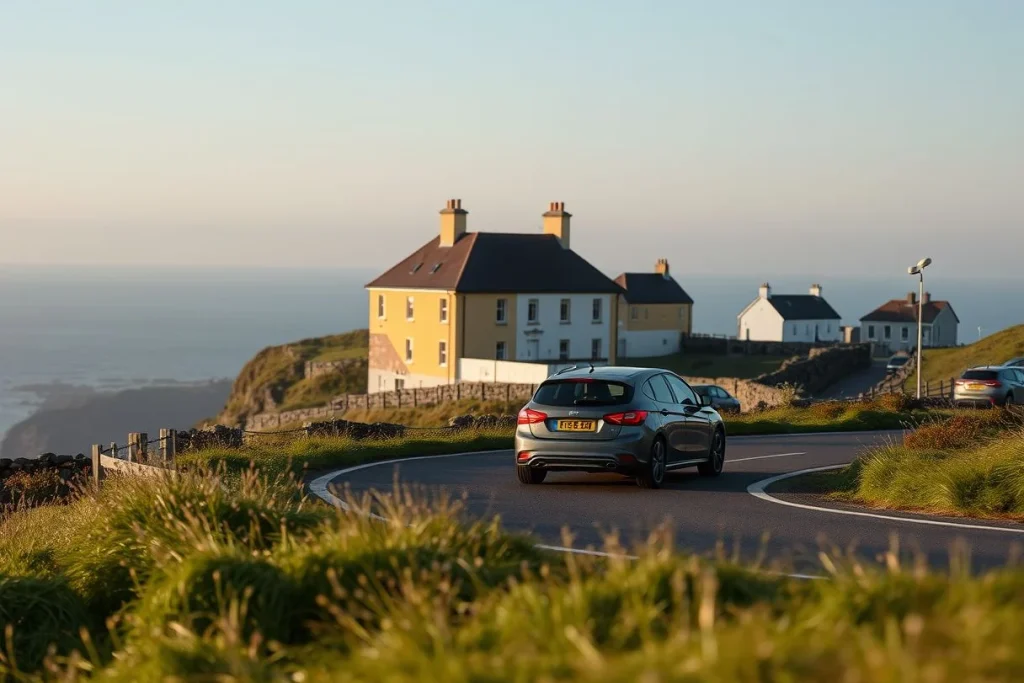
Slieve League and Malin Head are exposed, weather-sensitive places, so check wind and visibility before leaving your accommodation. Allow more time than a map suggests for winding roads, pauses and careful parking. At viewpoints, remain behind barriers and obey local safety notices. Finish at Malin Head rather than immediately driving back across the country: a final coastal evening is more in keeping with the route than an exhausting return transfer.
Ten-day compression
- Keep two nights in Kinsale, two in Dingle, two in Clare and two in Connemara.
- Combine the Iveragh Peninsula with a longer transfer day, choosing either Killarney National Park or the Skellig Ring rather than attempting both in depth.
- Use one overnight for Sligo or Donegal and finish in the Malin Head area. This version prioritises headline landscapes but leaves less room for boat cancellations and poor weather.
Fourteen-day relaxed version
- Add a third night in West Cork or Kenmare for Mizen Head and a slower coastal day.
- Add one night on the Iveragh Peninsula so the Ring of Kerry, Killarney National Park and the Skellig Ring are not competing for the same daylight.
- Add a third night in Donegal or Inishowen, making Slieve League and Malin Head separate outings.
Where to eat

Plan dinners in the walkable centres of Kinsale, Dingle, Doolin, Clifden, Westport, Sligo and Donegal Town. Choose seafood and shellfish on the coast, hearty pub dishes after longer drives, and local bakery or café food for picnic lunches in the Burren, Connemara or Donegal. In smaller bases, reserve dinner ahead when possible, especially during the busier summer period, and avoid making every evening dependent on a restaurant beside the next viewpoint.
Getting around
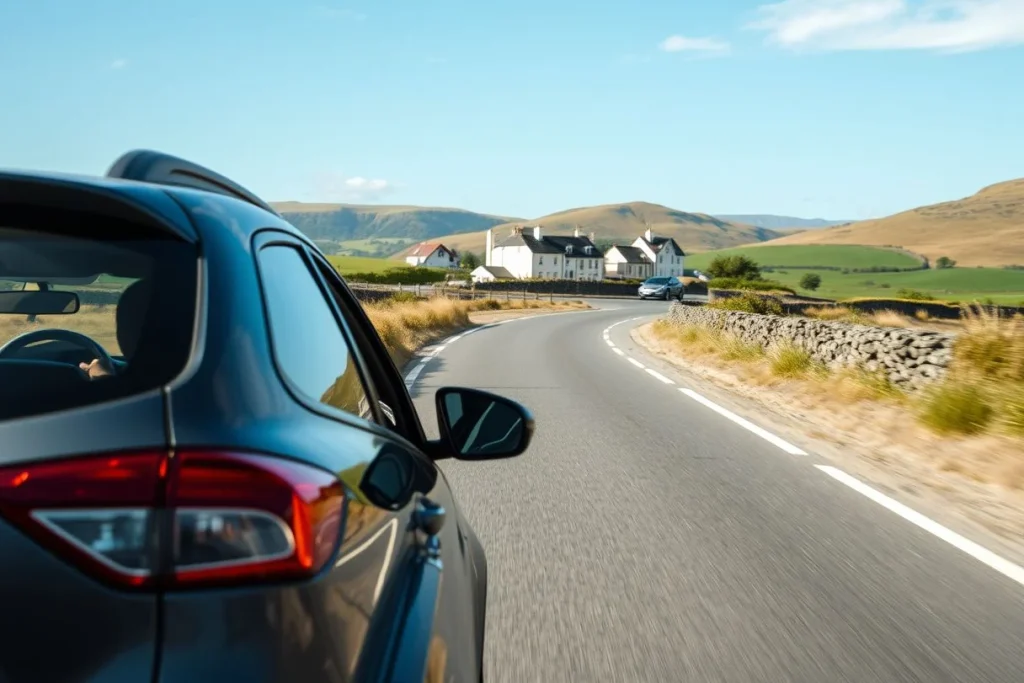
Ireland drives on the left and uses kilometres and kilometres per hour. A valid full driving licence from your home jurisdiction can be used for visiting, while anyone exchanging a licence or becoming resident should check current NDLS guidance. Choose a manageable hire car rather than the largest vehicle: narrow coastal lanes, stone walls and passing places reward calm driving.
Check current road signs and speed-limit guidance from the Irish Statute Book, and review roadworks, diversions and local conditions before each long leg. Use official Wild Atlantic Way route material from Fáilte Ireland to confirm the latest route sections and Discovery Points.
Estimated time

| Part of the day | Realistic allocation |
|---|---|
| Scenic driving | Several hours on transfer days, with less progress than a motorway journey because of narrow and winding coastal roads |
| Sightseeing | A full daylight block for one main peninsula, cliff section or abbey area |
| Meals | Allow unhurried lunches and reservations or an early start for dinner in smaller towns |
| Rest and weather flexibility | At least one open block on each two-night stay for rain, wind, boat changes or simply staying in town |
| Total route | Ten days for highlights; 14 days for the more comfortable couple’s pace |
Optional extras
- For boat-trip interest: keep the Blasket Islands or Skellig Islands as a movable day, never the only reason for a fixed overnight.
- For bad weather: drop exposed headlands and spend longer in Dingle, Clifden, Westport or Sligo, checking attraction information before travelling.
- For a slower trip: remove one northern transfer and add a third night in Dingle, Clare or Connemara; these bases offer the strongest combination of scenery, walkability and evening atmosphere.
Best time to drive the Wild Atlantic Way: dates for scenery and fewer crowds
Date choice matters most on the exposed sections. For most couples, late May to early July is the best compromise: daylight lasts longer, conditions are generally more favourable, and the coast is usually less crowded than during the peak weeks of mid-July and August. That extra light also makes it easier to stop for a short walk or sunset without turning every driving day into a late finish.
July and August are the warmest months on average, but they are also the busiest. Reserve accommodation in Dingle, Clifden and other small bases earlier in this period, then check the official pages for the Cliffs of Moher, Kylemore Abbey and any other planned attraction before setting the route. Opening hours, timed entry and seasonal arrangements can change; Discover Ireland is a useful starting point for current visitor information.
Late September and October can suit couples who prefer quieter towns and a softer pace, but the trade-off is greater exposure to wind and storms on headlands. Use the relevant station data from Met Éireann climate records rather than relying on a generic Ireland forecast, and check the live forecast before visiting Malin Head, Slieve League or another exposed viewpoint. Weather on the west coast remains variable in every season.
Build one flexible day into a 10–14-day Wild Atlantic Way itinerary. Keep it free for a boat trip, a longer Dingle or Connemara stay, or a rain-day change of plan rather than attaching it to a fixed transfer. Galway events and races commonly take place in July, although dates vary, so check the official calendar; also verify boat schedules, attraction hours and accommodation availability before booking the final sequence.
Travel costs: dated budget, mid-range and luxury scenarios
A reliable euro total cannot be published for this Wild Atlantic Way road trip from the supplied research: no dated quotes are available for car hire, accommodation, fuel or attractions. Treat any online total as a planning placeholder, not a price. For a couple, compare the full cost of 10 and 14 days using the same travel dates, vehicle and accommodation standard, then refresh every figure immediately before booking.
What to include in your estimate

- Car hire: request like-for-like quotes from Avis, Hertz, Enterprise and SIXT, including the compact manual option and an automatic. Check the excess, deposit, additional-driver charge, one-way drop fee and whether the vehicle is suitable for narrow coastal roads.
- Fuel: base this on the current fuel price and your vehicle’s quoted economy, rather than the route’s headline length. The official Wild Atlantic Way links Kinsale with Malin Head and is approximately 2,500–2,600 km, but a 10-day itinerary will normally cover only selected sections.
- Accommodation: budget for more nights in walkable bases such as Dingle, Clifden, Westport or Kenmare. A 14-day trip costs more in nights but can reduce the pressure to pay for a premium location every evening.
- Meals: restaurant dinners, seafood, drinks and hotel breakfasts will move the total more than occasional lunches or self-catering. Couples prioritising scenic dinners should protect this budget rather than cut it after booking.
- Extras: allow separate lines for parking, tolls, insurance, the Cliffs of Moher or Kylemore Abbey, and boat trips around the Blasket Islands or Skellig area. Check official attraction and operator pages for current prices, timed entry and weather policies; Discover Ireland notes that major sites can have seasonal arrangements.
For a transparent estimate dated 6 October 2026, save the retrieval date beside every quote and state the currency, travel dates, inclusions and cancellation terms. Recheck live rates before payment: shoulder-season dates, a compact manual car, fewer boutique nights and flexible boat plans usually give the budget more room, while automatic hire, one-way collection and frequent restaurant dining push it higher.
Travel tips that make the coastal drive easier
- Leave a generous buffer for every coastal transfer. Many western roads are narrow, winding single-track or local L-roads with passing places, so a route that looks short on the map can take much longer; let faster traffic pass rather than pressuring yourself to maintain the signed limit.
- Plan one major scenic drive, one walk and one unplanned stop per day. This rhythm suits a couple better than stacking several headlands into one schedule and leaves room for a quiet lunch, a local pub or sunset near the overnight base.
- Fill the car before remote stretches. Refuelling in a larger town before heading towards places such as Slieve League, Malin Head or Loop Head is a simple precaution when the day includes long stretches of rural road.
- Download maps before leaving reliable reception. Use offline navigation as a backup, but follow local road signs first: a route suggested by an app may be unsuitable for your vehicle or may ignore a temporary diversion.
- Keep the itinerary flexible around Atlantic weather. Move an exposed headland walk to a clearer window, and keep a spare indoor option in mind because wind and rain can make cliff viewpoints uncomfortable even when roads remain open.
- Check attractions and boats directly before committing. Confirm current opening dates, timed-entry arrangements and cancellation policies for the Cliffs of Moher, Kylemore Abbey, Blasket Islands trips and Skellig boat excursions; weather can disrupt marine plans.
- Book popular stays and weather-sensitive experiences with flexibility. Reserve the bases and activities that matter most, particularly in busier periods, but choose refundable accommodation or changeable tickets where the terms make sense for your dates.
- Treat every cliff edge as exposed ground. At Slieve League, Malin Head, Loop Head and other viewpoints, remain behind barriers, follow local signs and check the forecast; do not cross a fence for a photograph or assume a viewpoint is risk-free.
- Run a live road check each morning. Review county-council notices for closures, roadworks and diversions, check the Met Éireann forecast for wind and rain, and confirm current speed-limit guidance alongside signs and Transport Infrastructure Ireland advice.
Conclusion: choose the relaxed 14-day version if you can
For the strongest balance of scenery, atmosphere and unhurried time together, choose 14 days from Kinsale to Malin Head. That gives you room for walkable bases such as Dingle, Clifden and Westport, as well as weather flexibility around boat trips and exposed coastal viewpoints.
With only 10 days, prune one or two regions rather than turning the Wild Atlantic Way into a mileage challenge. Start by choosing your season, then compare arrival and departure logistics through Cork, Shannon and Dublin airports. Reserve your preferred couple-friendly bases, followed by any weather-sensitive experiences such as a Blasket Islands or Skellig boat trip.
Before departure, check the latest official route information, road notices, forecasts and attraction opening details. Build the route around a few fixed highlights, but leave enough unplanned time for a late scenic drive, a long dinner or a change of plan when the Atlantic weather turns.
Frequently asked questions
Is it better to start the route in Cork or finish there?
The official Wild Atlantic Way begins at Kinsale in County Cork and runs north to Malin Head and Inishowen, so a south-to-north trip follows the signed route naturally. Cork is not the route’s stated starting point, although it may be a practical arrival area. Check the latest Fáilte Ireland route material and your car-hire company’s collection arrangements before fixing the direction.
How many nights should couples spend in Dingle?
Plan two nights in Dingle if your schedule allows. The town works well as a walkable food-and-music base, while a separate day gives you time for the Slea Head drive without turning the peninsula into a rushed transfer. A Blasket Islands boat trip needs flexibility: check sailing dates and weather close to travel, as the available guidance does not guarantee departures.
Can I include the Aran Islands in this itinerary?
You can consider adding the Aran Islands, but they are not part of the route plan supplied here and would need to be treated as a separate excursion rather than a quick roadside stop. Check the relevant ferry or boat operator for operating dates, sailing times and weather-related cancellations before reserving accommodation around the visit.
Are there reliable petrol stations along the western coast?
The supplied route information does not verify petrol-station locations or coverage, so do not assume that a remote coastal stretch will offer a convenient refill. Plan fuel stops around larger overnight bases such as Dingle, Clifden, Westport, Sligo or Donegal Town, and confirm current facilities locally before heading onto narrow peninsular roads. A live map and local advice are useful checks.
What should I do if rain or wind disrupts a coastal day?
Keep the itinerary flexible rather than forcing exposed viewpoints in poor conditions. Met Éireann provides weather information and climate data, while the route guidance specifically advises checking conditions before cliff and headland visits such as Slieve League and Malin Head. Swap a headland day for a town, meal or indoor attraction, then verify opening hours before travelling.
Is it practical to return the car at a different airport?
It may be possible, but the supplied sources do not confirm one-way rental availability, fees or airport drop-off rules. Ask the hire company to quote the exact collection and return locations before booking, including insurance terms and any cross-border requirements if your route enters Northern Ireland. Also confirm the company’s current vehicle, fuel and out-of-hours return policies.