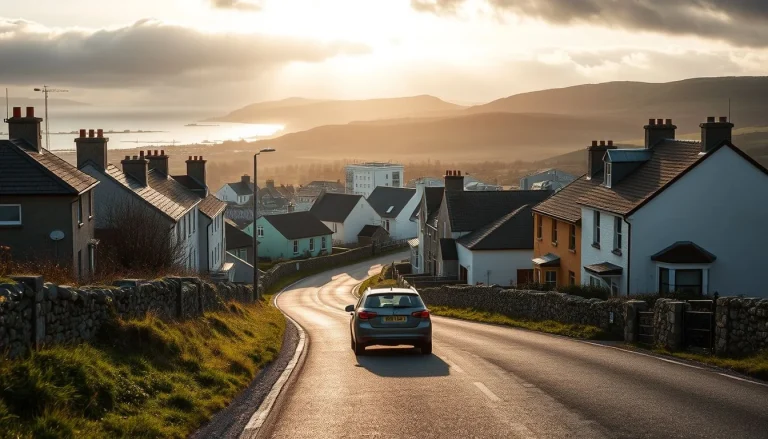
On the Big Sur coast, Highway 1 becomes a narrow, winding road with limited shoulders, slow vehicles and sweeping Pacific views; its Big Sur section runs for roughly 71 miles between Carmel Highlands and San Carpóforo Creek. That combination makes the coast compelling—and a poor place to improvise your first night’s stop.
This guide makes campervan travel for beginners practical: a four-day San Francisco–Monterey–Carmel–Big Sur route, realistic driving legs, vehicle choices, authorised overnight options and the road conditions that can change after storms or landslides. It is written for adventure travellers on a first campervan holiday who want scenic coastal driving without committing to a large motorhome, and who are prepared to trade speed for viewpoints, short walks and careful planning.
Quick answer: Allow four days for this approximately 140–150-mile route. The published 2.5–4-hour non-stop estimate excludes traffic, scenic stops and slow Highway 1 driving, so a compact campervan, an authorised campsite and travel in May–June or September–October offer the most manageable plan; check current Caltrans and park notices before departure.
San Francisco to Big Sur: route length, timing and difficulty
The San Francisco to Big Sur campervan route covers approximately 140–150 miles, depending on your start, finish and chosen roads. Published guides put non-stop driving at roughly 2.5–4 hours, but that is not a realistic day plan: traffic, viewpoints and the slow, winding coast make a full day more sensible. Four days gives a first-time driver room to stop without turning the trip into a mileage exercise.
The route works well for adventure travellers who want short driving legs, coastal viewpoints and manageable walks rather than a long-distance driving challenge. It is not carefree, however. Highway 1 through Big Sur has narrow bends, limited shoulders, slow vehicles and possible lane reductions or closures. The Big Sur section itself is commonly described as about 71 miles, from Malpaso Creek near Carmel Highlands to San Carpóforo Creek near San Simeon.
| Leg | Approx. distance | Non-stop driving | Suggested overnight area |
|---|---|---|---|
| San Francisco to Santa Cruz or Capitola | 75–80 miles | 1.5–2 hours | Santa Cruz or Capitola |
| Santa Cruz or Capitola to Monterey or Carmel-by-the-Sea | 45–60 miles | 1–1.5 hours | Monterey or Carmel |
| Monterey or Carmel to Pfeiffer Big Sur | 25–35 miles | 45–60 minutes | Pfeiffer Big Sur State Park |
| Big Sur exploration and return planning | Variable | Allow a full day | Big Sur, or plan the return |
That pacing leaves time for Half Moon Bay, Santa Cruz, Monterey Bay and the redwoods instead of treating them as drive-by scenery. Before committing to the coast, check Caltrans’ current Highway 1 notices; on 13 April 2026, Caltrans announced a 45-mph limit on a 5.1-mile Big Sur segment.
Choosing and driving a campervan on Highway 1
For most ordinary campervans and small motorhomes, a valid standard non-commercial driving licence is normally sufficient in the USA. The important qualifications are set by the rental company: minimum age, acceptable licence documents, payment card, insurance, mileage allowance, roadside assistance and permitted roads can all differ. Check the selected operator’s terms before booking; Cruise America, Hertz and Outdoorsy are examples to investigate, not endorsements.
A compact campervan is the more forgiving choice for a first Highway 1 trip. It is easier to park in San Francisco, pass slower traffic and position at viewpoints than a large motorhome, while still providing basic sleeping and cooking space. A larger vehicle gives you more room in bad weather, but its width and turning circle make the narrow, winding Big Sur coast more demanding; choose it for interior comfort only if you are comfortable handling a bigger vehicle.
In Big Sur, Highway 1 has limited shoulders, slow vehicles and sections where lane reductions or temporary closures can occur. Do not treat the posted limit as a target on bends: keep right, let faster traffic pass where safe, and stop only in signed or clearly safe areas rather than pulling onto a narrow shoulder. Caltrans reported a reduction from 55 to 45 mph on a 5.1-mile coastal segment on 13 April 2026, so check its current notices before departure.
Independent travel suits this route because you can pause briefly at a viewpoint or change the day’s pace without following a group. A guided trip removes much of the navigation and driving pressure, but gives you less control over stops and timing. For a first campervan holiday, independence works well with a compact vehicle, a conservative driving plan and an authorised campsite booked ahead; never assume a roadside pull-in is legal for overnight sleeping.
A four-day beginner itinerary: San Francisco, Monterey and Big Sur
Allow four days for a beginner-friendly San Francisco to Big Sur campervan route. The journey is commonly reported at approximately 140–150 miles, but the published 2.5–4-hour non-stop estimate leaves out traffic, photo stops and the slow, winding coastal section. This plan keeps the driving legs short, uses Monterey and Carmel as service bases, and treats Big Sur camping as reservation-dependent rather than improvising overnight.
Morning
Leg one: San Francisco to Santa Cruz or Capitola
Plan approximately 75–80 miles for the first leg, with roughly 1.5–2 hours of non-stop driving before traffic and stops. A compact campervan makes this a useful first rehearsal: practise wider turns, braking distances, reversing and checking overhead clearance before the route becomes narrower and more demanding.
Use Half Moon Bay as a coastal viewpoint option, then continue towards Santa Cruz or Capitola. Santa Cruz Boardwalk is a good optional stop if you want an easy change of pace, although it adds activity and parking decisions to the day. Keep the first afternoon deliberately light; learning the vehicle is more valuable than squeezing in another viewpoint.
Sleep only at a booked, authorised campsite or private RV park. Wild camping and roadside sleeping should not be treated as a legal default, and the rental agreement may impose additional overnight-parking rules. Check local regulations and reserve before collecting the vehicle, particularly for a weekend or peak season.
Afternoon
Leg two: Santa Cruz or Capitola to Monterey or Carmel-by-the-Sea
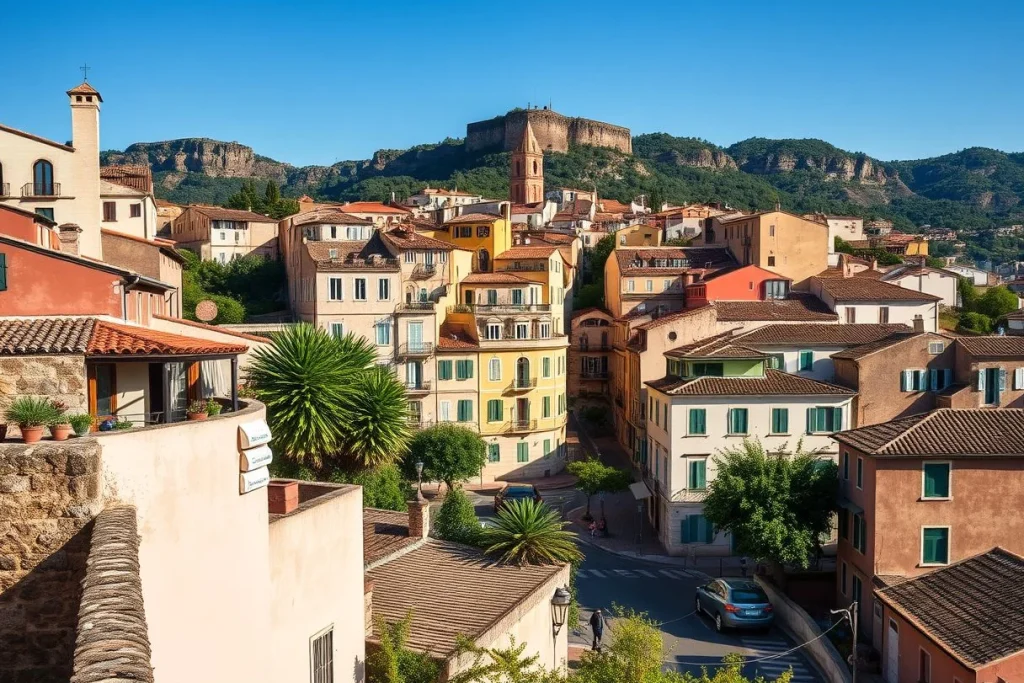
The second leg covers approximately 45–60 miles and takes roughly 1–1.5 hours without traffic or stops. Base yourself in Monterey if you want easier access to services, practical supplies and a fuller choice of activities. Carmel-by-the-Sea is the more atmospheric choice for an evening walk, but its compact streets and parking can be less forgiving in a larger vehicle.
In Monterey, choose one substantial visit rather than racing between several. The Monterey Bay Aquarium and Cannery Row make a natural pairing, while the optional 17-Mile Drive adds a scenic detour if vehicle access, conditions and parking suit your campervan. Check current visitor information before committing to the detour, and confirm that the vehicle’s dimensions are appropriate.
Keep this night in the Monterey or Carmel area if Big Sur campsites are unavailable. A second night here gives you dependable access to fuel, food and supplies, and removes the pressure to drive into Big Sur late in the day.
Evening
Leg three: Monterey or Carmel to Pfeiffer Big Sur State Park
Allow approximately 25–35 miles and roughly 45–60 minutes of non-stop driving for this leg, then add generous time for stops. Carmel Highlands marks the gateway to the Big Sur section of Highway 1, where the road becomes narrow and winding, with limited shoulders, slow vehicles and the possibility of lane reductions or temporary closures.
Make Point Lobos the first considered stop, followed by Bixby Creek Bridge and, if access and time allow, Pfeiffer Beach. Parking can be difficult, so never stop where the campervan obstructs traffic or sightlines. Check trail conditions and accessibility for every outing; coastal viewpoints and paths do not all offer the same surfaces, gradients or facilities.
The primary overnight choice is Pfeiffer Big Sur State Park, but only with a confirmed reservation through ReserveCalifornia. Check the park’s official information for campground procedures, late-arrival arrangements and current trail notices. If no site is available, use a Monterey- or Carmel-area private campground or RV park rather than gambling on an unauthorised pull-in.
Leg four: a shorter Big Sur day and the return decision
Use the fourth day for short viewpoint or trail outings around Big Sur, with water, food and basic emergency supplies already aboard. Services and mobile coverage are limited in parts of the region, so do not rely on finding fuel or making a call once you are deep into the route.
After exploring, either return north or leave by an alternative inland route if Highway 1 conditions require it. Check Caltrans District 5 notices close to departure and again before entering the coast: landslides, storm damage, lane reductions and speed changes can alter the plan.
Make the choice this way: stay two nights near Monterey if services, flexible supplies or campsite certainty matter most. Stay in Big Sur for the redwood setting if your reservation, vehicle size and current road conditions all align.
Where to eat

Buy the next day’s water, food and snacks before the longer Big Sur section. Monterey and Carmel are the sensible places to choose between a sit-down meal and provisions for a simple campervan dinner; in Santa Cruz or Capitola, keep the first evening easy while you learn the vehicle’s kitchen and storage setup. Carry more food than you expect to need if you plan to spend time away from the main service areas.
Getting around
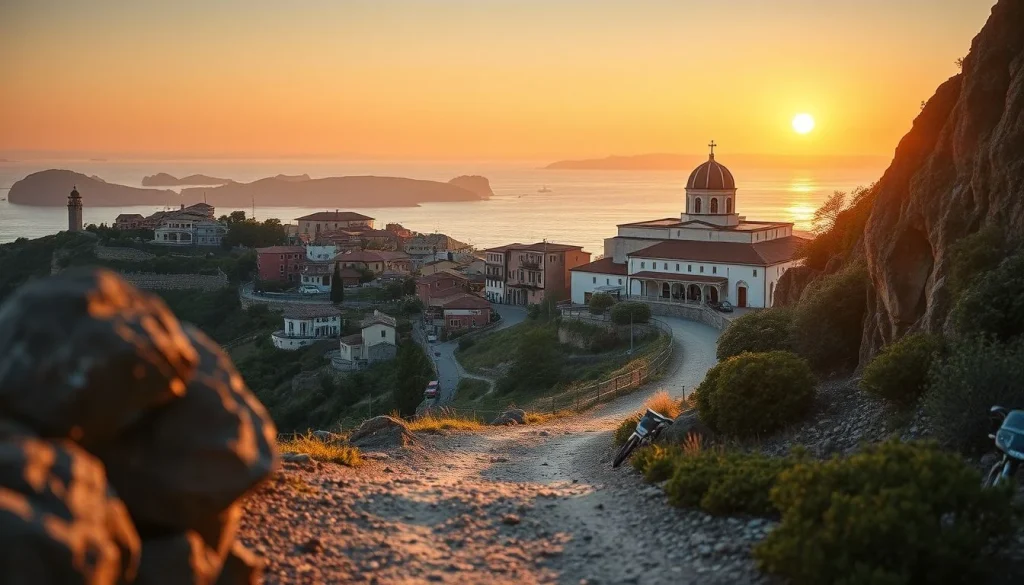
For a first campervan holiday, a compact vehicle is the better fit for Highway 1’s winding coastal road, viewpoint parking and narrow urban streets. Drive conservatively, let faster traffic pass where it is safe, and treat the published driving times as minimums rather than promises. The Big Sur section is not difficult because of mileage; it is demanding because attention stays high for longer.
Travel in May–June or September–October for a useful balance of daylight and generally drier conditions. Summer mornings can bring fog, while winter is wetter and carries greater storm and landslide disruption risk. Check road notices, weather, campsite availability and trail status before setting out.
Estimated time
| Activity | Allow |
|---|---|
| Driving across the four legs | Several hours of wheel time, extended by traffic and coastal stops |
| Sightseeing and short walks | Half a day to a full day, depending on Point Lobos, the aquarium and Big Sur conditions |
| Meals, shopping and vehicle routines | At least two to three hours daily |
| Rest, campsite set-up and route checks | Time each evening; do not arrive at an unfamiliar site after an exhausting drive |
Optional extras
- For a gentler first drive: skip the Santa Cruz Boardwalk and spend the afternoon settling into the campsite.
- For wildlife and walking: give Point Lobos more time, after checking current trail conditions and accessibility.
- For uncertain weather or closures: remain in Monterey for a second night and use official Caltrans and park notices to decide whether Big Sur is practical.
When to drive the coast: May–June versus September–October
Late spring and early autumn are the easiest windows
For a first campervan holiday on the San Francisco to Big Sur route, aim for May–June or September–October. These periods usually offer a useful balance of drier conditions, longer daylight and fewer summer crowds than the peak season. NOAA’s 1991–2020 monthly climate normals support the broader pattern of drier summers and autumns, while Big Sur can still have foggy mornings, particularly in summer.
September and October are especially appealing if clear coastal views matter more than warm afternoons. Start driving after the morning fog begins to lift, but keep enough daylight for the winding Highway 1 section; this is not a route to rush after dark. First-time drivers should choose a dry forecast and daylight over a cheaper rental date.
What to expect in summer and winter
July and August can bring heavier demand at campsites and popular stops, as well as morning fog along the coast. Check local calendars for Monterey, Carmel and Santa Cruz before fixing dates: holidays and major events can affect traffic and campsite availability even when the weather is favourable.
Winter is wetter and brings a greater risk of storms, landslides and temporary disruption on the coastal road. Highway 1 is narrow and winding, with limited shoulders and possible lane reductions; Caltrans announced a 45mph limit on a 5.1-mile Big Sur segment on 13 April 2026. Check the latest Caltrans notices within 72 hours of departure, then reassess if rain is forecast.
Book and recheck before leaving
Reserve an authorised overnight site rather than assuming roadside sleeping is permitted. Pfeiffer Big Sur State Park requires reservations through ReserveCalifornia, and the park advises checking current campground procedures and notices before travel; use the official Pfeiffer Big Sur State Park information before setting out.
What a four-day campervan trip costs in 2025–2026
The rental headline is only the starting point for a four-day campervan trip. The figures below isolate the supplied vehicle-and-campsite costs; fuel, food, taxes, insurance, mileage, deposits and attractions are not included.
Estimated costs: 2025–2026 market snapshots—verify the live quote

| Estimated component | Budget | Mid-range | Luxury |
|---|---|---|---|
| Campervan or motorhome rental, four nights | $600–$880 | $880–$1,400 | $1,400–$2,800+ |
| Campsites, four nights | $140–$200 | $200–$320+ | Not specified |
| Supplied components, four nights | $740–$1,080 | $1,080–$1,720+ | $1,400–$2,800+ rental only |
Rental figures are based on 2025–2026 market snapshots reported by altCamp and altCamp’s rental-cost research. Campsite estimates use 2024–2026 state-park information and private-campground ranges; check the exact fee through California State Parks and the campground operator.
For a four-day itinerary with three nights, the same supplied components work out at approximately $555–$810 for a budget setup, or $810–$1,290+ at mid-range. A high-end vehicle alone is approximately $1,050–$2,100+ for three nights, before any campsite cost. Confirm how the rental company counts nights: some quotes are based on pickup and return dates rather than the number of nights you sleep in the vehicle.
Season and vehicle size usually move the quote most, but also check the mileage allowance, insurance excess, one-way fees, deposit, cancellation terms and included equipment. A Monterey Bay Aquarium visit, parking, dump fees, generator use and cleaning may all sit outside the headline rate. Ask the rental company to itemise them, then check live campsite availability and the final booking terms before paying.
| Item | Budget | Mid-range | Luxury |
|---|---|---|---|
| Small campervan rental | $150–$220 per night | $220–$350 per night | Not specified by this source row |
| Campervan rental or high-end motorhome | Not specified by this source row | Not specified by this source row | $350–$700+ per night |
| Campsite | $35–$50 per night | $50–$80+ per night for private campgrounds or RV parks | Not specified by this source row |
Estimated ranges based on the sources listed below. Prices change; check with providers before booking.
Campervan tips that matter on this coastal route
- Learn the vehicle before leaving the depot. Photograph existing damage, practise using the mirrors and reversing, and note the vehicle’s height and turning circle. Ask the rental company to demonstrate the water and waste systems, confirm the fuel type, and explain roadside assistance, insurance excess and any road-use exclusions.
- Check Highway 1 twice before driving it. Review Caltrans District 5 notices within 72 hours of departure and again on the morning of the drive. Highway 1 through Big Sur is narrow and winding, with limited shoulders, slow vehicles and possible lane reductions or closures; Caltrans announced a 45mph limit on a 5.1-mile coastal segment on 13 April 2026.
- Reserve a legal overnight stop. Sleeping by the roadside or wild camping is not a legal default. Reserve Pfeiffer Big Sur State Park through California State Parks, confirm late-arrival procedures and current park notices, and keep a Monterey- or Carmel-area private campground as a fallback.
- Buy supplies before the remote stretches. Fuel, drinking water, food, medication, warm layers and basic emergency supplies are easier to organise in the Monterey area than in central Big Sur, where services and mobile coverage are limited in places. Do not rely on a phone signal for navigation or assistance.
- Drive in daylight and below your comfort limit. Slow before bends rather than braking sharply in them, leave generous following distance and never stop on a narrow shoulder for a photograph. Let faster traffic pass only where there is a safe, clearly suitable place to do so.
- Keep walks deliberately modest. Choose short trails and viewpoints that match your fitness, carry water and check current conditions and accessibility before setting out. A dramatic roadside viewpoint is not automatically a safe stopping place or an accessible route.
- Build in a closure day, not a risky detour. If Highway 1 closes, do not try to squeeze the original itinerary into the remaining hours. Contact the campground, follow official detour information, and use US-101 or CA-68 only when current notices and the rental agreement support that route.
The best first step for this Highway 1 adventure
For a first campervan holiday, choose a compact vehicle and allow four days rather than attempting San Francisco to Big Sur in one push. May–June and September–October offer a sensible balance of daylight, generally drier conditions and fewer summer crowds. Reserve an authorised overnight site, ideally at Pfeiffer Big Sur State Park; keep a Monterey-area campground as your practical fallback if Big Sur availability or road conditions change.
Your next step is to compare a live compact-campervan quote—including insurance, mileage and cancellation terms—with campsite availability for your dates. Within 72 hours of departure, check the latest Caltrans Highway 1 notice and Pfeiffer Big Sur State Park information. If either points to disruption, adjust the route before collecting the vehicle rather than relying on an ambitious detour.
Frequently asked questions
Can I manage this route if I have never driven a campervan before?
Yes, if you treat it as a slow coastal drive rather than a mileage challenge. The route is approximately 140–150 miles, but published non-stop estimates of 2.5–4 hours exclude traffic, viewpoint stops and winding Highway 1. Practise braking, reversing and judging the vehicle’s width before reaching Big Sur, and allow a full day for the coastal leg. Check the rental company’s licence, insurance and vehicle-use requirements before collecting the van.
Is a compact campervan better than a motorhome for Highway 1?
For most first-time drivers, a compact campervan is the more manageable choice. Highway 1 through Big Sur is narrow and winding, with limited shoulders, slow vehicles and possible lane reductions; Caltrans also announced a reduced speed limit on part of the coast. A larger motorhome offers more interior space but makes passing, parking and turning harder. Choose the smallest vehicle that provides adequate sleeping and storage space, subject to the rental company’s road-use conditions.
What should I do if fog makes the coastal drive uncomfortable?
Reduce your pace, increase your following distance and use designated stopping places rather than pulling onto a narrow shoulder. Big Sur commonly has summer-morning fog, while September and October can bring clearer conditions, according to climate information from NOAA. If visibility remains poor, postpone the scenic section and use your reserved campsite or an authorised alternative only after checking access. Do not let a timetable push you into driving beyond your comfort level.
Can I visit Big Sur without staying overnight there?
Yes. Monterey or Carmel-by-the-Sea can work as a base for a daytime visit, and the Monterey-to-Pfeiffer Big Sur section is approximately 25–35 miles, with roughly 45–60 minutes of non-stop driving before stops. Allow much longer for Point Lobos, Bixby Creek Bridge and Pfeiffer Beach. This option avoids relying on a Big Sur campsite, but you still need to check Highway 1 conditions and plan fuel, water and food before entering the area.
Are there reliable places to buy groceries before entering Big Sur?
The practical advice is to shop and refuel before the longer remote stretches, rather than assume supplies will be available in central Big Sur. Services and mobile coverage are limited in places, according to route guidance cited for the area. Monterey and Carmel-area stops are therefore useful preparation points, but exact shops, fuel facilities and opening hours can change. Check current local listings, carry water, food and basic emergency supplies, and confirm your vehicle’s fuel range.
What should I do if my booked campground becomes unreachable?
Check Caltrans’ current Highway 1 notices and the relevant state-park information before attempting the route. If Pfeiffer Big Sur State Park is inaccessible, contact the park or booking provider, then look for an authorised Monterey- or Carmel-area private campground or RV park, subject to availability and its vehicle rules. Do not substitute roadside sleeping or wild camping: California State Parks guidance and the rental agreement should be treated as the starting point for legal overnight arrangements.